Few things are more frustrating for Subaru owners than seeing the Check Engine light illuminate without warning. For many drivers of newer Subaru models, that unexpected dashboard alert has led them to discover an issue involving the Thermo Control Valve, often referred to as the TCV. As reports from vehicle owners continue to surface, questions surrounding the Subaru Thermo Control Valve recall have become increasingly common.
Is there an official recall? Which Subaru models are affected? Will Subaru cover the repair costs? More importantly, is it safe to continue driving if your vehicle develops this problem? The answers are not always straightforward, leaving many owners uncertain about their next steps.
The Thermo Control Valve plays an important role in regulating engine temperature and optimizing efficiency. When this component fails, it can trigger warning lights, affect vehicle performance, and potentially lead to costly repairs if left unaddressed. For owners whose vehicles are no longer covered under the original factory warranty, concerns about out-of-pocket expenses can add even more stress to an already inconvenient situation.
This comprehensive guide explains everything you need to know about the Subaru Thermo Control Valve recall and related warranty programs. From understanding how the system works and identifying common symptoms to checking whether your vehicle qualifies for coverage, this article will help you make informed decisions and protect your investment. If you own a Subaru or are considering purchasing a used one, knowing the facts about this issue could save you both time and money.
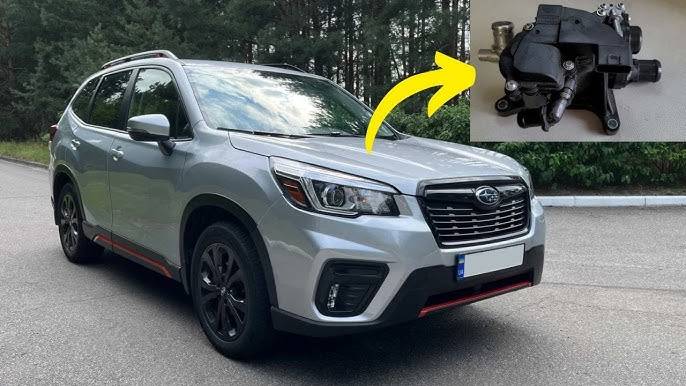
What Is a Subaru Thermo Control Valve?
The Thermo Control Valve, commonly known as the TCV, is a component within Subaru’s cooling system designed to regulate the flow of engine coolant. Unlike traditional thermostat systems that rely on mechanical operation, the Thermo Control Valve uses electronic controls to manage engine temperature more precisely. This design helps improve fuel efficiency, reduce emissions, and enable the engine to reach its optimal operating temperature more quickly.
In modern Subaru vehicles, maintaining the correct engine temperature is essential not only for performance but also for meeting increasingly strict environmental standards. By controlling how coolant circulates through the engine, the TCV contributes to smoother operation during cold starts and enhances overall efficiency during everyday driving conditions.
However, despite its intended benefits, the Thermo Control Valve has become a source of concern for some Subaru owners. Failures within the valve mechanism can disrupt coolant flow, triggering warning lights and causing the vehicle’s onboard diagnostic system to detect abnormalities. Since the component is integrated into a sophisticated cooling system, many drivers may not recognize the issue until multiple alerts appear on the dashboard.
One important point for owners to understand is that the Thermo Control Valve is not considered a routine maintenance item. Unlike oil changes or brake service, there is no scheduled replacement interval for this component. As a result, unexpected failures often come as a surprise, especially for owners who have carefully followed all recommended maintenance guidelines.
Understanding the function of the Thermo Control Valve is the first step toward recognizing why this issue has attracted significant attention within the Subaru community.
Why Is the Subaru Thermo Control Valve Recall Such a Big Concern?
Concerns surrounding the Subaru Thermo Control Valve issue extend far beyond the inconvenience of a warning light appearing on the dashboard. For many owners, the problem represents an unexpected repair that can occur in relatively new vehicles, raising questions about long-term reliability and ownership costs.
Part of the confusion stems from the terminology used when discussing the issue. Some owners refer to it as a recall, while others describe it as a warranty extension or service campaign. These distinctions matter because they directly affect whether repairs are covered by Subaru and what steps owners need to take to receive assistance.
An official recall is typically issued when a defect poses a safety risk and requires mandatory corrective action. A warranty extension, on the other hand, expands coverage for specific components beyond the original warranty period. Service campaigns may address known concerns without reaching the level of a formal recall. Because these programs differ in scope and eligibility requirements, many Subaru owners struggle to determine exactly where they stand.
Financial concerns also contribute to the heightened attention surrounding the Thermo Control Valve issue. Depending on labor rates and regional pricing, replacing the component outside warranty coverage can result in a significant repair bill. For families relying on their Subaru as a primary vehicle, unexpected expenses of this nature can disrupt household budgets and create considerable stress.
Beyond the financial impact, many owners express frustration that a component designed to improve efficiency can become a source of inconvenience. Discovering a potential defect in a vehicle that is otherwise dependable may affect consumer confidence and influence future purchasing decisions.
These concerns explain why searches related to the Subaru Thermo Control Valve recall continue to grow. Owners are not only seeking technical information but also reassurance that they understand their rights, responsibilities, and available options.
Which Subaru Models Are Affected?
One of the first questions Subaru owners ask after learning about Thermo Control Valve problems is whether their own vehicle may be affected. While not every Subaru model experiences this issue, reports have emerged across several popular models equipped with certain generations of Subaru’s naturally aspirated engines.
The Subaru Forester is among the vehicles most frequently discussed in relation to Thermo Control Valve failures. Owners have reported instances of warning lights appearing unexpectedly, often prompting dealership inspections that identify the TCV as the source of the problem.
The Subaru Outback has also been mentioned in owner forums and service discussions involving Thermo Control Valve concerns. Given the model’s popularity among families and outdoor enthusiasts, awareness of potential cooling system issues remains particularly important for current and prospective owners.
In addition, some Subaru Legacy owners have shared experiences involving Thermo Control Valve replacement after receiving engine-related alerts. Although individual circumstances vary, these reports contribute to the broader conversation surrounding the reliability of the component.
Subaru Ascent owners have similarly raised concerns regarding Thermo Control Valve failures. As a three-row SUV frequently used for long-distance travel and family transportation, unexpected repairs can be especially disruptive for drivers who depend heavily on their vehicles.
Certain Subaru Crosstrek models have also appeared in discussions about Thermo Control Valve issues. Because model years, engine configurations, and production periods can influence eligibility for coverage programs, owners should avoid relying solely on anecdotal reports when assessing their situation.
The most reliable way to determine whether a specific Subaru qualifies for recall-related repairs, warranty extensions, or other manufacturer support is to verify the vehicle identification number, commonly known as the VIN. This step provides clarity and ensures that owners receive accurate information tailored to their individual vehicles.
If you own one of the models commonly associated with Thermo Control Valve concerns, proactive investigation can help prevent unnecessary delays and provide peace of mind regarding available repair options.
Common Symptoms of a Failing Thermo Control Valve
Recognizing the warning signs of a failing Thermo Control Valve can help Subaru owners address the problem before it develops into a more serious concern. Although the symptoms may vary from one vehicle to another, several patterns have been consistently reported by drivers who later discovered issues with the TCV.
One of the most common indicators is the sudden appearance of the Check Engine light. Because modern Subaru vehicles rely heavily on electronic monitoring systems, even a minor disruption in coolant regulation can trigger diagnostic alerts. In some cases, the Check Engine light may appear alongside additional warning messages, creating understandable anxiety for drivers who are unsure about the severity of the problem.
Another symptom involves temperature-related warnings on the instrument cluster. Drivers may notice that the engine temperature warning light illuminates unexpectedly, even when the vehicle has been operating normally. These alerts should never be ignored, as they may signal that the cooling system is no longer functioning as intended.
Some owners have also reported unusual behavior from the radiator cooling fans. The fans may continue running longer than expected or activate more frequently than normal, even under moderate driving conditions. While cooling fan operation can be influenced by several factors, persistent changes in fan behavior warrant professional evaluation.
In certain situations, drivers may observe reduced heating performance inside the cabin. Since the vehicle’s heating system relies on circulating engine coolant, disruptions caused by a malfunctioning Thermo Control Valve can affect the amount of warm air delivered through the climate control system.
Performance concerns may arise as well. Some vehicles enter a protective operating mode designed to minimize the risk of engine damage when abnormalities are detected. Although this safeguard serves an important purpose, it can limit driving enjoyment and create inconvenience, particularly during long trips.
It is important to remember that these symptoms are not exclusive to Thermo Control Valve failure. Other cooling system components can produce similar warning signs. For this reason, obtaining a professional diagnosis remains the most effective way to identify the underlying cause and determine the appropriate course of action.
How to Check If Your Subaru Is Included
If you suspect that your Subaru may be affected by Thermo Control Valve concerns, taking a few simple steps can help clarify whether your vehicle qualifies for any manufacturer support programs or service recommendations.
The first step is locating your vehicle identification number, commonly referred to as the VIN. This unique seventeen-character code can typically be found at the base of the windshield on the driver’s side, inside the driver’s door jamb, or within your vehicle registration documents. Having the VIN readily available will streamline the verification process.
Once you have identified the VIN, review any correspondence you may have received from Subaru. Manufacturers occasionally notify owners regarding recalls, warranty extensions, or service campaigns that apply to specific vehicles. If you purchased the vehicle secondhand, however, previous communications may not have reached you directly.
Contacting an authorized Subaru dealership is often the most reliable way to obtain accurate information. Dealership service departments have access to manufacturer databases that allow them to determine whether your vehicle qualifies for coverage related to the Thermo Control Valve issue. They can also confirm whether any applicable repairs have already been completed by a previous owner.
Owners of used vehicles should be particularly diligent during this process. A vehicle may have changed hands multiple times, and documentation regarding past repairs may be incomplete. Verifying service history can prevent duplicate repairs and provide reassurance that any outstanding concerns are properly addressed.
Maintaining records of dealership visits, repair invoices, and communication with Subaru representatives is also advisable. Detailed documentation can prove valuable if questions arise regarding eligibility, reimbursement, or future warranty considerations.
Although the verification process may require a small investment of time, it offers clarity and empowers owners to make informed decisions regarding vehicle maintenance and potential repairs.
What Does Subaru’s Warranty Coverage Include?
Understanding warranty coverage is essential for Subaru owners dealing with Thermo Control Valve concerns. Coverage details can vary depending on factors such as vehicle age, mileage, ownership history, and the specific programs implemented by Subaru at a given time.
In general, vehicles still protected by the original factory warranty may qualify for repairs related to covered component failures. Owners experiencing symptoms associated with the Thermo Control Valve should schedule an inspection promptly to determine whether the issue falls within the scope of existing warranty protection.
In some circumstances, manufacturers introduce warranty extensions for components that have generated a significant number of customer complaints. These programs may expand eligibility beyond the original warranty period, providing relief for owners who would otherwise face substantial repair expenses. Because the terms of such programs can differ, confirming the details applicable to your specific VIN remains critically important.
Owners who previously paid for Thermo Control Valve repairs sometimes wonder whether reimbursement is possible. The answer often depends on the timing of the repair, the availability of supporting documentation, and the provisions outlined by Subaru. Keeping copies of invoices and repair orders can facilitate discussions regarding potential reimbursement opportunities.
Questions frequently arise regarding second or subsequent owners. Many vehicle owners assume that extended coverage applies exclusively to the original purchaser, but this is not always the case. Certain programs may extend benefits regardless of ownership status, while others impose specific conditions. Verifying eligibility directly through authorized channels helps eliminate uncertainty.
Even when coverage is available, owners should understand the recommended repair process. Dealerships typically conduct diagnostic procedures to confirm that the Thermo Control Valve is responsible for the reported symptoms before authorizing replacement. Following the prescribed process helps ensure that repairs are completed efficiently and in accordance with manufacturer guidelines.
For Subaru owners confronting an unexpected warning light, understanding available warranty protections can significantly reduce stress and financial uncertainty. Proactive communication with qualified service professionals remains the best strategy for navigating the process with confidence.
Subaru Thermo Control Valve Replacement Cost
One of the biggest concerns for Subaru owners dealing with a Thermo Control Valve issue is the potential cost of repairs. While warning lights and diagnostic codes can be stressful on their own, uncertainty surrounding the financial impact often adds another layer of frustration.
If your vehicle qualifies for warranty coverage or an applicable warranty extension program, the replacement of the Thermo Control Valve may be performed at little to no cost. In these situations, Subaru may cover both the replacement part and the labor associated with the repair. However, eligibility requirements can vary, making it essential to verify your vehicle’s status through an authorized Subaru dealership.
For owners whose vehicles fall outside any available coverage period, repair expenses become a more significant consideration. The total cost of replacing a Thermo Control Valve typically includes several factors, such as the price of the replacement component, diagnostic procedures performed by the service department, and labor charges associated with installation. Because labor rates differ between geographic regions and service facilities, the final amount can vary substantially from one owner to another.
Unexpected repair costs can create genuine hardship, particularly for families managing tight household budgets. Many Subaru owners purchase their vehicles with the expectation of long-term reliability, making an unplanned cooling system repair especially disappointing. Understanding potential expenses in advance allows drivers to make informed financial decisions and explore available support options before authorizing repairs.
Owners should also remember that delaying necessary repairs may increase the risk of additional complications. Addressing the issue promptly can help prevent further strain on the cooling system and reduce the likelihood of more extensive mechanical problems developing over time.
Ultimately, obtaining an accurate diagnosis and discussing coverage options with a qualified Subaru service advisor remain the most effective ways to understand the true cost implications for your specific situation.
Is It Safe to Drive With a Faulty Thermo Control Valve?
When confronted with a Thermo Control Valve problem, many Subaru owners ask the same question: Is it safe to continue driving? The answer depends largely on the severity of the symptoms and the condition of the vehicle at the time the issue is identified.
If the Check Engine light appears without any noticeable changes in vehicle performance or temperature readings, it may be possible to drive cautiously for a short period while arranging a professional inspection. Nevertheless, drivers should avoid postponing diagnosis for extended periods, as cooling system issues can escalate unexpectedly.
More serious warning signs require immediate attention. If the engine temperature warning light illuminates, if the temperature gauge rises abnormally, or if steam becomes visible from the engine compartment, continuing to operate the vehicle could increase the risk of overheating and potential engine damage. In these situations, stopping the vehicle in a safe location and seeking professional assistance is the most prudent course of action.
Drivers should also pay attention to changes in how the vehicle behaves. Reduced performance, unusual warning messages, or repeated activation of cooling fans may indicate that the vehicle’s protective systems are responding to an underlying issue. Although these safeguards are designed to help minimize damage, they should not be viewed as substitutes for proper diagnosis and repair.
Ignoring persistent symptoms in the hope that they will resolve on their own is rarely advisable. Cooling system components work together to maintain optimal operating conditions, and prolonged operation with a malfunctioning part may contribute to additional wear or mechanical complications.
When uncertainty exists, caution should guide decision-making. Consulting a qualified Subaru technician can provide clarity regarding the severity of the problem and determine whether immediate repairs are necessary. Protecting the health of the engine should always take priority over the convenience of postponing service.
Frequently Asked Questions
Is the Subaru Thermo Control Valve issue an official recall?
The answer depends on the specific circumstances affecting your vehicle. Some owners refer to the problem as a recall, while others may qualify for warranty extensions or manufacturer-supported repair programs. The most reliable way to determine your status is to verify your VIN with an authorized Subaru dealership.
Which Subaru models are most commonly associated with Thermo Control Valve concerns?
Reports have frequently involved models such as the Forester, Outback, Legacy, Ascent, and Crosstrek. However, eligibility for repairs or coverage depends on factors including model year and production specifications. VIN verification remains essential.
How much does it cost to replace a Thermo Control Valve?
Repair costs can vary based on labor rates, location, and whether warranty coverage applies. Owners whose vehicles qualify for manufacturer assistance may pay little or nothing, while those outside coverage periods may be responsible for the full cost of parts and labor.
Can I continue driving if I suspect a Thermo Control Valve problem?
Minor warning signs may allow limited driving while arranging an inspection. However, temperature warnings, signs of overheating, or noticeable performance issues should be treated seriously. Continuing to drive under these conditions could increase the risk of engine damage.
Will Subaru cover repairs outside the original factory warranty?
In some cases, Subaru may provide assistance through warranty extensions or other support programs. Because these programs can change over time and may involve specific eligibility requirements, owners should consult an authorized dealership for the most current information.
How can I check whether my Subaru is affected?
The simplest approach is to locate your vehicle identification number and contact an authorized Subaru dealer. Service representatives can review manufacturer records, confirm whether your vehicle qualifies for any applicable programs, and determine whether previous repairs have already been completed.
Conclusion
The Subaru Thermo Control Valve issue has become an important topic among owners seeking reliable information about potential repairs, warranty coverage, and long-term vehicle ownership costs. Although the problem may initially appear overwhelming, understanding the facts can help drivers navigate the situation with greater confidence.
Recognizing the symptoms of a failing Thermo Control Valve, verifying whether your vehicle is affected, and seeking professional guidance at the earliest opportunity are all critical steps in protecting your investment. Taking prompt action can reduce the likelihood of more extensive repairs and minimize unnecessary stress associated with unexpected warning lights.
If you currently own a Subaru, staying informed about manufacturer communications and maintaining accurate service records can prove invaluable. Even if your vehicle is operating normally, awareness of potential concerns allows you to respond quickly should symptoms arise in the future.
Ultimately, being proactive is the most effective strategy. Whether you are dealing with an active Thermo Control Valve issue or simply researching the topic as a precaution, the knowledge you gain today can help you make better decisions tomorrow. A well-maintained vehicle not only delivers peace of mind but also ensures that you can continue enjoying the dependable driving experience that Subaru owners value.
Have you experienced Thermo Control Valve problems with your Subaru? Sharing your story may help other owners better understand what to expect and encourage them to take timely action when warning signs appear.