If you’re considering buying a Subaru Outback, one question likely stands above all others: Are Subaru Outbacks reliable enough to justify the investment? Whether you’re shopping for a brand-new model or exploring the used market, long-term dependability plays a crucial role in your decision.
The Subaru Outback has earned a loyal following thanks to its standard all-wheel drive system, spacious interior, and reputation as an adventure-ready family vehicle. From daily commuting to weekend road trips and outdoor excursions, the Outback is designed to handle a wide range of lifestyles. However, reliability concerns surrounding certain model years, CVT transmissions, and maintenance costs often leave potential buyers searching for clear answers.
The good news is that reliability is about more than just brand reputation. Factors such as routine maintenance, driving habits, and choosing the right model year can significantly influence how well a vehicle performs over time.
In this complete 2026 owner’s guide, we’ll examine the Subaru Outback’s reliability record, common problems reported by owners, maintenance expectations, the best and worst model years, and whether this popular crossover wagon deserves a place in your driveway.
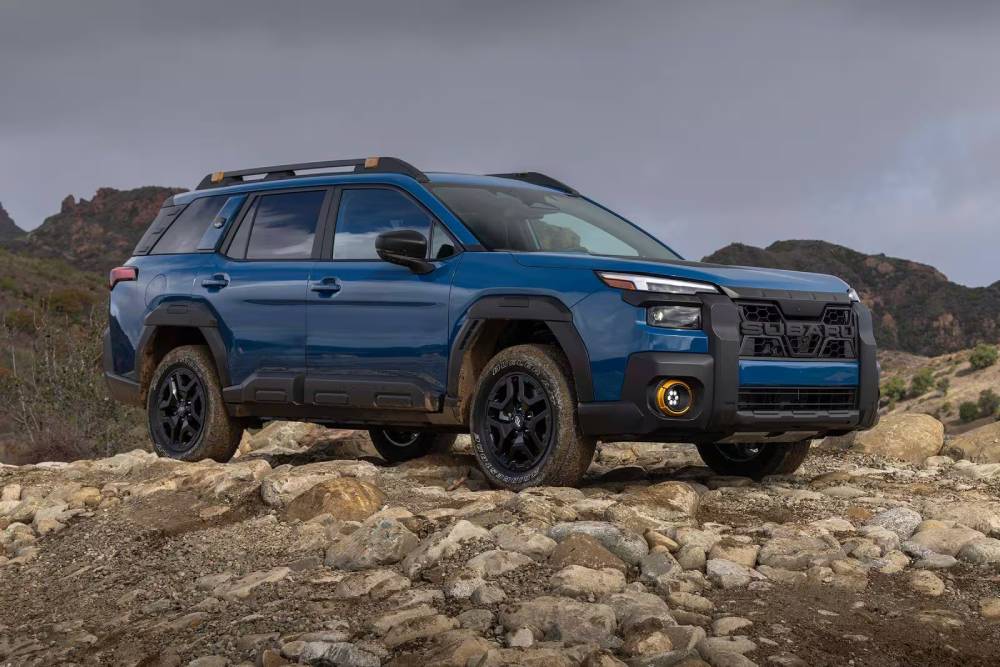
How Reliable Is the Subaru Outback in 2026?
The Subaru Outback has long been regarded as one of the most dependable vehicles in the midsize crossover segment. Its combination of practicality, standard all wheel drive capability, and strong safety credentials has helped it maintain a loyal customer base for decades. In 2026, the Outback continues to attract buyers who prioritize versatility and long term ownership value.
However, the answer to the question “Are Subaru Outbacks reliable?” is more nuanced than a simple yes or no. Overall, the Outback has demonstrated above average reliability compared with many competitors in its class, but not every model year performs equally well. Certain generations have experienced issues related to oil consumption, electronic components, and continuously variable transmissions. These concerns have led some shoppers to question whether the Outback truly deserves its positive reputation.
The reality is that many Subaru Outbacks remain on the road well beyond 200,000 miles. Owners who follow recommended maintenance schedules often report years of dependable performance with relatively few major repairs. Regular servicing, prompt attention to warning signs, and choosing a model year with a stronger reliability history can make a significant difference in the ownership experience.
For buyers seeking a vehicle capable of handling changing weather conditions, family responsibilities, and active lifestyles, the Subaru Outback remains a compelling option in 2026. Reliability may not be perfect, but it is strong enough to keep the Outback among the most respected choices in its category.
How Long Do Subaru Outbacks Last?
One of the strongest indicators of reliability is longevity. Fortunately, the Subaru Outback has built a reputation for lasting well beyond the average lifespan of many vehicles when properly maintained. It is not uncommon to find Outbacks with 200,000 miles or more still operating reliably on the road today.
Most automotive experts agree that a well cared for Subaru Outback can reasonably be expected to last between 200,000 and 250,000 miles. For drivers covering approximately 12,000 to 15,000 miles per year, this translates to roughly 13 to 17 years of ownership. Some dedicated owners have even surpassed the 300,000 mile mark by adhering strictly to maintenance schedules and addressing minor issues before they become costly repairs.
Several factors influence how long a Subaru Outback will last. Consistent oil changes, timely fluid replacements, brake maintenance, and routine inspections all contribute to extending the vehicle’s lifespan. Driving conditions also play an important role. Vehicles regularly exposed to severe climates, rough terrain, or heavy towing may experience accelerated wear compared with those used primarily for highway commuting.
Prospective buyers should understand that longevity depends not only on the engineering behind the vehicle but also on the care it receives throughout its life. A properly maintained Outback can provide years of dependable service and remain a practical choice for families and adventure seekers alike.
Common Subaru Outback Problems Owners Should Know About
Although the Subaru Outback is generally considered reliable, no vehicle is entirely free from problems. Understanding the most commonly reported issues can help buyers make informed decisions and prepare for potential maintenance needs.
One concern associated with certain older Outback models involves excessive oil consumption. Some owners reported needing to add oil between scheduled service intervals, particularly in vehicles produced during specific model years. Monitoring oil levels regularly and maintaining detailed service records can help mitigate this issue.
Another area that often generates discussion among Subaru owners is the continuously variable transmission, commonly referred to as the CVT. While many drivers experience years of trouble free operation, others have reported hesitation, unusual noises, or inconsistent performance. Following manufacturer recommendations regarding transmission maintenance may help reduce the likelihood of future complications.
Some owners have also mentioned windshield durability concerns, noting that chips or cracks appeared more easily than expected. While experiences vary, this issue has become a frequent topic within owner communities.
In addition, occasional reports of battery problems and minor electrical glitches have surfaced over the years. Symptoms may include unexpected warning lights or difficulties related to electronic accessories.
Despite these concerns, it is important to recognize that many Subaru Outback owners report positive long term ownership experiences. Being aware of potential issues does not necessarily mean they will occur. Instead, it allows buyers to approach ownership with realistic expectations and a proactive maintenance mindset.
Subaru Outback Reliability by Model Year
When evaluating the reliability of a Subaru Outback, the model year can be just as important as the vehicle’s maintenance history. While the Outback has earned a reputation for durability, some years have proven to be more dependable than others.
Among the most recommended options are the 2017 and 2019 model years. These vehicles benefited from years of refinement and generally received fewer complaints related to major mechanical failures. Owners often praise these models for their balanced performance, comfortable ride quality, and strong long term dependability.
The 2021 Subaru Outback also stands out as a solid choice. Although it belongs to a newer generation featuring updated technology and enhanced safety systems, many owners report positive ownership experiences with relatively few significant issues. Newer models from 2024 through 2026 continue to build upon these improvements, offering advanced driver assistance features and modern conveniences that appeal to today’s buyers.
On the other hand, shoppers should approach certain older model years with caution. Some Outbacks produced between 2010 and 2013 were associated with higher rates of oil consumption complaints. Early versions equipped with continuously variable transmissions also generated concerns among some owners regarding long term durability.
This does not mean that these vehicles should automatically be avoided. A well maintained Outback with comprehensive service records may still represent an excellent value. Regardless of model year, a professional pre purchase inspection remains one of the smartest investments a buyer can make.
How Much Does It Cost to Maintain a Subaru Outback?
Maintenance costs are an important consideration for anyone researching vehicle reliability. After all, a dependable vehicle should not only avoid major breakdowns but should also remain reasonably affordable to own over time.
The Subaru Outback generally falls within the average range for maintenance expenses among midsize crossover vehicles. Routine services such as oil changes, tire rotations, brake inspections, and fluid replacements are typically straightforward and predictable. Owners who follow the manufacturer’s recommended maintenance schedule often avoid many of the costly repairs associated with neglected vehicles.
Certain services may require additional budgeting as the vehicle ages. Brake replacements, battery changes, and transmission related maintenance can contribute to higher ownership expenses over the years. However, these costs are not unique to Subaru and should be expected with most vehicles driven for extended periods.
Many prospective buyers mistakenly assume that Subaru ownership automatically results in expensive repair bills. In reality, maintenance costs depend heavily on how the vehicle is used and cared for. Drivers who address small issues early often spend significantly less than those who postpone necessary repairs until problems escalate.
For families and long term owners, the Outback’s combination of durability and manageable operating costs remains one of its strongest selling points. Preventive maintenance not only protects reliability but also helps preserve resale value in the future.
Subaru Outback vs Competitors: Which Is More Reliable?
The Subaru Outback competes in a crowded market filled with highly regarded alternatives. Comparing its reliability with other popular models can help buyers determine whether it is the right fit for their needs.
The Toyota RAV4 is frequently recognized as one of the segment’s most reliable choices. It boasts a strong reputation for longevity and often appeals to buyers seeking minimal maintenance concerns. However, the Outback offers advantages in terms of standard all wheel drive capability and a wagon inspired design that provides excellent cargo flexibility.
The Honda CR V also remains a strong competitor. Known for its fuel efficiency and practical interior layout, the CR V attracts drivers who prioritize everyday usability and a comfortable driving experience. Reliability ratings between the Outback and CR V tend to be closely matched, making personal preferences and lifestyle requirements key deciding factors.
Another alternative worth considering is the Subaru Forester. Sharing several engineering characteristics with the Outback, the Forester delivers similar all weather confidence while emphasizing a more traditional sport utility vehicle design. Buyers who value additional cargo versatility and a lower driving position may gravitate toward the Outback instead.
Ultimately, the most reliable vehicle is often the one that aligns best with an owner’s expectations and maintenance habits. While competitors may outperform the Outback in certain areas, the Subaru continues to distinguish itself through its blend of capability, comfort, and long term practicality.
What Do Real Subaru Outback Owners Say?
Owner experiences often provide valuable insights that go beyond reliability ratings and expert reviews. While professional evaluations can highlight common trends, long term owners offer a realistic perspective on what it is actually like to live with a Subaru Outback every day.
Many Outback owners praise the vehicle for its exceptional versatility. Families appreciate the spacious cabin and generous cargo area, while outdoor enthusiasts value the confidence that comes with standard all wheel drive. Drivers living in regions with harsh winters frequently describe the Outback as dependable in challenging weather conditions, providing peace of mind during snow and heavy rain.
Ride comfort is another commonly mentioned strength. Owners often note that the Outback delivers a smooth driving experience suitable for both daily commuting and long distance travel. Excellent outward visibility and user friendly practicality further contribute to high satisfaction levels among long term drivers.
However, not every ownership experience is perfect. Some drivers express frustration with the driving characteristics of the continuously variable transmission, particularly when accelerating. Others mention occasional concerns related to infotainment responsiveness or minor electronic glitches. Despite these criticisms, many owners continue to purchase additional Subaru vehicles because of the positive experiences they have had over years of ownership.
The consistency of owner loyalty speaks volumes about the Outback’s overall appeal. While no vehicle is without flaws, the Subaru Outback continues to earn the trust of drivers seeking reliability combined with real world functionality.
Is a Used Subaru Outback Worth Buying in 2026?
Purchasing a used Subaru Outback can be an excellent way to enjoy the benefits of this versatile vehicle while avoiding the higher costs associated with buying new. For budget conscious shoppers, a well maintained pre owned Outback may represent one of the best values in the crossover market.
The key to a successful used vehicle purchase lies in careful research and preparation. Buyers should prioritize vehicles with documented maintenance histories, as regular servicing often indicates responsible ownership. Service records can reveal whether important maintenance tasks have been completed and whether recurring issues have been addressed appropriately.
A professional pre purchase inspection is strongly recommended before finalizing any transaction. An experienced mechanic can identify hidden problems that may not be obvious during a standard test drive. Particular attention should be paid to transmission performance, fluid condition, engine operation, and signs of previous accident damage.
Mileage should also be evaluated within the context of maintenance history. A higher mileage Outback that has been consistently maintained may prove more reliable than a lower mileage vehicle that has experienced neglect. Buyers should not automatically dismiss vehicles simply because they have accumulated significant mileage.
For many consumers, a used Subaru Outback offers an appealing balance of affordability, capability, and long term dependability. Selecting the right model year and conducting thorough due diligence can greatly increase the likelihood of a satisfying ownership experience.
Should You Buy a Subaru Outback in 2026?
The decision to purchase a Subaru Outback ultimately depends on your priorities as a driver. If you value practicality, year round capability, and the potential for long lasting performance, the Outback deserves serious consideration.
Among its greatest strengths are standard all wheel drive, strong safety credentials, impressive cargo capacity, and a reputation for enduring high mileage when properly maintained. These qualities make it especially attractive to families, commuters, and individuals with active lifestyles.
At the same time, buyers should approach the purchase with realistic expectations. Certain model years have experienced reliability concerns that warrant additional research. Maintenance requirements should not be ignored, and prospective owners should budget appropriately for routine servicing throughout the life of the vehicle.
Compared with many competitors, the Subaru Outback offers a distinctive combination of wagon like practicality and sport utility capability. It may not be the perfect choice for every buyer, but for those seeking versatility without sacrificing comfort, it remains one of the most compelling options available in 2026.
If reliability is your primary concern, focusing on well regarded model years and prioritizing vehicles with strong maintenance records can significantly improve your ownership experience. With the right approach, a Subaru Outback has the potential to provide many years of dependable service.
Conclusion
So, are Subaru Outbacks reliable? The answer is yes, but with important considerations. Overall, the Subaru Outback has demonstrated that it can be a durable and trustworthy vehicle capable of exceeding 200,000 miles when properly maintained. Its combination of practicality, safety, and all weather confidence continues to attract a diverse range of drivers.
Like any vehicle, the Outback has experienced challenges throughout its history. Certain model years have been associated with issues involving oil consumption, transmission concerns, and minor electrical problems. However, these factors should be viewed within the broader context of the vehicle’s long standing reputation for longevity and owner satisfaction.
For prospective buyers, the most effective strategy involves researching specific model years, reviewing maintenance histories carefully, and investing in a professional inspection before making a purchase decision. Reliability is often influenced as much by ownership habits as by engineering design.
The Subaru Outback may not be flawless, but few vehicles are. What sets it apart is its ability to adapt to a wide variety of lifestyles while delivering the potential for years of dependable performance. Whether you are planning family road trips, navigating difficult weather conditions, or simply searching for a practical daily driver, the Outback remains a strong contender worth considering in 2026.
If you are shopping for your next vehicle, take the time to evaluate your priorities and compare your options carefully. For many drivers, the Subaru Outback continues to prove that reliability and versatility can successfully go hand in hand.