Few situations are more frustrating for a Subaru owner than discovering that the key will not come out of the ignition. Whether you are rushing to work, picking up your children from school, or finishing a long road trip, a stuck key can quickly turn a normal day into an unexpected headache. While some ignition issues may result from regular wear and tear, others could be linked to a manufacturer recall that requires immediate attention.
The Subaru key stuck in ignition recall has raised concerns among drivers who want to understand whether their vehicle is affected and what steps they should take next. Questions about safety, repair costs, and the inconvenience of dealership visits often leave owners feeling uncertain about the best course of action. Ignoring the problem, however, could lead to further complications and unnecessary stress down the road.
The good news is that recall-related repairs are typically designed to address the issue before it develops into a more serious problem. Knowing how to identify warning signs, check your vehicle’s recall status, and understand the repair process can help you protect both your time and your peace of mind.
In this guide, we will explain everything Subaru owners need to know about the Subaru key stuck in ignition recall. You will learn which models may be affected, how to determine if your vehicle qualifies for recall service, what to do if your key is already stuck, and what to expect during the repair process. By the end of this article, you will have the information needed to make confident decisions and keep your Subaru operating safely and reliably.
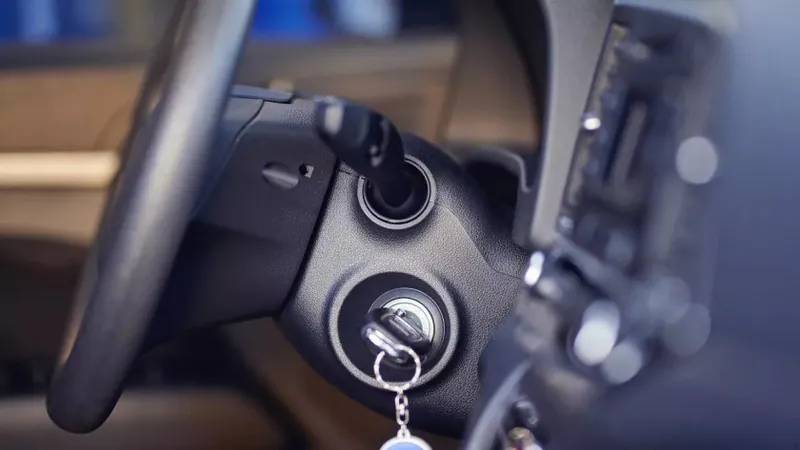
Understanding the Subaru Key Stuck in Ignition Recall
Vehicle recalls are issued when manufacturers identify defects that could affect the safety, performance, or reliability of their products. In the case of the Subaru key stuck in ignition recall, certain Subaru owners reported problems involving keys becoming difficult or impossible to remove from the ignition switch. What initially appeared to be an isolated inconvenience eventually prompted further investigation into the components associated with the ignition system.
For many drivers, a key that remains trapped in the ignition is more than a minor annoyance. It can disrupt daily routines, create uncertainty about whether the vehicle can be safely operated, and increase anxiety about potential repair costs. In some situations, owners may worry about leaving their vehicles unattended or becoming stranded away from home.
One of the biggest misconceptions is that every ignition problem automatically falls under a recall. In reality, recalls apply only to specific vehicles identified by the manufacturer and regulatory authorities. That is why it is essential for Subaru owners to verify whether their vehicle is included in an official recall campaign rather than assuming the issue is simply due to age or normal wear.
Understanding the nature of the recall empowers owners to take appropriate action quickly. By staying informed, scheduling necessary inspections, and addressing any symptoms early, drivers can reduce inconvenience and maintain confidence in the safety and dependability of their Subaru vehicles.
Which Subaru Models Were Affected?
One of the first questions owners ask is whether their specific Subaru model is included in the recall. The answer depends on several factors, including the model year, manufacturing period, and the market where the vehicle was originally sold. Not every Subaru experiencing ignition-related symptoms is automatically covered under the same recall program.
Subaru has issued various recalls throughout the years involving different components and vehicle lines. Because recall eligibility can change over time, relying solely on online discussions or information from other vehicle owners may lead to confusion. A vehicle that appears identical to another may have been produced during a different manufacturing period and therefore may not qualify for the same corrective action.
Owners should pay close attention to official recall notifications and verify information using their vehicle identification number, commonly known as the VIN. This seventeen-character identifier provides the most accurate method for determining whether a particular vehicle is affected by an active recall.
Even if your Subaru has never exhibited symptoms such as a stuck key or ignition difficulties, checking your VIN remains a smart precaution. Early identification of recall eligibility allows owners to schedule repairs before the issue disrupts their daily lives. Taking a proactive approach can save time, reduce stress, and ensure that any manufacturer-supported repairs are completed as intended.
Common Signs Your Subaru May Have This Issue
Ignition-related problems often begin with subtle warning signs that are easy to overlook. Many drivers dismiss these early symptoms because the issue appears inconsistent or temporary. However, recognizing these indicators may help prevent a more frustrating situation later.
One of the most common signs is difficulty removing the key after shifting the vehicle into the park position. Drivers may need to wiggle the key repeatedly or attempt several times before it can be released from the ignition. Although the problem may resolve itself initially, repeated occurrences should not be ignored.
Another warning sign involves intermittent behavior. The key may function normally for weeks before unexpectedly becoming stuck again. This inconsistency often causes owners to delay seeking assistance because they assume the problem has disappeared. Unfortunately, intermittent symptoms can gradually become more frequent over time.
Some drivers also notice unusual resistance within the ignition cylinder or changes in the feel of the steering wheel lock mechanism. The ignition may seem less smooth than usual, or the vehicle may require additional effort to complete normal shutdown procedures. While these symptoms do not automatically confirm the presence of a recall-related defect, they do warrant closer attention.
Recognizing these signs early allows Subaru owners to investigate the cause before the problem escalates into a significant disruption. If you experience repeated ignition difficulties, documenting when the symptoms occur and consulting a Subaru dealership can help determine whether further inspection is necessary.
What Causes the Key to Get Stuck in the Ignition?
A key that becomes stuck in the ignition can result from several different factors, and identifying the underlying cause is essential for determining the appropriate solution. While some cases may be associated with a recall, others are simply the result of normal wear that develops over years of vehicle use.
One possible cause involves the ignition lock mechanism itself. Like many mechanical components, the internal parts of the ignition cylinder experience gradual wear over time. Frequent use can lead to reduced precision within the system, making it more difficult for the key to engage or disengage smoothly.
Another factor may involve the vehicle’s shift interlock system. Modern vehicles are designed to prevent the key from being removed unless the transmission is fully shifted into the park position. If components within this system become misaligned or fail to function correctly, the vehicle may mistakenly interpret that it is not securely in park, preventing key release.
Debris and dirt accumulation can also contribute to ignition problems. Small particles may enter the ignition cylinder through everyday use, creating resistance that interferes with normal operation. In some situations, a worn or damaged key may worsen the problem by failing to align properly with the ignition components.
The important distinction for Subaru owners is understanding that not every stuck key situation qualifies as a recall issue. A recall generally addresses a defect identified by the manufacturer that affects a defined group of vehicles. If your Subaru experiences persistent ignition problems, obtaining a professional evaluation can help determine whether the issue stems from a recall-related condition or routine mechanical wear.
How to Check If Your Subaru Is Included in the Recall
Determining whether your Subaru qualifies for recall repairs is often simpler than many owners expect. The most effective method involves locating your vehicle identification number and using it to verify the status of your vehicle through official channels.
The VIN is a unique seventeen-character code assigned to every vehicle. Subaru owners can usually find this number on the dashboard near the windshield on the driver’s side. It may also appear on the certification label inside the driver’s door frame, vehicle registration documents, or insurance records. Taking a few moments to confirm the VIN accurately is important because even a single incorrect character may produce inaccurate results.
Once you have your VIN, you can use Subaru’s recall lookup resources or contact an authorized Subaru dealership for assistance. Dealership representatives can review your vehicle’s history, identify any open recall campaigns, and explain whether your Subaru requires inspection or repair.
Owners should not assume that the absence of obvious symptoms means their vehicle is unaffected. Some recall conditions develop gradually, while others may not become noticeable until specific circumstances occur. Performing a recall check periodically is a responsible step that supports long-term vehicle safety and reliability.
If your Subaru is found to be part of an active recall, schedule the recommended service appointment as soon as practical. Addressing the issue promptly can help minimize inconvenience and provide reassurance that your vehicle has received the necessary attention.
What to Do If Your Subaru Key Is Currently Stuck
Discovering that your key will not come out of the ignition can be stressful, particularly if you are away from home or operating on a tight schedule. Remaining calm and approaching the situation methodically can often prevent additional complications.
The first step is to avoid forcing the key. Applying excessive pressure may damage the key itself or create additional strain on ignition components. Instead, confirm that the vehicle has been shifted completely into the park position. In some cases, moving the gear selector firmly into park may allow the ignition system to release the key normally.
It is also helpful to check whether tension in the steering wheel is affecting the ignition lock mechanism. Gently adjusting the steering wheel while attempting to remove the key may relieve pressure within the system. These actions should always be performed carefully and without excessive force.
If the key remains stuck despite these efforts, contacting an authorized Subaru dealership or roadside assistance provider is advisable. Trained professionals can evaluate the situation safely and determine whether the issue is connected to an active recall or another mechanical concern requiring repair.
Although a stuck key can disrupt your plans and create understandable frustration, seeking assistance promptly is often the most effective approach. Early intervention may help prevent further inconvenience and ensure that any underlying issue receives proper attention before it worsens.
What Happens During the Recall Repair Process?
Learning that your vehicle requires recall-related repairs can understandably raise concerns about time, inconvenience, and potential expenses. Fortunately, the recall process is typically designed to be as straightforward as possible for Subaru owners.
Once you confirm that your vehicle is affected by an active recall, the next step is to schedule an appointment with an authorized Subaru dealership. When contacting the service department, be prepared to provide your VIN and describe any symptoms you have experienced, such as difficulty removing the key from the ignition or intermittent ignition issues. Sharing this information in advance can help the dealership prepare for your visit.
During the appointment, technicians will inspect the relevant components according to Subaru’s recall procedures. Depending on the specific recall instructions, the repair may involve adjusting, repairing, or replacing parts associated with the ignition system. Because recall campaigns follow manufacturer guidelines, the work is performed using approved methods intended to address the identified defect effectively.
Many owners worry about repair costs, but recall-related repairs are generally completed at no charge to the customer. This financial relief can provide significant peace of mind, particularly for drivers who were concerned about unexpected automotive expenses. However, owners should always confirm the details of their specific recall with the dealership, as individual circumstances may vary.
The amount of time required for repairs depends on factors such as the nature of the recall, technician availability, and parts inventory. Some vehicles may be serviced within a few hours, while others could require additional scheduling considerations. Asking about estimated completion times when arranging your appointment can help you plan transportation needs accordingly.
Completing recall repairs promptly not only resolves the immediate concern but also contributes to the overall safety and reliability of your vehicle. Addressing manufacturer-identified defects demonstrates proactive vehicle ownership and reduces the likelihood of future inconvenience related to the same issue.
Is It Safe to Continue Driving?
Many Subaru owners wonder whether they can continue using their vehicles after learning about a recall involving ignition-related concerns. The answer depends largely on the severity of the symptoms being experienced and the guidance provided by Subaru regarding the specific recall campaign.
If your vehicle is operating normally and you have not noticed any ignition-related problems, it may still be possible to drive the vehicle while awaiting your scheduled repair appointment. However, owners should remain attentive to any changes in vehicle behavior and follow recommendations provided by authorized Subaru representatives.
On the other hand, recurring symptoms should never be ignored. If your key frequently becomes difficult to remove, remains stuck in the ignition, or is accompanied by other unusual ignition behavior, it is wise to seek professional evaluation without delay. Continuing to operate a vehicle exhibiting persistent symptoms could increase inconvenience and potentially lead to situations where you are unable to secure or restart your vehicle as expected.
Safety extends beyond the mechanical aspects of the vehicle itself. The uncertainty associated with unresolved ignition problems can create unnecessary stress and distraction for drivers. Knowing that your Subaru has received the appropriate recall service allows you to focus on the road with greater confidence.
When in doubt, contact an authorized Subaru dealership for guidance tailored to your situation. Service professionals can assess your concerns, review your vehicle’s recall status, and help determine the most appropriate course of action based on the symptoms you have observed.
Frequently Asked Questions
Is the recall repair free?
In most cases, repairs performed under an official recall campaign are completed at no cost to the vehicle owner. Manufacturers typically cover the expense of correcting defects identified through the recall process. Owners should confirm eligibility using their VIN and consult their dealership for details specific to their vehicle.
Can a dealership refuse to perform recall repairs?
Authorized dealerships generally perform recall repairs for eligible vehicles according to manufacturer guidelines. If you encounter difficulties scheduling service, contacting Subaru customer support may help clarify available options and facilitate the repair process.
What if my Subaru has similar symptoms but is not included in the recall?
Experiencing a stuck key does not automatically indicate that your vehicle qualifies for recall service. Ignition problems may result from routine wear, damaged components, or unrelated mechanical issues. In these situations, a professional inspection can help identify the cause and determine the most appropriate repair solution.
Will a recall affect my vehicle’s value?
Completing recall repairs promptly often benefits owners by demonstrating that manufacturer-recommended corrective actions have been addressed. Prospective buyers generally appreciate documentation showing that applicable recalls have been resolved appropriately.
Can the issue return after the recall repair?
Recall repairs are intended to address the identified defect according to manufacturer specifications. While no mechanical system is entirely immune to future wear over the lifetime of a vehicle, completing the recommended repair significantly reduces concerns associated with the specific recall condition.
How often should I check for vehicle recalls?
Even if your Subaru is performing normally, periodically reviewing recall information is a good habit. Manufacturers occasionally issue new recalls affecting previously sold vehicles. Staying informed helps ensure that important updates are addressed in a timely manner.
Conclusion
Dealing with a key stuck in the ignition can be both frustrating and disruptive, especially when it interferes with daily responsibilities and travel plans. Understanding the Subaru key stuck in ignition recall empowers owners to respond calmly and make informed decisions about their vehicles.
The most important step is determining whether your Subaru is included in an active recall campaign. Checking your VIN, monitoring for warning signs, and seeking professional guidance when symptoms arise can help prevent unnecessary stress and inconvenience. Ignoring persistent ignition issues may allow minor problems to develop into more significant concerns over time.
For many drivers, a Subaru represents reliability, safety, and the freedom to navigate everyday life with confidence. Whether it is transporting family members, commuting to work, or embarking on weekend adventures, maintaining your vehicle properly contributes to the experiences that matter most.
If you suspect your vehicle may be affected by the Subaru key stuck in ignition recall, do not postpone taking action. Verify your recall status, schedule any recommended repairs, and consult an authorized Subaru dealership whenever questions arise. A proactive approach today can help preserve your peace of mind and keep your Subaru performing at its best for years to come.