Unexpected engine problems can cost thousands of dollars and create serious stress for any vehicle owner. Many Kia drivers search for answers after hearing unusual engine noises, noticing poor performance, or facing a sudden engine failure. In these situations, the Kia Engine Warranty Extension may provide valuable protection and reduce expensive repair costs.
Many owners do not realize that Kia introduced extended warranty coverage for certain vehicles with specific engine concerns. This program helps eligible owners receive covered repairs when their vehicles meet the required conditions. As a result, understanding your warranty rights can save both time and money.
Eligibility is not the same for every Kia model. Your vehicle identification number, model year, engine type, maintenance history, and software update status all play an important role. Therefore, you should verify your eligibility before approving any major engine repair.
This guide explains every important detail about the Kia Engine Warranty Extension in 2026. You will learn which vehicles may qualify, what engine problems the program covers, how to check your eligibility, and how to file a warranty claim. You will also find answers to common questions that many Kia owners ask before visiting a dealership.
What Is the Kia Engine Warranty Extension?
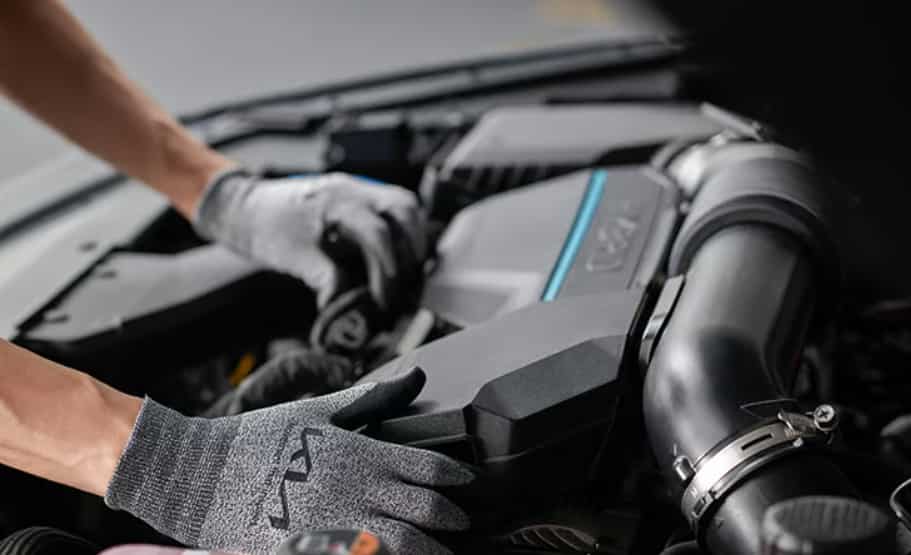
The Kia Engine Warranty Extension is a special warranty program that provides additional protection for certain Kia vehicles with qualifying engine issues. Kia introduced this program after identifying specific engine defects that could lead to premature engine failure. The goal is to help eligible owners avoid high repair costs and improve confidence in long term vehicle ownership.
Unlike the original factory warranty, the engine warranty extension focuses on specific engine related problems instead of providing broad vehicle coverage. It only applies to vehicles that meet the program requirements. Your vehicle identification number, engine type, model year, and service history all help determine whether your Kia qualifies.
Many owners confuse the Kia Engine Warranty Extension with the standard powertrain warranty. Although both programs protect important vehicle components, they do not offer the same coverage. The standard powertrain warranty covers a wide range of mechanical parts for a limited period. In contrast, the engine warranty extension addresses specific engine defects identified through warranty programs or legal settlements.
The program does not cover every engine problem. Instead, it focuses on qualifying failures linked to manufacturing defects. These issues may include connecting rod bearing damage, engine knocking, engine seizure, or other related failures. If the damage meets the program requirements, Kia may repair or replace the engine at no cost to the eligible owner.
It is also important to understand that eligibility varies from one vehicle to another. Two Kia vehicles with the same model year may not receive the same coverage. For this reason, owners should always verify their eligibility before paying for major engine repairs. Checking your VIN and reviewing your service records can help you understand your warranty status and avoid unnecessary expenses.
Learning how the Kia Engine Warranty Extension works is the first step toward protecting your investment. Once you understand the purpose of the program, it becomes much easier to determine whether your vehicle qualifies and what actions you should take if engine problems appear.
Why Did Kia Extend Engine Warranty Coverage?
Kia introduced the Kia Engine Warranty Extension to address specific engine defects that affected certain vehicles. Some owners reported unusual engine noise, loss of power, excessive oil consumption, or complete engine failure. These problems often appeared without warning and led to costly repairs.
Engine investigations identified abnormal wear in some internal components. In many cases, connecting rod bearings wore out much earlier than expected. As the damage increased, drivers could hear knocking sounds, experience reduced performance, or face sudden engine seizure. These failures raised safety concerns because an engine could stop while the vehicle was in motion.
To reduce these risks, Kia launched several warranty extension programs for eligible vehicles. The company also introduced software updates that help detect early signs of engine damage. This technology allows the vehicle to warn the driver before a severe engine failure occurs. Early detection gives owners more time to schedule an inspection and prevent additional damage.
The Kia Engine Warranty Extension also reflects the company’s effort to support customers after investigations and legal settlements involving certain engine families. These programs provide additional protection for qualified vehicles that meet specific requirements. However, the available coverage may differ depending on the model, engine type, production year, and repair history.
Many owners assume that every Kia vehicle automatically qualifies for the extended warranty. This assumption is incorrect. Eligibility depends on several factors, including the vehicle identification number, previous repairs, maintenance records, and required software updates. A dealership or an official VIN lookup can confirm whether your vehicle qualifies.
Understanding why Kia created this program helps owners make informed decisions. Instead of paying for expensive repairs immediately, you should first verify your eligibility. A simple warranty check could save you thousands of dollars if your vehicle qualifies for covered engine repairs or replacement.
Which Kia Models May Be Eligible?
The Kia Engine Warranty Extension does not cover every Kia vehicle. Instead, it applies to specific models, engine types, and production years that meet the program requirements. Many owners assume their vehicle automatically qualifies because it belongs to a certain model. However, eligibility depends on much more than the model name. Kia also reviews the vehicle identification number, engine configuration, service history, and other important records before approving warranty coverage.
Several popular Kia models may qualify for the Kia Engine Warranty Extension. These include the Kia Optima, Kia Sorento, Kia Sportage, Kia Forte, Kia Soul, and selected Kia K5 models. Many eligible vehicles use GDI engines that were included in warranty extension programs after certain engine concerns came to light. Even so, not every vehicle within these model ranges receives the same protection. Two vehicles with the same model year may have different warranty status because they were built with different engines or production specifications.
The vehicle identification number remains the most reliable way to confirm eligibility. A VIN check allows Kia to identify the exact engine installed in your vehicle and determine whether it qualifies for additional warranty coverage. The review also considers previous repairs, completed service campaigns, and required software updates. Because these factors affect the final decision, owners should verify their eligibility before paying for expensive engine repairs.
Checking your eligibility only takes a few minutes, but it can save a significant amount of money. If your vehicle qualifies, the Kia Engine Warranty Extension may cover repairs or even a complete engine replacement for specific manufacturing related defects. For this reason, every Kia owner who experiences engine problems should confirm their warranty status before making any repair decisions.
What Engine Problems Are Covered?
The Kia Engine Warranty Extension focuses on specific engine defects that may lead to serious mechanical failure. While the program does not cover every engine issue, it provides protection for qualifying problems linked to manufacturing defects. Understanding what the warranty covers can help owners avoid unnecessary repair costs and make informed decisions when engine symptoms appear.
One of the most common covered issues involves connecting rod bearing damage. As these bearings wear prematurely, they can create metal debris inside the engine and reduce proper lubrication. Drivers often notice a knocking sound during acceleration or while the engine is idling. If the problem continues, the engine may lose power, stall unexpectedly, or seize completely. In many eligible cases, the warranty extension may cover the necessary repair or engine replacement after the vehicle passes the required inspection.
Some owners also report warning lights, reduced engine performance, excessive vibration, or unusual noises before a major failure occurs. These symptoms should never be ignored because they often indicate internal engine damage. Scheduling an inspection as soon as possible allows technicians to diagnose the problem before additional components become damaged. Early action may also improve the likelihood of receiving warranty coverage.
It is important to remember that the Kia Engine Warranty Extension only applies to qualifying engine failures. Problems caused by poor maintenance, accidents, modifications, overheating, or normal wear usually fall outside the program. For this reason, owners should keep maintenance records and follow the recommended service schedule. Proper documentation helps support a warranty claim and makes it easier to confirm that the engine failure resulted from a covered manufacturing defect rather than external factors.
What Is Not Covered Under the Kia Engine Warranty Extension?
Although the Kia Engine Warranty Extension provides valuable protection, it does not cover every type of engine damage. The program focuses on qualifying manufacturing defects rather than problems caused by normal vehicle ownership or external factors. Understanding these exclusions helps owners set realistic expectations before submitting a warranty claim.
One of the most common reasons for a denied claim is poor vehicle maintenance. Owners who skip scheduled oil changes or use the wrong engine oil may have difficulty proving that a manufacturing defect caused the failure. Missing service records can also make the inspection process more challenging. Keeping detailed maintenance documents remains one of the best ways to support a warranty claim.
The warranty extension also excludes damage caused by accidents, collisions, flooding, fire, or other outside events. Likewise, engine failures that result from racing, improper modifications, aftermarket performance parts, or unauthorized repairs usually do not qualify for coverage. If these factors contribute to the damage, the owner is generally responsible for the repair costs.
In some situations, the warranty may not apply if the required software update has not been completed. Certain vehicles require specific diagnostic updates that help detect early signs of engine problems. Ignoring these service campaigns may affect warranty eligibility, depending on the vehicle and the applicable program.
Owners should also remember that the Kia Engine Warranty Extension only covers qualifying engine related defects. It does not include routine maintenance, brake components, suspension parts, electrical systems, tires, batteries, or cosmetic damage. Before approving any major repair, it is always a good idea to ask the dealership which repairs qualify under the warranty and which expenses remain the owner’s responsibility. Taking this step can prevent unexpected costs and reduce confusion during the claims process.
How to Check If Your Kia Qualifies
Checking your eligibility for the Kia Engine Warranty Extension is a simple process, but it can save you from paying thousands of dollars for unnecessary engine repairs. Many owners wait until their engine fails before asking about warranty coverage. However, confirming your eligibility as soon as you notice engine symptoms gives you more options and helps you avoid costly mistakes.
The first step is to locate your Vehicle Identification Number, also known as the VIN. You can find this number on the driver’s side dashboard, inside the driver’s door frame, or on your vehicle registration documents. The VIN allows Kia to identify your vehicle’s production details, engine type, factory specifications, and warranty history. This information plays a key role in determining whether your vehicle qualifies for extended engine coverage.
After locating the VIN, contact an authorized Kia dealership or use the official Kia VIN lookup tool if it is available in your region. A dealership can review your warranty status, check for open service campaigns, and confirm whether your vehicle meets the requirements for the Kia Engine Warranty Extension. During this process, technicians may also verify whether your vehicle has received all required software updates and previous warranty repairs.
You should also gather your maintenance records before requesting a warranty inspection. Documents that show regular oil changes and scheduled maintenance can help demonstrate that you properly cared for your vehicle. Complete service records often make the review process smoother and reduce questions about the cause of engine damage.
Once the inspection is complete, the dealership will explain whether your vehicle qualifies for coverage and what repairs the warranty may include. If your Kia meets all program requirements, you may receive covered engine repairs or even a replacement engine. Taking a few minutes to verify your eligibility today can help you avoid unexpected expenses and protect your investment in the future.
How to File a Kia Engine Warranty Claim
Filing a claim under the Kia Engine Warranty Extension requires a clear process that starts with proper documentation and a dealership inspection. Many owners feel unsure about what steps to take, especially when their engine begins to show warning signs such as knocking noises, reduced power, or sudden stalling. Acting quickly improves your chances of receiving coverage if your vehicle qualifies.
The first step is to schedule an appointment with an authorized Kia dealership. During this visit, a certified technician will inspect your engine and diagnose the problem. The technician will check whether the failure matches the conditions covered under the warranty extension. If the issue relates to a qualifying manufacturing defect, the dealership will move forward with the warranty evaluation process.
Next, the dealership will review your Vehicle Identification Number and service history. They will also check whether your vehicle has completed all required software updates and service campaigns. These updates are important because they help detect early signs of engine damage. If your records show regular maintenance and compliance with service requirements, your claim may move forward more smoothly.
In some cases, the dealership may request additional documentation such as oil change records, repair invoices, or towing receipts. Providing complete and accurate information helps support your claim and reduces delays. Once the evaluation is complete, Kia will determine whether the engine repair or replacement is covered under the Kia Engine Warranty Extension.
If your claim is approved, the dealership will repair or replace the engine at no cost depending on the level of damage. If the claim is denied, you should request a written explanation and review your eligibility again using your VIN. Understanding this process helps you stay prepared and increases your chances of receiving the maximum benefit from the warranty program.
Kia Engine Warranty Extension vs Kia Powertrain Warranty
The Kia Engine Warranty Extension and the Kia powertrain warranty often confuse many vehicle owners because both programs involve engine protection. However, they serve different purposes and follow different coverage rules. Understanding the difference helps you avoid misunderstandings when you face engine problems and need repair support.
The standard Kia powertrain warranty is part of the original factory warranty. It covers major mechanical components such as the engine, transmission, and drivetrain for a limited period. This warranty applies to most new Kia vehicles and protects against a wide range of mechanical defects during the coverage period. Once the warranty expires, owners are usually responsible for all repair costs unless additional coverage applies.
The Kia Engine Warranty Extension works differently. It focuses only on specific engine related defects that were identified in certain Kia models. This program does not act as a general warranty for all engine problems. Instead, it targets known issues such as connecting rod bearing failure and related internal engine damage. If a vehicle qualifies, the program may extend coverage beyond the original factory warranty period.
Another key difference is eligibility. The powertrain warranty automatically applies to all new Kia vehicles within the coverage period. In contrast, the engine warranty extension depends on several factors such as VIN status, engine type, service history, and completion of required software updates. Two vehicles with the same model can have different coverage outcomes depending on these conditions.
In terms of repair scope, the powertrain warranty covers a broad range of mechanical failures, while the Kia Engine Warranty Extension focuses only on qualifying engine defects. This makes the extension more specialized but also more limited in scope. Owners should always check both warranties before approving major repairs to ensure they receive the maximum available coverage for their vehicle.
Common Reasons Kia Engine Warranty Claims Are Denied
A claim under the Kia Engine Warranty Extension can be denied for several reasons, even when the engine shows serious problems. Understanding these reasons helps owners avoid mistakes and improve their chances of approval. Many denials happen not because the engine is fine, but because the vehicle does not meet specific program requirements.
One of the most common reasons is missing eligibility. The warranty extension only applies to certain vehicles based on VIN, engine type, and production details. If the vehicle is not part of the eligible group, the claim will not be approved regardless of the engine condition. This is why a VIN check is always the first step before starting any repair process.
Another frequent issue is incomplete maintenance history. Kia requires proof that the owner followed regular maintenance schedules, especially oil changes. Poor documentation or long gaps between services can raise concerns about whether the engine failure resulted from neglect rather than a manufacturing defect. In such cases, the dealership may reject the claim.
Failure to complete required software updates can also affect eligibility. Some vehicles need specific updates that help detect early engine problems. If these updates are missing, the warranty coverage may be limited or denied depending on the situation. Dealerships usually verify update history during the inspection process.
Claims may also be denied if the damage is caused by external factors. These include accidents, overheating, racing, improper modifications, or the use of non approved parts. The Kia Engine Warranty Extension only covers qualifying manufacturing defects, not damage caused by external misuse or wear and tear.
When a claim is denied, owners should request a written explanation and review their VIN status again. In some cases, missing documents or incomplete service records can be corrected, which may improve the outcome after reevaluation.
What to Do If Kia Denies Your Engine Warranty Claim
A denied claim under the Kia Engine Warranty Extension can feel frustrating, especially when your engine shows clear signs of failure. However, a denial does not always mean the end of the process. In many cases, owners can take additional steps to review the decision and potentially improve their outcome.
The first step is to request a detailed written explanation from the dealership. This document should clearly state why your claim was denied. It may include reasons such as missing eligibility, incomplete maintenance records, or failure to meet specific warranty conditions. Understanding the exact reason helps you decide what to do next and whether the decision can be challenged.
Next, review your Vehicle Identification Number status again. Sometimes eligibility issues arise due to missing data, incorrect records, or overlooked service updates. You should also double check your maintenance history to ensure all oil changes and scheduled services are properly documented. In some situations, providing additional proof can help clarify your case.
If your claim involves missing software updates, you should schedule a service appointment to complete them. These updates are important because they help monitor engine performance and detect early warning signs. Completing them will not guarantee approval, but it can strengthen your position if you request a reevaluation.
You may also contact Kia customer support or the warranty program administrator for further assistance. In some cases, they can review your claim independently of the dealership. If your situation involves a confirmed manufacturing defect, escalation may lead to a different outcome.
Finally, if you still believe your engine failure qualifies under the Kia Engine Warranty Extension, you can request a second inspection at another authorized dealership. Different technicians may interpret the evidence differently, especially when documentation is incomplete or unclear. Taking these steps helps ensure that your claim receives full and fair consideration.
FAQs About Kia Engine Warranty Extension
The Kia Engine Warranty Extension raises many questions among vehicle owners, especially those dealing with engine noise, performance loss, or unexpected failure. Below are the most common questions and clear answers to help you understand how the program works and what you can expect.
One of the most frequent questions is whether the warranty extension is still active in 2026. In many cases, the program continues to apply to eligible vehicles based on VIN status and prior settlement or warranty terms. However, coverage details can vary depending on model year, engine type, and service history, so verification remains essential.
Many owners also ask whether used Kia vehicles qualify. In general, eligibility does not depend on ownership history but on whether the vehicle meets the program requirements. If the VIN is included in the coverage list and the vehicle has completed required service updates, a used Kia may still qualify for engine repairs under the extension.
Another common question concerns engine replacement costs. If your vehicle qualifies and the engine failure meets program conditions, Kia may cover the repair or full engine replacement at no cost. However, coverage only applies when the failure is linked to approved manufacturing defects.
Owners also want to know whether the warranty transfers to a second owner. In many cases, coverage remains valid as long as the vehicle continues to meet eligibility requirements. This makes VIN verification the most important step regardless of ownership changes.
Some drivers ask whether oil consumption issues are covered. In certain cases, excessive oil consumption may indicate underlying engine damage that qualifies for inspection and possible coverage. However, approval depends on diagnostic results and warranty criteria.
Finally, many people wonder how long approval takes. The timeline varies depending on dealership inspection, documentation review, and Kia authorization. Some claims are resolved quickly, while others require additional verification before approval.
Understanding these FAQs helps owners make better decisions before paying for expensive repairs and ensures they use the full benefits of the Kia Engine Warranty Extension when eligible.
Conclusion
The Kia Engine Warranty Extension plays an important role in helping eligible owners reduce the financial burden of major engine repairs. It focuses on specific engine defects rather than general vehicle issues, which makes eligibility highly dependent on your Vehicle Identification Number, engine type, maintenance history, and required service updates. Because of these strict conditions, every Kia owner should verify their coverage before paying for expensive engine diagnostics or repairs.
Throughout this guide, you learned how the program works, which Kia models may qualify, what engine problems are covered, and what situations fall outside the warranty. You also explored how to check your eligibility, how to file a claim, and what steps to take if a claim is denied. Each of these stages plays an important role in protecting your vehicle and avoiding unnecessary repair costs.
Many engine issues begin with small warning signs such as knocking sounds, reduced performance, or warning lights. Taking early action and scheduling a dealership inspection can significantly improve your chances of receiving coverage under the Kia Engine Warranty Extension. In many cases, owners who respond quickly and maintain proper service records achieve better outcomes during the warranty review process.
If you own a Kia vehicle, the most important step is to stay informed and proactive. Always confirm your VIN status, keep your maintenance records updated, and complete any required software updates. These simple actions can make a major difference when engine problems occur.
Before paying for any major engine repair, take a few minutes to verify your eligibility. That small step can help you avoid unexpected costs and ensure you receive the full benefits available under the Kia Engine Warranty Extension in 2026.