Modern Kia vehicles rely on advanced engine management systems to deliver smooth performance, better fuel economy, and lower emissions. One small but essential component behind this performance is the knock sensor. Although many drivers rarely think about it, this sensor constantly monitors engine vibrations and helps the engine control unit adjust ignition timing whenever abnormal combustion occurs. When the sensor begins to fail, it can trigger the Check Engine Light, reduce engine performance, increase fuel consumption, and even expose the engine to unnecessary stress.
Understanding the Kia knock sensor replacement process can save both time and money. Many owners immediately assume the worst after seeing a fault code or hearing unusual engine noises. However, replacing a faulty knock sensor is often much less complicated than expected. In many cases, the repair can be completed at home with basic tools, provided the correct diagnostic steps are followed first. Learning how the sensor works also helps prevent replacing perfectly good parts when the actual problem lies in damaged wiring, poor electrical connections, or a different engine component.
This complete guide explains everything you need to know about Kia knock sensor replacement. You will learn the most common symptoms of a failing knock sensor, the diagnostic trouble codes associated with sensor failure, typical replacement costs, sensor locations on popular Kia models, and a detailed step by step replacement procedure. Whether you plan to perform the repair yourself or simply want to understand what your mechanic recommends, this guide will help you make informed decisions while protecting your engine and avoiding unnecessary repair expenses.
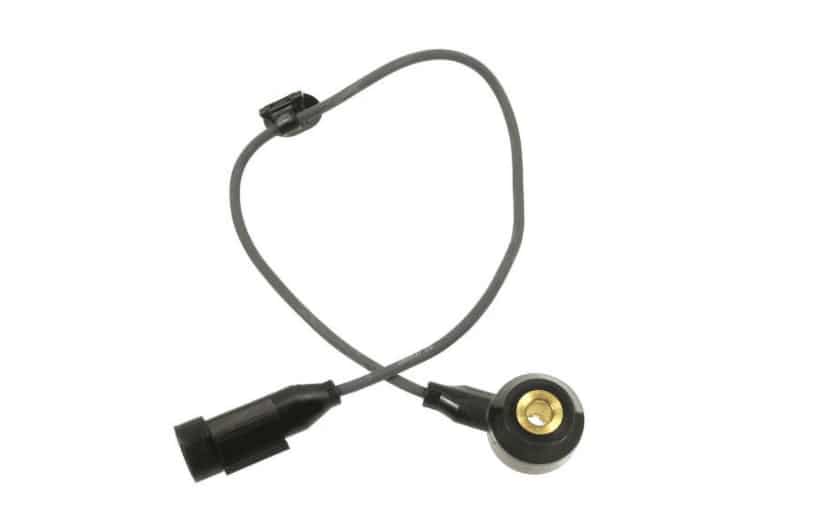
What Is a Knock Sensor in a Kia?
A knock sensor is an electronic component attached to the engine block. Its job is to detect abnormal vibrations caused by engine knock, also called detonation or spark knock. When the sensor detects these vibrations, it converts them into electrical signals. It then sends the signals to the Engine Control Unit. The Engine Control Unit adjusts the ignition timing to protect the engine from damage.
Engine knock happens when the air and fuel mixture ignites too early inside the combustion chamber. Instead of burning smoothly, the mixture creates an uncontrolled explosion. This sudden pressure places extra stress on internal engine parts. Over time, repeated knocking can damage the pistons, connecting rods, cylinder walls, and crankshaft bearings. Even light detonation can reduce engine efficiency and shorten engine life.
The knock sensor constantly monitors engine vibration while you drive. When it detects abnormal combustion, it immediately alerts the Engine Control Unit. The control unit then retards the ignition timing until combustion becomes stable again. This process helps the engine produce reliable power while improving fuel economy and reducing emissions.
Most modern Kia vehicles use one knock sensor on four cylinder engines. Some V6 engines use two sensors because each cylinder bank requires separate monitoring. The exact location depends on the engine design. However, manufacturers usually install the sensor on the engine block or beneath the intake manifold where it can detect vibration accurately.
Heat, moisture, and constant vibration can shorten the lifespan of the knock sensor. Electrical connectors and wiring can also wear out over time. In many cases, the sensor is not the real problem. Corroded connectors, damaged wires, or loose electrical connections interrupt the signal and trigger the same diagnostic trouble codes.
Many drivers assume the knock sensor only responds after engine damage occurs. In reality, it works to prevent damage before it becomes serious. Early detection allows the Engine Control Unit to correct ignition timing within seconds. Replacing a faulty knock sensor at the right time helps maintain engine performance, improves reliability, and prevents expensive repairs in the future.
Bad Kia Knock Sensor Symptoms
A faulty knock sensor can affect engine performance long before it fails completely. In many Kia vehicles, the first warning sign is the Check Engine Light. When the knock sensor sends incorrect data or stops communicating with the Engine Control Unit, the system stores a diagnostic trouble code and alerts the driver. Many owners also notice a metallic knocking or pinging sound during acceleration because the Engine Control Unit can no longer adjust ignition timing correctly. If this condition continues, repeated engine knock may place extra stress on internal components and increase the risk of costly repairs.
A failing knock sensor can also reduce overall driving performance. The Engine Control Unit often responds by retarding ignition timing to protect the engine from damage. While this safety strategy helps prevent severe mechanical problems, it also decreases engine power and throttle response. Drivers may experience slower acceleration, rough engine operation, hesitation when pressing the accelerator, or poor performance while climbing hills. At the same time, incorrect ignition timing reduces combustion efficiency, causing the engine to consume more fuel than normal. Some vehicles may even enter Limp Mode, which limits engine speed and power until the problem is repaired.
Not every symptom points directly to a defective knock sensor. Damaged wiring, loose electrical connectors, poor engine grounding, low quality fuel, or carbon buildup inside the combustion chamber can create similar problems. For this reason, diagnosing the vehicle with an OBD II scanner before replacing any parts is essential. A proper inspection helps identify the actual cause, prevents unnecessary repairs, and ensures that the new knock sensor restores normal engine performance, fuel efficiency, and long term reliability.
Common Kia Knock Sensor Trouble Codes
When a knock sensor begins to fail, the Engine Control Unit stores a diagnostic trouble code to identify the affected circuit or sensor performance. Reading these codes with an OBD II scanner is the fastest way to begin the diagnostic process. However, a trouble code does not always confirm that the knock sensor itself has failed. Wiring damage, loose connectors, corrosion, or electrical faults can trigger the same codes. Understanding what each code means helps you identify the real problem before replacing any parts.
The most common code is P0325, which indicates a malfunction in the knock sensor circuit on Bank 1. Another frequently reported code is P0326, which means the sensor signal falls outside the expected performance range. Code P0327 points to a low input signal, while P0328 indicates an unusually high input voltage. Vehicles equipped with multiple knock sensors may also display P0330, which refers to a malfunction in the second knock sensor circuit. Depending on the engine configuration, additional manufacturer specific codes may also appear during diagnosis.
Although these trouble codes provide valuable information, they should never be the only basis for replacing the sensor. A complete inspection should include the wiring harness, electrical connectors, sensor mounting surface, and engine ground connections. Mechanics also verify live sensor data with a scan tool to determine whether the sensor responds correctly under different engine loads. Taking a few extra minutes to perform a proper diagnosis can prevent unnecessary repairs, reduce maintenance costs, and ensure that the new knock sensor solves the original problem instead of masking another electrical or mechanical issue.
Where Is the Knock Sensor Located on a Kia?
The location of the knock sensor varies depending on the Kia model, engine size, and production year. In most vehicles, the sensor is mounted directly to the engine block because this position allows it to detect abnormal engine vibrations with the highest level of accuracy. On many four cylinder engines, the knock sensor sits below the intake manifold or along the side of the engine block. Some models provide easy access from the top of the engine, while others require the removal of intake components or engine covers before the sensor becomes visible. Consulting the service manual for your specific vehicle is always the best way to confirm its exact location.
Popular Kia models such as the Forte, Optima, Soul, Sportage, Sorento, and Rio all use knock sensors, but the mounting position is not identical across every engine. For example, naturally aspirated engines often offer more direct access than turbocharged versions, where additional components can restrict the working area. V6 engines may also use two knock sensors to monitor each cylinder bank independently. Before removing the sensor, inspect the surrounding wiring harness and electrical connector for corrosion, loose terminals, or damaged insulation. These problems can produce the same symptoms and diagnostic trouble codes as a defective sensor.
Finding the correct sensor location before starting the repair can save significant time and reduce the risk of damaging nearby components. Cleaning the mounting surface and tightening the replacement sensor to the manufacturer’s specified torque are equally important because improper installation may affect signal accuracy. Taking a careful and methodical approach helps ensure that the Engine Control Unit receives reliable knock sensor data, allowing the engine to maintain proper ignition timing, efficient combustion, and long term performance.
Kia Knock Sensor Replacement Cost
The cost of a Kia knock sensor replacement depends on several factors, including the vehicle model, engine type, labor rates, and the quality of the replacement part. If the sensor is easy to access, labor costs remain relatively low. However, some Kia engines require technicians to remove the intake manifold or other engine components before reaching the sensor, which increases both labor time and the final repair bill. Choosing an original equipment manufacturer part may also raise the overall cost, but it often provides better durability and compatibility with the engine management system.
Drivers who have basic mechanical experience can reduce repair expenses by replacing the knock sensor themselves. In most cases, an aftermarket knock sensor costs between $30 and $80, while a genuine Kia part typically ranges from $70 to $150. Professional labor usually costs $100 to $350, depending on the complexity of the repair and local labor rates. As a result, the total cost of a professional Kia knock sensor replacement generally falls between $150 and $500. Vehicles with limited engine access or multiple knock sensors may cost even more.
| Repair Type | Estimated Cost |
|---|---|
| Aftermarket knock sensor | $30 to $80 |
| Genuine Kia knock sensor | $70 to $150 |
| Professional labor | $100 to $350 |
| Total professional replacement | $150 to $500+ |
Although replacing the knock sensor may seem expensive, delaying the repair can lead to higher costs in the future. A faulty sensor may reduce fuel efficiency, decrease engine performance, and allow engine knock to continue under heavy loads. Prolonged detonation can increase wear on internal engine components and eventually result in major engine repairs. Diagnosing the problem early and replacing the sensor when necessary is usually the most cost effective solution for protecting your Kia and maintaining reliable long term performance.
Tools Needed for Kia Knock Sensor Replacement
Preparing the right tools before starting the repair makes the job faster and safer. It also reduces the chance of damaging nearby components. Most Kia models require only basic hand tools, although the exact equipment depends on the engine design. Gathering everything before opening the engine compartment helps you complete the repair without unnecessary interruptions.
A socket set is essential for removing the knock sensor and any engine covers that block access. A ratchet with an extension bar makes it easier to reach bolts in tight spaces. This tool is especially useful when the sensor sits beneath the intake manifold. A torque wrench is another important tool because the knock sensor must be tightened to the correct specification. Incorrect torque can affect sensor performance and reduce signal accuracy. A flathead screwdriver or a trim removal tool may also be necessary if your vehicle has plastic clips or engine covers.
An OBD II scanner should be part of every knock sensor replacement. It allows you to read diagnostic trouble codes before beginning the repair. After installing the new sensor, you can use the scanner to clear stored codes and confirm that the repair was successful. A digital multimeter is also helpful when checking the wiring harness, power supply, or ground circuit. It can quickly identify electrical problems that produce the same symptoms as a failed knock sensor.
Safety equipment is just as important as repair tools. Wear protective gloves and safety glasses while working around the engine. Keep a clean shop towel nearby to protect electrical connectors from dirt and moisture. Finally, choose a high quality replacement knock sensor that matches your Kia model and engine. Using the correct tools and the right replacement part helps ensure a reliable repair and restores normal engine performance.
How to Replace a Kia Knock Sensor
Replacing a Kia knock sensor is a straightforward repair if you follow the correct procedure and use the proper tools. Before you begin, park the vehicle on a level surface and allow the engine to cool completely. Disconnect the negative battery cable to prevent electrical issues while working around the engine. Next, remove any engine covers or intake components that block access to the knock sensor. Once you locate the sensor, inspect the wiring harness and electrical connector for signs of corrosion, broken wires, or loose terminals. In many cases, these issues can trigger the same trouble codes as a faulty sensor.
After confirming that the sensor needs replacement, disconnect the electrical connector and remove the mounting bolt with the correct socket. Carefully lift the old sensor away from the engine block. Clean the mounting surface before installing the new part. Dirt or debris can reduce sensor accuracy and affect engine performance. Position the new knock sensor in the same orientation as the original one. Tighten the mounting bolt to the manufacturer’s recommended torque specification. Reconnect the electrical connector and make sure it locks securely into place. Reinstall any engine components that were removed during the repair.
Reconnect the negative battery cable after completing the installation. Start the engine and use an OBD II scanner to clear any stored diagnostic trouble codes. Allow the engine to reach normal operating temperature and check for warning lights or unusual noises. Finally, take the vehicle for a short test drive under different driving conditions. Smooth acceleration, stable engine performance, and the absence of new fault codes usually indicate a successful Kia knock sensor replacement. If the Check Engine Light returns, inspect the wiring harness, connector, and Engine Control Unit before replacing any additional parts.
OEM vs Aftermarket Kia Knock Sensor
Choosing between an original equipment manufacturer knock sensor and an aftermarket replacement is an important decision. Both options can restore normal engine operation, but they differ in quality, durability, and long term reliability. Understanding these differences helps you select the right part for your vehicle and avoid unnecessary repairs in the future.
An original equipment manufacturer knock sensor is designed specifically for your Kia model and engine. It meets the manufacturer’s performance standards and communicates accurately with the Engine Control Unit. Installation is usually straightforward because the sensor matches the original specifications. Many vehicle owners prefer genuine parts because they offer consistent performance and reduce the risk of compatibility issues. Although the initial cost is higher, the added reliability often makes the investment worthwhile.
An aftermarket knock sensor is usually more affordable and widely available. Many reputable brands produce high quality replacement parts that perform well under normal driving conditions. However, product quality varies between manufacturers. Low quality sensors may provide inaccurate readings or fail earlier than expected. Some inexpensive parts can also trigger recurring diagnostic trouble codes even after installation. For this reason, it is important to choose a trusted brand with positive customer reviews and a proven reputation.
The best choice depends on your budget and repair goals. If you plan to keep your Kia for many years, an original equipment manufacturer sensor is often the safest option. If you need a cost effective repair, a high quality aftermarket sensor can also deliver reliable results. Regardless of your choice, always confirm that the replacement part matches your vehicle’s model, engine, and production year. Installing the correct knock sensor helps maintain accurate ignition timing, stable engine performance, and long term reliability.
Can You Drive with a Bad Knock Sensor?
Yes, you can sometimes drive with a bad knock sensor, but it is not recommended for an extended period. The answer depends on the severity of the problem and how the Engine Control Unit responds to the faulty sensor. In some cases, the vehicle may continue to operate normally with only the Check Engine Light illuminated. In other situations, the Engine Control Unit may reduce engine power to protect critical components from abnormal combustion. Although the vehicle remains drivable, its performance and fuel efficiency often decline.
A faulty knock sensor prevents the Engine Control Unit from detecting engine knock accurately. Without reliable data, the system cannot adjust ignition timing as intended. Some vehicles compensate by using conservative ignition timing to reduce the risk of engine damage. While this strategy improves safety, it also reduces throttle response and acceleration. If the engine experiences uncontrolled detonation for a long time, excessive pressure can damage pistons, connecting rods, bearings, and other internal components. Continuing to drive under these conditions may lead to repairs that cost far more than replacing the knock sensor.
If your Kia displays a knock sensor trouble code, schedule a diagnosis as soon as possible. Avoid heavy acceleration, towing, or driving under high engine loads until the problem is repaired. These driving conditions increase combustion pressure and place additional stress on the engine. A professional inspection can determine whether the fault comes from the knock sensor, damaged wiring, or another engine management component. Repairing the problem early helps restore engine performance, improve fuel economy, and prevent unnecessary wear on expensive engine parts.
Common Mistakes to Avoid During Kia Knock Sensor Replacement
Replacing a Kia knock sensor is not a difficult repair, but small mistakes can lead to poor engine performance or recurring diagnostic trouble codes. Many vehicle owners replace the sensor immediately after seeing a fault code without performing a complete diagnosis. This approach often wastes time and money because damaged wiring, loose connectors, or poor ground connections can produce the same symptoms. Always inspect the electrical system before installing a new sensor to confirm that the sensor is the actual cause of the problem.
Another common mistake is installing the wrong replacement part. Knock sensors may look similar, but they are designed for specific engine types and production years. Using an incompatible sensor can result in inaccurate signals or communication errors with the Engine Control Unit. It is equally important to clean the mounting surface before installation. Dirt, rust, or old gasket material can affect how the sensor detects engine vibration. Tightening the mounting bolt to the correct torque specification is also essential. Excessive torque may damage the sensor, while insufficient torque can reduce its accuracy.
Some drivers complete the installation but forget to clear the stored diagnostic trouble codes with an OBD II scanner. As a result, the Check Engine Light may remain on even though the repair was successful. Others skip the final test drive and fail to confirm that the engine operates normally under different driving conditions. Taking a few extra minutes to verify the repair can prevent future problems and provide confidence that the new knock sensor is working correctly. Careful installation, proper diagnosis, and high quality replacement parts are the best ways to ensure a reliable and long lasting repair.
Frequently Asked Questions
How long does it take to replace a Kia knock sensor?
The replacement time depends on the vehicle model and engine layout. If the knock sensor is easy to reach, the repair may take between one and two hours. Some Kia engines require additional components to be removed before the sensor becomes accessible. In those cases, the repair can take three hours or longer. Preparing the correct tools and following the service manual can help reduce the overall repair time.
Can I replace a Kia knock sensor myself?
Yes, many vehicle owners can replace a Kia knock sensor at home if they have basic mechanical experience. The job usually requires common hand tools, a torque wrench, and an OBD II scanner. Before replacing the sensor, inspect the wiring harness and electrical connector for damage. A proper diagnosis is important because electrical faults can produce the same symptoms as a failed knock sensor.
Will replacing the knock sensor turn off the Check Engine Light?
Replacing the faulty sensor usually resolves the problem, but the Check Engine Light may not disappear immediately. The Engine Control Unit stores diagnostic trouble codes until they are cleared or until the system completes several successful drive cycles. Using an OBD II scanner is the fastest way to erase the stored codes and verify that the repair was successful.
Can a bad knock sensor damage the engine?
Yes, it can. A faulty knock sensor prevents the Engine Control Unit from detecting abnormal combustion accurately. If engine knock continues for an extended period, excessive pressure can damage pistons, connecting rods, bearings, and other internal engine parts. Repairing the problem early helps reduce the risk of expensive engine repairs and improves long term reliability.
How much does a Kia knock sensor replacement cost?
The total cost depends on the vehicle model, labor rates, and the type of replacement part. Most professional repairs cost between $150 and $500, while a do it yourself repair is usually much less expensive. Genuine Kia parts generally cost more than aftermarket options, but they often provide better compatibility and longer service life.
Is it safe to drive with a faulty knock sensor?
A vehicle with a faulty knock sensor may still be drivable, but it should not be ignored. Reduced engine performance, poor fuel economy, and abnormal combustion can become more serious over time. Driving under heavy loads or accelerating aggressively may increase the risk of engine damage. Scheduling a diagnosis as soon as possible is the safest approach.
Conclusion
A properly functioning knock sensor plays a vital role in protecting your engine and maintaining smooth performance. It allows the Engine Control Unit to detect abnormal combustion and adjust ignition timing before serious damage occurs. When the sensor fails, you may notice warning signs such as the Check Engine Light, poor acceleration, reduced fuel economy, or engine knocking. Identifying these symptoms early and performing an accurate diagnosis can prevent unnecessary repairs and reduce long term maintenance costs.
This guide has covered everything you need to know about Kia knock sensor replacement, including common symptoms, diagnostic trouble codes, sensor location, replacement cost, required tools, installation steps, and common mistakes to avoid. Whether you choose to perform the repair yourself or hire a professional mechanic, using the correct replacement part and following proper installation procedures will help restore reliable engine performance.
If your Kia has stored a knock sensor trouble code, do not ignore the warning. Scan the vehicle, inspect the wiring, and confirm the source of the problem before replacing any components. Taking action early can improve fuel efficiency, extend engine life, and help you avoid expensive repairs in the future. With the right knowledge and careful maintenance, your Kia can continue to deliver dependable performance for many years.