The infotainment system in a modern vehicle is no longer just a convenience feature. It has become the central hub for navigation, entertainment, communication, and even safety-related controls. However, many Subaru owners find that their factory-installed infotainment system starts to feel outdated, slow, or limited compared to today’s technology standards. This is especially common in older models that lack seamless smartphone integration such as Apple CarPlay and Android Auto.
As a result, Subaru infotainment system replacement has become one of the most searched upgrade topics in 2026. Drivers are increasingly looking for better responsiveness, improved display quality, and smarter connectivity options that match modern driving expectations.
The frustration is real. Lagging screens, Bluetooth connection failures, poor user interface design, and limited app support can turn a simple drive into a stressful experience. For many owners of Subaru vehicles, the question is no longer “Should I upgrade?” but rather “What is the best way to replace or upgrade my infotainment system without wasting money?”
In this guide, we will break down the cost, available options, and best upgrade solutions for Subaru infotainment system replacement in 2026, helping you choose the right path based on budget, vehicle compatibility, and desired features.
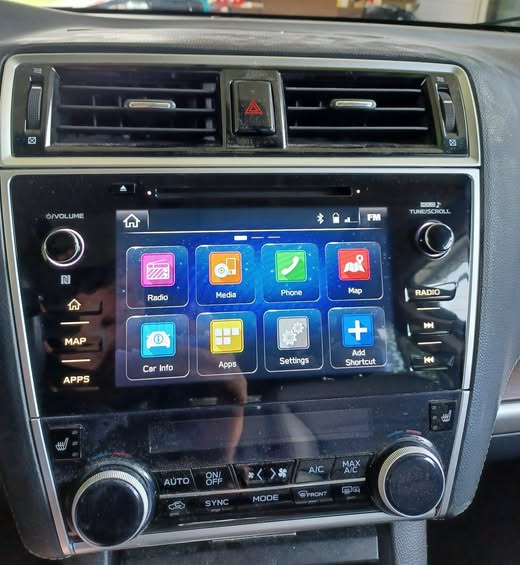
Overview of Subaru Infotainment System Replacement
The infotainment system in a Subaru vehicle serves as the central interface that connects entertainment, navigation, communication, and vehicle settings into one integrated screen. In vehicles from Subaru, this system has evolved over the years from basic radio and CD-based units to modern touchscreen interfaces with smartphone integration. However, not all model years offer the same level of functionality, which creates a clear gap between older and newer vehicles.
A Subaru infotainment system replacement typically refers to upgrading or completely swapping the factory-installed head unit with a more advanced solution. This may include OEM replacement units, software updates in limited cases, or aftermarket systems that introduce features such as Apple CarPlay, Android Auto, faster processors, and higher-resolution displays.
Owners usually consider replacement when the original system starts showing signs of degradation. Common issues include unresponsive touchscreens, frequent system freezing, slow boot times, Bluetooth pairing failures, or lack of support for modern applications. In some cases, users simply want a better user experience rather than fixing a broken system.
Replacing the infotainment system is not only about fixing problems but also about improving driving comfort. A modern interface reduces distraction, improves accessibility to navigation, and enhances overall in-car experience. For many drivers, it becomes an essential upgrade rather than a luxury modification.
Cost of Subaru Infotainment System Replacement in 2026
The cost of replacing a Subaru infotainment system in 2026 can vary significantly depending on the type of solution chosen, the vehicle model, and the level of features desired. For vehicles from Subaru, pricing is generally divided into three main categories: OEM replacement systems, aftermarket head units, and professional installation costs.
OEM replacement units provided by Subaru dealerships are typically the most expensive option. These systems are designed to match factory specifications exactly, ensuring full compatibility with vehicle controls and software. However, they often come with a high price tag, sometimes ranging from moderate to very expensive depending on the model year and trim level. Labor costs at authorized service centers also add to the total expense.
Aftermarket infotainment systems offer a more flexible and often more affordable alternative. Brands such as Pioneer, Sony, and Kenwood provide units that support Apple CarPlay, Android Auto, and advanced customization features. These systems can range from budget-friendly to premium pricing, depending on screen size, performance, and functionality.
Installation costs must also be considered. Professional installation is strongly recommended to ensure proper wiring, steering wheel control retention, and CAN bus compatibility. Depending on complexity, installation fees can add a noticeable amount to the total cost.
Ultimately, the total Subaru infotainment system replacement cost in 2026 can range from budget-conscious upgrades to premium full-system replacements, making it important for owners to carefully evaluate both needs and budget before making a decision.
Options for Subaru Infotainment System Replacement
When considering a Subaru infotainment system replacement, owners of Subaru have several viable options, each offering different levels of performance, cost efficiency, and feature upgrades.
The first option is to retain the OEM system and attempt software updates or minor fixes. This is usually limited in effectiveness but can resolve minor bugs or improve stability in some cases. However, it does not significantly upgrade functionality or introduce modern features like full smartphone integration on older systems.
The second and most common option is installing an aftermarket head unit. This involves replacing the factory system with a modern touchscreen device that supports Apple CarPlay and Android Auto. Aftermarket systems are popular because they offer better responsiveness, improved user interface design, and wider app compatibility. They also come in a variety of price ranges, making them accessible to different budgets.
A third option is upgrading the display while keeping some original components. This hybrid approach allows drivers to retain certain factory integrations such as steering wheel controls while improving screen quality and system speed.
Finally, there are full retrofit solutions designed for specific Subaru models. These systems are tailored to integrate seamlessly with the vehicle’s electronics, offering a near-OEM experience but with modern features.
Each option comes with trade-offs in terms of cost, compatibility, and functionality. The right choice depends on how much the driver values performance versus originality and budget constraints.
Best Upgrades for Subaru Infotainment System in 2026
Choosing the best upgrade for a Subaru infotainment system in 2026 depends heavily on balancing performance, compatibility, and long-term usability. For many owners of Subaru vehicles, the goal is not only to fix limitations of the factory system but also to bring the driving experience closer to modern smartphone-level convenience.
One of the most popular upgrades is a high-quality aftermarket head unit with full Apple CarPlay and Android Auto support. These systems significantly improve usability by offering a cleaner interface, faster response times, and seamless integration with navigation apps like Google Maps and Waze. Compared to older OEM systems, the improvement in performance is immediately noticeable.
Brands such as Pioneer, Sony, and Kenwood continue to dominate the market in 2026 due to their reliability and strong software support. Many of their newer models also include voice control, wireless smartphone connectivity, and high-resolution capacitive touchscreens, which greatly enhance driving comfort.
Another strong upgrade option is a larger floating display unit. These systems are designed to modernize the dashboard visually while also improving accessibility. Drivers benefit from easier menu navigation and improved visibility, especially during night driving or long trips.
For Subaru owners with older vehicles, retrofit kits are also gaining popularity. These kits are designed to integrate modern infotainment features while maintaining compatibility with factory wiring and steering wheel controls. This makes them a practical solution for those who want modern features without completely replacing the original system architecture.
Ultimately, the best upgrade is the one that matches the driver’s expectations. Some prioritize simplicity and reliability, while others focus on advanced features and full smartphone integration.
Installation Considerations and Compatibility Issues
Installing a new infotainment system in a Subaru requires careful attention to compatibility and electrical integration. Even the best system can perform poorly if it is not correctly matched with the vehicle’s architecture. For owners of Subaru vehicles, understanding installation requirements is essential before making any upgrade decision.
One of the most important factors is vehicle compatibility. Different Subaru models and production years use different wiring systems and dashboard layouts. This means that not every aftermarket head unit will fit perfectly without additional adapters or mounting kits. Ensuring the correct size and compatibility with the dashboard is the first critical step.
Another key consideration is the wiring interface. Modern vehicles often use CAN bus systems to manage communication between electronic components. As a result, installing an aftermarket infotainment system may require a CAN bus adapter to maintain proper functionality of features such as door chimes, reverse camera integration, and steering wheel controls.
Steering wheel control retention is another important aspect. Many drivers want to keep the ability to adjust volume, change tracks, or answer calls without removing their hands from the wheel. This requires additional interface modules that translate factory signals into commands compatible with the new system.
Installation complexity can vary significantly. While some plug-and-play kits are available, many setups still require professional installation to avoid electrical issues or system malfunctions. Incorrect installation can lead to system instability or loss of important vehicle functions.
Careful planning and proper component selection are essential to ensure a smooth and reliable upgrade experience.
Common Mistakes When Replacing Subaru Infotainment System
Replacing a Subaru infotainment system may seem straightforward, but many owners of Subaru make costly mistakes that affect performance, usability, and long-term satisfaction. Understanding these common errors can help avoid unnecessary expenses and frustration.
One of the most frequent mistakes is choosing the wrong head unit size or form factor. Subaru dashboards vary across models and years, and not all aftermarket systems are designed to fit seamlessly. Selecting an incompatible unit can result in gaps, poor alignment, or the need for additional modification.
Another common issue is ignoring system compatibility. Many buyers focus only on features like Apple CarPlay or Android Auto without checking whether the unit supports their vehicle’s wiring system. This often leads to problems with steering wheel controls, backup camera integration, or even basic audio functionality.
A third mistake is underestimating the importance of installation quality. Some users attempt DIY installation without proper knowledge of vehicle electronics. While this may reduce upfront cost, it often leads to wiring errors, system instability, or loss of factory features. Professional installation is usually a safer and more reliable option.
Additionally, many drivers are tempted by low-cost aftermarket systems that promise premium features at a fraction of the price. However, these products often suffer from poor software optimization, lagging performance, or limited long-term support, which can negatively impact the driving experience.
Avoiding these mistakes ensures that the Subaru infotainment system replacement delivers the expected improvements in usability, safety, and overall driving comfort.
Conclusion
Replacing the infotainment system in a Subaru is no longer just a cosmetic upgrade. For many owners of Subaru, it has become a practical solution to address outdated technology, improve driving convenience, and enhance overall in-car experience. As vehicles age, factory systems often struggle to keep up with modern expectations such as seamless smartphone integration, faster responsiveness, and more intuitive interfaces.
Throughout this guide, we have explored the key aspects of Subaru infotainment system replacement in 2026, including cost considerations, available upgrade options, installation requirements, and common mistakes to avoid. Each option carries its own advantages, whether it is an OEM replacement for full compatibility, an aftermarket head unit for better features, or a retrofit solution for a balanced approach.
The most important factor is not simply choosing the most expensive or most advanced system, but selecting the one that best matches your driving needs, budget, and vehicle compatibility. A well-planned upgrade can significantly reduce frustration caused by lagging screens, limited connectivity, and outdated software, while also adding long-term value to your vehicle experience.
Ultimately, the right Subaru infotainment system replacement transforms your daily driving into a smoother, safer, and more enjoyable journey. If chosen carefully, this upgrade can feel like giving your car a completely new digital personality, aligned with the demands of modern driving in 2026.