The Check Engine Light on a vehicle often creates immediate concern for drivers, especially when it appears without any clear symptoms. For owners of a Chevrolet Silverado, this warning can be even more confusing because the system does not explain the exact problem in plain language. Instead, it generates diagnostic trouble codes known as DTCs that require interpretation through an OBD2 system.
In modern trucks like the Chevrolet Silverado, the engine control unit continuously monitors dozens of sensors and systems. When something falls outside the expected range, the system triggers the Check Engine Light and stores a specific code. These Chevy Silverado Check Engine Light Codes are not random errors. They are structured signals that point to issues in the engine, fuel system, emissions system, or electrical network.
Understanding these codes is essential because the same warning light can represent minor issues such as a loose gas cap or more serious problems like catalytic converter failure. Without proper interpretation, drivers often misjudge the severity and either ignore a critical issue or spend unnecessary money on repairs.
This guide will break down every important aspect of Chevy Silverado Check Engine Light Codes, including what they mean, how to read them, why they appear, and how to fix them correctly. The goal is to help you move from confusion to clarity so you can make informed decisions about your vehicle’s health.
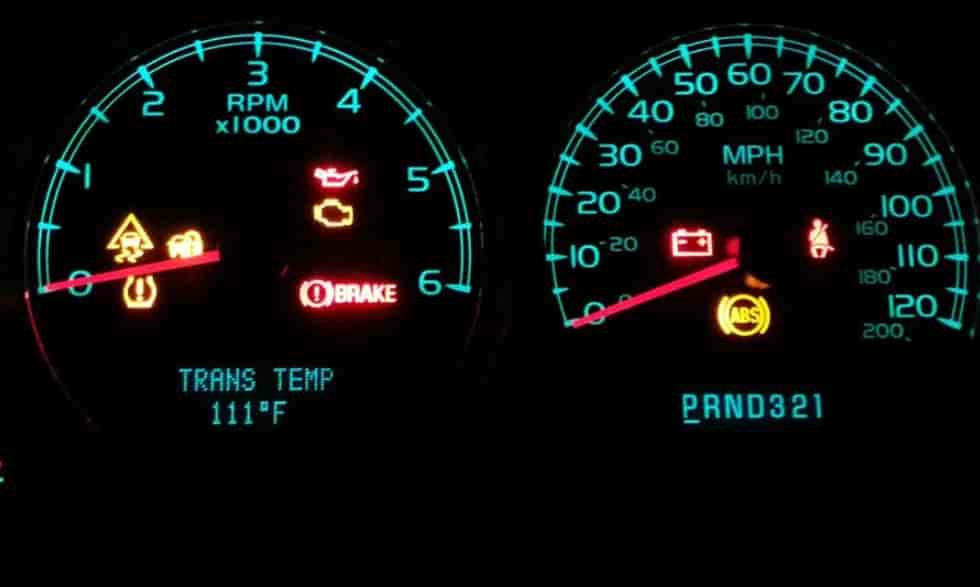
What Are Chevy Silverado Check Engine Light Codes
Chevy Silverado Check Engine Light Codes are diagnostic trouble codes stored in your vehicle’s computer when it detects a problem. These codes belong to the OBD2 system, which is a standard diagnostic system used in most modern vehicles, including the Chevrolet Silverado.
The system assigns a specific code when something goes wrong. Instead of showing a simple message like “engine issue,” it generates a code such as P0300 or P0420. These are called Diagnostic Trouble Codes or DTCs. Each code points to a specific system or component.
The OBD2 system constantly monitors major parts of your truck. It checks the engine, transmission, fuel system, and emissions system. When a sensor detects an abnormal reading, the system turns on the Check Engine Light. It also stores a code in the memory for later diagnosis.
DTC codes fall into four main groups. Powertrain codes start with P and relate to the engine or transmission. Body codes start with B and cover systems like airbags or climate controls. Chassis codes start with C and relate to braking or suspension. Network codes start with U and indicate communication issues between modules.
This structure helps you narrow down the problem quickly. You can identify the affected system before you even read the full code description. That saves time during diagnosis and repair.
How to Read Chevy Silverado OBD2 Codes Correctly
Reading Chevy Silverado Check Engine Light Codes starts with using an OBD2 scanner. You connect the scanner to the diagnostic port under the dashboard of your Chevrolet Silverado. Once connected, the tool reads stored Diagnostic Trouble Codes from the vehicle computer.
Each code follows a clear structure. A typical code starts with one letter and is followed by four digits. The letter shows the system type. The first digit tells you if the code is generic or manufacturer specific. The last three digits point to the exact issue.
For example, P0300 means a powertrain issue with random engine misfires. P0420 indicates a problem with catalytic converter efficiency. These codes do not always tell you the exact failed part. They only point to the system where the problem exists.
You should always read both the code and the freeze frame data. Freeze frame data shows engine conditions at the moment the error occurred. This includes speed, temperature, and fuel trim values. This helps you understand what triggered the problem.
Many drivers make a mistake by replacing parts immediately after reading a code. This often leads to wasted money. A code only guides you to the system, not the exact faulty component. Proper diagnosis always requires checking symptoms and related data.
A good approach is to record the code first. Then compare it with known patterns of failure. After that, you can test specific parts before replacing anything.
Most Common Chevy Silverado Check Engine Light Codes
Some Chevy Silverado Check Engine Light Codes appear more often than others. These codes usually point to common engine or emissions issues. Drivers of the Chevrolet Silverado will likely encounter these at least once during the vehicle’s lifespan.
One of the most frequent codes is P0300. This code indicates random or multiple engine misfires. You may notice rough idling, poor acceleration, or increased fuel consumption. Common causes include worn spark plugs, faulty ignition coils, or fuel delivery problems.
Another common code is P0171. This code means the engine runs too lean on bank one. It often happens when too much air enters the system or not enough fuel is delivered. A vacuum leak or dirty mass airflow sensor is usually responsible.
P0420 is also very common. It signals low catalytic converter efficiency. Drivers may not notice immediate performance issues, but emissions increase over time. This code often relates to a failing catalytic converter or oxygen sensor problems.
P0455 appears when the EVAP system detects a large fuel vapor leak. A loose or damaged gas cap is a simple cause, but cracked hoses or faulty purge valves can also trigger it.
Each of these codes helps you understand where the problem starts. However, they do not confirm the exact failed part. You still need proper diagnosis before replacing components.
Causes Behind Check Engine Light in Chevy Silverado
The Check Engine Light on a Chevrolet Silverado does not point to a single failure. It signals that one or more systems are working outside normal limits in your Chevrolet Silverado. Several common causes trigger Chevy Silverado Check Engine Light Codes, and most of them relate to engine performance or emissions control.
Fuel system problems are one of the main causes. Low fuel pressure or clogged injectors can disrupt the air fuel balance. When this happens, the engine runs either too rich or too lean. The OBD2 system detects this imbalance quickly and turns on the warning light.
Ignition system failures also trigger many codes. Worn spark plugs or weak ignition coils can cause engine misfires. You may notice shaking, hesitation, or loss of power when this happens. The system then stores codes like P0300 or similar misfire related errors.
Oxygen sensor issues are another frequent cause. These sensors monitor exhaust gases and help adjust fuel delivery. When they fail or send incorrect data, the engine control unit makes wrong adjustments. This often leads to poor fuel economy and higher emissions.
A faulty catalytic converter can also activate the Check Engine Light. This component reduces harmful emissions. When it loses efficiency, the system records a code such as P0420.
Vacuum leaks are another hidden cause. Cracked hoses or loose connections allow unmeasured air into the engine. This disrupts the air fuel ratio and creates unstable engine performance.
Electrical or communication issues between modules can also trigger warning codes. These problems are less common but can affect multiple systems at once.
How to Diagnose Chevy Silverado Check Engine Light Codes Step-by-Step
Diagnosing Chevy Silverado Check Engine Light Codes requires a structured approach. You should not guess the problem based on the warning light alone. Instead, you should follow a clear process to find the root cause in your Chevrolet Silverado.
Start by connecting an OBD2 scanner to the diagnostic port under the dashboard. Turn the ignition on and allow the scanner to communicate with the vehicle computer. The tool will display stored Diagnostic Trouble Codes and any pending codes.
Next, write down all the codes you see. Do not focus on only one code if multiple appear. Many issues are connected, and one fault can trigger several related codes.
After that, check freeze frame data if your scanner supports it. This data shows engine conditions at the time the fault occurred. Look at engine speed, temperature, fuel trim, and load. These details help you understand what the engine was doing when the problem started.
Then, compare the codes with known symptoms. For example, a misfire code combined with rough idle often points to ignition issues. A lean fuel code with poor acceleration may indicate a vacuum leak or fuel delivery problem.
You should also inspect basic components before replacing anything. Check the gas cap, wiring connections, air filter, and visible hoses. Simple issues often cause complex warning codes.
Finally, confirm the diagnosis with targeted testing. You can test sensors, ignition parts, or fuel pressure depending on the suspected issue. This step avoids unnecessary part replacement and reduces repair cost.
Can You Still Drive a Chevy Silverado With Check Engine Light On
Whether you can continue driving depends on the type of warning and how your vehicle behaves. In a Chevrolet Silverado, the Check Engine Light does not always mean an immediate breakdown. However, it always indicates that the engine control system detected a fault.
If the light stays solid, the issue is usually less urgent. In many cases, it relates to emissions or minor sensor problems. You can often continue driving for a short time, but you should still schedule a diagnostic check soon.
If the Check Engine Light starts flashing, the situation is more serious. A flashing light usually signals active engine misfires. This condition can damage the catalytic converter quickly. You should reduce speed immediately and avoid heavy acceleration.
Driving behavior also matters. If you notice rough idling, loss of power, or unusual vibrations, you should not continue driving long distances. These symptoms suggest that the engine is not running properly and may worsen the damage.
Some drivers continue driving without checking the code. This often leads to higher repair costs later. A small issue can turn into a major failure if ignored for too long.
The safest approach is to scan the code as soon as possible. This helps you understand the severity and decide whether the vehicle is safe to drive or needs immediate attention.
How to Fix Common Chevy Silverado Check Engine Light Codes
Fixing Chevy Silverado Check Engine Light Codes depends on identifying the real cause, not just clearing the warning. In many cases, drivers of the Chevrolet Silverado can solve minor issues without major repairs if they follow the right steps.
Start with simple fixes first. A loose or damaged gas cap often triggers EVAP related codes like P0455. Tightening or replacing the gas cap can sometimes turn off the Check Engine Light after a few driving cycles.
Next, inspect the ignition system if you see misfire codes like P0300. Worn spark plugs or failing ignition coils often cause this issue. Replacing these parts can restore smooth engine performance and reduce fuel consumption.
If you detect a lean fuel code like P0171, check for vacuum leaks. Look at hoses, intake connections, and seals. Even a small crack can allow extra air into the engine and disrupt the air fuel ratio.
For oxygen sensor or catalytic converter codes such as P0420, you should confirm sensor performance before replacing parts. A faulty oxygen sensor can mimic catalytic converter failure. Testing both components helps avoid unnecessary replacement costs.
You should also clean or replace the mass airflow sensor if the engine runs rough or loses power. Dirt buildup on this sensor can affect fuel calculations and trigger multiple codes.
After any repair, clear the codes using an OBD2 scanner. Then drive the vehicle under normal conditions to confirm the issue is resolved. If the light returns, you need further diagnosis instead of repeating the same fix.
How to Reset Chevy Silverado Check Engine Light Safely
Resetting the Check Engine Light on a Chevrolet Silverado should always come after you fix the real problem. If you only clear the light without repair, the Chevy Silverado Check Engine Light Codes will return quickly.
The safest method is to use an OBD2 scanner. Connect the scanner to the diagnostic port under the dashboard. Turn on the ignition and read all stored codes first. After that, select the option to clear or erase codes. This method resets the system while keeping diagnosis accurate.
Another method is battery disconnection. You can disconnect the negative battery terminal for about 10 to 15 minutes. This can reset the engine control unit in some cases. However, this method also resets radio settings and other memory functions.
Some drivers try to reset the light by removing fuses. This method is not recommended because it can create additional electrical issues. Modern vehicles rely on multiple control modules that may not reset correctly this way.
After resetting, you should start the engine and let it idle. Then take a short drive to allow the system to run self checks. If the issue is fixed, the Check Engine Light will stay off. If the problem remains, the light will return and new codes will appear.
Never ignore a returning Check Engine Light. It means the underlying issue is still present and requires proper diagnosis.
Prevention Tips to Avoid Future Check Engine Light Codes
Preventing Chevy Silverado Check Engine Light Codes is easier and cheaper than repairing repeated faults. A well maintained Chevrolet Silverado can run smoothly for years if you follow a few simple habits.
Regular maintenance is the most important step. You should change engine oil on time and replace filters according to the service schedule. Clean oil and airflow help the engine run efficiently and reduce sensor errors.
Pay attention to fuel quality. Low quality or contaminated fuel can damage injectors and trigger misfire or fuel system codes. Using recommended fuel grades helps maintain stable combustion and engine performance.
Inspect basic components often. Check the gas cap, vacuum hoses, and air intake system for cracks or looseness. Small leaks can cause large issues in emissions and fuel balance systems.
Keep ignition components in good condition. Spark plugs and ignition coils wear out over time. Replacing them at the right interval prevents misfire codes like P0300 and improves fuel efficiency.
Do not ignore small warning signs. Slight rough idling, delayed acceleration, or unusual fuel consumption often appear before a Check Engine Light turns on. Early detection helps you avoid expensive repairs.
Finally, use an OBD2 scanner occasionally even when no warning light is on. This helps you detect pending codes early and fix issues before they become serious.
Conclusion
Chevy Silverado Check Engine Light Codes are not random warnings. They are structured signals from the engine management system in your Chevrolet Silverado. Each code helps you understand what part of the vehicle needs attention, from fuel delivery and ignition to emissions and electronic communication systems.
When you understand how these Diagnostic Trouble Codes work, you gain more control over your vehicle. You can identify whether the issue is minor, like a loose gas cap, or more serious, like a failing catalytic converter. This knowledge helps you avoid unnecessary repairs and reduce long term maintenance costs.
The key takeaway is simple. Do not ignore the Check Engine Light, and do not rush into replacing parts without proper diagnosis. Always read the code, understand the symptoms, and confirm the root cause before taking action. A structured approach saves both time and money.
Regular maintenance and early diagnosis are the best ways to prevent recurring issues. Using an OBD2 scanner occasionally can help you catch hidden problems before they turn into expensive repairs. With the right habits, your Silverado will stay reliable and perform better over time.