A Ford Escape oil change is one of the most important maintenance procedures for protecting engine performance, fuel efficiency, and long term vehicle reliability. Engine oil reduces friction between moving components, controls heat, removes contaminants, and helps maintain smooth operation in gasoline and hybrid Ford Escape models.
The correct oil change process depends on several vehicle attributes, including engine configuration, model year, oil specification, driving conditions, and maintenance schedule. A 1.5L EcoBoost Ford Escape, a 2.0L EcoBoost model, and a 2.5L Hybrid version may require different oil capacities and service considerations.
Understanding Ford Escape oil change requirements helps owners choose the correct engine oil, replace oil at the right interval, and avoid problems caused by degraded lubrication. This guide explains the recommended oil types, oil capacity, replacement frequency, service costs, warning signs, and maintenance practices for Ford Escape vehicles.
Whether you maintain your Ford Escape at home or visit a professional service center, knowing how engine oil works and when it needs replacement allows you to make better maintenance decisions and support long term engine health.
What Is a Ford Escape Oil Change and Why Does It Matter?
A Ford Escape oil change is the process of removing old engine oil and replacing it with new oil that meets the vehicle’s lubrication requirements. Engine oil is a critical fluid that allows internal engine components to operate with reduced friction while maintaining proper temperature control and cleanliness.
The engine contains hundreds of moving parts, including pistons, bearings, camshafts, and valves. These components create significant friction during operation. Fresh engine oil creates a protective lubrication layer between metal surfaces, which reduces wear and helps the engine maintain consistent performance. Without sufficient lubrication, excessive friction can increase heat production and accelerate component damage.
Engine oil also performs several secondary functions beyond lubrication. It carries small contaminants away from sensitive engine areas, helps prevent sludge formation, and supports corrosion protection inside the engine. Over time, heat cycles and combustion byproducts reduce oil effectiveness, which is why regular oil replacement is required for Ford Escape vehicles.
The importance of a Ford Escape oil change becomes clearer when considering long term vehicle ownership. Old or degraded oil can affect engine efficiency, increase mechanical stress, and contribute to expensive repairs. For example, an engine operating with contaminated oil may experience increased deposits around internal components, which can reduce performance and reliability.
Ford Escape models use different engine configurations, including EcoBoost gasoline engines and hybrid powertrains. Each configuration has specific oil requirements based on engine design, operating temperature, and manufacturer specifications. Using the correct oil type and maintaining a consistent service schedule helps ensure that the engine receives proper protection throughout its operating life.
A regular oil change is therefore not only a routine maintenance task. It is a preventive measure that supports engine durability, stable performance, and the overall ownership experience of a Ford Escape.
How Often Should You Change Oil on a Ford Escape?
A Ford Escape oil change usually happens every 5,000 to 10,000 miles. The exact interval depends on the engine type, oil quality, driving conditions, and maintenance system.
Newer Ford Escape models often use synthetic oil and the Ford Intelligent Oil Life Monitor. This system tracks driving patterns and engine conditions. It calculates when the vehicle needs fresh oil.
Engine oil loses its performance over time. Heat, friction, and combustion residue affect oil quality. Old oil becomes less effective at protecting engine components. It also allows more contaminants to build inside the engine.
Ford recommends different maintenance schedules for different Ford Escape models. Owners should check the recommended interval for their specific model year. The Intelligent Oil Life Monitor provides a more accurate reminder than mileage alone.
Driving habits also affect oil change frequency. A vehicle that drives in normal conditions usually follows the standard maintenance schedule. A vehicle that faces heavy use may need more frequent oil changes.
Common examples of demanding driving conditions include short trips, heavy traffic, towing, long periods of idling, and extreme temperatures. These situations increase engine stress and reduce oil performance.
Does Ford Escape Oil Change Frequency Depend on Driving Conditions?
Yes, Ford Escape oil change frequency depends on how the vehicle operates. Severe driving conditions can reduce oil life because the engine experiences more stress.
Short trips are one common reason for faster oil degradation. The engine may not reach the ideal operating temperature during short drives. As a result, moisture and fuel residue can remain in the oil.
Extreme weather also affects engine oil performance. Cold temperatures make oil thicker during startup. Hot temperatures increase oil breakdown. Both situations can reduce lubrication efficiency.
Ford Escape owners who drive in challenging conditions should check oil levels regularly. They should also follow the severe service recommendations when necessary.
A consistent oil change schedule protects engine components and helps maintain long term vehicle reliability.
What Type of Oil Does a Ford Escape Use?
A Ford Escape uses engine oil that matches the manufacturer’s specifications for its engine design. The correct oil type depends on the model year, engine configuration, and required viscosity grade. Using the right oil helps the engine maintain proper lubrication, temperature control, and fuel efficiency.
Most modern Ford Escape models use full synthetic engine oil because synthetic oil provides better protection under high temperatures and changing driving conditions. Synthetic oil contains refined base oils and advanced additives that help reduce deposits, improve stability, and maintain performance over longer service intervals.
The recommended oil viscosity depends on the specific Ford Escape engine. Common viscosity grades include 0W-20 and 5W-30, but owners should always confirm the correct specification in the owner’s manual. The viscosity rating describes how easily oil flows at different temperatures. The first number represents cold temperature performance, while the second number represents oil thickness during normal engine operation.
Ford Escape engines have different oil requirements because they use different technologies. EcoBoost engines use turbocharging systems that create additional heat and pressure inside the engine. These engines require oil that can maintain protection under demanding conditions. Hybrid models also require specific oil specifications to support efficient engine operation.
Choosing the wrong oil type can affect engine performance and reliability. Oil that does not meet Ford’s requirements may provide weaker protection, reduce efficiency, or create unnecessary wear on internal components.
Should You Use Synthetic Oil for a Ford Escape?
Yes, synthetic oil is usually the preferred choice for modern Ford Escape models because it provides stronger protection and longer performance stability. Synthetic oil performs better than conventional oil when the engine operates under high temperatures or frequent load changes.
Synthetic oil offers several advantages for Ford Escape owners. It improves cold start lubrication, resists breakdown from heat, and reduces the formation of sludge. These properties are especially useful for turbocharged EcoBoost engines that operate at higher temperatures.
Conventional oil can still work for some older vehicles if it meets the required specifications. However, many newer Ford Escape models are designed to benefit from synthetic oil technology.
Selecting the correct synthetic oil does not only improve engine protection. It also supports consistent performance between oil changes and helps maintain the reliability expected from the Ford Escape powertrain.
How Much Oil Does a Ford Escape Need?
A Ford Escape needs different amounts of engine oil depending on the engine configuration and model year. The oil capacity is an important maintenance specification because adding too little or too much oil can affect engine performance and reliability.
The most common Ford Escape engines include the 1.5L EcoBoost, 2.0L EcoBoost, and 2.5L Hybrid powertrains. Each engine uses a different internal design, which changes the amount of oil required during an oil change. Owners should always confirm the exact capacity for their vehicle before adding new oil.
The 1.5L EcoBoost engine uses a smaller displacement design with turbocharging technology. The 2.0L EcoBoost engine provides higher output and uses a larger oil capacity to support additional engine demands. The 2.5L Hybrid engine combines a gasoline engine with an electric motor system, which creates different maintenance requirements compared with traditional gasoline models.
Adding the correct oil amount allows the engine oil system to maintain proper pressure and circulation. The oil pump needs the correct fluid level to distribute lubrication across important components, including bearings, pistons, and timing components.
Too little oil can reduce lubrication and increase friction between moving parts. Too much oil can create excessive pressure, cause oil foaming, and reduce lubrication effectiveness. Both situations can increase the risk of engine problems over time.
Ford Escape owners should check the owner’s manual for the exact oil capacity of their vehicle. The manual provides the correct specification based on engine type, model year, and equipment configuration.
What Factors Affect Ford Escape Oil Capacity?
Ford Escape oil capacity changes based on three main factors: engine size, powertrain type, and model year. These factors determine how much oil the lubrication system requires for proper operation.
Engine size has the biggest impact on oil capacity. Larger engines usually contain more internal components and require more oil to maintain adequate lubrication. For example, a 2.0L EcoBoost engine generally requires a different oil volume than a smaller 1.5L EcoBoost engine.
Powertrain type also affects oil requirements. Ford Escape Hybrid models use a different engine system compared with gasoline-only versions. Although the hybrid system improves efficiency, the gasoline engine still requires proper oil maintenance to protect internal components.
Model year creates another difference because Ford updates engine designs, oil specifications, and maintenance recommendations over time. A 2018 Ford Escape and a newer Ford Escape may not share identical oil requirements even when they use similar engine technology.
Checking the correct oil capacity before every oil change prevents maintenance mistakes. Using the correct amount of oil helps the Ford Escape engine operate efficiently and supports long term durability.
How Much Does a Ford Escape Oil Change Cost?
A Ford Escape oil change usually costs between $40 and $150 depending on the oil type, service provider, and additional maintenance items. The final price changes based on whether the owner chooses a DIY oil change, a dealership service, or an independent repair shop.
The biggest cost factor is the type of engine oil used during the service. Conventional oil usually costs less than synthetic oil because synthetic oil requires more advanced refining and additive technology. Many modern Ford Escape models use synthetic oil because it provides better protection and supports longer service intervals.
Labor costs also affect the total price. A dealership service center may charge more because it uses factory-trained technicians and provides brand-specific maintenance services. Independent repair shops often offer lower prices while still providing professional oil replacement.
The oil filter is another important cost component. A complete Ford Escape oil change should include a quality oil filter because the filter removes contaminants from the engine oil. Reusing an old filter with new oil can reduce the effectiveness of the maintenance service.
What Factors Change Ford Escape Oil Change Cost?
Ford Escape oil change cost depends on four main factors: oil type, oil quantity, filter quality, and service location. Each factor influences the final maintenance expense.
Oil type creates the largest price difference. Full synthetic oil costs more than conventional oil, but it provides stronger resistance to heat and oxidation. This makes synthetic oil a suitable choice for many newer Ford Escape engines.
Oil quantity also affects the price because larger engines require more oil during service. A 2.0L EcoBoost engine and a 1.5L EcoBoost engine may have different oil requirements, which changes the amount of oil purchased.
The oil filter affects both cost and engine protection. A high-quality filter helps remove small particles and keeps the new oil cleaner for a longer period. Choosing a low-quality filter may reduce the overall value of the oil change.
Service location creates another difference. Dealerships, quick-lube centers, and independent mechanics have different labor rates and service packages. Some providers include inspections or maintenance checks, while others only replace the oil and filter.
Is a DIY Ford Escape Oil Change Cheaper?
A DIY Ford Escape oil change is usually cheaper because owners only pay for materials instead of labor. The main expenses include engine oil, an oil filter, and basic tools.
DIY maintenance can reduce service costs and give owners more control over the products used. It also helps vehicle owners understand their Ford Escape maintenance requirements.
However, professional service provides advantages that DIY maintenance does not always offer. Technicians can inspect other vehicle components, identify potential problems, and complete the service with specialized equipment.
The best choice depends on the owner’s experience, available tools, and maintenance goals. Both DIY and professional oil changes can protect the Ford Escape engine when they follow the correct oil specification and replacement procedure.
What Are the Signs That a Ford Escape Needs an Oil Change?
A Ford Escape needs an oil change when the engine oil loses its ability to protect internal components or when the vehicle reaches its recommended maintenance interval. Recognizing early warning signs helps prevent reduced engine performance and potential mechanical damage.
The first common sign is the oil change reminder notification. Modern Ford Escape models use the Intelligent Oil Life Monitor to calculate oil condition based on driving patterns, engine operation, and mileage. When the system displays a maintenance reminder, the vehicle needs an oil inspection and scheduled service.
Another sign is a change in engine oil appearance. Fresh oil usually has a clear amber color, while old oil often becomes darker because it collects combustion particles and contaminants. Dark oil alone does not always indicate immediate replacement, but a significant color change combined with mileage or warning signals suggests that service may be necessary.
Unusual engine noise can also indicate oil problems. Engine oil creates a protective layer between moving metal components. When oil becomes degraded or reaches a low level, the engine may produce ticking, knocking, or louder operating sounds because internal parts receive less lubrication.
What Performance Problems Can Indicate Old Ford Escape Oil?
Old Ford Escape oil can contribute to several performance changes, including reduced efficiency, slower acceleration, and rough engine operation. These problems happen because degraded oil creates more friction and reduces the engine’s ability to operate smoothly.
Reduced fuel efficiency is one possible indicator of poor oil condition. When engine components experience increased friction, the engine requires more energy to maintain normal operation. This additional workload can affect fuel consumption over time.
A decrease in engine smoothness can also signal lubrication problems. Drivers may notice rough idling, inconsistent performance, or increased vibration when the engine does not receive adequate lubrication.
Burning oil smells or visible exhaust smoke can indicate more serious engine issues. These symptoms may result from oil leaks, excessive oil consumption, or internal engine problems. They require further inspection because an oil change alone may not solve the underlying cause.
Regular oil checks help Ford Escape owners identify problems before they become expensive repairs. Checking oil levels, following service intervals, and responding to maintenance reminders support better engine reliability.
How Can You Check the Oil Condition in a Ford Escape?
You can check Ford Escape oil condition by inspecting the oil level, color, and consistency before scheduled maintenance. This simple inspection helps identify whether the engine has enough oil and whether the oil appears contaminated.
The oil level should remain within the recommended range on the dipstick or electronic measurement system, depending on the Ford Escape model. A low oil level can reduce lubrication and increase engine stress.
The oil condition should also appear consistent without excessive particles or unusual texture. Thick, dirty, or contaminated oil may indicate that the engine requires service.
Checking oil regularly does not replace scheduled oil changes. It provides additional information that helps owners maintain proper engine protection between services.
How Do You Perform a Ford Escape Oil Change?
A Ford Escape oil change requires removing the old engine oil, replacing the oil filter, and adding new oil that meets the vehicle’s specifications. The process follows a basic maintenance sequence, but each step affects engine protection and service quality.
Before starting the oil change, the vehicle should be parked on a level surface and the engine should reach a safe working temperature. Slightly warm oil flows more easily during drainage, which helps remove more used oil from the engine system.
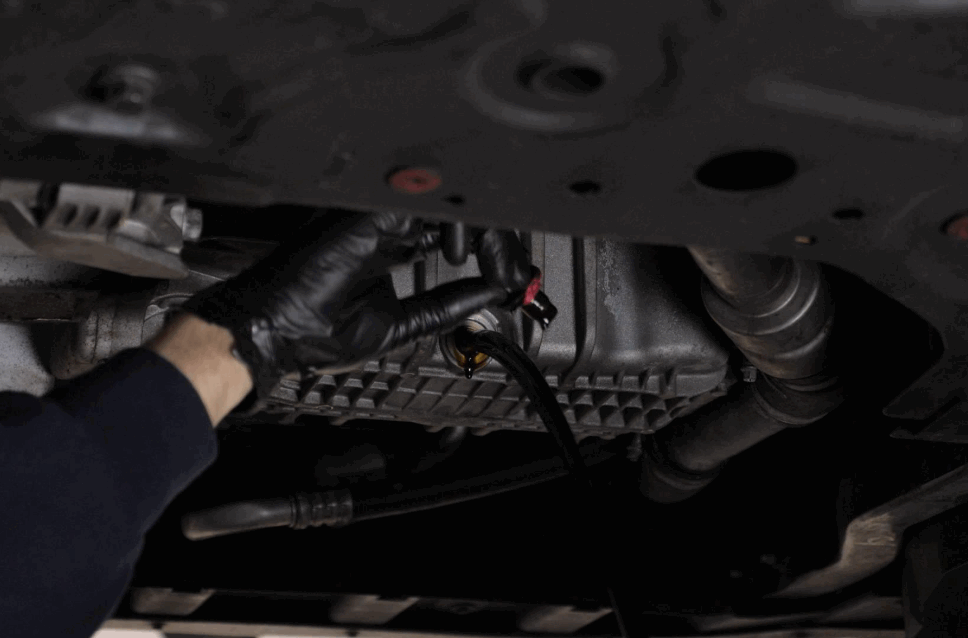
The first step involves draining the old oil from the oil pan. The drain plug allows used oil to leave the engine before fresh oil enters the lubrication system. Proper drainage removes degraded oil that contains contaminants, moisture, and combustion residue.
The next step is replacing the oil filter. The oil filter captures particles that can circulate through the engine. Installing a new filter helps maintain cleaner oil and supports better protection for internal engine components.
After installing the new filter, the engine receives fresh oil through the oil filler opening. The correct oil type and quantity depend on the specific Ford Escape engine configuration. Adding the wrong oil specification or incorrect amount can affect lubrication performance.
The final step is checking the oil level after the engine runs briefly. This confirms that the oil reaches the correct level and circulates properly through the engine system.
What Tools Do You Need for a Ford Escape Oil Change?
A Ford Escape oil change requires several basic tools and maintenance supplies to complete the service safely. Having the correct equipment reduces mistakes and improves the quality of the oil replacement process.
The main supplies include the correct engine oil, a compatible oil filter, an oil drain pan, and a funnel. These items allow owners to remove old oil, install new components, and refill the engine without unnecessary spills.
Basic tools usually include a wrench for removing the drain plug, a filter wrench for replacing the oil filter, and protective equipment such as gloves. Safety equipment helps prevent contact with hot oil and reduces the risk of injury during maintenance.
The correct oil and filter specifications are the most important parts of the process. A Ford Escape engine depends on proper lubrication standards, so owners should verify the recommended products before starting the service.
DIY oil changes require attention to detail. A small mistake, such as using the wrong filter or overfilling the engine, can reduce maintenance quality. Following the manufacturer’s procedure helps ensure that the Ford Escape receives proper engine protection.
Does a Ford Escape Hybrid Need Different Oil Maintenance?
A Ford Escape Hybrid requires the same basic oil maintenance principles as gasoline models, but it follows specifications designed for its hybrid powertrain. The gasoline engine inside a hybrid system still requires proper lubrication to protect internal components, control heat, and maintain efficiency.
The main difference between a Ford Escape Hybrid and a traditional gasoline model is how the engine operates. The hybrid system frequently starts and stops the gasoline engine depending on driving conditions. This operating pattern changes how the engine experiences temperature cycles, load changes, and lubrication demands.
Ford Escape Hybrid models use engine oil that meets the manufacturer’s required specifications. Owners should select oil based on the exact model year and engine requirements instead of choosing oil only because the vehicle uses hybrid technology.
Hybrid vehicles often operate at lower engine loads because the electric motor assists during acceleration and low speed driving. However, the gasoline engine still experiences friction, combustion, and heat. Fresh engine oil remains necessary to maintain protection for components such as pistons, bearings, and timing systems.
How Does Ford Escape Hybrid Maintenance Differ From Gasoline Models?
Ford Escape Hybrid maintenance differs mainly because the vehicle combines an electric motor system with a gasoline engine. The oil change process remains similar, but owners should consider additional hybrid-specific maintenance requirements.
The hybrid powertrain uses regenerative braking and electric assistance to improve efficiency. These systems reduce fuel consumption but do not eliminate the need for regular engine service.
One important difference is driving pattern. A Ford Escape Hybrid may operate with frequent engine shutdowns during city driving. These repeated starts can create different operating conditions compared with a continuously running gasoline engine.
Regular oil changes help maintain engine reliability because hybrid vehicles still depend on internal combustion components. Delaying oil service can increase deposits, reduce lubrication quality, and affect overall efficiency.
Ford Escape Hybrid owners should follow the recommended maintenance schedule for their specific model. The correct oil specification, proper oil level, and regular inspections help maintain the balance between fuel efficiency and engine durability.
A complete maintenance approach should also include checking other important systems, such as the hybrid battery, cooling system, brakes, and electronic components. These systems work together to deliver the performance and efficiency expected from the Ford Escape Hybrid.
How Can Proper Oil Maintenance Improve Ford Escape Reliability?
A proper Ford Escape oil change schedule helps protect engine components, maintain performance, and extend vehicle reliability over time. Engine oil plays a central role in reducing friction, controlling heat, and keeping internal engine parts operating efficiently.
Choosing the correct oil type is the first step toward effective maintenance. Ford Escape owners should use oil that matches the required specification for their engine, including the correct viscosity grade and performance standard. Using the recommended oil allows the lubrication system to work as designed.
Following the correct oil change interval is equally important. Regular service prevents old oil from losing its protective properties and reduces the risk of contamination, deposits, and unnecessary engine wear. Owners should consider both mileage and driving conditions when planning maintenance.
A complete Ford Escape maintenance strategy includes more than replacing engine oil. Checking the oil filter, monitoring fluid levels, and following the manufacturer’s service recommendations create a stronger foundation for long term vehicle ownership.
Whether the vehicle uses an EcoBoost engine or a hybrid powertrain, consistent oil maintenance supports dependable operation. A well maintained Ford Escape delivers better efficiency, smoother performance, and greater protection against avoidable engine problems.
For owners who want to build a complete maintenance plan, related topics such as Ford Escape maintenance schedule, Ford Escape oil filter replacement, and Ford Escape common problems provide additional guidance for protecting the vehicle throughout its lifespan.