Buying a Kia is often a smart decision because the brand offers modern technology, attractive styling, and competitive pricing. Many owners enjoy years of dependable driving with only routine maintenance. However, some Kia models have developed engine related concerns that have affected reliability and increased repair costs. Understanding these issues can help you protect your vehicle, reduce expensive repairs, and make informed decisions before buying a new or used Kia.
Kia engine problems range from excessive oil consumption and engine knocking to sudden power loss and complete engine failure. While not every Kia vehicle experiences these problems, certain engines and model years have been linked to manufacturing defects, lubrication issues, and premature component wear. Recognizing the early warning signs can prevent a minor issue from becoming a catastrophic engine failure.
This comprehensive guide explains the most common Kia engine problems, the symptoms you should never ignore, and the mechanical causes behind these failures. You will also learn which Kia models have reported the highest number of engine related complaints, how recalls and warranty programs may affect your vehicle, and what repair options are available if your engine develops serious damage.
Whether you already own a Kia, plan to purchase a used model, or simply want to understand the long term reliability of the brand, this guide provides practical information based on real world issues and proven maintenance practices. By the end of this article, you will know how to identify potential engine problems early, minimize repair expenses, and keep your Kia running safely for many years.
What Are the Most Common Kia Engine Problems?
Kia vehicles deliver strong value, modern technology, and reliable everyday performance. However, some models have developed recurring engine issues that increase repair costs and reduce long term reliability. These problems do not affect every vehicle, but they appear often enough to deserve careful attention. Every owner should understand the most common failures before they become serious.
Engine knocking is one of the most common Kia engine problems. Drivers usually hear a metallic tapping sound during acceleration or while climbing hills. This noise often points to worn connecting rod bearings. As the bearings wear, friction increases inside the engine. The extra friction creates heat and damages internal components. If drivers ignore the warning, the engine may eventually seize.
Excessive oil consumption is another well known issue. Some Kia engines burn oil faster than expected without showing external leaks. Low oil levels reduce lubrication and increase engine wear. Drivers may notice blue exhaust smoke, a burning oil smell, or an oil pressure warning light. Checking the oil level regularly helps detect this problem before it causes severe damage.
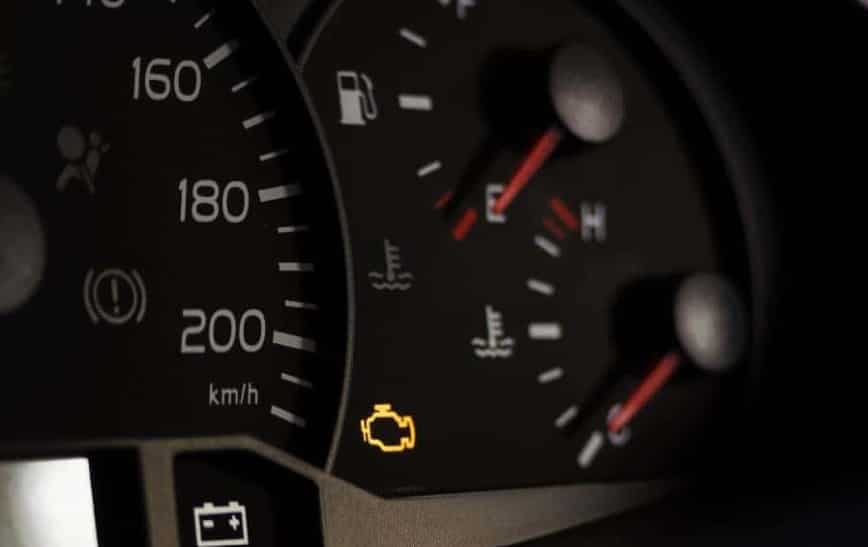
Many owners also report rough idling, poor acceleration, overheating, and an illuminated check engine light. These symptoms often appear before major engine failure. Modern Kia vehicles use electronic sensors to monitor engine performance and detect abnormal conditions. Early diagnosis allows technicians to identify the cause and repair the problem before it becomes more expensive. Routine maintenance and timely inspections remain the best ways to improve engine reliability and extend the life of the vehicle.
Warning Signs of Kia Engine Problems
Recognizing the early warning signs of Kia engine problems can save you thousands of dollars in repair costs. Most engine failures do not happen without warning. Instead, the engine often shows several symptoms before the damage becomes severe. Paying attention to these signs helps you take action before a small issue turns into a major repair.
Unusual engine noises are often the first warning. A knocking, ticking, or grinding sound may indicate excessive wear inside the engine. These noises usually become louder during acceleration or when the engine reaches normal operating temperature. Drivers should never ignore these sounds because they often point to damaged bearings or poor lubrication.
Warning lights also deserve immediate attention. The check engine light or oil pressure warning light may appear long before the engine fails. These indicators signal that the vehicle has detected an abnormal condition. A professional inspection can identify the root cause and prevent additional damage.
Many drivers also notice changes in vehicle performance. Slow acceleration, rough idling, engine vibration, and reduced fuel efficiency often develop as internal components begin to wear. In some cases, the engine may stall while driving or struggle to restart after stopping. Blue exhaust smoke, a burning oil smell, and frequent oil loss are also common warning signs. These symptoms usually indicate that the engine is consuming oil or burning it inside the combustion chamber.
Ignoring these warning signs can lead to serious mechanical failure and expensive repairs. Early diagnosis gives technicians more time to correct the problem before it affects major engine components. Regular maintenance, routine oil level checks, and prompt inspections remain the most effective ways to keep a Kia engine operating safely and efficiently.
Main Causes of Kia Engine Problems
Several factors can contribute to Kia engine problems, and understanding these causes helps owners reduce the risk of serious damage. While some issues result from normal wear over time, others develop because of manufacturing defects or poor maintenance. Identifying the root cause is the first step toward protecting engine performance and extending the life of the vehicle.
Poor lubrication is one of the leading causes of engine failure. Engine oil creates a protective layer between moving parts and reduces friction. When the oil level becomes too low or the oil loses its protective properties, internal components begin to wear much faster. Increased friction generates excessive heat and can damage bearings, pistons, and other critical parts. Regular oil changes and frequent oil level checks help prevent this problem.
Premature bearing wear is another common cause. Worn connecting rod bearings reduce engine stability and often produce a knocking sound during acceleration. As the condition worsens, metal particles circulate through the lubrication system and damage additional engine components. Drivers who continue operating the vehicle after hearing unusual noises increase the risk of complete engine failure.
Carbon deposits also affect engine performance. Over time, carbon can build up on intake valves, pistons, and combustion chambers. These deposits restrict airflow, reduce fuel efficiency, and create rough engine operation. In addition, faulty piston rings or damaged valve seals may allow engine oil to enter the combustion chamber. This condition increases oil consumption and produces blue exhaust smoke.
Poor maintenance habits often make these problems worse. Delaying oil changes, ignoring warning lights, or continuing to drive with abnormal engine noises can accelerate internal wear. Following the recommended maintenance schedule, using the correct engine oil, and addressing problems early remain the most effective ways to improve engine reliability and avoid expensive repairs.
Kia Models Commonly Linked to Engine Problems
Not every Kia vehicle experiences the same level of engine trouble. Several models have built a strong reputation for reliability, while others have generated a higher number of owner complaints over the years. Understanding which models are more likely to develop engine problems helps buyers make informed decisions and encourages current owners to monitor their vehicles more closely.
The Kia Optima is one of the models most often associated with engine concerns. Some owners have reported engine knocking, excessive oil consumption, and sudden engine failure. These issues may appear gradually, so regular inspections play an important role in preventing severe damage.
The Kia Sorento has also received complaints related to engine performance. Drivers have reported rough idling, loss of power, and unexpected stalling. In some cases, poor lubrication or internal bearing wear contributed to these problems. Early diagnosis often prevents more extensive repairs.
The Kia Sportage has experienced similar concerns in certain model years. Some owners noticed abnormal engine noise, increased oil consumption, or warning lights before a major failure occurred. Routine maintenance and timely repairs can reduce the risk of long term engine damage.
Other models, including the Kia Soul, Kia Forte, Kia K5, and Kia Seltos, have also recorded engine related complaints in specific production years. However, the severity and frequency of these issues vary by engine type, model year, maintenance history, and driving conditions. A well maintained vehicle usually performs more reliably than one with an incomplete service record.
Before purchasing a used Kia, buyers should review the vehicle’s maintenance history, inspect the engine for unusual noises or leaks, and confirm whether all applicable recalls and service campaigns have been completed. Taking these steps can reduce ownership risks and provide greater confidence in the vehicle’s long term reliability.
Kia Engine Recalls and Warranty Coverage
Many drivers search for Kia engine problems because they want to know whether their vehicle qualifies for a recall or warranty repair. The answer depends on the model, model year, engine type, and vehicle identification number. Kia has issued several recalls and warranty extensions for specific vehicles after identifying defects that could increase the risk of engine damage or failure.
Some recall campaigns focused on manufacturing debris left inside the engine during production. Other programs addressed premature connecting rod bearing wear, which could lead to engine knocking, reduced performance, or complete engine failure. In certain situations, Kia also introduced software updates that help detect abnormal bearing wear before severe damage occurs. These updates allow drivers to receive an early warning and schedule an inspection before the problem becomes more serious.
Warranty coverage also varies by vehicle. Some owners may qualify for an extended warranty or a free engine replacement if their vehicle meets the required conditions. Eligibility often depends on the vehicle history, maintenance records, completed recall campaigns, and inspection results. Owners should not assume that every Kia model receives the same level of coverage because each program includes specific requirements.
The safest approach is to check the vehicle identification number through an authorized Kia dealer or the official Kia website. This process confirms whether the vehicle has an open recall, qualifies for a warranty extension, or requires a product improvement campaign. Owners should also keep detailed maintenance records because these documents may support future warranty claims.
Checking recall status on a regular basis provides peace of mind and helps identify potential safety issues before they lead to expensive repairs. Combined with routine maintenance and prompt inspections, this simple step can significantly reduce the long term cost of vehicle ownership.
How Much Does It Cost to Fix Kia Engine Problems?
The cost to fix Kia engine problems depends on the type of damage, the affected engine components, and the labor rates in your area. Some issues require only minor repairs, while others demand a complete engine replacement. Understanding the potential costs helps owners plan ahead and avoid unexpected expenses.
Minor engine repairs are usually the most affordable option. Replacing a faulty sensor, repairing a small oil leak, or installing new ignition components often costs far less than rebuilding an engine. Drivers who respond quickly to warning lights or unusual noises can often prevent more serious damage and reduce the overall repair bill.
Repair costs increase when internal engine components begin to fail. Worn bearings, damaged pistons, or timing system problems require more labor and specialized parts. In many cases, technicians must disassemble a large portion of the engine to identify the exact cause of the failure. This process increases both repair time and total cost.
A complete engine replacement is usually the most expensive solution. It becomes necessary when the engine suffers severe internal damage or seizes completely. Although replacing the engine requires a significant investment, it may be more practical than repeated repairs if the rest of the vehicle remains in good condition. Owners should compare the replacement cost with the current value of the vehicle before making a final decision.
Warranty coverage or recall programs may reduce repair expenses for eligible vehicles. Owners should confirm whether their Kia qualifies before authorizing major repairs. If warranty coverage is not available, requesting estimates from several qualified repair shops can help identify a fair price. Acting early remains the best way to control repair costs because small engine problems almost always cost less to fix than major mechanical failures.
Proven Solutions for Kia Engine Problems
Although Kia engine problems can become serious, many issues are manageable when owners take action early. A proactive approach helps reduce repair costs, improves engine reliability, and lowers the risk of unexpected breakdowns. The key is to identify problems quickly and address them before they damage major engine components.
Start by following the recommended maintenance schedule for your vehicle. Regular oil changes play a critical role in protecting the engine because clean oil reduces friction and removes harmful contaminants. Always use the engine oil grade recommended by Kia and replace the oil filter during every service. Checking the oil level between service intervals is also important, especially if the engine consumes oil faster than expected.
Do not ignore unusual engine noises or dashboard warning lights. A knocking sound, rough idle, or sudden loss of power often signals an underlying mechanical problem. Scheduling a professional inspection at the first sign of trouble allows technicians to diagnose the issue before it becomes more expensive. Early repairs usually cost far less than replacing a damaged engine.
Owners should also verify whether their vehicle qualifies for a recall, software update, or warranty extension. Completing these programs may prevent future engine damage and reduce out of pocket expenses. Keeping detailed maintenance records and repair invoices can also support warranty claims if major engine problems develop later.
Choosing an experienced repair shop makes a significant difference. Qualified technicians have the equipment and expertise needed to diagnose complex engine issues accurately. They can identify worn components, recommend the correct repair, and help prevent repeat failures. Combined with responsible driving habits and regular maintenance, these steps provide the best long term solution for maintaining a healthy and reliable Kia engine.
How to Prevent Kia Engine Problems
Preventing Kia engine problems is often easier and less expensive than repairing a damaged engine. Most major failures develop over time, giving owners many opportunities to detect and correct small issues before they become serious. Consistent maintenance and careful driving habits remain the best ways to improve engine reliability and extend the life of the vehicle.
Follow the maintenance schedule recommended for your Kia and never postpone routine service. Change the engine oil and oil filter at the proper intervals, and always use the correct oil specification. Clean engine oil reduces friction, controls heat, and protects internal components from premature wear. Checking the oil level every few weeks is another simple habit that helps identify excessive oil consumption before it causes severe damage.
Pay close attention to changes in engine performance. Unusual noises, rough idling, slow acceleration, warning lights, or rising engine temperature often indicate that something is wrong. Arrange an inspection as soon as these symptoms appear. Continuing to drive with an unresolved problem increases the chance of damaging expensive engine components.
Good driving habits also support long term engine health. Allow the engine to reach normal operating temperature before aggressive acceleration, especially during cold weather. Avoid repeated hard acceleration, towing loads beyond the recommended limit, and driving with an overheating engine. These conditions place additional stress on internal components and may shorten engine life.
Keep complete maintenance records and stay informed about recalls or service campaigns that apply to your vehicle. Regular inspections by qualified technicians can identify worn parts before they fail. When owners combine preventive maintenance with early diagnosis, they greatly reduce the risk of unexpected engine failure and enjoy more reliable performance throughout the life of their Kia.
FAQ About Kia Engine Problems
Are Kia engine problems common?
Not every Kia vehicle experiences engine problems. However, some engines and model years have received more owner complaints than others. The most common issues include engine knocking, excessive oil consumption, loss of power, and premature engine failure. Regular maintenance and early diagnosis can significantly reduce the risk of serious damage.
Which Kia models have the most engine problems?
Several Kia models have reported engine related issues in certain production years. These models include the Kia Optima, Kia Sorento, Kia Sportage, Kia Soul, Kia Forte, and Kia K5. The frequency of problems depends on the engine type, model year, maintenance history, and driving conditions.
Does Kia replace engines for free?
Some owners may qualify for a free engine replacement under a recall or an extended warranty program. Eligibility depends on the vehicle identification number, engine type, model year, and service history. Owners should verify their vehicle status through an authorized Kia dealer or the official Kia website.
What causes engine knocking in a Kia?
Engine knocking often results from worn connecting rod bearings, poor lubrication, low engine oil, or internal engine wear. Continuing to drive after hearing a knocking sound can increase engine damage and lead to a complete engine failure.
Can I continue driving with the check engine light on?
A check engine light does not always indicate a major failure, but it should never be ignored. The warning may signal an engine, ignition, fuel, or emission problem. A professional inspection should take place as soon as possible to prevent additional damage.
How can I prevent Kia engine problems?
The best way to prevent Kia engine problems is to follow the recommended maintenance schedule, change the engine oil on time, monitor the oil level regularly, and address unusual noises or warning lights immediately. Preventive maintenance costs far less than repairing a damaged engine.
Conclusion
Kia engine problems can range from minor performance issues to serious mechanical failures, but many of these problems develop gradually and provide clear warning signs before major damage occurs. Understanding the most common symptoms, identifying the underlying causes, and responding quickly to unusual engine behavior can help owners avoid expensive repairs and improve long term reliability.
Routine maintenance remains the most effective way to protect any engine. Regular oil changes, frequent oil level inspections, and prompt attention to warning lights or abnormal noises can significantly reduce the risk of premature engine wear. Owners should also review recall information, confirm warranty eligibility, and maintain complete service records to support future repairs if necessary.
If you plan to buy a used Kia, take time to inspect the vehicle carefully and review its maintenance history before making a decision. A well maintained vehicle with documented service records is far more likely to provide dependable performance than one with an uncertain history.
By understanding Kia engine problems and following proven maintenance practices, you can make informed ownership decisions, extend the life of your engine, and enjoy safer, more reliable driving for years to come.