Seeing the Kia Check ESC Warning on your dashboard can be worrying. Many drivers are unsure what the warning actually means. Some fear a major mechanical failure. Others wonder if the vehicle is still safe to drive.
The Electronic Stability Control system helps your Kia stay stable on the road. It monitors wheel speed, steering input, and vehicle movement. The system reacts quickly when it detects a loss of traction. This helps reduce the risk of skidding during sharp turns or on slippery surfaces.
When the system detects a fault, it displays the Kia Check ESC Warning. In some cases, the warning appears with the ABS light or the traction control light. It may also appear with the check engine light. These warning lights often indicate that one or more related systems require attention.
The problem is not always serious. A weak battery or a faulty brake light switch can trigger the warning. A damaged wheel speed sensor can also cause the same issue. More complex faults may involve the steering angle sensor, the ABS module, or damaged electrical wiring. Finding the exact cause early can reduce repair costs and improve driving safety.
This guide explains everything you need to know about the Kia Check ESC Warning. You will learn how the ESC system works. You will also discover the most common causes, warning signs, and repair solutions. In addition, the guide covers diagnostic steps, reset methods, repair costs, and maintenance tips. By the end of this article, you will know how to identify the problem and decide when professional repairs are necessary.
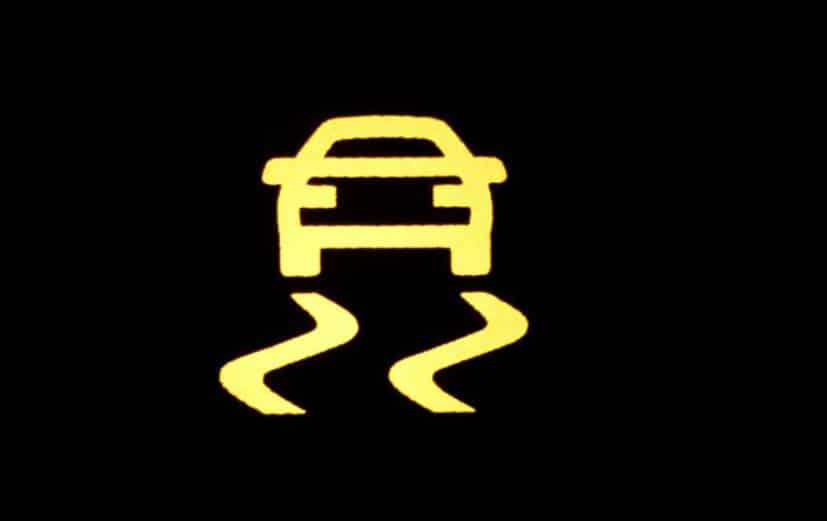
What Does the Kia Check ESC Warning Mean?
The Kia Check ESC Warning indicates that the Electronic Stability Control system has detected a fault that may affect its normal operation. This warning does not always mean your vehicle has a serious mechanical problem, but it does indicate that an important safety feature may not be working as intended. The ESC system is designed to improve vehicle stability by monitoring steering input, wheel speed, and vehicle direction. When it detects a loss of traction or unstable movement, it automatically applies braking force to individual wheels and adjusts engine power to help the driver maintain control.
Several different issues can trigger the Kia Check ESC Warning. Common causes include a faulty wheel speed sensor, a damaged brake light switch, a steering angle sensor malfunction, low battery voltage, or a problem within the ABS system. In some cases, the warning may appear because of damaged wiring or poor electrical connections. The warning can also be accompanied by the ABS light, traction control light, or check engine light, which often indicates that multiple systems require inspection.
It is also important to understand that not every ESC related indicator means the same thing. A flashing ESC light usually shows that the system is actively improving traction on slippery roads or during sudden steering. A solid ESC light or the Kia Check ESC Warning typically indicates a malfunction that requires diagnosis. The ESC OFF indicator is different because it appears when the driver manually disables the stability control system.
If the Kia Check ESC Warning remains on after restarting the engine, the vehicle should be inspected as soon as possible. Early diagnosis can prevent additional damage, reduce repair costs, and ensure that your Kia continues to provide the stability and safety features it was designed to deliver.
How the Kia ESC System Works
Understanding how the Electronic Stability Control system operates makes it easier to understand why the Kia Check ESC Warning appears. ESC is an advanced safety feature that helps drivers maintain control when road conditions become unpredictable. It constantly compares the direction the driver intends to travel with the actual movement of the vehicle. If the system detects a difference between these two directions, it immediately takes corrective action to improve stability.
The ESC system relies on several sensors to collect real time driving data. Wheel speed sensors measure how fast each wheel rotates, while the steering angle sensor tracks the position of the steering wheel. A yaw rate sensor monitors how the vehicle rotates during cornering, and additional sensors measure acceleration and braking performance. The control module processes this information within milliseconds and determines whether the vehicle is beginning to lose traction.
When a loss of stability is detected, the ESC system responds automatically. It can apply braking force to one or more wheels without driver input. At the same time, it may reduce engine power to help the tires regain traction. These adjustments happen quickly and often go unnoticed, but they play an important role in preventing skids and improving vehicle control during emergency maneuvers.
The Kia Check ESC Warning appears when the system detects a fault that prevents it from operating correctly. A failed sensor, damaged wiring, low battery voltage, or an ABS related problem can interrupt communication between system components. Although the vehicle may still be drivable, the stability control function may no longer provide the protection it was designed to deliver. Diagnosing the cause early helps restore normal operation and reduces the risk of more expensive repairs in the future.
Common Causes of the Kia Check ESC Warning
The Kia Check ESC Warning can appear for many reasons. Some problems have simple solutions, while others require advanced diagnostics. The Electronic Stability Control system depends on multiple sensors, control modules, and electrical circuits. When one component stops working correctly, the system detects the fault and turns on the warning.
Faulty wheel speed sensors cause many ESC problems. Each sensor measures wheel rotation and sends real time data to the ABS and ESC modules. The control module compares the speed of every wheel to identify traction loss. If one sensor sends inaccurate information, the ESC system cannot calculate vehicle movement correctly. The control module then activates the Kia Check ESC Warning. Drivers often notice the ABS light or traction control light at the same time.
A defective brake light switch also triggers this warning on many Kia models. The switch sends brake pedal information to several electronic systems. When it stops working correctly, the ESC module receives incorrect input and loses important braking information. This communication error often causes the warning to appear even though the braking system still works normally.
The steering angle sensor also plays a major role in vehicle stability. It tracks steering wheel position and reports the driver’s intended direction. The ESC module compares this information with vehicle movement. If the sensor loses calibration or reports incorrect values, the system cannot respond accurately during cornering. As a result, the Kia Check ESC Warning may remain on until technicians recalibrate or replace the sensor.
Many drivers overlook battery health during diagnosis. However, modern Kia vehicles rely on stable voltage to support electronic communication. A weak battery or failing alternator can interrupt signals between control modules. Voltage fluctuations may also generate false fault codes and activate the ESC warning even when no sensor has failed.
The Anti Lock Braking System works closely with the Electronic Stability Control system. Both systems share important sensors and electronic components. If the ABS module develops a fault, the ESC system also loses critical information. Drivers often see both warning lights illuminate together because both systems depend on the same data.
Electrical problems can create similar symptoms. Corroded connectors, damaged wiring, or loose terminals interrupt communication between sensors and the control module. Moisture can also damage electrical connections over time. These faults often appear intermittently, making diagnosis more challenging.
Incorrect tire sizes or uneven tire wear can also confuse the ESC system. Different tire diameters change wheel speed readings during normal driving. The control module may interpret these differences as wheel slip and activate the Kia Check ESC Warning. Keeping all four tires in similar condition helps the system operate accurately.
Software problems can also trigger the warning. The ESC control module manages large amounts of sensor data every second. Outdated software or internal electronic failures can reduce system performance. In some cases, technicians restore normal operation by installing updated software instead of replacing expensive components.
Professional diagnosis remains the fastest way to identify the real cause of the Kia Check ESC Warning. A diagnostic scanner reads fault codes, analyzes live sensor data, and helps technicians locate the failed component. Accurate testing saves time, reduces repair costs, and prevents unnecessary parts replacement.
Symptoms That May Appear with the Kia Check ESC Warning
The Kia Check ESC Warning rarely appears without other signs. In many cases, drivers notice changes in vehicle performance before or after the warning light turns on. These symptoms can range from minor electrical issues to noticeable handling problems. Recognizing them early helps drivers diagnose the problem more quickly and avoid additional damage.
One of the most common symptoms is a warning light that stays on after starting the engine. Under normal conditions, the ESC indicator turns off a few seconds after the vehicle starts. If the light remains illuminated during normal driving, the system has likely detected a fault that requires attention. Restarting the engine may clear a temporary error, but a persistent warning usually indicates an underlying problem.
Many Kia owners also notice other dashboard lights at the same time. The ABS warning light often appears because both systems share sensors and electronic components. The traction control light may also remain on when the ESC system cannot monitor wheel movement correctly. In some situations, the check engine light appears together with the Kia Check ESC Warning, especially when an electrical fault affects multiple control modules.
Vehicle handling can also change when the ESC system stops working. Drivers may feel reduced stability while turning or driving on wet roads. The vehicle may lose traction more easily during sudden acceleration. Although normal driving remains possible in many cases, the car no longer benefits from automatic stability correction during emergency maneuvers.
Some vehicles also enter a reduced power mode after detecting a serious fault. The engine may respond more slowly to throttle input, and acceleration may become noticeably weaker. The control module limits engine output to protect important components and reduce the risk of further damage. While this symptom does not occur in every case, it often signals a problem that requires immediate diagnosis.
Unusual braking behavior can provide another warning sign. The brake pedal may feel different during emergency braking, or the ABS system may not respond as expected on slippery roads. These symptoms often indicate that the ESC and ABS systems have lost communication. Drivers should arrange a professional inspection as soon as possible because both systems play an important role in vehicle safety.
Ignoring these symptoms can increase repair costs and reduce driving safety. Even if the vehicle continues to operate normally, the Electronic Stability Control system may no longer protect the driver during sudden changes in road conditions. Identifying the warning signs early allows technicians to repair the fault before it affects additional vehicle systems.
Is It Safe to Drive with the Kia Check ESC Warning?
Many drivers ask the same question after seeing the Kia Check ESC Warning. In most situations, the vehicle will continue to run, but that does not mean it is completely safe to ignore the warning. The answer depends on what caused the problem and whether other warning lights appear at the same time. Understanding the level of risk helps you make the right decision and avoid unnecessary damage.
If the Kia Check ESC Warning appears by itself and the vehicle drives normally, you can usually continue driving for a short distance with extra caution. Avoid sudden acceleration, hard braking, and aggressive cornering because the Electronic Stability Control system may no longer provide additional traction or stability. Drive at a moderate speed and schedule a diagnostic inspection as soon as possible.
The situation becomes more serious when other warning lights appear together with the ESC warning. For example, the ABS warning light, brake warning light, or check engine light may indicate a larger electrical or mechanical problem. You may also notice reduced engine power, poor acceleration, or unusual braking performance. These symptoms suggest that more than one system requires immediate attention.
Road conditions also affect driving safety. Dry pavement provides better traction, so the risk may remain relatively low during careful driving. Wet roads, snow, ice, or loose gravel increase the chance of losing control because the ESC system cannot assist when the tires begin to slip. Drivers should reduce speed and avoid unnecessary trips until they resolve the problem.
If the vehicle shakes, pulls to one side, loses braking performance, or enters limp mode, stop driving as soon as it is safe to do so. Continuing to drive under these conditions can increase the risk of an accident and may cause additional damage to related components. Contact a qualified repair shop and arrange a complete diagnostic inspection before returning the vehicle to normal use.
The safest approach is to treat the Kia Check ESC Warning as an early warning instead of waiting for a more serious failure. Prompt diagnosis helps identify the root cause, protects important safety systems, and often reduces repair costs. Taking action early also ensures that your Kia continues to deliver the stability and control that the Electronic Stability Control system was designed to provide.
How to Diagnose the Kia Check ESC Warning
Diagnosing the Kia Check ESC Warning begins with a few simple checks before moving to advanced testing. Many drivers assume the warning always points to a major failure, but small issues can also trigger the system. Following a logical inspection process helps identify the actual cause and prevents unnecessary repairs.
Start by restarting the vehicle. A temporary software glitch or communication error may cause the warning to appear. Turn off the engine, wait a few minutes, and restart the vehicle. If the warning disappears and does not return, the problem may have been temporary. However, if the light comes back after a short drive, you should continue with a complete inspection.
Next, check whether the ESC system has been turned off manually. Many Kia models include an ESC button on the dashboard or center console. Drivers sometimes press this button without realizing it. Make sure the system is active before looking for more complex problems.
Inspect the battery and charging system before checking other components. Low battery voltage can interrupt communication between electronic control modules and trigger false warning messages. Measure the battery voltage with a digital multimeter and inspect the battery terminals for corrosion or loose connections. If the battery cannot maintain proper voltage, replace it before performing additional tests.
The tires also deserve careful attention. Verify that all four tires match in size, pressure, and tread depth. Different tire diameters can confuse the ESC system because the wheel speed sensors report inconsistent data. Correcting tire pressure or replacing mismatched tires may solve the problem without further repairs.
The next step involves scanning the vehicle with an OBD II diagnostic scanner. This tool reads diagnostic trouble codes stored by the control modules. The fault codes provide valuable information about failed sensors, communication errors, or ABS related problems. Reading the codes before replacing parts helps eliminate guesswork and reduces repair costs.
After reviewing the fault codes, inspect the wheel speed sensors and their wiring. Dirt, corrosion, damaged cables, or loose connectors often interrupt the signal between the sensor and the control module. A visual inspection can reveal obvious damage, while live sensor data allows technicians to compare wheel speed readings during a road test.
If no obvious problem appears, inspect the steering angle sensor and the ABS system. A steering angle sensor that loses calibration may report incorrect steering input, while an ABS fault can also trigger the Kia Check ESC Warning because both systems share important components. Professional diagnostic equipment can verify sensor calibration, monitor live data, and perform system tests that basic scan tools cannot complete.
Accurate diagnosis always comes before repair. Replacing parts without confirming the root cause often wastes time and money. A systematic inspection allows technicians to identify the faulty component quickly and restore the Electronic Stability Control system to normal operation with confidence.
How to Fix the Kia Check ESC Warning
Fixing the Kia Check ESC Warning starts with identifying the exact cause of the problem. Since several systems work together to support Electronic Stability Control, there is no single solution for every vehicle. Once you confirm the fault through a proper inspection, you can choose the most effective repair and avoid replacing parts that still work correctly.
If a faulty wheel speed sensor causes the warning, replacing the damaged sensor usually restores normal system operation. Dirt, road debris, and moisture can damage the sensor or weaken its signal over time. After installing a new sensor, clear the diagnostic trouble codes and test drive the vehicle to confirm that the warning does not return.
A defective brake light switch can also trigger the Kia Check ESC Warning. Replacing this small component often solves the issue without extensive repairs. After installing the new switch, check that the brake lights operate correctly and verify that the ESC warning has disappeared. Many repair shops inspect this component early because it is inexpensive and commonly fails on some Kia models.
When the steering angle sensor loses calibration, technicians can recalibrate it with a professional diagnostic tool. In some cases, the sensor develops an internal fault and requires replacement. After completing the repair, technicians perform another calibration to ensure that the ESC module receives accurate steering information.
Electrical problems require a careful inspection of the wiring harness and connectors. Loose terminals, damaged insulation, or corrosion can interrupt communication between sensors and control modules. Repairing the damaged wiring often restores stable communication and eliminates the warning. Technicians should also inspect nearby connectors because moisture and vibration can affect multiple electrical connections.
Battery and charging system problems can also activate the warning. Replace a weak battery if it cannot maintain the correct voltage. If the alternator does not charge the battery properly, repair the charging system before clearing the fault codes. Stable electrical power allows every control module to communicate correctly and prevents unnecessary warning messages.
Some vehicles require software updates instead of mechanical repairs. Manufacturers occasionally release updated software to improve system performance or correct known electronic issues. Installing the latest software may resolve communication problems and improve the reliability of the ESC system. A Kia dealership or a qualified repair facility can verify whether your vehicle needs an available software update.
If the ABS module or the ESC control module fails, the repair becomes more complex. Technicians usually perform additional tests before replacing these expensive components. Installing a new module without confirming the diagnosis may not solve the problem. Accurate testing protects your budget and ensures that the repair addresses the real fault.
Always complete a final road test after finishing any repair. Confirm that the Kia Check ESC Warning remains off and verify that the ESC and ABS systems operate normally under different driving conditions. A successful repair restores vehicle stability, improves driving confidence, and ensures that all safety systems work together as intended.
Can You Reset the Kia Check ESC Warning?
Many Kia owners want to know whether they can reset the Kia Check ESC Warning without visiting a repair shop. The answer depends on what triggered the warning in the first place. If a temporary electronic error caused the warning, it may disappear after a simple restart. However, if a faulty component continues to send incorrect data, the warning will return even after you clear the fault code.
The first step is to restart the vehicle. Turn off the engine, remove the key if your model uses one, and wait a few minutes before starting the engine again. This process allows the control modules to complete a new system check. If the warning does not return, the problem may have resulted from a temporary communication error. You should still monitor the dashboard during the next few trips to make sure the system continues to operate normally.
Next, check whether the ESC system has been turned off manually. Many Kia models include an ESC button that allows drivers to disable the stability control system in certain driving conditions. Press the button once to reactivate the system if necessary. After restarting the vehicle, confirm that the ESC indicator has turned off and that the Kia Check ESC Warning no longer appears.
An OBD II scanner offers another way to clear the warning after completing a repair. The scanner erases stored diagnostic trouble codes and allows the control modules to perform a fresh system evaluation. If the repair successfully eliminates the original fault, the warning should remain off during normal driving. If the light returns immediately or after a short drive, the vehicle still has an unresolved problem that requires additional diagnosis.
Disconnecting the battery may clear temporary fault codes on some vehicles, but this method does not repair the underlying issue. It can also erase stored settings and force certain control modules to complete new learning procedures. For this reason, most technicians recommend using a diagnostic scanner instead of disconnecting the battery unless the service manual specifically recommends that procedure.
You should never treat resetting the Kia Check ESC Warning as a permanent repair. The warning exists to alert drivers when the Electronic Stability Control system cannot operate correctly. Clearing the message without fixing the root cause only hides the problem for a short time. Once the control module detects the same fault again, the warning will reappear. A complete diagnosis and the correct repair remain the most reliable way to restore full system performance and maintain safe driving conditions.
Kia Check ESC Warning Repair Cost
The cost to repair the Kia Check ESC Warning depends on the failed component, labor rates, and your vehicle model. Some problems require only a simple replacement, while others involve advanced diagnostics and electronic programming. Identifying the exact cause before replacing parts helps reduce unnecessary expenses and shortens repair time.
Minor repairs usually cost the least. Replacing a faulty brake light switch or cleaning a corroded electrical connector often requires little time and relatively inexpensive parts. Correcting low battery voltage or replacing an aging battery may also resolve the warning if unstable electrical power caused the problem. These repairs typically restore normal ESC operation without extensive labor.
Moderate repair costs often involve wheel speed sensors or steering angle sensors. These components play an important role in the Electronic Stability Control system, and they can wear out over time because of heat, vibration, and road debris. After replacing the failed component, technicians usually clear the diagnostic codes and confirm proper system operation with a road test. Some vehicles also require steering angle sensor calibration after installation.
Major repairs usually involve the ABS module, the ESC control module, or damaged wiring inside the electrical system. These repairs require advanced diagnostic equipment and additional labor to identify the exact fault. If the vehicle also needs software programming, the total repair cost may increase. Professional diagnosis becomes especially important because replacing expensive electronic modules without confirming the failure can waste both time and money.
The table below provides a general comparison of common repairs associated with the Kia Check ESC Warning.
| Repair | Estimated Cost Level |
|---|---|
| Brake light switch replacement | Low |
| Battery replacement | Low to Medium |
| Wheel speed sensor replacement | Medium |
| Steering angle sensor calibration | Medium |
| Steering angle sensor replacement | Medium to High |
| Electrical wiring repair | Medium to High |
| ABS module repair or replacement | High |
| ESC control module replacement | High |
Although repair costs vary from one vehicle to another, early diagnosis almost always saves money. Small electrical problems can become larger system failures if drivers ignore the warning for an extended period. Addressing the issue as soon as the Kia Check ESC Warning appears helps protect important safety systems and reduces the likelihood of more expensive repairs later.
How to Prevent the Kia Check ESC Warning
Preventing the Kia Check ESC Warning starts with regular vehicle maintenance. The Electronic Stability Control system relies on accurate sensor data and stable electrical communication. Keeping these components in good condition reduces the risk of unexpected warning lights and helps the system perform as designed.
Inspect your tires on a regular schedule. Make sure all four tires match in size, type, and recommended pressure. Uneven tire wear or incorrect inflation can affect wheel speed readings and reduce the accuracy of the ESC system. Rotating the tires at the recommended service interval also promotes even tread wear and improves overall vehicle stability.
Battery maintenance is equally important. Modern Kia vehicles depend on a reliable power supply for communication between electronic control modules. Test the battery during routine service visits and replace it when its performance begins to decline. Clean battery terminals and tighten loose connections to prevent voltage drops that may trigger unnecessary warning messages.
Pay close attention to the braking system because the ESC and ABS systems work together. Replace worn brake components on time and inspect the brake light switch if you notice unusual warning lights or inconsistent brake light operation. Keeping the braking system in good condition helps the Electronic Stability Control system respond accurately during emergency situations.
Protect electrical components from moisture and physical damage whenever possible. During routine maintenance, inspect visible wiring, connectors, and sensor cables for signs of corrosion, wear, or loose connections. Early repairs can prevent small electrical faults from developing into more expensive problems that affect multiple vehicle systems.
Schedule a professional inspection whenever a warning light appears, even if it disappears after restarting the vehicle. A diagnostic scan can detect stored fault codes before they develop into more serious failures. Following the maintenance schedule in your owner’s manual and addressing small issues early can significantly reduce the chance of seeing the Kia Check ESC Warning again. Regular maintenance not only improves reliability but also helps your Kia deliver the safety, stability, and driving confidence that the ESC system was designed to provide.
Frequently Asked Questions
What does the Kia Check ESC Warning mean?
The Kia Check ESC Warning means that the Electronic Stability Control system has detected a fault or cannot operate normally. The problem may involve a sensor, the ABS system, the electrical system, or another related component. A diagnostic scan can identify the exact cause.
Can I drive with the Kia Check ESC Warning on?
In many cases, you can continue driving if the vehicle handles normally and no other warning lights appear. However, you should drive carefully and arrange a professional inspection as soon as possible. If you notice poor braking, reduced engine power, or unusual handling, stop driving and have the vehicle inspected immediately.
What causes the Kia Check ESC Warning?
Several problems can trigger the warning. Common causes include a faulty wheel speed sensor, a defective brake light switch, a steering angle sensor problem, low battery voltage, damaged wiring, or an ABS system malfunction. Software issues can also activate the warning on some models.
Can a weak battery trigger the Kia Check ESC Warning?
Yes. A weak battery can interrupt communication between electronic control modules. Low voltage may generate false fault codes and activate the ESC warning even when no major component has failed. Testing the battery is an important part of the diagnostic process.
Will the Kia Check ESC Warning reset by itself?
The warning may disappear after restarting the engine if a temporary communication error caused the problem. However, the light usually returns if the original fault remains. Clearing the warning without repairing the underlying issue does not provide a permanent solution.
Is the ESC warning the same as the ABS warning?
No. The two systems perform different functions, although they work together. The ABS system helps prevent wheel lock during braking, while the ESC system improves vehicle stability by controlling braking force and engine power. A fault in one system can sometimes affect the other.
How much does it cost to fix the Kia Check ESC Warning?
Repair costs depend on the failed component and the amount of labor required. Minor repairs, such as replacing a brake light switch, usually cost much less than replacing an ABS module or an ESC control module. Accurate diagnosis helps prevent unnecessary expenses.
How can I prevent the Kia Check ESC Warning from returning?
Regular maintenance is the best way to reduce the risk of future problems. Keep the battery in good condition, maintain proper tire pressure, inspect the braking system, and repair electrical faults as soon as they appear. Routine diagnostic checks can also identify developing issues before they trigger the warning.
Conclusion
The Kia Check ESC Warning is more than just another dashboard message. It tells you that the Electronic Stability Control system has detected a problem that may reduce your vehicle’s ability to maintain traction and stability. While some causes are simple, such as a weak battery or a faulty brake light switch, others involve wheel speed sensors, the ABS system, electrical wiring, or the ESC control module. Finding the exact cause is the first step toward a reliable repair.
Ignoring the warning can increase repair costs and reduce the effectiveness of important safety features. Although the vehicle may continue to drive normally, the ESC system may no longer provide the protection you expect during sudden turns or on slippery roads. Prompt diagnosis helps prevent small issues from becoming more serious and keeps your Kia operating safely.
Regular maintenance also plays an important role in preventing future problems. Checking tire condition, maintaining a healthy battery, and inspecting the braking system can reduce the risk of seeing the Kia Check ESC Warning again. Following the recommended service schedule and addressing warning lights early will help protect both your vehicle and your safety.
If the Kia Check ESC Warning remains on after restarting the vehicle, do not ignore it. Schedule a professional inspection, identify the root cause, and complete the necessary repairs. Taking action early will restore the Electronic Stability Control system and give you greater confidence every time you get behind the wheel.