The Kia Oil Consumption Recall has become one of the most searched topics among Kia owners who have experienced unexpected engine issues. Many drivers notice that their vehicle requires frequent oil top offs long before the next scheduled oil change. Others discover warning lights, unusual engine noises, or even complete engine failure without realizing that excessive oil consumption may be the underlying cause. These concerns often leave owners wondering whether their vehicle qualifies for a recall, a warranty extension, or another repair program.
Understanding how excessive oil consumption affects engine performance is essential for protecting your vehicle and avoiding expensive repairs. When an engine burns oil faster than expected, critical components may not receive enough lubrication. Over time, this condition can increase friction, accelerate internal wear, reduce fuel efficiency, and, in severe cases, lead to catastrophic engine damage. Acting early can help prevent these problems from becoming much more costly.
Many Kia owners also struggle to distinguish between an official recall, a service campaign, a warranty extension, and a class action settlement. While these programs may appear similar, they serve different purposes and follow different eligibility requirements. As a result, many drivers remain uncertain about their rights and the repair options available for their specific vehicle.
This comprehensive guide explains everything you need to know about the Kia Oil Consumption Recall, including the affected models, common symptoms, possible causes, inspection procedures, repair options, warranty coverage, and the steps you should take if your Kia is consuming excessive amounts of engine oil. By the end of this article, you will have a clear understanding of how to determine whether your vehicle may qualify for assistance and how to protect your engine from further damage.
What Is the Kia Oil Consumption Recall?
Many Kia owners search for the Kia Oil Consumption Recall after noticing that their vehicles burn more oil than expected. However, this term does not always refer to a single recall. Instead, it covers several manufacturer programs that address engine defects, excessive oil consumption, and related mechanical issues.
An official safety recall applies when a defect increases the risk of an accident or vehicle failure. Kia repairs recalled vehicles at no cost to the owner. However, excessive oil consumption does not always qualify for a safety recall. In many cases, Kia offers a warranty extension or another repair program instead.
Kia also releases Technical Service Bulletins to help dealership technicians diagnose and repair recurring problems. These bulletins explain recommended inspection and repair procedures. However, they do not automatically provide free repairs for every vehicle.
Some owners may also qualify for benefits through a class action settlement. These programs can provide reimbursement, warranty coverage, or engine repairs under specific conditions. Each program has different requirements, so owners should verify their eligibility before requesting repairs.
Understanding these programs helps owners make informed decisions. It also prevents confusion when speaking with a dealership or checking a vehicle’s repair history.
Is There an Official Kia Oil Consumption Recall?
Many owners ask whether Kia has issued an official recall for excessive oil consumption. The answer depends on the vehicle, engine, and production year. Some Kia models qualify for an official recall, while others fall under different repair programs.
Certain recalls address manufacturing defects that may increase the risk of engine failure. Excessive oil consumption can appear as one symptom of these defects. However, many vehicles with oil consumption issues are covered through warranty extensions or special service programs instead of recalls.
Your Vehicle Identification Number determines whether your Kia qualifies for any manufacturer program. Two vehicles with the same model year may have different coverage because they use different engines or came from different production plants.
Dealerships usually inspect the engine before approving repairs. Technicians may perform an oil consumption test, review maintenance records, and check for internal engine damage. These inspections help determine whether the problem meets Kia’s repair guidelines.
The easiest way to confirm eligibility is to check your Vehicle Identification Number through Kia’s official recall website or visit an authorized Kia dealership for an inspection.
Kia Models Commonly Linked to Oil Consumption or Engine Problems
Several Kia models have received owner complaints about excessive oil consumption and engine problems. The number of reports varies by model year, engine type, and maintenance history. Not every vehicle experiences the same issue.
The Kia Optima receives some of the highest numbers of oil consumption complaints. Many owners report rapid oil loss, engine knocking, and reduced engine performance. In severe cases, low oil levels can lead to major engine damage.
The Kia Sorento has also experienced similar concerns. Some owners notice that the engine consumes oil between scheduled oil changes. Others report warning lights or unusual engine noises. Regular oil level checks help detect these problems before they become more serious.
The Kia Sportage has generated similar reports in certain model years. Many drivers experience excessive oil consumption without seeing external oil leaks. As oil levels continue to drop, engine components receive less lubrication. This condition increases wear and raises the risk of engine failure.
Other models, including the Kia Soul, Kia Forte, and Kia Seltos, have also appeared in owner discussions about engine reliability. However, not every vehicle qualifies for a recall or warranty extension. Engine design, production date, driving habits, and maintenance history all affect eligibility.
Owners should inspect the engine oil level regularly, even if the vehicle appears to run normally. Early detection often prevents costly repairs and helps protect the engine from permanent damage.
Common Symptoms of Kia Excessive Oil Consumption
Excessive oil consumption often develops gradually. At first, many drivers do not notice any obvious problems. However, the condition can become serious if the engine continues to lose oil without proper maintenance.
One of the most common signs is a low engine oil level before the next scheduled oil change. Many owners add oil more frequently than expected, even though they cannot find any visible leaks. This usually indicates that the engine is burning oil internally.
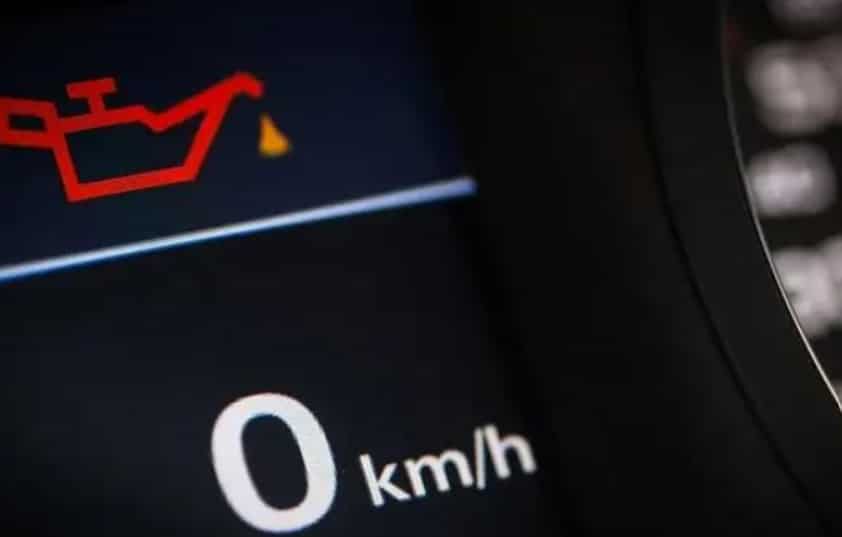
Another common symptom is the oil pressure warning light. This warning may appear when the engine no longer has enough oil to maintain proper lubrication. Ignoring the warning can increase engine wear and lead to expensive repairs.
Many drivers also hear unusual engine noises. Knocking, ticking, or rattling sounds often become louder as oil levels continue to drop. These sounds suggest that important engine components no longer receive enough lubrication.
Blue smoke from the exhaust is another warning sign. The smoke appears when engine oil enters the combustion chamber and burns with the air and fuel mixture. Although this symptom does not occur in every case, it often indicates excessive oil consumption or internal engine wear.
Some vehicles also produce a strong burning oil smell during normal driving. This odor may become more noticeable after long trips or while driving in heavy traffic. Drivers should never ignore this smell because it can indicate an active engine problem.
Engine performance may also decline over time. Drivers often notice slower acceleration, rough idling, reduced fuel efficiency, or occasional engine misfires. These symptoms usually become more severe as the engine continues to lose oil.
In advanced cases, the Check Engine Light may illuminate. If oil consumption remains untreated, the engine can overheat, seize, or fail completely. At that point, repairs may require a complete engine replacement instead of a minor repair.
Owners should check the engine oil level at least once each month. Drivers who notice any of these symptoms should schedule a professional inspection as soon as possible. Early diagnosis often prevents severe engine damage and reduces repair costs.
Why Do Some Kia Engines Burn Oil?
Several factors can cause excessive oil consumption in a Kia engine. In many cases, more than one issue contributes to the problem. A complete inspection helps technicians identify the exact cause before recommending repairs.
Worn piston rings are one of the most common causes. Healthy piston rings create a tight seal between the piston and the cylinder wall. When these rings wear out, engine oil passes into the combustion chamber and burns during normal operation.
Damaged cylinder walls can create similar problems. Scratches or excessive wear allow oil to bypass the piston rings. As a result, the engine consumes oil much faster than normal.
Valve stem seals also play an important role. These seals prevent engine oil from entering the combustion chamber through the cylinder head. As they age, they lose their flexibility and allow oil to leak into the engine during operation.
A faulty Positive Crankcase Ventilation system can also increase oil consumption. The system controls pressure inside the engine and returns oil vapors to the intake system. If it fails, the engine may draw excessive oil into the combustion process.
Poor maintenance can make the problem even worse. Delaying oil changes, using the wrong oil viscosity, or driving with low oil levels increases internal engine wear. Over time, these conditions reduce engine reliability and shorten its service life.
Driving habits also affect oil consumption. Frequent short trips prevent the engine from reaching normal operating temperature. Aggressive acceleration, heavy towing, and high speed driving place additional stress on internal engine components.
Although excessive oil consumption may seem minor at first, it often signals a larger mechanical issue. Identifying the root cause early gives owners the best chance to avoid major engine repairs and maintain long term vehicle reliability.
How to Check If Your Kia Qualifies
If you believe your vehicle has an oil consumption problem, you should confirm whether it qualifies for a recall, warranty extension, or another manufacturer program. The process is simple and only takes a few minutes.
First, locate your Vehicle Identification Number. You can find it on the driver’s side dashboard, inside the driver’s door frame, or in your vehicle registration documents.
Next, enter the Vehicle Identification Number into Kia’s official recall lookup tool. The system checks whether your vehicle qualifies for any active recall or manufacturer repair program.
You should also search the National Highway Traffic Safety Administration database. This resource lists active recalls and provides additional safety information for vehicles sold in the United States.
After checking both databases, contact an authorized Kia dealership. Explain the symptoms you have experienced and request a complete engine inspection. Be prepared to provide maintenance records because the dealership may review your service history before approving repairs.
Many dealerships perform an oil consumption test before making a repair decision. During this process, technicians record the current oil level and inspect the engine for leaks. You then drive the vehicle for a specified distance before returning for another inspection. The results help determine whether the engine consumes oil beyond Kia’s acceptable limits.
Keep copies of all inspection reports, repair invoices, and maintenance records. These documents may support warranty claims or reimbursement requests if your vehicle qualifies for additional repair coverage.
Taking these steps early helps protect your engine and improves your chances of receiving assistance before the problem becomes more severe.
Repair Options for Kia Oil Consumption Problems
The best repair option depends on the cause of the oil consumption problem. A professional inspection helps identify the damaged components and determines the most effective solution. Choosing the right repair early can prevent more serious engine damage.
Technicians usually begin with a complete engine inspection. They check for external oil leaks, inspect the engine for internal wear, and review the vehicle’s maintenance history. They may also perform an oil consumption test to measure how much oil the engine uses over a specific distance.
Minor problems may only require replacing worn components. For example, technicians may repair the Positive Crankcase Ventilation system or replace damaged valve stem seals. These repairs often restore normal engine performance when technicians identify the problem early.
More serious cases may require internal engine repairs. Worn piston rings, damaged cylinder walls, or excessive bearing wear can increase oil consumption and reduce engine reliability. These repairs require significant labor because technicians must disassemble the engine.
Some vehicles qualify for a short block replacement or a complete engine replacement. Kia may approve these repairs if the vehicle meets the requirements of a recall, warranty extension, or another manufacturer program. Approval usually depends on inspection results and service records.
Owners who do not qualify for manufacturer assistance may need to pay for repairs themselves. Repair costs vary widely because each engine requires different parts and labor. Delaying repairs often increases the final cost because additional engine components may become damaged.
Routine maintenance remains the best way to reduce future engine problems. Drivers should use the recommended engine oil, follow the maintenance schedule, and check the oil level regularly. These simple habits help extend engine life and improve long term reliability.
Kia Oil Consumption Recall vs Warranty Extension
Many owners confuse a recall with a warranty extension. Although both programs help vehicle owners, they serve different purposes and follow different rules. Understanding the difference helps you know what benefits may apply to your vehicle.
A safety recall addresses a defect that creates a safety risk. The manufacturer repairs the affected vehicle without charging the owner. Recall eligibility depends on the Vehicle Identification Number rather than the vehicle owner or maintenance history.
A warranty extension provides additional repair coverage beyond the original warranty period. Kia may introduce this program after identifying a recurring problem in certain engines or vehicle models. Unlike a recall, a warranty extension often includes specific conditions that owners must meet.
For example, a dealership may require proof of regular maintenance before approving warranty repairs. Technicians may also inspect the engine to confirm that the failure matches the conditions covered by the program.
Some vehicles may qualify for both a recall and a warranty extension. Others may qualify for only one program or neither. This is why checking the Vehicle Identification Number remains the most reliable way to confirm available coverage.
If your vehicle does not qualify for a recall, you should still ask the dealership about warranty extensions, service campaigns, or goodwill assistance. These programs may reduce repair costs even when no official recall applies.
What to Do If Kia Denies Your Claim
A denied repair claim does not always mean that you have reached the end of the process. Many owners successfully resolve their cases by providing additional information or requesting another review.
Start by asking the dealership for a written explanation of the decision. This document helps you understand why the claim was denied and what information may be missing.
Next, gather all maintenance records, repair invoices, and oil change receipts. These documents demonstrate that you maintained the vehicle according to the manufacturer’s recommendations. A complete service history often strengthens your case.
You should also keep detailed records of the symptoms. Record how often you add engine oil, when warning lights appear, and whether you notice smoke, unusual noises, or reduced engine performance. Clear documentation helps support your claim during future inspections.
If you believe the decision was incorrect, contact Kia customer support and request a case review. In some situations, the manufacturer may authorize additional inspections or offer goodwill assistance after reviewing the available evidence.
Owners may also file a complaint with the National Highway Traffic Safety Administration if they believe the problem involves a potential safety defect. Multiple complaints can help regulators identify patterns that require further investigation.
Remaining organized and documenting every step improves your chances of reaching a fair outcome. Even if your first request is denied, additional evidence may change the final decision.
Frequently Asked Questions
Which Kia models commonly experience excessive oil consumption?
Some owners of the Kia Optima, Kia Sorento, Kia Sportage, Kia Soul, Kia Forte, and Kia Seltos have reported excessive oil consumption. However, not every vehicle within these model lines has the same issue. Engine type, model year, production date, and maintenance history all affect the likelihood of developing oil related problems.
Does Kia offer free repairs for oil consumption problems?
Free repairs depend on your vehicle’s eligibility. Some vehicles qualify through an official recall, while others receive coverage under a warranty extension or another manufacturer program. Always verify your Vehicle Identification Number before scheduling repairs.
How do I know if my Kia qualifies for a recall?
Locate your Vehicle Identification Number and use Kia’s official recall lookup tool. You can also contact an authorized Kia dealership for assistance. The dealership can confirm whether your vehicle qualifies for a recall, a warranty extension, or another repair program.
What causes excessive oil consumption in a Kia engine?
Several factors may increase oil consumption. Common causes include worn piston rings, damaged cylinder walls, faulty valve stem seals, a malfunctioning Positive Crankcase Ventilation system, and internal engine wear. Poor maintenance can also make the problem worse.
Is it safe to drive a Kia that burns oil?
Driving with excessive oil consumption increases the risk of serious engine damage. Low oil levels reduce lubrication and create additional friction between moving components. If you notice rapid oil loss, check the oil level immediately and arrange an inspection as soon as possible.
How often should I check my engine oil?
Drivers should inspect the engine oil at least once each month. You should also check the oil level before long trips and whenever a warning light appears. Frequent inspections help detect problems before they lead to expensive repairs.
Can excessive oil consumption damage my engine?
Yes. Low engine oil reduces lubrication and increases heat and friction inside the engine. Continued operation under these conditions may damage pistons, bearings, cylinder walls, and other critical components. In severe cases, the engine may require a complete replacement.
What should I bring to the dealership?
Bring your maintenance records, oil change receipts, repair invoices, and any documents related to previous inspections. You should also record how often you add engine oil and note any warning lights or unusual engine symptoms. Complete documentation helps technicians evaluate your claim more efficiently.
Conclusion
The Kia Oil Consumption Recall remains an important topic for owners who want to protect their vehicles from unexpected engine damage. Although not every oil consumption issue results in an official recall, many Kia vehicles may qualify for a warranty extension, a manufacturer repair program, or another form of assistance. Understanding the difference between these programs helps you make informed decisions and avoid unnecessary repair expenses.
Early action is the best way to protect your engine. Regularly checking the oil level, following the recommended maintenance schedule, and responding quickly to warning signs can prevent minor issues from becoming major mechanical failures. Drivers who notice rapid oil loss, unusual engine noises, blue exhaust smoke, or warning lights should arrange a professional inspection without delay.
Before paying for major repairs, verify your Vehicle Identification Number through Kia’s official recall database and consult an authorized dealership. A qualified technician can determine whether your vehicle qualifies for repair coverage and recommend the most appropriate solution. Keeping detailed maintenance records and inspection reports also strengthens any future warranty or reimbursement claim.
By understanding the causes, symptoms, repair options, and available manufacturer programs, you can respond with confidence if your vehicle develops excessive oil consumption. Staying informed and acting early will help extend engine life, improve reliability, and reduce the risk of costly repairs in the future.