Kia 2.4 Engine Recall Explained: A Complete Guide to Affected Models, Root Causes, and Repair Coverage is an important topic for many car owners. It affects drivers who may not even know their engine carries a potential risk. The 2.4L GDI engine in several Kia vehicles has shown serious failure patterns over time.
Many drivers report engine knocking, sudden power loss, and high oil consumption. In some cases, the engine stops working while driving. These problems raise safety concerns and repair costs. They also make owners question the reliability of their vehicles.
Regulators and safety agencies have investigated these engine issues. They focused on how and why failures happen in real driving conditions. The goal is to protect drivers and reduce the risk of sudden engine damage.
This guide explains the full Kia 2.4 engine recall situation in a simple way. You will learn which models are affected, what causes the engine failure, and how to recognize early warning signs. The article also explains repair coverage and warranty options. It shows how to check your vehicle using VIN tools and what actions to take if your engine is at risk.
By reading this guide, you will understand the issue clearly. You can then decide how to protect your vehicle, your safety, and your budget.
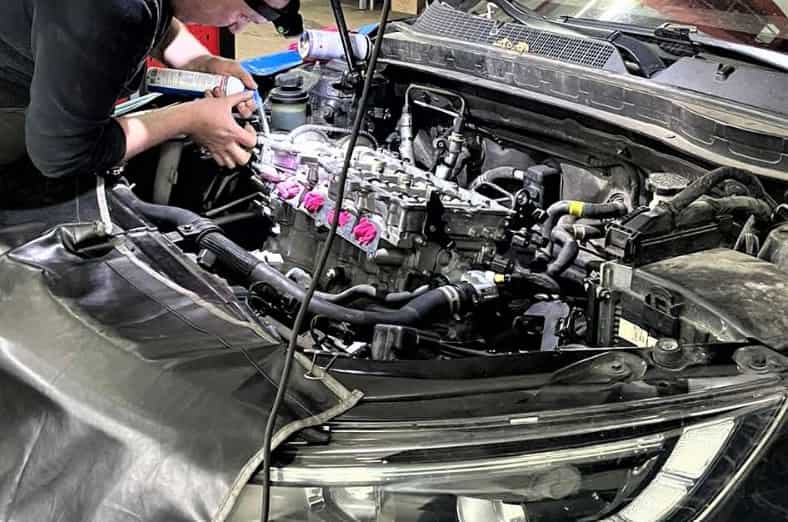
What Is the Kia 2.4 Engine Recall?
The Kia 2.4 engine recall refers to a safety and reliability issue linked to certain 2.4L GDI engines used in several Kia vehicles. The problem comes from reports of premature engine failure that can happen under normal driving conditions. In many cases, drivers experience warning signs such as knocking sounds, loss of power, or sudden engine shutdown.
The issue mainly involves engines connected to the Theta II engine family, which was used across multiple Kia and Hyundai models. Over time, internal components such as rod bearings can wear down faster than expected. When this happens, oil flow becomes restricted and the engine can suffer serious damage.
Regulators like NHTSA investigated these failures because they may increase the risk of stalling while driving. This creates a safety concern, especially at highway speeds or in heavy traffic. As a result, manufacturers introduced recalls, software updates, inspections, and in some cases full engine replacement programs.
Kia Corporation responded by offering extended warranties and repair support for affected owners. However, eligibility depends on model year, engine condition, and maintenance history. Not all vehicles with a 2.4L engine are automatically included, so verification through VIN check is necessary.
Understanding this recall is important because it helps owners identify whether their vehicle is at risk. It also clarifies what kind of support is available from dealerships and what steps drivers should take if symptoms appear.
Affected Kia Models and Production Years
The Kia 2.4 engine recall does not apply to every vehicle with a 2.4L engine. It mainly affects specific models and production years that used early versions of the 2.4L GDI engine. These engines share design similarities with the Theta II engine family, which has documented reliability issues.
Several Kia models have been linked to this recall situation. The most commonly affected vehicles include Kia Sorento, Kia Sportage, and Kia Optima. Some model years of these vehicles are more vulnerable due to engine design and manufacturing period. In many cases, the risk is higher in vehicles produced during earlier production cycles before design improvements were introduced.
The issue is not limited to Kia only. Many engines were developed in collaboration with Hyundai, which means some Hyundai models share similar problems. However, Kia owners remain a primary focus due to widespread reports of engine failure in real-world driving conditions.
Production year plays a key role in determining risk level. Older vehicles are more likely to experience issues such as rod bearing wear, oil flow restriction, and engine knocking. Newer models may include design improvements, but owners still need to verify eligibility because changes were introduced gradually, not all at once.
To confirm whether a specific vehicle is affected, owners must check the VIN through official recall databases or dealer systems. This step is important because two vehicles of the same model may have different engine versions depending on production batch.
Understanding affected models helps owners quickly assess risk. It also allows buyers in the used car market to avoid potential long-term engine problems.
Common Symptoms of the 2.4 Engine Failure
The Kia 2.4 engine often shows early warning signs before a major failure happens. Recognizing these symptoms early can help prevent severe damage and reduce repair costs. Many drivers ignore the initial signs because the vehicle may still run normally at first.
One of the most common symptoms is engine knocking. This sound usually comes from internal friction or worn components inside the engine. It often becomes more noticeable during acceleration or when the engine is under load.
Another key sign is increased oil consumption. Some drivers notice that their engine oil level drops faster than normal between oil changes. This can indicate internal wear or oil leakage within the engine system.
Loss of power is also frequently reported. The vehicle may feel slower, less responsive, or struggle when climbing hills or accelerating. In some cases, the check engine light turns on and stays on for an extended period.
More serious symptoms include engine stalling or sudden shutdown while driving. This happens when internal components fail completely or oil flow becomes insufficient. At this stage, the engine may not restart, which creates a safety risk on the road.
These warning signs should never be ignored. Early inspection at a dealership or qualified mechanic can help identify whether the engine is at risk. Acting early can make the difference between a simple repair and a full engine replacement.
Root Causes of Kia 2.4 Engine Problems
The Kia 2.4 engine failure issue comes from a combination of design limitations and long-term mechanical stress. Most problems trace back to internal engine components that wear faster than expected under normal driving conditions.
One major cause is rod bearing failure. The rod bearings help reduce friction between moving parts inside the engine. When these bearings wear down or lose proper lubrication, metal contact increases and heat builds up quickly. This can lead to knocking sounds and eventual engine seizure.
Oil flow problems also play a key role. If oil circulation becomes restricted or inconsistent, the engine cannot stay properly lubricated. This increases friction and accelerates wear on critical components. Over time, this condition can damage the entire engine system.
Another contributing factor is manufacturing tolerance variation. Small differences during production can affect how tightly engine components fit together. When combined with heat and pressure during daily driving, these small variations can become long term reliability issues.
The engine design itself, especially in early 2.4L GDI versions, has been widely discussed in automotive investigations. Direct injection systems operate under high pressure, which increases stress on internal parts. Without consistent lubrication and cooling, these conditions can shorten engine lifespan.
In real world use, these factors often interact with driving habits and maintenance history. Poor oil maintenance or delayed service can increase the risk, but even well maintained vehicles have reported failures. This is why the issue is treated as a broader engineering concern rather than simple user error.
Repair Options and Recall Coverage
When a Kia 2.4 engine is confirmed to be affected, owners may receive support through recall programs or warranty extensions. The exact solution depends on the vehicle condition, mileage, and inspection results from the dealership.
In many cases, Kia offers engine inspection first. Technicians check for abnormal noise, oil consumption issues, and internal damage signs. If the engine shows early-stage problems, the manufacturer may apply software updates or preventive fixes. If the engine has already failed or shows severe damage, a full engine replacement is usually required.
Engine replacement is the most common long-term solution. Kia may provide a remanufactured or new engine depending on availability and policy at the time. This repair is often covered under extended warranty programs for eligible vehicles, which reduces or removes direct cost for the owner.
However, not every case qualifies automatically. Eligibility depends on factors such as service history, mileage, and whether the vehicle falls within the recall or warranty extension list. This is why VIN verification is essential before assuming coverage.
In some situations, owners outside warranty coverage may need to pay for repairs. Costs can be significant because engine replacement is one of the most expensive automotive repairs. This is why early detection and recall verification are important for minimizing financial risk.
Dealers usually handle the entire process, including diagnosis, claim submission, and repair coordination with Kia Corporation. This ensures that the repair follows official technical guidelines and safety standards.
How to Check If Your Kia Is Affected
Checking whether your vehicle is part of the Kia 2.4 engine recall is a critical step for every owner. Many vehicles with similar engines are not affected, so confirmation is required before taking any action.
The most reliable method is using the Vehicle Identification Number, also called VIN. Every Kia has a unique VIN that contains detailed manufacturing and engine information. Owners can enter this number into official recall lookup tools provided by safety agencies or Kia service systems.
Another option is to visit an authorized Kia dealership. Service staff can check the vehicle record directly in the manufacturer database. This method is often more accurate because it includes internal service campaigns that may not appear in public databases.
The National Highway Traffic Safety Administration system also provides a public recall search tool. By entering the VIN, owners can see whether any safety recalls or engine-related campaigns apply to their vehicle.
If a vehicle is affected, the system will show available repair programs or required inspections. In some cases, the vehicle may not be listed as recalled but still qualify for extended warranty coverage based on engine type and production period.
Owners should not ignore warning signs even if the VIN check shows no active recall. Engine problems can still develop due to wear or maintenance history. In such cases, a professional inspection is the best next step.
Safety Risks and Driving Recommendations
The Kia 2.4 engine issue creates more than just repair costs. It can also create real safety risks for drivers and passengers. The most serious concern is sudden engine failure while driving, which may lead to loss of power without warning.
When engine power drops unexpectedly, the vehicle may struggle to accelerate or maintain speed. This becomes especially dangerous on highways or busy roads where traffic moves fast. In some cases, the engine may stall completely, which increases the risk of accidents.
Early warning signs such as knocking noises, oil pressure issues, or check engine lights should always be taken seriously. Continuing to drive under these conditions can make the damage worse and increase the chance of complete engine failure.
If a vehicle shows strong symptoms, drivers should reduce long distance driving and visit a dealership as soon as possible. In severe cases, it is safer to stop driving the vehicle until it has been inspected. This helps prevent further internal damage and reduces safety risks on the road.
Regular maintenance and oil checks can help slow down engine wear, but they cannot fully eliminate the underlying design-related risks in affected engines. That is why recall verification and early diagnosis remain the most important steps for owners.
Safety should always come before convenience. Understanding when to stop driving and seek inspection can protect both the vehicle and the driver from serious consequences.
Long-Term Reliability After Repair
After a Kia 2.4 engine is repaired or replaced, many owners want to know how reliable the vehicle will be in the long term. In most recall or warranty cases, the replacement engine is designed to restore normal performance and reduce the risk of repeat failure.
A properly installed replacement engine can significantly improve reliability. Kia dealerships usually use updated components or redesigned parts that address known weaknesses in earlier engine versions. This helps reduce issues such as rod bearing wear and oil flow instability.
However, long-term reliability still depends on how the vehicle is maintained after repair. Regular oil changes, correct oil grade usage, and timely servicing play an important role in extending engine life. Even a repaired engine can develop problems if maintenance is neglected.
Some owners report stable performance for many years after engine replacement, while others still experience minor issues depending on driving habits and conditions. This variation shows that repair quality and maintenance discipline both matter.
It is also important to understand that a recall repair does not make the vehicle completely new. Other components such as transmission, cooling system, and sensors still age over time. Owners should continue routine inspections to ensure overall vehicle health.
In general, a repaired Kia 2.4 engine can perform reliably when properly maintained. The key is consistent care and early attention to any new warning signs that may appear after repair.
Conclusion
The Kia 2.4 Engine Recall remains an important issue for many vehicle owners because it involves both safety risks and long term repair costs. The problem is linked to specific engine designs that can develop serious internal wear over time. This wear may lead to symptoms such as knocking sounds, oil consumption problems, power loss, or even sudden engine failure.
Understanding the affected models, root causes, and warning signs helps owners take the right action early. It also reduces the chance of unexpected breakdowns and expensive repairs. Checking the VIN and confirming recall eligibility is one of the most important steps every owner should take, especially for older vehicles with 2.4L GDI engines.
Repair programs and warranty coverage from Kia Corporation can significantly reduce financial burden for eligible vehicles. In many cases, engine replacement restores normal performance and improves long term reliability. However, proper maintenance after repair still plays a key role in keeping the engine stable over time.
This guide shows that awareness is the most powerful tool for vehicle owners. When drivers understand the risks and act early, they can protect both safety and investment. If your vehicle shows any warning signs, or if you are unsure about recall status, a professional inspection is always the safest next step.