The Kia Air Conditioning Recall affects many drivers who face sudden cooling problems in their vehicles. Drivers often notice that the air conditioning stops working or becomes weak during hot weather. This creates discomfort and can affect driving experience in daily use.
A vehicle recall happens when the manufacturer finds a defect that may affect performance or safety. Kia may issue a recall when the air conditioning system shows repeated failures across specific models. The HVAC system controls temperature, airflow, and cabin comfort. When it fails, drivers lose proper cooling inside the vehicle.
Many Kia owners do not realize that AC problems can relate to a known defect. They may think the issue comes from normal wear or low refrigerant. In some cases, the real cause comes from compressor failure, electrical faults, or design issues in the HVAC system.
This guide explains the Kia Air Conditioning Recall in detail. You will learn what causes the issue, which models may be affected, and how the repair process works at authorized Kia service centers. You will also understand how to check your vehicle using the VIN system and what steps you should take if your car is part of the recall.
By the end of this article, you will clearly understand the problem and know how to respond if your Kia vehicle shows signs of air conditioning failure.
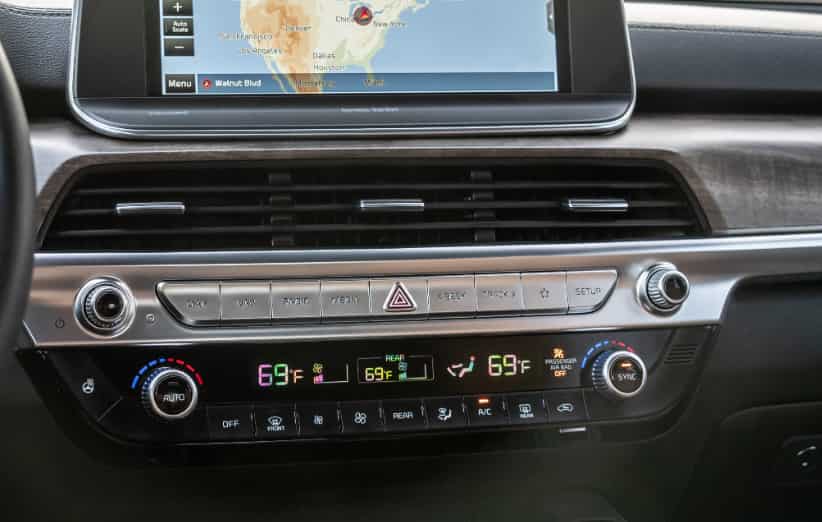
WHAT IS KIA AIR CONDITIONING RECALL?
A Kia Air Conditioning Recall refers to a manufacturer action that addresses defects in the vehicle’s air conditioning system. Kia issues this recall when specific models show repeated failures in the HVAC system. The goal is to fix the problem at no cost for affected owners.
Kia operates as a global automotive manufacturer that builds passenger cars and SUVs for many markets. The company monitors vehicle performance through service data and customer reports. When engineers detect a consistent defect, they may launch a recall or a service campaign.
A recall is different from a regular repair or warranty claim. A recall targets a known defect that affects a group of vehicles. A warranty repair only applies to individual issues under normal conditions. A service campaign may involve minor updates or inspections without major safety risks.
The HVAC system plays a key role in vehicle comfort. It controls cooling, heating, airflow, and humidity inside the cabin. The system depends on several components such as the compressor, condenser, refrigerant lines, and electronic control modules. When one of these parts fails, the air conditioning system may stop working or lose efficiency.
In many Kia vehicles, issues such as compressor failure or electrical faults can trigger a recall investigation. These problems may affect cooling performance and driver comfort. In some cases, software errors in the control module can also lead to inconsistent operation of the air conditioning system.
Understanding this definition helps drivers recognize the seriousness of the issue. It also helps them distinguish between normal AC wear and a potential recall condition that requires official inspection and repair.
CAUSES OF KIA AIR CONDITIONING RECALL
The Kia Air Conditioning Recall usually happens because of technical failures inside the HVAC system. These failures affect cooling performance and reduce comfort for drivers and passengers. Kia engineers study these issues to find the root cause and prevent future problems.
One common cause comes from compressor failure. The compressor controls refrigerant flow in the air conditioning system. When it breaks or works inconsistently, the system cannot produce cold air. Drivers often notice weak cooling or complete loss of air conditioning in this situation.
Another cause comes from refrigerant leakage. The HVAC system relies on a sealed circuit filled with refrigerant gas. If a leak occurs, the system loses pressure and cooling efficiency drops. Small leaks can become bigger over time and lead to total system failure.
Electrical issues also play an important role. Modern Kia vehicles use electronic control modules to manage the HVAC system. A software error or wiring defect can interrupt signals between components. This can cause the air conditioning to stop working or behave unpredictably.
Manufacturing issues can also trigger recalls. Some parts come from external suppliers in the automotive supply chain. If a supplier produces a faulty component, multiple vehicles may experience the same problem. Kia then investigates and may issue a recall if the defect affects safety or performance.
Heat stress in the engine bay can also contribute to failure. High temperatures place pressure on HVAC components. Over time, this can weaken seals, damage compressors, or reduce system efficiency.
These combined factors explain why the Kia Air Conditioning Recall appears in certain models and production batches. Identifying the root cause helps manufacturers design better systems and reduce future failures.
AFFECTED KIA MODELS
The Kia Air Conditioning Recall does not affect all vehicles in the same way. It usually impacts specific models and production years where the defect appears in the HVAC system. Kia identifies these vehicles through internal testing, service reports, and customer feedback.
Many cases involve popular Kia models such as the Kia Sportage, Kia Sorento, Kia Forte, and Kia K5. These vehicles use similar HVAC components or shared platform designs. When a defect appears in one system, it may affect multiple models that use the same parts.
Kia uses the Vehicle Identification Number system, also known as VIN, to track affected vehicles. Each car has a unique VIN that stores production details. Owners can enter this number into the official Kia recall database or contact a dealership to check if their vehicle is included in the recall list.
The affected models may vary depending on region and manufacturing batch. Some recalls apply only to specific markets where production lines used the same supplier components. This means two identical models can have different recall status depending on where they were built.
In many cases, Kia releases updated recall lists as new data becomes available. Drivers should check regularly instead of assuming their vehicle is safe. Even if a car has no symptoms, it may still be part of a recall group.
Understanding which models are affected helps owners take action early. It also prevents further damage to the HVAC system and ensures proper repair through official Kia service centers.
SYMPTOMS OF KIA AIR CONDITIONING PROBLEMS
Drivers often notice early signs before a full Kia Air Conditioning Recall issue appears. These symptoms usually start small but become more serious over time. Identifying them early helps prevent costly repairs and system damage.
One common symptom is weak cooling. The air conditioning may still run, but the air inside the cabin does not feel cold. This often happens when the compressor loses efficiency or when refrigerant levels drop.
Another sign is inconsistent airflow. The system may blow cold air for a short time and then switch to warm air. This behavior usually indicates an electrical or control module issue inside the HVAC system.
Unusual noise is also a warning sign. Drivers may hear clicking, grinding, or buzzing sounds when the AC is on. These noises often come from a failing compressor or worn mechanical parts.
Some vehicles may also show complete AC failure. In this case, the system does not produce any airflow or cooling at all. This condition often requires immediate inspection at a Kia service center.
In some cases, the air conditioning may work only at certain speeds or temperatures. This irregular behavior often points to sensor or software issues inside the control system.
Many drivers mistake these symptoms for normal wear and tear. However, when multiple Kia models show the same issues, it may indicate a broader recall condition. Recognizing these signs early helps owners take action before the problem becomes worse.
REPAIR PROCESS FOR KIA AIR CONDITIONING RECALL
The repair process for a Kia Air Conditioning Recall follows a structured system at authorized Kia service centers. Kia designs this process to ensure affected vehicles receive proper inspection and correction without cost to the owner.
The first step involves a VIN check. The owner enters the Vehicle Identification Number into the official Kia recall system or provides it to a dealership. The system confirms whether the vehicle belongs to the recall group.
The second step is appointment scheduling. Once the recall is confirmed, the driver books a service visit at an authorized Kia dealership. The service team prepares the required parts and diagnostic tools before the vehicle arrives.
The third step is inspection. Technicians examine the HVAC system to identify the exact cause of the problem. They check components such as the compressor, refrigerant lines, sensors, and electronic control modules.
The fourth step is repair or replacement. Kia technicians may replace faulty parts, update software, or fix wiring issues depending on the diagnosis. The goal is to restore full air conditioning performance.
The final step is system testing. After repair, the HVAC system is tested under different conditions to confirm stable cooling and proper airflow. The vehicle is only released when the system works correctly.
In most cases, Kia covers all repair costs under the recall program. This includes parts, labor, and diagnostics. The process ensures that drivers can restore their vehicle performance without financial burden.
WHAT OWNERS SHOULD DO NOW
Owners who suspect a Kia Air Conditioning Recall issue should take action early. Quick response helps prevent further damage to the HVAC system and ensures safe vehicle operation.
The first step is to check the vehicle using the VIN. Each Kia vehicle has a unique identification number. Owners can use this number to confirm recall status through the official Kia system or by contacting a dealership.
The second step is to monitor symptoms. Drivers should pay attention to weak cooling, unusual noise, or inconsistent airflow. These signs often indicate a developing HVAC problem that may require inspection.
The third step is to contact an authorized Kia service center. Dealership technicians have access to official recall information and repair tools. They can confirm whether the vehicle needs repair and schedule a service appointment.
The fourth step is to avoid delaying repairs. Ignoring recall-related issues can lead to more serious damage in the air conditioning system. This may increase repair complexity if the issue is not addressed early.
Owners should also avoid attempting self-repair. The HVAC system contains pressurized refrigerant and electronic components. Improper handling can cause damage or safety risks.
Kia typically provides recall repairs at no cost. This includes inspection, parts replacement, and labor. Owners should take advantage of this support to restore full system performance.
Taking these steps ensures the vehicle remains safe, comfortable, and fully functional in daily driving conditions.
CONCLUSION
The Kia Air Conditioning Recall highlights important issues in vehicle HVAC systems. These issues affect comfort, performance, and long term reliability. Many drivers only notice the problem when cooling performance drops or the system stops working completely.
This article explained the main causes of the recall. These include compressor failure, refrigerant leakage, electrical faults, and manufacturing defects. Each of these issues can affect how the air conditioning system operates in different Kia models.
We also covered the affected models and how Kia identifies them using the VIN system. Not all vehicles are impacted, but owners should always check their recall status to stay informed.
The repair process is designed to help drivers fix the issue without cost. Kia provides inspection, replacement, and testing through authorized service centers. This ensures the HVAC system returns to proper working condition.
Early action is important. Drivers who notice symptoms such as weak cooling or unusual noise should not ignore them. Quick diagnosis helps prevent further damage and improves driving comfort.
Understanding the Kia Air Conditioning Recall helps owners make better decisions and protect their vehicles. Regular checks and timely repairs ensure long term reliability and safe driving experience.