Kia Airbag Light On is a serious dashboard warning that drivers should never ignore. This light shows that the airbag system has detected a problem. It means the Supplemental Restraint System may not work correctly in a crash.
In vehicles from Kia, the SRS system monitors airbags, seat belts, and crash sensors at all times. When the system finds an error, it turns on the warning light immediately. This helps alert the driver before a safety failure happens.
Many drivers think this warning is a small electronic glitch. However, the issue often affects core safety components. A fault in this system can prevent airbags from deploying during an accident.
The cause of Kia Airbag Light On can vary. Some cases come from a weak battery or unstable voltage. Other cases involve damaged sensors, wiring issues, or a faulty clock spring inside the steering wheel. Each cause requires a different fix.
This guide explains what the warning light means, why it appears, and how to fix it step by step. It also helps you understand when the issue is simple and when it requires professional repair.
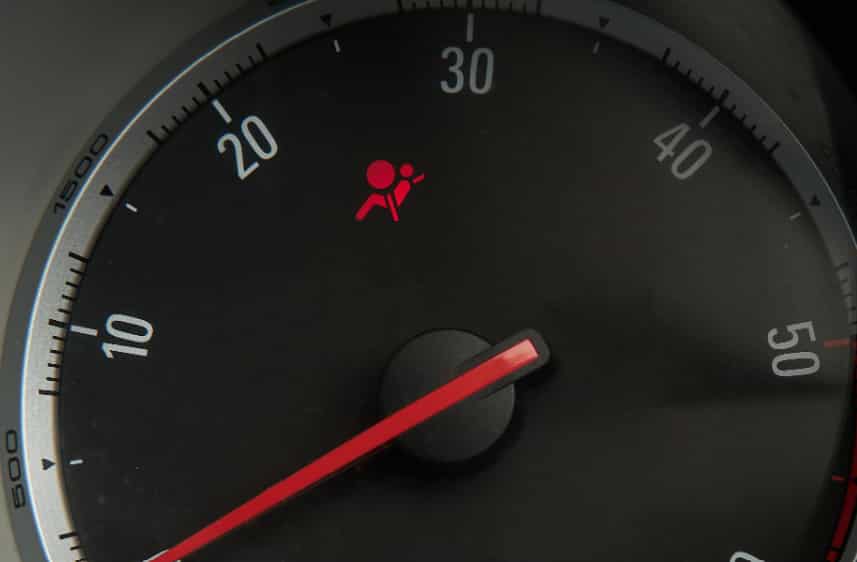
What Does Kia Airbag Light On Mean?
The Kia Airbag Light On warning indicates that the vehicle has detected a fault in the Supplemental Restraint System. This system controls airbags and seat belt pretensioners. It also monitors crash sensors that activate during an accident. When the system detects an issue, it turns on the warning light to alert the driver immediately.
In vehicles from Kia, the SRS system runs continuous self checks. It evaluates sensor signals, wiring connections, and control module status every time the engine starts. If any value falls outside the safe range, the system stores a fault code and activates the warning light on the dashboard.
The Kia Airbag Light On does not always mean that airbags will fail completely. However, it confirms that the system cannot guarantee full protection at that moment. In some cases, only one component fails while the rest of the system still works. In other cases, the entire SRS system may shut down as a safety precaution.
Drivers often confuse this warning with minor electrical issues. This misunderstanding creates risk because the problem may involve critical safety hardware. A stable airbag system is essential for crash protection, so the warning should always be treated as important.
The meaning of the light depends on the stored diagnostic code. Some codes point to seat belt sensors, while others relate to wiring, steering wheel components, or the airbag control module. Proper diagnosis is necessary to identify the exact cause and restore system safety.
Common Causes of Kia Airbag Light On
The Kia Airbag Light On warning can appear for several different reasons. The SRS system is highly sensitive, so even a small electrical issue can trigger the alert. Understanding the root cause helps you avoid unnecessary repairs and focus on the real problem.
One of the most common causes is a faulty seat belt buckle sensor. This sensor detects whether the seat belt is properly fastened. When it fails, the system assumes a safety risk and activates the warning light.
Another frequent issue is a damaged clock spring inside the steering wheel. This component connects electrical signals between the steering wheel and the airbag system. When it wears out, the airbag circuit becomes unstable and the warning light appears.
Wiring problems can also trigger the Kia Airbag Light On. Loose or corroded connectors under the seats often interrupt the signal. This usually happens when seats are adjusted frequently or after interior repairs.
Low battery voltage is another important cause. A weak battery or unstable voltage after engine start can confuse the SRS module. In many cases, the light appears right after battery replacement or jump-starting the vehicle.
In some cases, the issue comes from the airbag control module itself. This module manages the entire SRS system. When it detects internal failure or corrupted data, it stores a fault code and activates the warning light.
Seat occupancy sensors can also fail, especially in the passenger seat. These sensors detect weight and position to control airbag deployment. If the sensor sends incorrect data, the system will trigger a warning.
Each of these causes requires proper diagnosis before repair. Replacing parts without confirming the fault can lead to unnecessary cost and may not fix the issue.
Kia Airbag Light On After Battery Change
The Kia Airbag Light On warning often appears after a battery change or a weak battery event. This situation confuses many drivers because the vehicle seems to work normally, but the warning light stays on. The issue usually relates to how the SRS system reacts to voltage changes.
When the battery is disconnected or replaced in vehicles from Kia, the control modules reset their power state. The Supplemental Restraint System is very sensitive to voltage drops during this process. If the voltage falls below a stable threshold, the SRS module may store a fault code even if no real component is damaged.
In some cases, the system only needs a reset after the battery stabilizes. The warning light may turn off after several driving cycles once the voltage returns to normal. However, if the light remains on, the system has likely recorded a permanent fault that requires diagnosis.
A common misunderstanding is assuming the airbag system is broken immediately after battery replacement. In reality, the system may simply detect a temporary communication error between modules during power loss. This is especially common when the battery is replaced without maintaining backup power to the ECU.
If the Kia Airbag Light On appears after a battery change, the first step is to check battery health and voltage stability. If the battery is healthy, the next step is to scan the SRS system for stored error codes. This helps determine whether the issue is temporary or linked to a real sensor or wiring fault.
Ignoring the warning is not recommended because even a temporary fault code can indicate unstable system communication. Proper diagnosis ensures the SRS system is fully restored and ready for emergency protection.
Is It Safe to Drive With Kia Airbag Light On?
Driving with the Kia Airbag Light On is not considered safe because it indicates a problem in the Supplemental Restraint System. This system is responsible for activating airbags and seat belt pretensioners during a collision. When the warning light stays on, the system may not function as designed.
In vehicles from Kia, the SRS system is designed to fail in a safe mode when it detects an error. This means the system may disable part or all of the airbag network to prevent incorrect deployment. While this protects against accidental airbag activation, it also reduces crash protection.
If the Kia Airbag Light On is active, airbags may not deploy in a serious accident. Seat belt pretensioners may also stop working. These systems work together to reduce injury risk, so losing even one function increases danger during impact.
Some drivers continue using the car because it still drives normally. The engine, brakes, and steering often remain unaffected. However, normal driving performance does not mean the safety system is working correctly.
The risk level depends on the cause of the warning. A minor wiring issue may only affect one sensor. A control module failure may disable the entire system. Without diagnosis, the driver cannot know the exact level of risk.
For safety reasons, the best approach is to treat the warning as urgent. The vehicle should be checked as soon as possible using a diagnostic scan. This ensures the airbag system can return to full protection before further driving.
How to Diagnose Kia Airbag Light On
Diagnosing the Kia Airbag Light On requires a structured approach because the SRS system stores fault codes that are not visible without proper tools. The warning light only shows that an error exists, but it does not identify the exact component causing the problem.
In vehicles from Kia, the first step in diagnosis is to use an OBD2 scanner that supports SRS or airbag systems. Standard engine scanners cannot read these codes. A proper diagnostic tool will connect to the SRS module and retrieve stored error codes.
Once the codes are retrieved, each code points to a specific system area. It may indicate issues such as a faulty seat belt sensor, steering wheel clock spring, or airbag control module. These codes help narrow down the problem and prevent unnecessary part replacement.
The next step is to check battery voltage and electrical stability. Low or unstable voltage often triggers false SRS warnings. A simple voltage test can help confirm whether the electrical system is contributing to the issue.
A visual inspection is also important. Technicians often check connectors under the seats because these can become loose or dirty over time. Even a slightly disconnected plug can interrupt the SRS signal and activate the warning light.
If no visible issues are found, deeper testing may be required. This includes checking wiring continuity and testing individual sensors. In some cases, professional diagnostic equipment is needed to perform system-level checks.
Proper diagnosis is essential before attempting any repair. It ensures the root cause is identified correctly and prevents unnecessary costs or repeated failures.
How to Fix Kia Airbag Light On
Fixing the Kia Airbag Light On depends entirely on the root cause found during diagnosis. The SRS system is safety critical, so every repair must address the exact fault instead of guessing or replacing parts randomly.
In vehicles from Kia, some fixes are simple and involve basic electrical corrections. If the issue comes from a weak battery or unstable voltage, the first step is to fully charge or replace the battery. After that, the system may need a reset using a diagnostic scanner.
If the warning is caused by loose connectors under the seats, reconnecting and cleaning the plugs can solve the issue. These connectors often shift when seats are adjusted, which interrupts the SRS signal and triggers the warning light.
When the problem comes from the clock spring in the steering wheel, replacement is usually required. This part controls electrical connections for the airbag and steering wheel functions. Once it wears out, it cannot be repaired safely and must be replaced.
If the seat belt sensor or occupancy sensor fails, the faulty sensor must be replaced. These components send safety data to the SRS module, and incorrect signals will keep the warning active until the issue is fixed.
In more complex cases, the airbag control module may need reprogramming or replacement. This step should only be done by a qualified technician because it involves system calibration and safety data.
After any repair, the SRS system must be scanned again to confirm that all fault codes are cleared. This final step ensures the airbag system is fully restored and ready for emergency protection.
Cost to Fix Kia Airbag Light On
The cost to fix the Kia Airbag Light On varies widely depending on the exact cause of the problem. The Supplemental Restraint System includes multiple electronic and mechanical components, so repair prices can range from very low to quite expensive.
In vehicles from Kia, simple fixes such as battery-related issues or loose connectors are usually the cheapest. A basic diagnostic scan may cost a small fee, and reconnecting or cleaning seat connectors often adds minimal labor cost.
If the issue comes from a clock spring in the steering wheel, the repair cost increases. This component is more complex and requires removal of the steering wheel. Parts and labor combined can be moderate depending on the model and service location.
Seat belt sensors and occupancy sensors also affect pricing. These components are generally mid-range in cost, but labor time can increase if interior disassembly is required. Each sensor must be tested and replaced individually if faulty.
More expensive repairs involve the airbag control module. This is one of the most critical parts of the SRS system. Replacement or reprogramming can be costly because it requires specialized tools and professional calibration.
Dealer service centers usually charge more but provide official diagnostic tools and software. Independent repair shops may offer lower prices, but quality depends on technician experience and equipment.
Overall, the total repair cost depends on whether the issue is electrical, sensor related, or module related. A proper diagnostic scan is always the best way to estimate the final cost accurately before starting repairs.
How to Prevent Kia Airbag Light Issues
Preventing the Kia Airbag Light On warning starts with maintaining stable electrical and sensor conditions in the vehicle. The SRS system is highly sensitive, so small issues can trigger warning signals if the system is not properly maintained.
In vehicles from Kia, one of the most effective prevention methods is maintaining a healthy battery. A weak or unstable battery can cause voltage drops that confuse the SRS module. Regular battery checks help reduce the risk of false warnings.
It is also important to avoid unnecessary force or movement on seat connectors. These connectors sit under the seats and can loosen over time. Keeping the seats stable and avoiding rough adjustments helps maintain a consistent electrical connection.
Routine inspection of the steering wheel system also helps prevent issues. The clock spring is a common failure point, and early signs such as unusual steering wheel behavior should not be ignored. Addressing small issues early can prevent full system failure.
Regular diagnostic scanning is another effective prevention method. A quick scan can detect stored error codes before they trigger the airbag warning light. This allows early repair and reduces long term repair costs.
Clean electrical connections and proper maintenance during interior repairs also play an important role. Any work near airbags or wiring should be handled carefully to avoid damaging sensitive components.
Conclusion
Kia Airbag Light On is not a simple dashboard warning. It is a direct signal that the vehicle’s safety restraint system has detected a fault. This system plays a critical role in protecting passengers during a crash, so any warning should be treated with urgency.
The issue can come from many causes such as battery instability, faulty sensors, wiring problems, or steering wheel components. In vehicles from Kia, the SRS system is designed to detect even small electrical irregularities, which helps improve safety but also increases sensitivity to faults.
Understanding the meaning, diagnosing the root cause, and applying the correct repair method ensures the system returns to full operation. Ignoring the warning increases risk because airbags and seat belt pretensioners may not function when needed.
If the Kia Airbag Light On remains active after basic checks, professional diagnostic testing is the safest option. Proper maintenance and early inspection are the best ways to prevent recurring issues and keep the vehicle’s safety system reliable.