The Hyundai White Paint Recall has become a serious issue for many vehicle owners. Thousands of drivers have reported peeling, bubbling, and flaking paint on their cars. Most complaints involve white Hyundai models, especially vehicles with pearl white finishes. Many owners first notice small chips on the hood, roof, or doors. Over time, the damage spreads across larger areas and becomes difficult to ignore.
Many Hyundai owners feel frustrated because the paint problems appear earlier than expected. Some drivers discover the issue only a few years after buying the vehicle. Others struggle to get approval for free repairs through dealerships. In some cases, repainting a damaged vehicle can cost thousands of dollars. This creates additional stress for owners who already worry about losing resale value.
The Hyundai White Paint Recall has also raised questions about warranty coverage and manufacturer responsibility. Some vehicles qualify for repair programs, while others do not. Because of this, many drivers search for clear answers before the paint damage becomes worse.
This guide explains everything Hyundai owners need to know about the issue. You will learn which models are affected, why the white paint begins to peel, and how Hyundai handles repair claims. You will also discover the best repair options and ways to reduce long term paint damage.
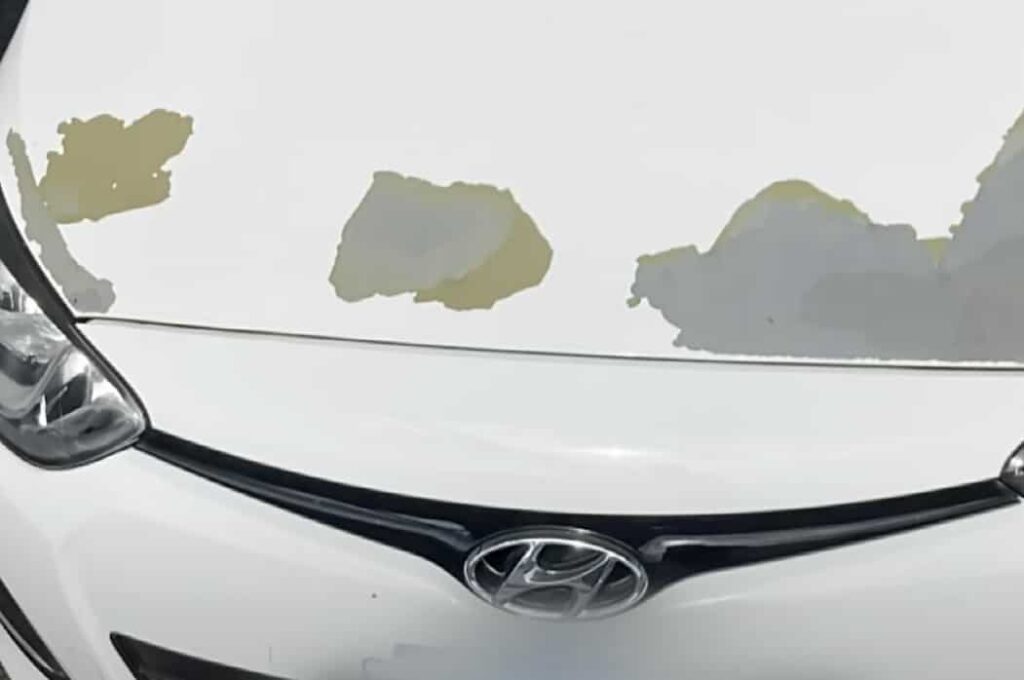
What Is the Hyundai White Paint Recall?
The Hyundai White Paint Recall describes widespread complaints about peeling and failing white paint on certain Hyundai vehicles. Many owners report that the paint begins to crack, bubble, or peel without any prior accident or damage. The issue most often appears on white or pearl white finishes, which seem more vulnerable than other colors.
In most cases, the problem relates to paint delamination. This happens when the paint layers lose proper adhesion to the vehicle surface. Once the bond weakens, the paint starts lifting from the body panels. Drivers usually notice small chips at first. These chips then expand into larger peeling areas over time. The damage often appears on high exposure sections such as the roof, hood, trunk, and door edges.
Many owners assume this situation is a formal safety recall. In reality, Hyundai often handles it through warranty extensions or special service campaigns. These programs may cover repairs for certain models and production years, but eligibility is not guaranteed for all vehicles. This creates confusion for many Hyundai owners who expect full recall coverage.
Environmental conditions can also make the issue worse. Strong sunlight, heat, humidity, and road contaminants may speed up paint breakdown when the factory bond is weak. Once the damage starts, it usually continues to spread unless the panel is repainted or repaired.
Understanding this issue helps owners decide whether they qualify for repair support and what steps to take next.
Why Does Hyundai White Paint Peel?
Hyundai white paint peeling usually starts with a failure in the paint bonding process. The paint layers do not always attach properly to the base primer or metal surface during manufacturing. When this happens, the outer layer becomes weak and starts separating over time. Once the adhesion breaks, the damage spreads across the panel.
Heat and sunlight also play a major role. Vehicles that stay under strong UV exposure for long periods often show faster paint deterioration. The white and pearl white finishes reflect heat differently, which can create stress between paint layers. Over time, this stress leads to cracking, bubbling, and peeling.
Moisture and environmental exposure make the problem worse. Rain, humidity, and road chemicals can enter small paint cracks and weaken the layers underneath. Once moisture gets inside, the paint loses stability and begins to lift from the surface. This is why many owners first notice damage around edges, corners, and roof lines.
Early warning signs often appear before full peeling begins. Small chips, dull spots, or slight discoloration may show up on the hood or trunk. These signs usually indicate that the paint layer is already weakening. If ignored, the damage spreads quickly and becomes more expensive to repair.
The combination of manufacturing issues and environmental stress explains why this problem affects many Hyundai vehicles, especially those with white paint finishes.
Which Hyundai Models Are Affected by the White Paint Problem?
The Hyundai white paint problem has been reported across multiple popular models, showing that the issue is not limited to a single vehicle line or production year. Instead, owners of different Hyundai sedans and SUVs have shared similar experiences involving peeling, bubbling, and flaking paint, especially on vehicles with white or pearl white finishes. The problem typically starts on exposed areas such as the roof, hood, trunk, and door panels, where sunlight and weather exposure are strongest.
The Hyundai Sonata is one of the most commonly mentioned models in white paint complaints. Many owners report that the paint begins to chip or peel after a few years of normal use. In some cases, the damage spreads quickly from small surface defects into larger peeling sections that affect the overall appearance of the vehicle. This issue often becomes noticeable even when the car has been regularly washed and properly maintained.
The Hyundai Elantra is another model frequently associated with paint peeling problems. Owners often notice early signs of fading or discoloration before the paint starts to lift from the surface. The damage is commonly found around door edges, roof areas, and the trunk, where environmental exposure is higher.
The Hyundai Santa Fe has also been linked to white paint defects, particularly on older model years. As an SUV, it is more exposed to sunlight and weather conditions, which may accelerate paint deterioration on larger body panels.
In addition, models such as the Hyundai Tucson, Kona, Accent, and Palisade have also appeared in owner complaints. While the frequency may vary, the pattern remains consistent. The paint begins to weaken on high exposure areas and gradually spreads if not repaired early. This makes timely inspection and repair an important step for Hyundai owners dealing with this issue.
How to Check If Your Hyundai Qualifies for Paint Repair
Hyundai owners who suspect paint peeling issues should first confirm whether their vehicle is eligible for repair support. The most reliable way to start is by checking the vehicle identification number, also known as the VIN. This number helps determine the production details of the car and whether it falls within any warranty extension or service campaign related to paint defects. Many Hyundai dealerships can run this check directly in their system and provide an eligibility status.
Owners should also prepare basic documentation before contacting a dealer. This usually includes the vehicle registration, maintenance records, and clear photos showing the paint damage. These materials help the dealership assess whether the issue matches known paint defect patterns. In many cases, inspectors will look for signs of peeling, bubbling, or clear coat separation on common affected areas such as the roof, hood, and trunk.
When a vehicle is brought in for inspection, the dealership typically evaluates the severity of the damage. Some cases may qualify for full repair coverage, while others may only receive partial assistance or be denied if the warranty period has expired. The decision often depends on model year, condition, and service history.
In some situations, Hyundai may offer goodwill repairs even if the vehicle is slightly outside the warranty range. However, approval is not guaranteed and can vary by region and dealership policy. This is why early inspection is important, as waiting too long may reduce the chance of receiving support.
Checking eligibility early helps owners understand their options and avoid unexpected repair costs later.
Hyundai Warranty Coverage for White Paint Problems
Hyundai paint warranty coverage depends on the vehicle model, production year, and the type of paint damage reported. In most cases, the standard paint warranty covers defects in materials or factory application for a limited period. This usually includes issues where the paint fails due to manufacturing errors rather than external damage. However, cosmetic wear from age, weather, or minor scratches is often excluded from coverage.
Some Hyundai owners may qualify for extended warranty support or special service campaigns related to paint peeling. These programs are not always classified as official recalls, but they can provide repair assistance for certain affected models. Eligibility often depends on whether the vehicle falls within a specific production range and whether the paint issue matches known defect patterns documented by Hyundai.
Dealerships may also offer goodwill repairs in certain cases. This means Hyundai can approve partial or full repair costs even if the standard warranty has expired. However, this support is not guaranteed and varies depending on location, service history, and the condition of the vehicle. Owners with complete maintenance records and early-stage paint damage may have a better chance of approval.
There are also situations where warranty coverage does not apply. Vehicles with prior repaint work, accident damage, or clear signs of neglect may be excluded from assistance programs. Once a claim is denied, owners are often responsible for the full cost of repainting, which can be expensive depending on the severity of the damage.
Understanding warranty coverage is important because it directly affects repair options and total ownership cost. Hyundai owners should always verify eligibility early to avoid unexpected expenses.
What Hyundai Owners Say About the Paint Recall
Many Hyundai owners have shared mixed experiences regarding white paint peeling issues. A large number of complaints focus on how quickly the paint begins to deteriorate, even on relatively new vehicles. Owners often describe small chips appearing first, followed by rapid spreading across the roof, hood, and trunk. This creates frustration because the damage usually develops earlier than expected for modern factory paint quality.
Some drivers report difficulty when seeking repair support from dealerships. In certain cases, claims are denied because the vehicle is outside the warranty period or does not meet specific eligibility conditions. This leads to additional frustration, especially when owners believe the issue is related to a manufacturing defect rather than normal wear and tear. The lack of consistent approval across different dealerships also adds confusion for many customers.
At the same time, there are positive experiences as well. Some Hyundai owners have successfully received goodwill repairs or partial coverage for repainting costs. These cases often involve early reporting of the issue and clear documentation of paint damage. When approved, repairs can restore the vehicle’s appearance and prevent further deterioration.
However, even when repairs are completed, some owners mention concerns about paint matching or long term durability. In a few cases, repainted sections do not perfectly match the original finish, especially on pearl white vehicles. Others report that the issue may return over time if the underlying cause is not fully addressed.
Overall, owner feedback shows a wide range of outcomes. While some drivers receive support from Hyundai, others face out of pocket repair costs and ongoing uncertainty about the durability of their vehicle’s paint.
Average Hyundai Paint Repair Costs
The cost to repair Hyundai white paint peeling varies widely depending on the severity of the damage and the repair method used. Small areas of damage can sometimes be treated with spot repairs, while larger peeling sections often require a full repaint of one or more panels. In more severe cases, the entire vehicle may need repainting to achieve a consistent finish.
Spot repair is usually the most affordable option. This method focuses only on affected areas such as small chips or localized peeling. However, it does not always blend perfectly with the original paint, especially on pearl white finishes. As a result, the repaired area may still be slightly noticeable under certain lighting conditions.
Full panel repainting is more expensive but delivers a more uniform appearance. This option is often recommended when peeling spreads across doors, roofs, or hoods. The cost increases based on the size of the vehicle, paint type, and labor rates at the repair shop. Pearl white paint typically costs more due to its multi layer application process and difficulty in color matching.
For extensive damage, a full body repaint may be required. This can become a significant expense, often reaching several thousand dollars depending on the workshop and location. Labor intensity, surface preparation, and paint quality all contribute to the final price.
Insurance coverage usually does not apply to paint peeling unless it is linked to accident damage. This leaves many Hyundai owners responsible for out of pocket expenses unless warranty or goodwill coverage is approved.
Understanding repair costs helps owners make informed decisions about whether to repair, delay, or seek warranty assistance before the damage worsens.
Best Repair Options for Peeling Hyundai Paint
Hyundai owners dealing with white paint peeling have several repair options, and the best choice depends on the severity of the damage, budget, and warranty eligibility. Each option comes with different cost levels and quality outcomes, so understanding the differences is important before making a decision.
Dealership repairs are often the preferred option when the vehicle is still under warranty or qualifies for a goodwill repair program. Hyundai authorized body shops use factory approved paint materials and follow standardized repair procedures. This helps ensure better color matching, especially for pearl white finishes. However, approval is not guaranteed, and waiting times can sometimes be longer due to inspection and authorization steps.
Independent body shops offer another common solution. These shops are usually more flexible with pricing and may provide faster turnaround times. Many experienced auto body technicians can deliver high quality repainting results, but outcomes can vary depending on the shop’s equipment and skill level. For complex pearl white paint, achieving a perfect match can still be challenging even for skilled professionals.
DIY repair kits are the least expensive option, but they are only suitable for very minor surface damage. These kits can help cover small chips or scratches temporarily, but they do not solve widespread peeling. In most cases, DIY repairs are not durable and may require repeated touch ups over time.
For severe paint peeling, a full repaint performed by a professional shop is often the most reliable long term solution. While it is more expensive, it restores the vehicle’s appearance and helps protect the body panels from further exposure.
Choosing the right repair option depends on how quickly the damage is spreading and whether warranty support is available.
Hyundai Recall vs Warranty Extension: Key Differences
Many Hyundai owners confuse a recall with a warranty extension when dealing with white paint problems. Although both can lead to repairs, they work in very different ways and follow different rules.
A safety recall is issued when a defect affects vehicle safety or compliance with regulations. In that case, the manufacturer must fix the problem at no cost to the owner. Safety recalls are closely monitored by government agencies and apply broadly to all affected vehicles within the recall scope. However, white paint peeling is usually not classified as a safety issue, so it rarely qualifies as a true recall.
A warranty extension works differently. Hyundai may offer additional coverage for specific issues, including paint defects, but only for certain models, production years, or conditions. This type of support is voluntary and limited. It often depends on internal service campaigns or case by case approval at dealerships. Because of this, two owners with similar paint damage may receive different outcomes.
The Hyundai white paint issue typically falls under warranty extension or goodwill repair programs rather than an official recall. This is why some owners receive free repainting while others are denied assistance. Eligibility can depend on mileage, service history, vehicle condition, and how early the problem is reported.
This difference creates confusion for many customers. Some expect mandatory repairs, while others discover they must negotiate with dealerships or submit individual claims. Understanding this distinction helps owners set realistic expectations and choose the right approach when seeking repair support.
Can Peeling Paint Reduce Your Hyundai’s Resale Value?
Peeling white paint can significantly reduce the resale value of a Hyundai vehicle. Buyers usually judge a car first by its appearance, and visible paint damage often creates a negative impression even if the engine and mechanical systems are in good condition. When paint starts to peel on areas such as the roof, hood, or doors, many buyers assume the vehicle has not been well maintained or may have hidden issues.
Dealers also adjust trade in offers when they see paint defects. A vehicle with visible peeling or bubbling paint often receives a lower appraisal because the dealer must account for repainting costs before reselling it. In many cases, the reduction in value can be higher than the actual repair cost, especially if the damage covers multiple panels.
Private buyers may also hesitate to purchase a car with paint problems. Even when the price is reduced, they often negotiate further because they expect future repair expenses. This makes it harder for owners to sell the vehicle quickly or at a fair market price.
Repairing the paint before selling can sometimes improve resale value, but it does not always guarantee full recovery of the lost value. Full repainting can be expensive, and the return on investment depends on the overall condition of the vehicle and local market demand. In some cases, minor cosmetic repairs may be enough to improve buyer confidence without requiring a complete repaint.
Overall, paint condition plays an important role in vehicle valuation. Addressing peeling paint early can help maintain better resale value and reduce financial loss when it is time to sell or trade in the vehicle.
Frequently Asked Questions About the Hyundai White Paint Recall
Many Hyundai owners have similar questions when they first notice white paint peeling on their vehicles. Below are the most common concerns and clear answers to help owners understand the situation better.
Does Hyundai fix peeling white paint for free?
Hyundai may cover paint repairs in some cases, but it is not guaranteed. Free repairs usually depend on warranty coverage, service campaigns, or goodwill decisions from the dealership. Vehicles outside the warranty period or not included in a specific program may not qualify for free repairs.
Which Hyundai models have the most paint problems?
Reports of white paint issues appear most often on models such as the Hyundai Sonata, Elantra, and Santa Fe. However, other models like the Tucson, Kona, Accent, and Palisade have also been mentioned by owners. The issue mainly affects vehicles with white or pearl white paint finishes.
How much does Hyundai paint repair cost?
Repair costs vary depending on damage severity. Small chips may cost less to fix, while full panel repainting or complete resprays can cost several thousand dollars. Pearl white paint is usually more expensive due to its layered application and color matching difficulty.
Can owners file a complaint with Hyundai?
Yes, owners can contact Hyundai customer service or visit an authorized dealership to report paint issues. Providing photos, VIN information, and maintenance records can help support the claim and improve the chance of approval.
Is white paint more likely to peel than other colors?
White and pearl white finishes are often reported more frequently because of their multi layer structure. However, environmental exposure and manufacturing conditions also play a major role in paint durability.
Conclusion
The Hyundai White Paint Recall issue has created ongoing concern for many vehicle owners who expected long lasting paint quality from their cars. Peeling, bubbling, and flaking paint often appears on white and pearl white Hyundai models after only a few years of use. In many cases, the damage starts small and spreads across major body panels, affecting both appearance and resale value.
This problem is not always treated as an official safety recall. Instead, Hyundai typically handles it through warranty extensions, service campaigns, or goodwill repair programs. As a result, some owners receive full or partial repair support, while others must cover the cost themselves. This inconsistency makes it important for owners to check eligibility early and contact dealerships as soon as signs of paint damage appear.
Repair options range from small spot fixes to full panel or full vehicle repainting. While dealership repairs may offer better paint matching and factory standards, independent body shops can provide more affordable alternatives. However, costs can increase quickly when damage spreads, especially on pearl white finishes that require more complex paint layering.
Understanding the root cause, warranty coverage, and repair choices helps Hyundai owners make better decisions before the damage becomes worse. Early action can reduce repair costs and help maintain the vehicle’s value over time.
If you notice early signs of peeling or discoloration, it is important to document the issue and seek inspection as soon as possible.