Many Hyundai owners notice the knock sensor recall only when their car suddenly loses power. The dashboard may also show a warning light. In some cases, the vehicle switches to a reduced power mode. This can feel stressful, especially in traffic or at high speed.
The knock sensor plays an important role in engine protection. It detects abnormal combustion inside the engine. When it detects a problem, it sends a signal to the ECU. The system then protects the engine by limiting performance.
Hyundai recall cases related to the knock sensor system have drawn attention. Some vehicles trigger false warnings. In these cases, the engine may reduce power even when there is no real damage. This often happens due to sensor errors or software calibration issues.
This article explains the Hyundai knock sensor recall in simple terms. You will learn what causes the issue, which models may be affected, and what steps you should take. If you own a Hyundai vehicle, this information can help you avoid unexpected repair costs and keep your engine safe.
What Is Hyundai Knock Sensor Recall?
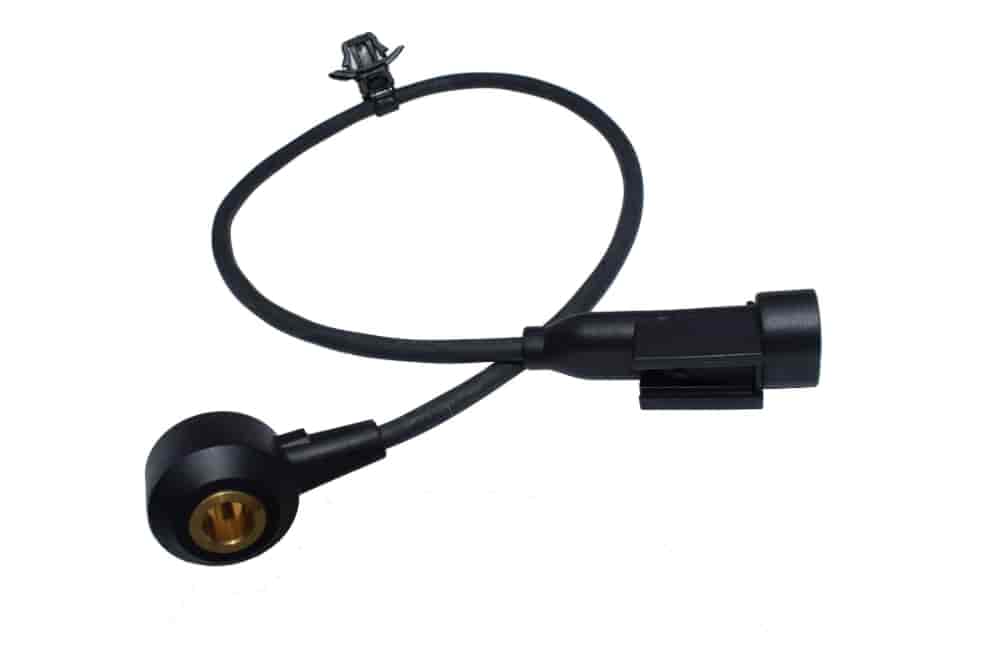
The Hyundai knock sensor recall refers to a safety and performance issue linked to the engine knock detection system in certain Hyundai vehicles. The knock sensor is designed to monitor abnormal combustion inside the engine. When it detects irregular vibrations, it sends a signal to the engine control unit, also known as the ECU.
The ECU then adjusts engine performance to prevent potential damage. In some Hyundai models, this system has shown calibration problems or software errors. These issues can cause the sensor to send incorrect signals. As a result, the ECU may reduce engine power even when the engine is not actually damaged.
This condition often triggers a diagnostic trouble code such as P1326. When this code appears, the vehicle may enter limp mode. Limp mode limits acceleration and reduces engine output to protect internal components. While this safety feature is useful, false activation can create driving difficulties and concern for owners.
Hyundai addressed this issue through recall campaigns and software updates. In many cases, dealerships reprogram the ECU to improve how it interprets sensor data. This helps reduce false warnings and restores normal engine behavior.
The knock sensor recall is not always linked to immediate engine failure. However, it is closely related to engine protection logic. Understanding how the system works helps owners identify problems early and take the correct action before serious damage occurs.
Affected Hyundai Models
The Hyundai knock sensor recall does not apply to all vehicles. It mainly affects specific models and engine types produced within certain years. Most cases are linked to the Theta II engine family, which has been used in several Hyundai vehicles over time.
Common affected models include the Hyundai Sonata, Hyundai Santa Fe, Hyundai Tucson, Hyundai Elantra, and in some cases the Hyundai Kona. However, the recall scope depends on the engine version and production period. Two vehicles of the same model may have different recall status.
The issue appears more frequently in vehicles equipped with specific engine configurations that are sensitive to knock sensor calibration. These engines rely heavily on sensor feedback to adjust ignition timing and protect internal components. When the sensor or software behaves incorrectly, the ECU may trigger protective mode even under normal driving conditions.
Not every Hyundai vehicle in these model lines is affected. Hyundai issues recall notices based on VIN ranges. This means the most accurate way to confirm eligibility is through a VIN lookup or by contacting an authorized Hyundai dealership.
Owners should not assume their vehicle is safe or affected based only on model name. Engine type, production year, and software version all play a role in determining recall status. Checking these details early helps avoid confusion and ensures proper handling if the vehicle is included in the recall campaign.
Symptoms of Knock Sensor Failure
A knock sensor problem in Hyundai vehicles often shows clear warning signs before serious engine issues develop. One of the most common symptoms is a sudden loss of engine power. The vehicle may feel slow when accelerating, even when the pedal is pressed harder.
Another frequent sign is the check engine light turning on. In many cases, the system stores a diagnostic trouble code such as P1326. This code usually indicates that the engine control unit has detected abnormal signals from the knock sensor.
Some drivers also notice a knocking or pinging sound from the engine. This sound may become more noticeable during acceleration or when the engine is under load. However, not all cases produce audible noise, which makes diagnosis more difficult.
In certain situations, the vehicle enters limp mode. This is a protective function that reduces engine performance to prevent potential damage. While this mode helps protect the engine, it can make driving difficult and unsafe in some conditions such as highway traffic.
Fuel efficiency may also decrease because the engine control system cannot optimize combustion timing correctly. Over time, ignoring these symptoms can increase stress on engine components and raise the risk of long term damage.
Early detection is important. When these symptoms appear together, they often indicate a knock sensor related issue that requires inspection or recall service.
How to Check If Your Car Is Affected
The most reliable way to confirm whether a vehicle is included in the Hyundai knock sensor recall is through the VIN number. Each Hyundai vehicle has a unique VIN that contains information about the model, engine type, and production details. Hyundai uses this number to determine recall eligibility with high accuracy.
Owners can enter the VIN on the official Hyundai recall lookup system or contact an authorized Hyundai dealership. The system will show whether the vehicle is affected by any active recall campaigns, including knock sensor related updates. This method is more accurate than checking only the model name because recall status depends on specific production batches.
In many cases, dealerships can also perform a full diagnostic scan. This helps identify stored error codes such as P1326 and confirms whether the ECU has triggered any protective functions. If the vehicle is part of the recall, the dealership will usually apply a software update or perform necessary repairs at no cost to the owner.
Some vehicles may not show immediate symptoms but can still be included in the recall list. This is why VIN verification is important even if the car appears to be running normally. Early confirmation helps prevent unexpected engine issues and ensures the vehicle receives proper software calibration.
Owners should avoid guessing based on symptoms alone. A proper VIN check provides the most accurate and official confirmation of recall status.
What Owners Should Do
If your vehicle is confirmed to be part of the Hyundai knock sensor recall, the first step is to schedule a visit to an authorized Hyundai dealership. The repair or software update is usually handled under the recall program, which means owners typically do not pay for the service.
The most common fix involves updating the engine control unit software. This update improves how the ECU interprets signals from the knock sensor. In many cases, this reduces false warnings and prevents unnecessary activation of limp mode. Some vehicles may also receive additional inspection depending on their condition and mileage.
If your car shows symptoms such as reduced power, warning lights, or error code P1326, you should avoid continuing to drive it for long distances. These signs indicate that the engine protection system has already been activated. Driving in this condition may increase stress on engine components.
For vehicles that are not yet affected but are part of the recall group, preventive service is still important. Early software updates help reduce the risk of future issues. This also ensures that the engine operates with correct sensor calibration.
Owners should never attempt to fix or bypass the knock sensor system on their own. The system is directly connected to engine timing and protection logic. Incorrect handling can create more serious engine problems.
Taking prompt action helps maintain engine safety, improves driving performance, and reduces the risk of expensive repairs in the long term.
Risk and Safety Impact
The Hyundai knock sensor recall is not only a technical issue. It also affects vehicle safety and long term engine reliability. When the knock sensor system behaves incorrectly, the engine control unit may reduce power without warning. This can create sudden changes in vehicle performance while driving.
One of the main risks is unexpected loss of acceleration. This can be dangerous in situations such as highway merging or overtaking. The driver may press the accelerator, but the vehicle responds with limited power. This happens because the ECU enters a protective mode to prevent potential engine damage.
Another risk involves long term engine stress. If the system repeatedly triggers false warnings, the engine may operate under restricted conditions more often than necessary. Over time, this can affect driving comfort and overall performance consistency.
In some cases, ignoring the issue may lead to more serious mechanical damage. While the knock sensor itself does not directly break the engine, it can hide underlying combustion or timing problems. If these conditions are not addressed, components such as pistons or cylinder walls may experience increased wear.
From a safety perspective, the system is designed to protect the engine, but incorrect calibration reduces driving predictability. This is why Hyundai recall actions focus on software correction and system recalibration rather than simple part replacement.
Understanding these risks helps owners recognize why the recall is important. It is not only about fixing a sensor issue, but also about maintaining stable and safe engine behavior in real driving conditions.
Conclusion
The Hyundai knock sensor recall is an important issue that directly affects engine performance, safety behavior, and driving stability. It is mainly related to how the knock sensor communicates with the engine control unit. When this communication is not accurate, the vehicle may reduce power or trigger warning signals even under normal driving conditions.
Not all Hyundai vehicles are affected, but specific models and engine types have shown higher risk. This is why VIN verification remains the most reliable method to confirm recall status. Owners should not rely only on symptoms or assumptions because the issue depends on production details and software configuration.
The recall process usually focuses on ECU software updates rather than major mechanical replacement. These updates help improve sensor interpretation and reduce false activation of protective modes. In many cases, this restores normal engine behavior and improves driving confidence.
For owners, the most important step is early action. Checking recall status, visiting a dealership when needed, and addressing warning signs quickly can prevent more serious engine problems in the future. Ignoring the issue may increase the risk of performance loss or long term engine stress.
Understanding the Hyundai knock sensor recall helps drivers make informed decisions and maintain vehicle safety. If your vehicle is part of the recall or shows related symptoms, prompt inspection is the best way to ensure long term reliability and peace of mind.