Imagine being involved in a serious accident on a deserted highway late at night. Your phone is out of reach, there are no nearby witnesses, and every second counts. In situations like these, having a vehicle that can automatically call for help could make a significant difference. That is the core promise of Toyota Safety Connect, a subscription-based connected service designed to enhance driver safety and provide emergency assistance when it is needed most.
Many Toyota owners enjoy Safety Connect as part of a complimentary trial when purchasing a new vehicle. However, once that trial period ends, an important question arises: Is Toyota Safety Connect worth paying for? While Toyota promotes features such as Automatic Collision Notification, Emergency Assistance, Enhanced Roadside Assistance, and Stolen Vehicle Locator, not every driver will benefit from these services in the same way.
For some, the subscription offers valuable peace of mind and potentially life-saving support. For others, it may duplicate services already available through smartphones, insurance providers, or roadside assistance memberships. Understanding the true value of Safety Connect requires looking beyond the marketing claims and examining both the costs and practical benefits.
In this comprehensive guide, we will break down Toyota Safety Connect’s features, pricing, advantages, limitations, and real-world usefulness to help you decide whether it deserves a place in your vehicle budget.
What Is Toyota Safety Connect?
Toyota Safety Connect is a connected vehicle service designed to provide drivers with access to emergency support and safety related assistance directly from their vehicle. It operates through an embedded cellular communication system and GPS technology, allowing the vehicle to communicate with Toyota’s response center when certain events occur.
Unlike traditional roadside assistance programs that require drivers to make a phone call, Safety Connect can automatically initiate contact in specific emergency situations. This capability is particularly valuable when a driver is unable to use a mobile phone due to injury, shock, or dangerous circumstances.
The service is available on many newer Toyota models, including popular vehicles such as the Camry, Corolla, RAV4, Highlander, Tacoma, Tundra, and several Lexus models. Availability may vary depending on model year and trim level. Most new Toyota vehicles include a complimentary trial period, after which owners must decide whether to continue with a paid subscription.
At its core, Toyota Safety Connect aims to provide an extra layer of security by connecting drivers with emergency responders, roadside assistance providers, and vehicle recovery services. While the concept is straightforward, understanding its actual value requires a closer look at the individual features included in the subscription.
Toyota Safety Connect Features Explained
One of the primary reasons drivers consider maintaining a Safety Connect subscription is the range of safety focused services included with the package.
The most significant feature is Automatic Collision Notification. If the vehicle detects a severe collision through onboard sensors, the system can automatically contact Toyota’s emergency response center. A trained representative can then assess the situation and coordinate emergency assistance if needed. In serious accidents where occupants may be unable to call for help, this feature can potentially reduce emergency response times.
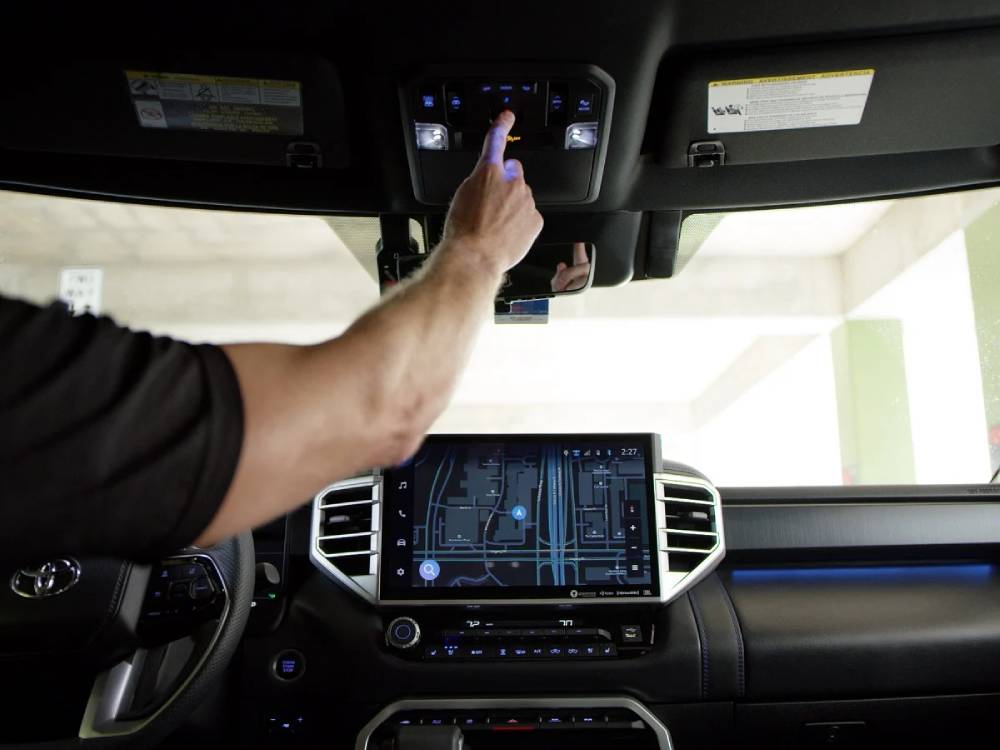
Another important feature is the Emergency Assistance Button. Located inside the vehicle, this SOS button allows drivers or passengers to instantly connect with a response agent during emergencies. Whether dealing with a medical issue, security concern, or accident, users can request immediate assistance without searching for a phone number or navigating through a mobile application.
Enhanced Roadside Assistance is another valuable component. Drivers can receive support for common problems such as flat tires, dead batteries, lockouts, fuel delivery needs, and towing assistance. This feature can be especially useful during road trips or when traveling through unfamiliar areas.
The Stolen Vehicle Locator service provides another layer of protection. If a vehicle is stolen, Toyota can work with law enforcement agencies to help locate and recover the vehicle. While no anti theft system can guarantee recovery, location assistance can improve the chances of finding a stolen vehicle quickly.
Together, these features are designed to create a safety ecosystem that extends beyond the vehicle itself, offering support before, during, and after unexpected incidents.
How Much Does Toyota Safety Connect Cost?
For many vehicle owners, the decision ultimately comes down to cost. Understanding the long term financial commitment is essential before renewing a subscription.
Most Toyota vehicles include a complimentary trial period for Safety Connect. Depending on the model and model year, this trial can range from several months to multiple years. The free trial allows owners to experience the service before deciding whether it justifies an ongoing expense.
After the trial expires, subscription fees apply. Pricing may vary by region, vehicle model, and package structure, but many drivers can expect to pay an annual fee to maintain access to Safety Connect features. While the cost may appear modest on a monthly basis, it becomes more noticeable when viewed over several years of vehicle ownership.
For example, a service that costs approximately ten dollars per month may amount to more than one hundred dollars annually. Over five years, the total expenditure can exceed several hundred dollars. This raises an important question: Will the average driver actually use the service enough to justify the expense?
When compared with alternatives such as AAA memberships, insurance company roadside assistance plans, or smartphone emergency features, Toyota Safety Connect falls into a competitive but crowded market. Some drivers may find that the convenience and integrated vehicle connectivity justify the cost, while others may conclude that similar protection is already available through services they currently use.
Evaluating the subscription’s value requires balancing the relatively low annual cost against the potentially significant benefits provided during emergencies.
The Biggest Benefits of Toyota Safety Connect
The greatest advantage of Toyota Safety Connect is peace of mind. While many drivers may never need emergency assistance, knowing that help can be summoned automatically during a serious incident provides reassurance that is difficult to measure in monetary terms.
One of the most valuable benefits is faster emergency response. In severe accidents, every minute can matter. If a collision leaves occupants unconscious or unable to access a phone, Automatic Collision Notification can initiate contact with emergency services without requiring any action from the driver. This feature alone may justify the subscription for individuals who frequently travel long distances or drive through less populated areas.
Families often find additional value in the service. Parents with teenage drivers may appreciate the added layer of protection knowing that emergency assistance is available if their child encounters a serious accident. Likewise, adult children caring for elderly parents may feel more comfortable knowing their loved ones have immediate access to emergency support while on the road.
Convenience is another major benefit. A flat tire on a busy highway, a dead battery in an unfamiliar city, or a lockout during bad weather can quickly become stressful situations. Having direct access to roadside assistance through the vehicle simplifies the process and eliminates the need to search for service providers during an emergency.
Toyota Safety Connect can also offer advantages over smartphone based solutions. Mobile phones can be lost, damaged, discharged, or inaccessible after a crash. Because Safety Connect is integrated directly into the vehicle, it remains operational even when a phone is unavailable, providing an additional layer of reliability during critical situations.
The Drawbacks and Limitations
Despite its benefits, Toyota Safety Connect is not a perfect solution and may not be necessary for every driver.
The most obvious drawback is the ongoing subscription cost. Although the annual fee may seem relatively small, some owners struggle to justify paying for a service they may never actively use. After several years of ownership, the cumulative expense becomes more noticeable, especially for budget conscious households.
Another limitation is that many drivers already have access to similar services. Modern smartphones offer features such as Emergency SOS, crash detection, location sharing, and emergency contact notifications. In addition, many insurance companies provide roadside assistance coverage at a relatively low cost. Drivers who already subscribe to organizations such as AAA may find significant overlap between the services.
Cellular connectivity is another factor worth considering. Safety Connect relies on communication networks to connect with Toyota’s response center. While coverage is generally strong in most populated regions, there may be limitations in extremely remote areas where cellular signals are weak or unavailable.
Some vehicle owners may also feel that the service offers limited value if they primarily drive short distances within urban environments. Drivers who rarely travel outside areas with easy access to emergency services may never encounter situations where the system’s unique capabilities become necessary.
These limitations do not diminish the usefulness of Safety Connect, but they highlight the importance of evaluating the service based on individual driving habits and existing coverage options.
Who Should Keep Toyota Safety Connect?
Toyota Safety Connect provides the greatest value for drivers who face elevated risks or simply place a high priority on safety and preparedness.
Families with teenage drivers are among the strongest candidates for maintaining a subscription. New drivers generally have less experience handling unexpected situations on the road, making access to automatic emergency assistance particularly valuable. Parents often view the subscription fee as a worthwhile investment in their child’s safety.
Senior drivers may also benefit significantly. Medical emergencies can occur unexpectedly, and the ability to contact assistance with a dedicated SOS button can be reassuring for both drivers and family members. In situations where quick intervention is critical, Safety Connect may provide support when it matters most.
Frequent travelers and long distance commuters are another group that can benefit from the service. The more time spent on the road, the greater the likelihood of encountering accidents, mechanical issues, or other emergencies. Drivers who regularly travel through unfamiliar locations may appreciate the additional protection and roadside support.
Rural drivers may find even greater value. In remote areas, emergency response times can be longer, and access to immediate assistance may be limited. Features such as Automatic Collision Notification and Emergency Assistance can provide an extra layer of security when help is not readily available nearby.
Ultimately, drivers who prioritize safety, peace of mind, and emergency preparedness are likely to see the greatest return on their investment in Toyota Safety Connect.
Who Might Not Need Toyota Safety Connect?
While Toyota Safety Connect offers valuable safety features, not every driver will benefit enough to justify the ongoing subscription cost.
Drivers who already have comprehensive roadside assistance coverage may find much of the service redundant. Many insurance providers offer roadside assistance programs that include towing, battery jump starts, lockout assistance, and fuel delivery. If these services are already included in an existing policy at a low cost, paying for an additional subscription may provide limited added value.
Urban drivers may also find less need for Safety Connect. In cities where emergency services are readily available and cellular coverage is strong, contacting help through a smartphone is typically quick and convenient. The advantages of an integrated vehicle system become less significant when assistance is already easily accessible.
Another group that may not benefit substantially includes individuals who drive infrequently. Owners who use their vehicle only for occasional errands or short local trips face less exposure to road related risks than daily commuters or frequent travelers. In such cases, the probability of needing advanced emergency assistance features may be relatively low.
Budget conscious vehicle owners should also carefully evaluate the long term cost. While the annual fee may not seem expensive initially, every recurring subscription contributes to the overall cost of vehicle ownership. For drivers focused on minimizing expenses, the money may be better allocated elsewhere if the perceived benefits are unlikely to be utilized.
Ultimately, if you already have reliable alternatives and spend little time on the road, Toyota Safety Connect may not provide enough additional value to justify renewing the subscription.
Toyota Safety Connect vs Alternatives
To determine whether Toyota Safety Connect is worth the cost, it is important to compare it with other available options.
One of the most commonly cited competitors is OnStar. Both services provide emergency assistance, automatic crash response, and vehicle recovery support. However, OnStar is often recognized for offering a broader range of connected vehicle features, while Toyota Safety Connect focuses primarily on safety and emergency services. Depending on the package selected, pricing structures can vary significantly between the two systems.
AAA memberships represent another popular alternative. AAA offers roadside assistance, towing services, travel benefits, and discounts through a nationwide support network. While AAA lacks automatic collision notification and integrated vehicle communication, it often provides more extensive roadside service options.
Modern smartphones have also become increasingly capable competitors. Features such as Crash Detection, Emergency SOS, Medical ID information, location sharing, and emergency contact notifications allow users to access assistance without paying for a dedicated vehicle subscription. For technologically savvy drivers who always carry a charged phone, these tools may satisfy many safety related needs.
The primary advantage Toyota Safety Connect maintains over these alternatives is integration. Because the system is built directly into the vehicle, it can function automatically in certain emergencies without requiring driver interaction. This distinction may not seem important during everyday driving, but it can become highly valuable during severe accidents where occupants are unable to use a phone.
The best choice depends on your personal circumstances, existing coverage, and comfort level with relying on external devices versus vehicle integrated technology.
Real World Scenarios: Is It Worth It?
Examining real life situations can provide a clearer picture of when Toyota Safety Connect delivers meaningful value.
Consider a teenage driver involved in a serious collision on a rural highway. The driver is disoriented and unable to call for help immediately. Automatic Collision Notification contacts the response center and emergency services are dispatched. In this scenario, the subscription could prove invaluable and potentially life saving.
Now imagine an elderly driver experiencing a medical emergency while traveling alone. Instead of attempting to locate a phone and explain the situation, the driver can simply press the SOS button and connect directly with trained personnel. The convenience and speed of assistance may significantly improve outcomes during a critical event.
A frequent road trip traveler presents another example. Mechanical problems, unfamiliar roads, and long hours behind the wheel increase exposure to unexpected situations. Access to roadside assistance and emergency support can provide reassurance throughout every journey.
On the other hand, consider an urban professional who drives only a few miles each week and already carries a smartphone equipped with emergency features. This individual may never encounter circumstances where Toyota Safety Connect offers a meaningful advantage over existing tools and services.
These examples highlight an important reality. The value of Safety Connect is not determined solely by its features. It depends on how likely those features are to be useful based on an individual’s lifestyle, driving habits, and risk profile.
Conclusion
So, is Toyota Safety Connect worth it? The answer ultimately depends on your driving habits, personal safety priorities, and the level of protection you expect from your vehicle.
For many drivers, the subscription offers genuine value through features such as Automatic Collision Notification, Emergency Assistance, Enhanced Roadside Assistance, and Stolen Vehicle Locator. These services can provide peace of mind and potentially life saving support during situations where every second matters. Families with teenage drivers, senior drivers, frequent travelers, and those who regularly drive in rural or remote areas are likely to benefit the most from maintaining an active subscription.
However, Toyota Safety Connect is not essential for everyone. Drivers who already have comprehensive roadside assistance coverage, advanced smartphone emergency features, or who spend most of their time driving in urban environments may find that the service overlaps with tools they already use. In these cases, the ongoing subscription cost may outweigh the practical benefits.
When evaluating the service, it is important to think beyond how often you expect to use it. Safety products are often most valuable during the rare moments when something goes wrong. Even if you never need to press the SOS button or request roadside assistance, the added layer of protection may still justify the expense for some owners.
In the end, Toyota Safety Connect delivers solid value for safety focused drivers, but its worth depends entirely on whether its unique benefits align with your individual needs and driving lifestyle.