Modern Toyota Highlander models come packed with fuel saving technology, and one of the most talked about features is the Auto Start/Stop system. In theory, it sounds smart. The engine automatically shuts off when the vehicle stops at a red light and restarts when the driver releases the brake pedal. Toyota designed this feature to reduce fuel consumption and lower emissions in city traffic.
However, many Highlander owners quickly discover that the system is not always pleasant in real world driving. Some drivers dislike the engine vibration during restart. Others complain about acceleration delay when traffic suddenly moves. For many owners, the constant stopping and restarting simply makes the SUV feel less smooth and less refined.
This frustration leads to one common question: does disabling Auto Start/Stop harm your Toyota Highlander?
Some drivers worry that turning the system off could damage the engine, affect the battery, or even void the warranty. Others believe disabling it may actually reduce wear on expensive components like the AGM battery and starter motor.
The truth is more nuanced than most online discussions suggest. In this guide, we will break down how Toyota’s Auto Start/Stop system works, whether disabling it is safe, how it affects long term reliability, and the safest methods to turn it off permanently without creating new problems.
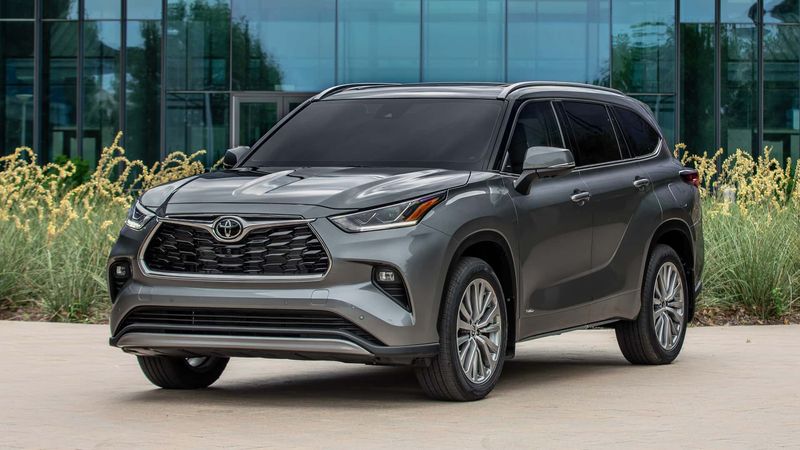
How the Toyota Highlander Auto Start/Stop System Actually Works
Before deciding whether disabling Auto Start/Stop is a good idea, it is important to understand how the system works inside the Toyota Highlander.
The Auto Start/Stop feature is designed to reduce unnecessary engine idling during short stops. When the SUV comes to a complete stop and the driver keeps pressure on the brake pedal, the system may temporarily shut off the engine. As soon as the brake pedal is released, the engine restarts automatically so the vehicle can move again.
Toyota uses multiple sensors and control modules to determine when the system should activate. The engine will not shut off unless specific conditions are met. Battery charge level, engine temperature, climate control demand, and driving conditions all influence whether the system engages.
Unlike older vehicles, the Toyota Highlander is engineered specifically to handle frequent engine restarts. Toyota equips these models with reinforced starter motors, advanced electronic controls, and AGM batteries that can tolerate far more charge cycles than conventional batteries.
The AGM battery is one of the most important parts of the system. Traditional car batteries are not designed for constant restarting. AGM batteries provide higher durability and faster recovery after repeated ignition cycles. However, they are also significantly more expensive to replace.
Many drivers are surprised to learn how often the system activates in daily commuting. In heavy urban traffic, a Highlander may restart its engine dozens or even hundreds of times each week. While Toyota designed the components for this workload, some owners still question whether the long term wear is truly worth the small fuel savings.
Understanding this system helps explain why so many Highlander drivers eventually search for ways to disable Auto Start/Stop permanently.
Does Disabling Auto Start/Stop Damage the Engine?
For most Toyota Highlander owners, disabling Auto Start/Stop does not harm the engine at all.
In fact, many automotive technicians argue that reducing the number of engine restarts may actually decrease wear on certain electrical components over time. Every time the engine restarts, the starter motor, battery, and charging system experience additional stress. Although Toyota designed these components to handle repeated cycles, mechanical and electrical wear still accumulates gradually.
When Auto Start/Stop is disabled, the engine simply continues idling during short stops instead of shutting down repeatedly. This means the engine avoids unnecessary restart cycles in stop and go traffic. The overall driving experience also becomes smoother because there is no pause or hesitation when accelerating away from traffic lights.
Importantly, disabling the feature does not interfere with core engine functions. The engine timing, transmission behavior, cooling system, fuel injection system, and overall ECU operation remain largely unchanged. The vehicle continues operating like a traditional SUV without automatic shutdown at stops.
One of the biggest myths surrounding Auto Start/Stop is the belief that disabling it somehow harms the engine internally. There is little evidence supporting this concern. Modern engines are generally more affected by cold starts than warm restarts during traffic stops. In many situations, allowing the engine to idle continuously may actually provide more stable operating conditions.
The primary downside of disabling the system is slightly lower fuel economy. Drivers may notice a small increase in fuel consumption during city driving because the engine continues running at intersections and traffic jams. Emissions may also increase slightly compared to using the factory system as intended.
For many Highlander owners, however, the tradeoff is worth it. They prefer smoother acceleration, fewer interruptions, and less concern about battery or starter wear.
Will Disabling Auto Start/Stop Void Your Toyota Warranty?
Warranty concerns are one of the biggest reasons many Toyota Highlander owners hesitate to disable the Auto Start/Stop system.
The good news is that simply turning the feature off using the factory dashboard button does not void your warranty. Toyota includes this button intentionally, which means drivers are free to deactivate the system during normal operation. The only inconvenience is that the setting usually resets every time the vehicle is restarted.
Things become more complicated when owners install aftermarket devices designed to remember the OFF setting automatically. These devices are commonly known as Start/Stop Eliminators. Most are plug and play modules that connect to factory wiring without permanently modifying the vehicle.
In many cases, these modules do not create warranty issues because they can be removed easily before dealership service visits. However, dealership policies may vary. Some dealers are more modification friendly than others, especially if the device does not interfere with vehicle diagnostics or create fault codes.
The highest warranty risk comes from aggressive modifications such as ECU tuning, custom wiring changes, or bypassing factory systems electronically. If these modifications cause electrical issues or system malfunctions, Toyota may deny warranty coverage for related repairs.
Because of this, most experts recommend choosing reversible solutions whenever possible. A reputable Start/Stop Eliminator is generally considered safer than cutting wires or altering ECU programming.
For cautious owners, the safest approach is simple. Use the factory button if you want zero warranty risk, or choose a trusted plug and play device that can be removed easily if needed.
Battery and Starter Wear: The Real Truth
One of the biggest selling points of Toyota’s Auto Start/Stop technology is improved fuel efficiency. However, many Toyota Highlander owners remain concerned about the long term impact on the battery and starter motor.
Toyota engineers anticipated these concerns when designing the system. Highlander models equipped with Auto Start/Stop use heavy duty starter motors built to survive far more ignition cycles than traditional starters. The SUV also uses an AGM battery, which is specifically designed to handle repeated charging and discharging without failing prematurely.
On paper, this sounds reassuring. In real world driving, though, the situation is not always perfect.
Even though these components are reinforced, repeated engine restarts still create wear over time. Every ignition cycle places stress on the starter motor and demands power from the battery. Drivers who spend hours in dense city traffic may trigger the system dozens of times during a single commute.
Battery replacement costs are another major concern for Highlander owners. AGM batteries are far more expensive than standard lead acid batteries. In some cases, replacement costs can be two or three times higher than conventional batteries, especially when labor and dealership pricing are included.
Some drivers also notice that aging batteries can cause the Auto Start/Stop system to behave inconsistently. The system may stop activating altogether if the battery charge level falls below Toyota’s required threshold. This often leads owners to discover that their battery is already weakening long before complete failure occurs.
Disabling Auto Start/Stop reduces the number of restart cycles significantly. For some owners, this may help reduce stress on the starter motor and battery over the long term. The tradeoff is slightly higher fuel consumption during idle periods.
Ultimately, the system is not inherently harmful, but it does increase workload on expensive electrical components. Whether that tradeoff is worthwhile depends largely on driving habits, traffic conditions, and personal preference.
Best Ways to Disable Toyota Highlander Auto Start/Stop Safely
If you decide that Auto Start/Stop is not for you, the next step is choosing the safest way to disable it on your Toyota Highlander.
The simplest method is using the factory Auto Start/Stop OFF button. This option carries virtually no risk because Toyota built the feature directly into the vehicle. Pressing the button disables the system temporarily for the current drive cycle. The downside is obvious. You must press the button every time you start the SUV, which quickly becomes frustrating for many drivers.
The second option is installing a Start/Stop Eliminator module. These aftermarket devices have become increasingly popular among Highlander owners because they automatically remember the previous OFF setting. Instead of pressing the button manually every trip, the system stays disabled automatically when the vehicle starts.
Most high quality eliminator modules are plug and play, meaning they connect without cutting wires or permanently modifying factory components. Installation is usually straightforward and reversible, making them appealing for owners who want convenience without major risk.
However, not all products are created equally. Cheap or poorly designed modules may create electrical issues, warning lights, or compatibility problems. That is why choosing a reputable brand specifically designed for Toyota vehicles is important.
The third option involves ECU coding or custom modifications. Some enthusiasts attempt to disable the system permanently through software changes or direct electrical bypasses. While this method may work, it carries significantly higher risks. Improper coding can trigger error messages, interfere with vehicle systems, or create warranty disputes with dealerships.
For most Toyota Highlander owners, a reputable plug and play eliminator module represents the best balance between convenience, safety, and reversibility.
Is It Worth Disabling Auto Start/Stop on Your Toyota Highlander?
Whether disabling Auto Start/Stop is worth it ultimately depends on your driving style and what matters most to you as a driver.
For many Toyota Highlander owners, the system quickly becomes annoying during daily commuting. The constant engine shutdowns can make the SUV feel less refined, especially in heavy stop and go traffic. Some drivers dislike the slight hesitation when accelerating after a restart, while others simply prefer the smoother feel of a continuously running engine.
Disabling the feature often improves driving comfort immediately. The vehicle feels more predictable in traffic, acceleration becomes more responsive, and drivers no longer experience repeated vibrations from constant restarting.
Owners who spend most of their time driving in urban environments are usually the most frustrated with the system. Frequent red lights and traffic jams trigger the feature constantly, which can make the driving experience feel interrupted and unnatural.
On the other hand, some drivers appreciate the fuel savings and environmental benefits. Even though the fuel economy improvement is relatively small, keeping the system active can reduce idle fuel consumption over thousands of miles. Drivers focused on emissions reduction or maximizing fuel efficiency may prefer leaving the feature enabled.
There is also no universal agreement among mechanics and automotive experts. Some believe Auto Start/Stop contributes to additional wear on starters and batteries, while others argue modern systems are durable enough that the difference is minimal.
The reality is that there is no single correct answer for every driver. Disabling Auto Start/Stop is largely a matter of personal preference. For drivers who value comfort, smoother operation, and fewer interruptions, turning the system off often feels like a worthwhile upgrade. For those prioritizing fuel economy and factory intended operation, leaving it active may still make sense.
Frequently Asked Questions About Toyota Highlander Auto Start/Stop
Can disabling Auto Start/Stop drain the battery?
No. In most situations, disabling Auto Start/Stop does not drain the battery. In fact, some drivers believe it may reduce stress on the battery because the engine no longer restarts repeatedly during traffic stops. However, keeping the engine idling continuously may slightly increase fuel consumption.
Is Toyota Auto Start/Stop bad for the starter motor?
Toyota designed the Highlander’s starter motor specifically for repeated start cycles. The system is engineered to handle much more use than traditional starter systems. Still, repeated restarts naturally create additional wear over time, especially in heavy city traffic.
Does Toyota recommend leaving Auto Start/Stop enabled?
Yes. Toyota designed the feature to improve fuel efficiency and reduce emissions. From the manufacturer’s perspective, the system is operating as intended when left active. However, Toyota also understands that some drivers may choose to disable it temporarily using the factory OFF button.
Can I permanently turn off Auto Start/Stop on my Toyota Highlander?
Yes. Many owners use aftermarket Start/Stop Eliminator modules that automatically remember the OFF setting every time the vehicle starts. Others choose ECU modifications, although this approach carries higher risks and may affect warranty coverage.
Is a Start/Stop Eliminator safe?
Most reputable plug and play eliminator modules are generally considered safe when designed specifically for the Toyota Highlander. The safest products are reversible and do not require wire cutting or permanent electrical modifications.
Does disabling Auto Start/Stop improve engine life?
There is no definitive evidence proving that disabling the system significantly extends engine life. However, reducing repeated restart cycles may help decrease wear on the starter motor and battery over the long term.
Conclusion
So, does disabling Auto Start/Stop harm your Toyota Highlander?
For most owners, the answer is no. Disabling the system generally does not damage the engine or create serious mechanical problems when done properly. In many cases, drivers simply prefer the smoother and more predictable driving experience that comes from keeping the engine running continuously.
Toyota designed the Highlander’s Auto Start/Stop system to improve fuel efficiency and reduce emissions, but real world driving experiences vary widely. Some owners appreciate the technology, while others become frustrated by engine vibrations, restart delays, and concerns about battery wear.
The key is choosing a safe and reversible method if you decide to disable the feature. Using the factory OFF button or a reputable plug and play Start/Stop Eliminator is usually the safest approach for most drivers.
At the end of the day, the decision comes down to personal preference. Some drivers value every bit of fuel savings, while others prioritize comfort, smoother acceleration, and long term peace of mind.
Have you disabled Auto Start/Stop on your Toyota Highlander? Share your experience and thoughts in the comments below. Your feedback may help other Highlander owners decide whether the feature is worth keeping or turning off permanently.