The Toyota Tacoma has earned a strong reputation for reliability, durability, and off-road capability. However, even one of America’s most trusted midsize trucks is not immune to mechanical issues. For many owners, air conditioning problems can quickly turn an enjoyable drive into an uncomfortable experience, especially during hot summer months when a properly functioning AC system is essential.
Over the years, some Toyota Tacoma owners have reported concerns ranging from weak airflow and inconsistent cooling to complete air conditioning system failures. These complaints have led many drivers to wonder whether their vehicle may be affected by a recall, service campaign, or warranty-related repair program. Understanding the difference between a recall and a common repair issue is crucial, as it can determine whether repairs are covered by the manufacturer or become an out-of-pocket expense.
If you own a Toyota Tacoma or are considering purchasing a used model, staying informed about potential air conditioning recalls is important. Knowing the warning signs of AC-related problems, understanding which model years may be affected, and learning how to check your vehicle’s recall status can help you avoid costly repairs and unexpected breakdowns.
In this guide, we will cover everything Toyota Tacoma owners need to know about air conditioning recalls, including affected models, common symptoms, repair options, warranty coverage, and the steps you should take if your truck is experiencing AC issues.
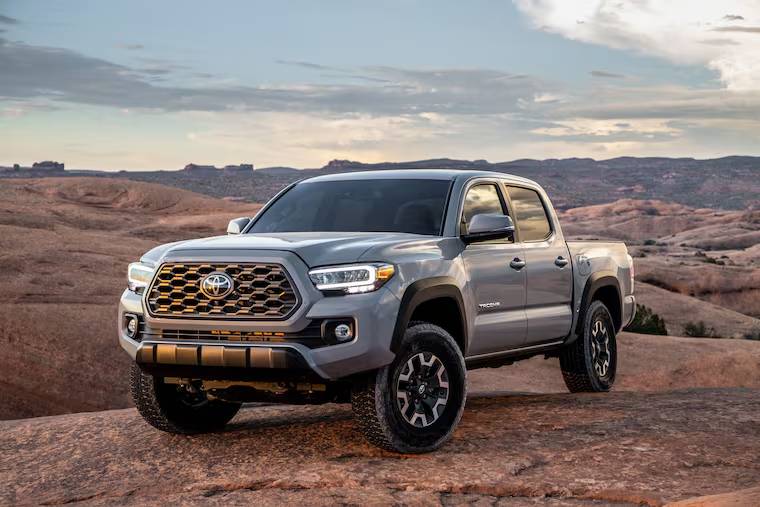
Understanding the Toyota Tacoma Air Conditioning Recall
Vehicle recalls are issued when a manufacturer identifies a defect that could affect the safety, performance, or reliability of a vehicle. In some cases, recalls are mandated by government agencies after investigations reveal widespread issues. Other times, manufacturers voluntarily issue recalls to address known defects before they become larger problems.
It is important for Tacoma owners to understand that not every air conditioning complaint results in a formal recall. Many issues are instead addressed through Technical Service Bulletins, commonly known as TSBs, which provide dealerships with repair procedures for recurring problems. A TSB does not automatically mean repairs will be covered free of charge, while a recall generally requires the manufacturer to correct the issue at no cost to the owner.
When discussing a Toyota Tacoma air conditioning recall, owners often refer to a variety of cooling system problems that have been reported over the years. These may involve the AC compressor, condenser, refrigerant leaks, blower motors, electrical components, or HVAC control systems. Depending on the model year and the specific problem, Toyota may address these issues through recalls, warranty extensions, customer support programs, or dealership service recommendations.
Understanding whether your Tacoma’s AC problem falls under a recall or a standard repair situation can save significant time and money. This is why verifying your vehicle’s status through its VIN should always be the first step before scheduling repairs.
Toyota Tacoma Model Years Potentially Affected
Air conditioning concerns have been reported across multiple Toyota Tacoma generations, although the exact nature of these issues varies by model year. Certain owners have experienced compressor failures, while others have reported weak cooling performance, refrigerant leaks, or intermittent operation.
Third generation Tacoma models have generated a significant number of owner discussions regarding HVAC performance. Some drivers have noted that cooling efficiency decreases over time, especially in regions with extreme heat. In many cases, these complaints are linked to normal wear and tear. However, recurring patterns of failure often lead owners to investigate possible recalls or service campaigns.
Environmental conditions can also influence AC performance. Trucks that operate in hot climates, humid regions, or dusty off road environments may experience accelerated wear on components such as condensers, compressors, and cabin air filters. These factors can sometimes mimic symptoms commonly associated with recall related defects.
Owners of used Tacoma models should pay particular attention to maintenance history. A truck that has received regular AC servicing is less likely to experience unexpected failures compared to one with neglected maintenance records. Regardless of model year, checking the vehicle’s VIN remains the most reliable method for determining whether any active recall or service campaign applies to the truck.
Common Air Conditioning Problems Reported by Toyota Tacoma Owners
One of the most frequently reported complaints involves air conditioners that blow warm air even when the cooling system is set to maximum output. This issue may stem from refrigerant leaks, compressor malfunctions, condenser damage, or electrical faults within the HVAC system. When left unresolved, cooling performance often deteriorates further over time.
Weak airflow is another concern among Tacoma owners. In many situations, the problem originates from clogged cabin air filters, failing blower motors, blocked ventilation passages, or malfunctioning blend door actuators. Drivers may notice that airflow becomes inconsistent or significantly weaker despite increasing fan speed.
Compressor failure is often one of the most expensive AC related repairs. A damaged compressor can produce unusual noises, reduce cooling capacity, or stop functioning entirely. Because the compressor serves as the heart of the air conditioning system, its failure can affect overall system performance and lead to costly repairs if not addressed promptly.
Refrigerant leaks represent another common issue. Small leaks may initially cause only minor cooling loss, but larger leaks can eventually render the entire system ineffective. Technicians typically use specialized equipment to identify leak locations and determine the appropriate repair solution.
Electrical issues can also contribute to air conditioning failures. Faulty sensors, damaged wiring, defective relays, and malfunctioning control modules may prevent the HVAC system from operating correctly. These problems can be difficult to diagnose because symptoms often appear intermittently before becoming permanent.
Symptoms That Could Indicate a Recall Related Problem
Recognizing the early warning signs of an air conditioning issue can help Tacoma owners avoid more extensive repairs in the future. While not every symptom indicates a recall related defect, recurring problems should never be ignored.
One common warning sign is unusual noise coming from the air conditioning system. Drivers may hear clicking, grinding, rattling, or whining sounds when the AC is turned on. These noises often suggest internal wear within the compressor or problems with other mechanical components. In some cases, a damaged compressor clutch may also produce abnormal sounds during operation.
Inconsistent cooling is another symptom frequently reported by vehicle owners. The system may blow cold air one moment and warm air the next, even when settings remain unchanged. This can indicate refrigerant leaks, failing sensors, electrical malfunctions, or issues with temperature control mechanisms.
Some Tacoma owners may also notice dashboard warning lights or diagnostic trouble codes related to HVAC system performance. Although these indicators do not automatically confirm a recall issue, they can provide valuable clues during professional inspections.
Complete system failure represents one of the most serious symptoms. When the air conditioning system suddenly stops functioning altogether, the underlying cause may involve compressor failure, electrical faults, or significant refrigerant loss. Immediate diagnosis is recommended to prevent further damage and ensure the comfort of both drivers and passengers.
How to Check Whether Your Tacoma Is Included in a Recall
The most effective way to determine whether your Toyota Tacoma is affected by an active recall is by checking the vehicle identification number, commonly known as the VIN. Every vehicle has a unique VIN that allows manufacturers and regulatory agencies to track recall eligibility accurately.
Owners can usually find the VIN on the driver’s side dashboard near the windshield. It is also listed on vehicle registration documents, insurance paperwork, and ownership records. Having this number readily available simplifies the recall verification process.
After locating the VIN, owners should visit Toyota’s official recall lookup tool or contact an authorized Toyota dealership. By entering the VIN into the database, drivers can identify active recalls, completed recall repairs, and outstanding service campaigns associated with their vehicle.
Speaking directly with a dealership can provide additional benefits. Service advisors can explain recall details, confirm repair eligibility, and schedule inspections if necessary. They may also identify warranty extensions or customer support programs that are not immediately obvious through online searches.
It is wise to check recall status periodically, particularly when purchasing a used Tacoma. A previous owner may have neglected to complete recall repairs, leaving important issues unresolved. Verifying recall history can help prevent unexpected repair expenses and improve long term reliability.
What Happens If Your Vehicle Is Affected?
If your Toyota Tacoma is included in an active recall, the next step is typically to schedule an appointment with an authorized Toyota dealership. During the inspection, trained technicians will evaluate the affected components and determine the appropriate corrective action.
In many cases, recall repairs involve replacing defective parts with updated components designed to eliminate the underlying problem. Depending on the issue, technicians may inspect compressors, condensers, electrical systems, sensors, or other HVAC related components.
One of the most significant advantages of a recall is that repairs are generally performed at no cost to the vehicle owner. Manufacturers are responsible for correcting recall related defects, which can save owners hundreds or even thousands of dollars compared to paying for repairs independently.
Repair times vary based on the complexity of the issue and the availability of replacement parts. Some repairs can be completed within a few hours, while others may require the vehicle to remain at the dealership for several days. During periods of high recall activity, parts shortages may occasionally cause delays.
Owners should keep all service records and documentation associated with recall repairs. These records can prove valuable when selling the vehicle, filing warranty claims, or addressing future service concerns. Maintaining complete documentation also demonstrates that recommended repairs were completed according to manufacturer guidelines.
Toyota Tacoma Air Conditioning Repair Costs Without Recall Coverage
When an air conditioning issue is not covered by a recall, warranty, or service campaign, repair costs can vary significantly depending on the failed component and the extent of the damage.
One of the most expensive repairs involves replacing the AC compressor. Because the compressor is responsible for circulating refrigerant throughout the cooling system, its failure can severely impact performance. Replacement costs often include both parts and labor, making this one of the costliest air conditioning repairs for Tacoma owners.
Condenser replacement is another repair that can result in substantial expenses. The condenser helps release heat from the refrigerant and is often vulnerable to road debris, corrosion, and environmental damage. A damaged condenser may reduce cooling efficiency and lead to refrigerant leaks.
Refrigerant leak repairs can range from relatively minor expenses to more complex and costly procedures. The total cost depends largely on the location and severity of the leak. Small leaks may be repaired quickly, while leaks hidden within difficult to access areas can require extensive labor.
Electrical system repairs can also become expensive due to the time required for diagnosis. Modern HVAC systems rely on multiple sensors, control modules, switches, and wiring connections. Identifying the root cause of an intermittent electrical problem often requires specialized diagnostic equipment and professional expertise.
Because repair costs can increase rapidly when problems are ignored, addressing symptoms early is often the most cost effective approach. Routine inspections and preventive maintenance can help identify developing issues before major components fail.
Toyota Warranty Coverage and Extended Programs
Toyota vehicles are typically backed by factory warranty coverage that protects owners against defects in materials and workmanship during specific ownership periods. Understanding these warranty protections can help Tacoma owners determine whether air conditioning repairs may be eligible for coverage.
The basic vehicle warranty generally covers many components for a limited time and mileage period after purchase. Depending on the vehicle’s age and mileage, certain HVAC related issues may qualify for warranty repairs if the failure results from a manufacturing defect rather than normal wear.
Some owners choose to purchase extended warranty plans for additional peace of mind. These plans may cover air conditioning components beyond the expiration of the original factory warranty. Coverage details vary significantly between plans, making it important to review contract terms carefully.
Toyota may also introduce customer support programs or warranty extensions for specific issues that do not meet the criteria for a formal recall. These programs can provide financial assistance or expanded repair coverage for affected owners.
Understanding the distinction between recalls, warranties, and service campaigns is essential. While recalls generally require free repairs regardless of vehicle age, warranty coverage often depends on time and mileage limitations. Service campaigns may offer benefits under specific conditions established by the manufacturer.
Preventing Future Air Conditioning Problems
Preventive maintenance remains one of the most effective ways to protect your Toyota Tacoma’s air conditioning system and reduce the likelihood of unexpected failures.
Regular replacement of the cabin air filter is a simple yet important maintenance task. A clogged filter can restrict airflow, reduce cooling efficiency, and place unnecessary strain on HVAC components. Most manufacturers recommend periodic replacement according to driving conditions and maintenance schedules.
Annual inspections can also help identify developing problems before they become major repairs. During these inspections, technicians can evaluate refrigerant levels, inspect hoses and seals, examine electrical connections, and assess overall system performance.
Drivers should remain alert to warning signs such as unusual odors, reduced cooling performance, excessive moisture accumulation, or strange noises during operation. Addressing these symptoms early can prevent more serious component failures and costly repairs.
Keeping the condenser clean is another important maintenance practice. Dirt, debris, insects, and road contaminants can obstruct airflow through the condenser and reduce cooling efficiency. Periodic cleaning helps maintain optimal system performance, particularly in dusty or harsh driving environments.
By combining regular maintenance with prompt attention to warning signs, Tacoma owners can maximize the lifespan of their air conditioning systems and enjoy reliable performance throughout the year.
Frequently Asked Questions About the Toyota Tacoma Air Conditioning Recall
Is there an official Toyota Tacoma air conditioning recall?
Recall status can vary depending on the model year, production date, and specific component involved. Owners should always verify recall information using their VIN through official Toyota resources.
How can I check my VIN for a recall?
You can locate the VIN on the dashboard, registration documents, or insurance paperwork and use it to check recall status through Toyota or authorized dealerships.
Are recall repairs free?
In most cases, manufacturers perform recall repairs at no cost to vehicle owners. This typically includes both replacement parts and labor.
Which Tacoma model years experience the most AC complaints?
Reports vary by generation and production period. Individual vehicle maintenance history and operating conditions can also influence reliability.
Can I continue driving if my AC stops working?
While an air conditioning failure may not always affect vehicle safety directly, ignoring the underlying issue could lead to additional damage and more expensive repairs.
What should I do if my dealership cannot repair the issue immediately?
Ask whether temporary solutions, alternative scheduling options, or parts availability estimates are available. Keeping documentation of all communications can also be beneficial.
Conclusion
The Toyota Tacoma has built a reputation as one of the most dependable midsize trucks on the market, but even reliable vehicles can experience air conditioning problems over time. Understanding the difference between a recall, warranty repair, and routine maintenance issue is essential for making informed decisions and avoiding unnecessary expenses.
If you suspect your Tacoma may be affected by an air conditioning related defect, checking your VIN should be your first priority. This simple step can help determine whether your vehicle qualifies for recall repairs, service campaigns, or manufacturer supported assistance programs. Taking action early can prevent small issues from developing into costly repairs and help maintain the comfort and value of your truck.
Regular maintenance also plays a crucial role in long term HVAC performance. Replacing filters, monitoring cooling efficiency, and addressing warning signs promptly can significantly reduce the risk of major system failures.
Whether you currently own a Toyota Tacoma or are considering purchasing a used model, staying informed about potential air conditioning concerns can help protect your investment. Have you experienced AC problems with your Tacoma? Share your experience and insights in the comments to help other owners better understand common issues and possible solutions.