Buying a Toyota Tacoma is easy. Understanding the right fuel type for your truck is where many owners get confused. One wrong assumption at the gas station could affect engine performance, fuel economy, and even long term reliability.
Many Tacoma owners wonder whether they should use regular unleaded gas or spend extra money on premium fuel. Some drivers believe premium gasoline automatically improves performance, while others simply want the cheapest option possible. With fuel prices constantly rising, choosing the correct gas type has become more important than ever.
The truth is that most Toyota Tacoma models are designed to run perfectly on regular unleaded gasoline with an 87 octane rating. However, fuel recommendations can vary depending on the engine type, model year, and driving conditions. Understanding these differences can help you avoid unnecessary fuel costs while keeping your truck running efficiently.
Whether you use your Tacoma for daily commuting, heavy towing, off road adventures, or long road trips, the right fuel choice plays a major role in your driving experience. Using the wrong gas may lead to engine knocking, reduced fuel economy, or wasted money on fuel your truck does not actually need.
In this guide, we will explain exactly what type of gas a Toyota Tacoma uses, whether premium gas is worth it, and how to choose the best fuel for your specific Tacoma model.
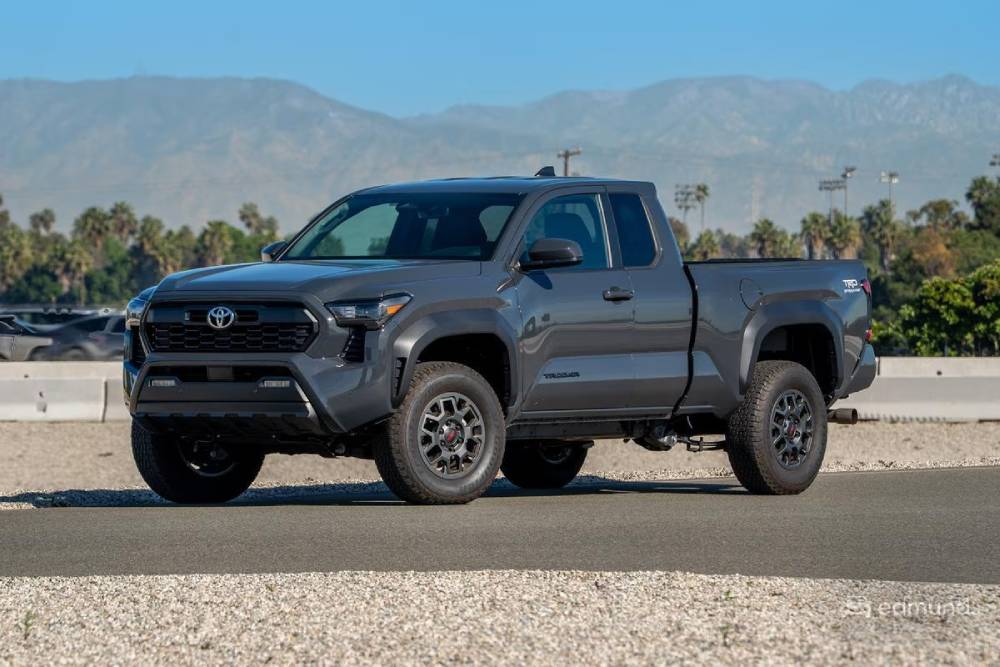
What Type of Gas Does Toyota Tacoma Use?
Most Toyota Tacoma models are designed to use regular unleaded gasoline with an octane rating of 87. Toyota engineers built the Tacoma to deliver reliable performance and durability without requiring expensive premium fuel in most situations. This is great news for owners who want a dependable midsize pickup truck without spending extra money every time they visit a gas station.
For the majority of Tacoma drivers, regular gas provides the ideal balance between cost, fuel efficiency, and engine performance. Whether you own a Tacoma for daily commuting, weekend adventures, or work related tasks, 87 octane fuel is typically all you need to keep the truck running smoothly.
Toyota specifically recommends unleaded gasoline because modern Tacoma engines are calibrated for this fuel type. Using gasoline with a lower octane rating than recommended can potentially cause engine knocking or reduced performance. On the other hand, using higher octane premium fuel usually does not produce major performance improvements in standard Tacoma models.
Many new owners assume that premium gasoline automatically means better engine protection or more horsepower. In reality, if your Tacoma engine was not designed for premium fuel, the benefits are often minimal. In most cases, drivers simply end up paying more for fuel without noticing a meaningful difference in acceleration, towing capability, or fuel economy.
One of the smartest things Tacoma owners can do is check the owner’s manual for their specific model year and engine configuration. Fuel recommendations may vary slightly depending on whether the truck uses a four cylinder engine, a V6, or the newer hybrid powertrain.
Understanding the correct Toyota Tacoma gas type can help drivers avoid unnecessary expenses while maximizing the truck’s long term reliability and efficiency.
Toyota Tacoma Gas Requirements by Engine Type
Not every Toyota Tacoma engine has identical fuel requirements. While most versions use regular unleaded gasoline, understanding the differences between engine options can help owners make better fueling decisions.
2.7L Four Cylinder Tacoma
The 2.7L four cylinder Tacoma is one of the most fuel friendly configurations in the lineup. This engine is designed to operate efficiently using regular unleaded gasoline with an 87 octane rating. Drivers who primarily use their Tacoma for city driving, commuting, or light hauling often choose this engine because of its lower fuel costs and straightforward maintenance requirements.
This engine does not require premium gas under normal driving conditions. Filling the tank with premium fuel generally does not improve horsepower or fuel economy enough to justify the added cost. For budget conscious truck owners, the 2.7L Tacoma offers a practical balance between reliability and operating expenses.
3.5L V6 Tacoma
The 3.5L V6 Tacoma is popular among drivers who need stronger towing capability and improved off road performance. Despite the more powerful engine, Toyota still recommends regular unleaded gasoline for most driving situations.
Many V6 Tacoma owners mistakenly believe they need premium gas because the engine delivers more horsepower and torque. However, the engine management system is specifically tuned for 87 octane fuel. While premium gasoline may slightly reduce engine knock during extreme towing or high temperature driving, the overall performance gains are usually minor.
Drivers who frequently tow heavy trailers through mountainous terrain may occasionally experiment with premium fuel, but for everyday driving, regular unleaded remains the most cost effective option.
i FORCE MAX Hybrid Tacoma
The newer i FORCE MAX hybrid Tacoma introduces advanced hybrid technology into the Tacoma lineup. Even with the addition of turbocharged hybrid performance, many models are still engineered to operate efficiently on regular unleaded gasoline.
Hybrid Tacoma owners often focus heavily on fuel economy and long distance efficiency. Using the manufacturer recommended fuel type is especially important because hybrid systems rely on precise engine calibration to optimize power delivery and battery performance.
As Toyota continues expanding hybrid truck technology, checking the latest fuel recommendations for each model year becomes increasingly important.
Does Toyota Tacoma Need Premium Gas?
One of the most common questions among truck buyers is whether the Toyota Tacoma needs premium gas. The simple answer for most Tacoma models is no.
Premium gasoline typically has an octane rating between 91 and 93. Higher octane fuel is designed for engines with high compression ratios or turbocharged systems that require additional resistance to premature fuel combustion. Since most Tacoma engines are optimized for regular 87 octane fuel, premium gas is not necessary for standard daily driving.
For many owners, this comes as a relief because premium fuel prices can significantly increase yearly fuel expenses. Some drivers spend hundreds of extra dollars annually on premium gasoline believing it protects the engine better. In reality, using premium gas in an engine designed for regular fuel often provides little to no measurable advantage.
There are certain situations where premium fuel may provide small benefits. Drivers who frequently tow heavy loads, drive in extremely hot climates, or push their Tacoma hard during off road adventures may notice slightly smoother engine performance with higher octane gasoline. However, these improvements are usually modest and not essential for most drivers.
Fuel economy is another area where misconceptions are common. Many people expect premium gas to dramatically improve miles per gallon. In most Tacoma models, the difference is minimal. Driving habits, tire pressure, maintenance, and cargo weight typically have a much larger impact on fuel efficiency than switching from regular to premium fuel.
Ultimately, Tacoma owners should follow Toyota’s official fuel recommendations rather than assuming more expensive gasoline automatically means better performance. Choosing the correct fuel type can save money while keeping the truck reliable for years.
What Happens If You Use the Wrong Gas in a Toyota Tacoma?
Using the wrong type of fuel in a Toyota Tacoma can create several problems ranging from minor performance issues to serious engine damage. While modern Tacoma models are built with advanced engine management systems that can adapt to certain fuel variations, consistently using the incorrect fuel is never a good idea.
One of the most common mistakes occurs when drivers use gasoline with an octane rating lower than the manufacturer recommendation. If a Tacoma engine designed for 87 octane fuel receives poor quality or lower octane gasoline, the engine may experience knocking or pinging sounds during acceleration. This happens because the fuel ignites too early inside the combustion chamber, creating uneven pressure that stresses engine components over time.
In some situations, drivers may notice reduced acceleration, rough idling, or lower fuel economy after filling up with the wrong gasoline. The check engine light may also appear if the engine detects abnormal combustion patterns. Although occasional minor mistakes are usually manageable, repeated use of improper fuel can shorten engine lifespan and increase maintenance costs.
A much more serious problem occurs when diesel fuel is accidentally pumped into a gasoline powered Toyota Tacoma. Diesel and gasoline engines operate very differently, and mixing the two fuels can cause severe damage to the fuel system, injectors, fuel pump, and engine internals. If diesel fuel is mistakenly added, drivers should avoid starting the engine and contact roadside assistance immediately.
Another issue involves the use of E85 ethanol fuel in Tacoma models not specifically designed for flex fuel compatibility. Some drivers assume higher ethanol blends are acceptable because they may be cheaper or marketed as environmentally friendly. However, using incompatible ethanol fuel can negatively affect fuel lines, engine performance, and long term reliability.
Many Tacoma owners underestimate how much fuel quality affects overall driving experience. Poor quality gasoline from unreliable gas stations may contain contaminants that reduce engine efficiency and increase carbon buildup over time. Choosing high quality fuel from reputable stations can help maintain smoother performance and better fuel economy.
Understanding the correct Toyota Tacoma gas type is not just about performance. It is also about protecting your investment and avoiding expensive repair bills in the future.
Toyota Tacoma Fuel Economy and Gas Choice
Fuel economy is one of the biggest concerns for Toyota Tacoma owners, especially with rising gas prices affecting drivers across the country. Many people wonder whether choosing premium fuel instead of regular gasoline can improve miles per gallon enough to offset the extra cost. In most cases, the answer is no.
Toyota Tacoma models are engineered to perform efficiently using regular unleaded gasoline. For standard daily driving, switching to premium fuel usually does not create significant fuel savings. Some drivers may notice very small MPG improvements under certain conditions, but these gains are often too minor to justify the higher fuel price.
The reality is that driving habits have a far greater impact on Tacoma fuel economy than fuel octane alone. Aggressive acceleration, excessive idling, sudden braking, and carrying unnecessary cargo can dramatically increase fuel consumption. Even something as simple as underinflated tires can reduce efficiency and force the engine to work harder.
Drivers who regularly tow trailers or travel through mountainous terrain may experience lower MPG regardless of fuel type. Heavy towing naturally places additional stress on the engine, increasing fuel consumption during long trips or steep climbs. In these demanding situations, some owners experiment with premium gasoline hoping for improved engine response, but the benefits are typically modest.
Routine maintenance also plays a major role in maintaining strong fuel economy. Dirty air filters, worn spark plugs, and neglected oil changes can all reduce engine efficiency. Keeping the Tacoma properly maintained often produces better results than switching fuel grades.
For owners looking to maximize MPG, several practical habits can make a noticeable difference. Maintaining proper tire pressure improves rolling resistance and fuel efficiency. Reducing excess cargo weight helps the engine operate more efficiently. Smooth acceleration and consistent highway speeds can also significantly improve gas mileage over time.
Many Tacoma owners are surprised to discover that smart driving habits save more money annually than upgrading to premium fuel. Understanding this can help drivers focus on practical ways to reduce fuel expenses without sacrificing reliability or performance.
Common Fueling Mistakes Tacoma Owners Make
Even experienced truck owners sometimes make fueling mistakes that can reduce performance, waste money, or create unnecessary maintenance issues. Toyota Tacoma drivers are no exception, especially with so much conflicting information online about fuel types and octane ratings.
One of the most common mistakes is assuming premium gasoline is always better for the engine. Many Tacoma owners believe higher octane fuel automatically improves horsepower, protects engine components, or increases fuel economy. While premium gasoline is beneficial for vehicles specifically designed for it, most Tacoma models are optimized for regular 87 octane fuel. Paying extra for premium often delivers little real world benefit.
Another frequent mistake involves ignoring the owner’s manual. Some drivers rely entirely on internet forums or advice from friends instead of following Toyota’s official recommendations. Fuel requirements can vary depending on model year, engine type, and hybrid configuration, making the owner’s manual the most reliable source of information.
Using low quality gasoline from unreliable stations is another issue that can negatively affect Tacoma performance. Cheap fuel may contain impurities or inconsistent additive packages that contribute to carbon buildup and rough engine operation over time. Choosing reputable fuel brands can help maintain cleaner engine components and smoother driving.
Some Tacoma owners also mistakenly use fuel blends with high ethanol content that their truck may not support. Although ethanol blended gasoline is common in many regions, excessive ethanol levels can damage fuel system components if the vehicle is not designed for flex fuel compatibility.
Topping off the gas tank after the fuel pump automatically stops is another habit many drivers overlook. Overfilling the tank can damage the evaporative emissions system and potentially trigger warning lights or costly repairs.
A surprising number of Tacoma drivers also neglect fuel economy basics while focusing too heavily on octane ratings. Poor tire maintenance, excessive cargo weight, and aggressive driving often hurt fuel efficiency far more than using regular instead of premium gasoline.
Avoiding these common fueling mistakes can help Toyota Tacoma owners save money, improve reliability, and extend the lifespan of their truck without unnecessary expenses.
Conclusion
Choosing the correct fuel for your Toyota Tacoma is much simpler than many drivers expect. Most Toyota Tacoma models are designed to run efficiently on regular unleaded gasoline with an 87 octane rating, making the truck both practical and affordable to own. Despite the common belief that premium fuel always delivers better performance, the reality is that most Tacoma owners will see little benefit from paying extra for higher octane gasoline.
Understanding your specific Tacoma engine and following Toyota’s official fuel recommendations can help you avoid unnecessary expenses while protecting long term engine reliability. Whether you drive a four cylinder Tacoma, a V6 model, or the newer hybrid version, using the proper fuel type ensures smoother performance, better fuel efficiency, and reduced risk of engine problems.
Fuel choice is only one part of maintaining strong Tacoma performance. Smart driving habits, regular maintenance, proper tire pressure, and high quality gasoline all contribute to better fuel economy and a longer lasting engine. Many owners discover that improving driving habits saves far more money than switching to premium fuel.
If you are ever unsure about the best gas type for your Toyota Tacoma, your owner’s manual should always be the first place to check. Manufacturer recommendations are specifically designed for your truck’s engine configuration and driving needs.
Now we would like to hear from you. What type of gas do you use in your Toyota Tacoma? Have you noticed any difference between regular and premium fuel in real world driving? Share your experience and fuel economy results in the comments below.