Transmission failure is one of the most frustrating and expensive problems any car owner can face. Many drivers of GM vehicles have reported issues such as shuddering, jerking, delayed acceleration, and hard shifting. These problems are not only annoying during daily driving but can also lead to repair costs ranging from $3,000 to $7,000 or more. For many families, this unexpected expense becomes a serious financial burden.
What makes the situation worse is that thousands of GM owners experienced similar transmission defects without knowing they might be eligible for compensation. This is where the How to Join GM Transmission Class Action Lawsuit (Step-by-Step Guide for 2026 Eligibility & Claims) becomes essential. Instead of paying out of pocket, you may have the legal right to recover repair costs or receive additional compensation.
This guide is designed to help you understand exactly how to join the GM transmission class action lawsuit in 2026. You will learn how to check if your vehicle qualifies, what documents you need, how to submit your claim, and what deadlines you must not miss. If your car has shown signs of transmission failure, taking action now could save you thousands of dollars and protect your rights as a consumer.
Contents
- What Is the GM Transmission Class Action Lawsuit
- Which GM Vehicles Are Affected
- Who Is Eligible to Join the Lawsuit in 2026
- How to Join GM Transmission Class Action Lawsuit
- Important Deadlines You Must Know
- How Much Compensation Can You Get
- Common Problems of 4L60E vs 4L65E
- Should You Join the Lawsuit or Repair Your Vehicle Yourself
- Common GM Transmission Problems Explained
- FAQs About GM Transmission Lawsuit
- Conclusion
What Is the GM Transmission Class Action Lawsuit
The GM transmission class action lawsuit targets serious defects in vehicles that use 8 speed automatic transmissions. Many GM owners report similar issues across different models and years. This pattern shows that the problem is widespread, not isolated.
Drivers often notice clear warning signs while driving. The vehicle may shudder during acceleration. Gear shifts can feel rough or delayed. Some cars hesitate when the driver presses the gas pedal. These issues reduce driving comfort and may raise safety concerns.
Most problems come from key components inside the transmission system. The torque converter often fails to work smoothly. In some cases, the transmission fluid does not perform as expected. Over time, these issues become worse and lead to expensive repairs. Many owners end up paying thousands of dollars for fixes they did not expect.
The lawsuit claims that GM knew about these defects but continued to sell affected vehicles. The company did not provide clear warnings or effective solutions early on. As a result, many customers faced repair costs on their own.
This situation is why many drivers now look for ways to recover their losses. Understanding this background helps you see why learning how to join GM transmission class action lawsuit is important. It also helps you decide whether you should file a claim in 2026.
Which GM Vehicles Are Affected
Many GM vehicles with 8 speed automatic transmissions show similar problems. These issues appear across several brands under General Motors, which increases the scale of the lawsuit. If you own one of the models below, you should check your eligibility as soon as possible.
Chevrolet Models
Several Chevrolet vehicles report transmission issues. Popular models include the Silverado, Colorado, Camaro, and Tahoe. Drivers often complain about shuddering and rough shifting, especially during low speed driving or highway acceleration.
GMC Models
GMC vehicles also appear frequently in complaints. The Sierra, Canyon, and Yukon are among the most affected models. Many owners report hesitation and delayed response when pressing the accelerator. This can make the driving experience feel unpredictable.
Cadillac Models
Luxury models under Cadillac are not exempt. Vehicles such as the Cadillac Escalade and CTS also show similar transmission behavior. This is concerning because buyers expect premium performance and reliability at a higher price point.
Model Years to Watch
Most reports focus on vehicles produced between 2015 and 2019. However, some newer or older models may also experience similar issues depending on the transmission type.
Transmission Types Involved
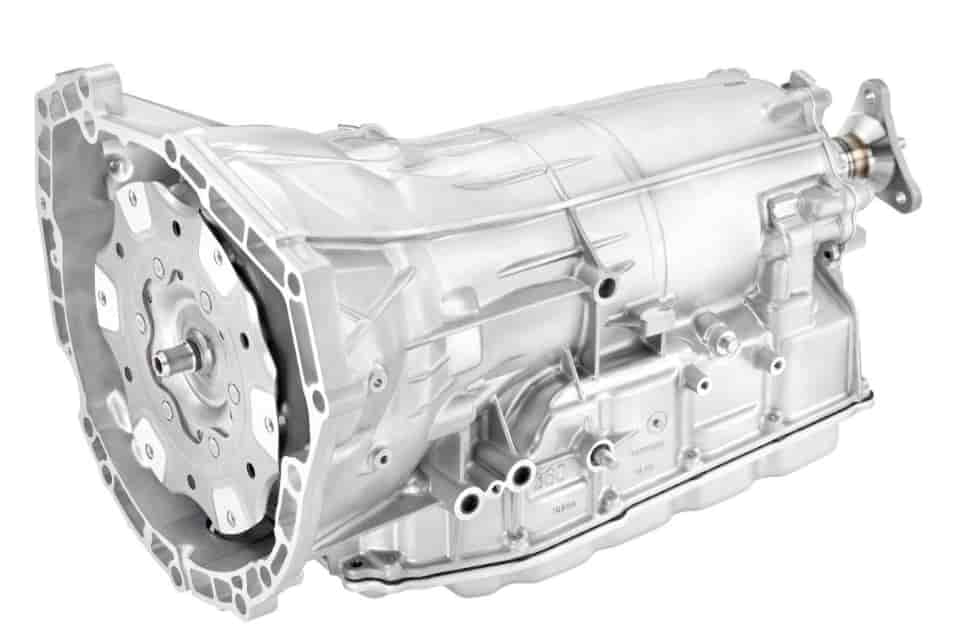
The main transmissions linked to the lawsuit are the 8L45 and 8L90 units. These systems were widely used across GM vehicles during the affected years. Many experts believe these transmissions play a central role in the reported defects.
If your vehicle matches any of these categories and shows signs of transmission problems, you may qualify for compensation. Checking your model, year, and transmission type is a critical step before moving forward with a claim.
Who Is Eligible to Join the Lawsuit in 2026
Not every GM vehicle owner qualifies for compensation. You need to meet specific conditions before you can file a claim. The good news is that many drivers meet these requirements without realizing it.
You may qualify if you own or lease a GM vehicle with an affected transmission. The issue must involve one of the known problems, such as shuddering, hard shifting, or delayed acceleration. These symptoms help prove that your vehicle suffers from the same defect mentioned in the lawsuit.
You can also qualify if you already paid for transmission repairs. Many owners spent thousands of dollars fixing problems that should not have occurred. If you have repair invoices or service records, you have a stronger case. These documents show clear evidence of the issue and the financial impact.
Location may also affect eligibility. Some lawsuits apply only to certain regions or countries. In most cases, claims focus on vehicle owners in the United States. You should check the official case details to confirm whether your location qualifies.
Strong documentation plays a key role in your claim. You should prepare repair bills, dealership reports, warranty records, and proof of ownership. These documents help support your case and speed up the review process.
Many drivers assume they do not qualify and never take action. This mistake can cost you the chance to recover your money. If your vehicle matches the affected list and shows clear transmission issues, you should move forward and verify your eligibility as soon as possible.
How to Join GM Transmission Class Action Lawsuit
Joining a class action lawsuit may sound complex, but the process is often straightforward when you follow the right steps. If your vehicle shows clear transmission issues, you can take action without needing deep legal knowledge. Follow this step by step guide to protect your rights and increase your chances of receiving compensation.
Step 1: Confirm Your Vehicle Eligibility
Start by checking your vehicle details. Look at the model, year, and transmission type. Compare this information with the list of affected vehicles mentioned earlier. Make sure your car shows common symptoms such as shuddering, rough shifting, or delayed acceleration. This step helps you avoid wasting time on a claim that may not qualify.
Step 2: Gather Required Documents
Collect all documents related to your vehicle and repairs. Focus on repair invoices, service records, and warranty information. These documents prove that your vehicle has the defect and show how much money you spent. Clear documentation can strengthen your claim and speed up the process.
Step 3: Find the Official Lawsuit Website or Law Firm
Search for the official case website or a trusted law firm handling the lawsuit. Make sure the source is reliable. Avoid unofficial websites that may collect your information without processing your claim. The official platform will provide accurate instructions and claim forms.
Step 4: Submit Your Claim Form
Fill out the claim form with accurate information. Include your vehicle details, repair history, and supporting documents. Double check everything before submitting. Small mistakes can delay your claim or cause rejection.
Step 5: Track Your Claim Status
After submission, monitor your claim status through the official website or contact channel. Some cases take time to process, so patience is important. Stay updated in case you need to provide additional information.
Taking these steps early can make a big difference. Many drivers delay action and miss important deadlines. If you believe your vehicle is affected, starting your claim now gives you the best chance to recover your losses.
Important Deadlines You Must Know
Deadlines play a critical role when you join any class action lawsuit. Missing a key date can result in losing your right to compensation, even if your vehicle clearly qualifies. Many GM owners make this mistake because they delay action or assume they still have time.
The first deadline to watch is the claim filing deadline. This is the final date when you can submit your claim form and supporting documents. Once this deadline passes, most claims will no longer be accepted. That is why you should prepare your documents early and submit as soon as possible.
Next, you need to pay attention to settlement deadlines. If the lawsuit reaches a settlement, the court will set a specific time frame for affected owners to respond. You may need to confirm your participation or choose whether to accept the settlement terms. Missing this window could mean losing your share of compensation.
Another important factor is the statute of limitations. This refers to the legal time limit you have to take action after discovering the defect. The exact timeframe depends on your location and the specific case details. Waiting too long can prevent you from filing a claim, even if the issue is valid.
Taking early action gives you a clear advantage. It allows you to gather documents, verify your eligibility, and submit your claim without pressure. Many drivers wait until the last minute and face unnecessary stress or rejection due to incomplete information.
If you believe your vehicle is affected, do not delay. Checking deadlines and acting now can protect your legal rights and increase your chances of receiving compensation.
How Much Compensation Can You Get
One of the biggest concerns for most drivers is the cost of fixing a defective transmission. Repairs can quickly become a financial burden, especially when the issue appears multiple times. This is why many vehicle owners want to know how much compensation they can receive from the lawsuit.
In many cases, you may qualify for repair reimbursement. If you already paid to fix your transmission, you could recover part or all of that cost. The exact amount depends on your documents, the severity of the issue, and the terms of the settlement. Keeping clear repair records can significantly improve your chances of receiving a higher payout.
Some settlements also offer extended warranties. This means GM may cover future transmission repairs for a specific period. For many drivers, this provides peace of mind and reduces the risk of paying out of pocket again. It is especially valuable if your vehicle continues to show symptoms after initial repairs.
In certain cases, you may receive direct cash compensation. This usually applies when the defect caused significant inconvenience or financial loss. The payout amount can vary based on factors such as repair history, vehicle condition, and how long you experienced the issue.
However, not every claim results in the same compensation. Several factors can affect your payout. These include the quality of your documentation, the timing of your claim, and the final terms approved by the court. Submitting a complete and accurate claim gives you a clear advantage.
For many drivers, the real pain comes from paying thousands of dollars for a problem they did not cause. Joining the lawsuit offers a chance to recover those losses and avoid future expenses. If your vehicle qualifies, taking action now could help you reduce financial stress and regain control over your situation.
Common Problems of 4L60E vs 4L65E
Understanding common issues helps you avoid costly mistakes when comparing 4L60E vs 4L65E. Many transmission failures do not happen suddenly. They start with small warning signs that drivers often ignore.
The 4L60E has several well known weak points. One of the most common issues is 3 to 4 clutch failure. This problem causes slipping during gear shifts and reduces driving performance. Another major issue is the weak sun shell. Under stress, it can crack or break, which leads to complete transmission failure.
Overheating also affects the 4L60E. When temperatures rise, internal components wear faster. This often happens during towing or aggressive driving. If drivers do not address the heat, the transmission can fail much earlier than expected.
The 4L65E fixes some of these weaknesses but does not eliminate all problems. Its stronger internal parts reduce the risk of failure under load. However, it can still wear out when exposed to extreme conditions. High performance builds or constant heavy towing can push it beyond its limits.
Both transmissions share common warning signs. These include delayed shifting, slipping gears, strange noises, and burning smells. Ignoring these signs often leads to expensive repairs or full rebuilds.
Repair costs vary depending on damage. A basic rebuild can cost a significant amount, while a full replacement costs even more. This is why early detection and proper maintenance are critical.
In the 4L60E vs 4L65E comparison, the 4L65E handles stress better and reduces failure risk. However, both transmissions require attention and care to maintain long term performance.
Should You Join the Lawsuit or Repair Your Vehicle Yourself
Many GM owners face a difficult decision when transmission problems appear. You can either join the lawsuit and wait for compensation, or pay for repairs and fix the issue immediately. Each option has clear benefits and drawbacks, so you need to choose based on your situation.
Joining the lawsuit gives you a chance to recover repair costs. You may also receive additional compensation or extended warranty coverage. This option works well if you already paid for repairs or cannot afford another expensive fix. It also helps hold the manufacturer accountable for the defect. However, the process can take time. You may need to wait months or even longer before receiving any payout.
Repairing your vehicle on your own offers a faster solution. You can fix the problem and restore normal driving performance right away. This option is useful if you rely on your car daily and cannot deal with ongoing transmission issues. However, the cost can be high, especially if the transmission needs a full replacement. You also carry the risk of the problem returning if the root cause is not fully resolved.
In some cases, the best approach is to combine both options. You can repair your vehicle to ensure safety and reliability, then join the lawsuit to recover part of the cost later. This strategy helps you avoid long periods of inconvenience while still protecting your financial interests.
Your decision depends on your budget, urgency, and long term plans for the vehicle. If the repair cost feels overwhelming, joining the lawsuit becomes a more attractive option. If you need an immediate fix, repairing the vehicle may be the better choice.
Understanding these options helps you make a smarter decision. It also brings you one step closer to taking action through the process of how to join GM transmission class action lawsuit.
Common GM Transmission Problems Explained
Understanding the common transmission problems helps you confirm whether your vehicle has the same defect mentioned in the lawsuit. Many drivers notice symptoms but do not know the technical cause. This section explains the issues in simple terms so you can identify them quickly.
One of the most common problems is shuddering during acceleration. The car may vibrate or shake when you press the gas pedal, especially at low speeds. This issue often comes from the torque converter, which fails to operate smoothly. Over time, the vibration becomes more noticeable and affects driving comfort.
Another frequent issue is hard or rough shifting. The vehicle may jerk when changing gears instead of shifting smoothly. This problem can make driving feel unstable, especially in stop and go traffic. In some cases, it may also increase wear on other transmission components.
Delayed acceleration is another warning sign. When you press the gas pedal, the vehicle may hesitate before responding. This delay can feel dangerous when merging into traffic or overtaking other cars. It often indicates that the transmission system is not working efficiently.
Some drivers also report overheating or fluid related issues. Transmission fluid plays a key role in lubrication and cooling. If the fluid breaks down or becomes contaminated, the entire system may struggle to function properly. This can lead to long term damage and higher repair costs.
These problems tend to get worse over time if left untreated. What starts as a small vibration can turn into a major repair. Recognizing these symptoms early helps you take action faster and strengthens your case.
If your vehicle shows one or more of these issues, you may have a strong reason to move forward. It is another important step in understanding how to join GM transmission class action lawsuit and proving that your vehicle qualifies.
FAQs About GM Transmission Lawsuit
Many drivers still have questions before deciding to take action. Below are clear answers to the most common concerns.
Is it free to join the lawsuit
Yes, joining a class action lawsuit is usually free. Lawyers often work on a contingency basis, which means they only get paid if the case succeeds. You do not need to pay upfront fees to submit a claim.
Do you need a lawyer to join
In most cases, you do not need to hire a personal lawyer. You can join the lawsuit by submitting a claim form through the official case website. However, legal support can help if your case is complex or involves high repair costs.
How long does the process take
The timeline can vary. Some cases take several months, while others may take longer depending on court decisions and settlement negotiations. Patience is important, but early action increases your chances of success.
Can you still join if you sold the vehicle
Yes, you may still qualify if you previously owned or leased an affected vehicle. You will need proof of ownership and repair history. This helps show that you experienced the issue during your ownership period.
Conclusion
Transmission problems can turn a reliable vehicle into a costly burden. Many GM owners have faced unexpected repair bills and ongoing frustration due to defective transmission systems. The good news is that you may not have to handle this problem alone.
This guide has shown you exactly how to join GM transmission class action lawsuit in a clear and practical way. You learned how to check your eligibility, identify affected vehicles, prepare documents, and submit your claim step by step. You also understand the importance of deadlines and the potential compensation you may receive.
Taking action early can make a significant difference. It gives you time to prepare strong documentation and avoid missing important deadlines. Many drivers lose their chance simply because they wait too long or assume they do not qualify.
If your vehicle shows signs of transmission issues, now is the time to act. Review your documents, confirm your eligibility, and start your claim as soon as possible. This step can help you recover repair costs, reduce financial stress, and protect your rights as a consumer.