Fixing a flat tire typically costs $20 to $50 for a standard professional puncture repair in the United States. The final price depends on the type of tire damage, repair method, labor charges, and service provider. A small puncture in the repairable tread area generally costs less to fix than damage that requires a complete tire replacement.
The cost also varies by repair method. A tire plug kit may cost $5 to $15 for a temporary DIY fix, while a professional internal patch-plug repair generally costs $20 to $50. Mobile tire repair services may charge additional call-out fees, especially for emergency roadside assistance. Some tire retailers also provide free puncture repairs for eligible tires under specific service programs or road hazard warranties.
Not every flat tire can be repaired safely. Punctures in the tire’s central tread area may qualify for professional repair, while sidewall damage, large punctures, and internal structural damage typically require replacement. A new passenger vehicle tire can cost $80 to $250 or more before installation, depending on its size, brand, and specifications.
This guide explains flat tire repair costs by method, damage type, and service provider, along with when repairing a tire makes more financial sense than replacing it.
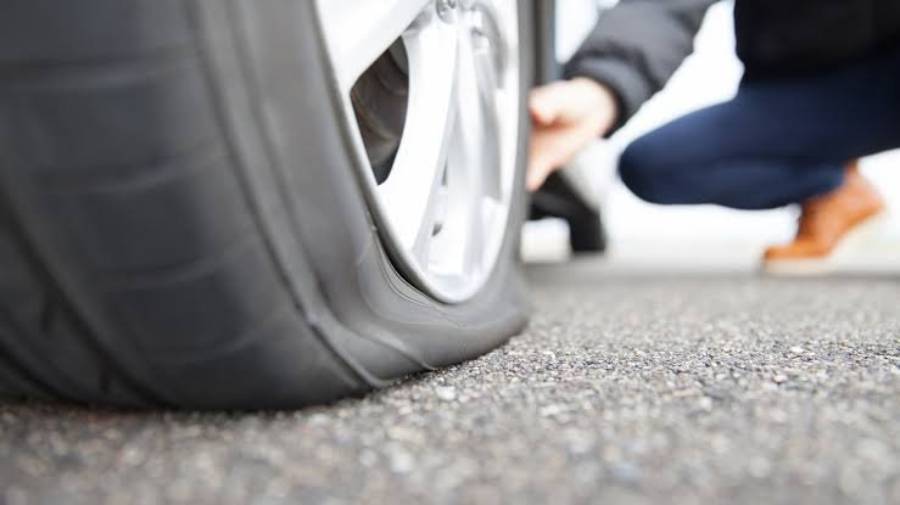
How Much Does It Cost to Fix a Flat Tire?
Fixing a flat tire typically costs $20 to $50 at a professional tire repair shop in the United States. This price generally covers inspecting the damaged tire, removing it from the wheel, repairing an eligible puncture, and reinstalling the tire. The exact charge depends on the repair procedure, local labor rates, and whether additional services, such as wheel balancing, are necessary.
A standard tread puncture caused by a nail or screw is usually the least expensive type of flat tire damage to repair. Professional technicians inspect the tire’s interior to determine whether the puncture meets repair guidelines. For example, a puncture measuring no more than 1/4 inch (6 mm) within the approved tread repair area may qualify for a permanent repair using a combination patch-plug. Damage to the sidewall or shoulder generally requires tire replacement rather than a more expensive repair.
The table below compares estimated flat tire repair costs in the United States.
| Repair Method | Estimated Cost (USD) | Service Details |
|---|---|---|
| DIY tire plug kit | $5–$15 | Temporary roadside repair |
| Professional tire plug | $10–$25 | External plug; not recommended as a standalone permanent repair |
| Professional tire patch | $20–$40 | Internal patch; not recommended alone for a puncture through the tire |
| Combination patch-plug repair | $20–$50 | Professional repair for eligible tread punctures |
| Tire sealant | $10–$25 | Temporary puncture sealing |
| Mobile tire repair | $50–$150+ | On-site service, including potential call-out fees |
| Tire replacement | $80–$250+ | New passenger tire; installation may cost extra |
These figures are approximate US market estimates, not verified quotes from individual service providers. Actual charges vary by location, tire specifications, and service availability.
Professional tire repair is generally cheaper than replacement when the damage is repairable. For example, repairing an eligible puncture for $35 instead of purchasing a $150 replacement tire saves $115 before any additional installation charges. However, a lower repair price does not justify repairing a tire with sidewall damage, exposed internal cords, or structural damage caused by driving while severely underinflated.
Some tire retailers offer complimentary puncture repairs under qualifying service programs or road hazard warranties. Drivers should confirm whether the quoted price includes tire removal, internal inspection, a combination repair, reinstallation, and applicable fees before authorizing the work.
How Much Does Each Flat Tire Repair Method Cost?
Flat tire repair methods typically cost $5 to $50, depending on whether the repair uses a tire plug, internal patch, or combination patch-plug. DIY repair kits have the lowest upfront cost, while professional repairs include labor, tire inspection, and specialized equipment. The correct method depends on puncture size, location, and the tire’s internal condition rather than price alone.
How Much Does It Cost to Plug a Tire?
Plugging a tire typically costs $10 to $25 at a repair shop, while a DIY tire plug kit costs approximately $5 to $15. A tire plug consists of a flexible rubber-based material inserted into a puncture channel to reduce air leakage. The procedure is relatively inexpensive because an external plug can be installed without removing the tire from the wheel.
A tire plug is commonly used for small punctures caused by nails or screws in the tread area. For example, a driver who discovers a nail in the center of a tire’s tread may use a plug kit to temporarily seal the puncture and reach a repair facility. However, an external plug does not allow a technician to inspect the tire’s inner liner for hidden damage.
A tire plug alone is not considered a proper permanent puncture repair under U.S. Tire Manufacturers Association guidelines. A permanent repair requires removing the tire, inspecting its interior, filling the puncture channel, and sealing the inner liner. Drivers should treat externally installed plugs as temporary measures rather than substitutes for a professional combination repair.
How Much Does It Cost to Patch a Tire?
A professional tire patch service typically costs $20 to $40, depending on labor rates and whether tire removal and reinstallation are included. A tire patch is a rubber repair material applied to the tire’s inner liner to seal an air leak. Unlike an external plug, installing an internal patch requires separating the tire from the wheel to access the damaged area.
The patching procedure involves locating the puncture, inspecting the inner liner, preparing the repair surface, and applying the repair material. For example, a technician repairing a nail puncture must check for damage caused by driving with insufficient tire pressure before deciding whether the tire is repairable. Internal inspection adds labor time but helps identify conditions that cannot be detected from the outside.
An internal patch alone is not a complete permanent repair for a puncture that passes through the tire. Although it seals the inner liner, it does not fill the puncture channel. A properly installed combination patch-plug addresses both requirements, helping prevent air leakage and moisture intrusion into the tire structure.
How Much Does a Patch-Plug Tire Repair Cost?
A professional combination patch-plug tire repair typically costs $20 to $50 in the United States. This method combines an internal sealing patch with a rubber stem that fills the puncture channel. It is the preferred permanent repair method for eligible punctures because it seals the inner liner and fills the damaged passage through the tread.
The repair process requires removing the tire from the wheel, examining its internal structure, preparing the puncture, and installing the combination repair unit. The technician then remounts and inflates the tire, checks for leaks, and reinstalls the wheel. For example, a passenger tire with a 3 mm nail puncture in the approved tread repair area may qualify for this procedure, provided it has no additional structural damage.
Combination patch-plug repairs must meet applicable tire manufacturer requirements. Industry guidance generally limits puncture repairs to damage no larger than 1/4 inch (6 mm) within the approved tread area. Tires with sidewall punctures, shoulder damage, or internal deterioration from severe underinflation must not be repaired using this method.
Tire sealant offers another option for temporary roadside mobility, with consumer products typically costing $10 to $25. Sealant is introduced through the tire valve or an integrated inflation system to temporarily reduce air loss from certain small punctures. However, sealant does not restore structural integrity or replace professional inspection. Drivers should also check tire manufacturer instructions because some sealants have usage restrictions and may complicate subsequent servicing.
What Factors Affect the Cost of Fixing a Flat Tire?
The cost of fixing a flat tire depends on four main factors: puncture location, damage severity, tire type, and labor charges. These factors determine whether a tire qualifies for repair, which repair procedure is required, and how much a service provider charges. A small puncture in the central tread area may cost $20 to $50 to repair, while damage to the sidewall or internal structure generally requires tire replacement.
Puncture location determines whether a flat tire can be repaired safely. Small punctures within the approved tread repair area are generally eligible for professional repair, provided they meet the tire manufacturer’s requirements. In contrast, punctures in the shoulder or sidewall compromise areas that experience substantial flexing during driving. For example, a 3 mm nail puncture in the central tread may qualify for a combination patch-plug repair, while an identical puncture in the sidewall requires replacement. The difference is repair eligibility, not simply a higher labor charge.
Damage severity affects repair costs by determining whether the tire remains structurally sound. A puncture measuring no more than 1/4 inch (6 mm) may qualify for repair when it falls within the approved tread area and the tire passes internal inspection. Larger punctures, exposed reinforcing cords, and damage caused by driving on a severely underinflated tire generally make replacement necessary. Driving with insufficient air pressure generates excessive heat and flexing, which can damage the tire’s internal components even when the exterior appears intact. A technician must inspect the inner liner and sidewalls before approving a permanent repair.
Tire type influences repair costs because different tire constructions have specific servicing requirements. Standard passenger tires are generally straightforward to inspect and repair when the damage meets industry guidelines. Run-flat tires require additional consideration because their reinforced sidewalls allow limited driving after pressure loss, potentially concealing internal damage. Some manufacturers prohibit repairs under certain conditions or require specific inspection procedures. Low-profile and high-performance tires may also require specialized mounting equipment, increasing labor charges. For example, servicing a run-flat tire on a luxury vehicle may cost more than repairing a standard tire because of equipment requirements and manufacturer restrictions.
Labor charges and additional services account for differences between tire repair quotes. Professional repair involves removing the wheel, dismounting the tire, inspecting its interior, installing the repair unit, and remounting the tire. Shops may charge separately for wheel balancing, TPMS-related service, or other work when necessary. For example, a shop quoting $30 for puncture repair may charge an additional $15 for balancing, bringing the total to $45. Drivers should request an itemized estimate to identify which services are included and whether any additional charges are justified.
Geographic location also influences the final repair bill through differences in operating expenses and local labor rates. Tire shops in high-cost metropolitan areas may charge more than shops in smaller communities for the same repair procedure. However, the tire’s condition and repair eligibility should determine the service performed, regardless of local pricing. Comparing quotes is useful only when the providers are offering equivalent, manufacturer-compliant repairs.
How Much Does Flat Tire Repair Cost at Different Service Providers?
Flat tire repair typically costs $20 to $50 at a local tire shop, $25 to $60 at a dealership, and $50 to $150 or more through a mobile tire repair service. These estimated prices reflect differences in labor rates, service equipment, travel expenses, and repair procedures. The final cost also depends on whether the tire requires a standard puncture repair or additional services such as wheel balancing.
Local tire shops generally offer the most economical option for professional flat tire repair. Independent tire shops and specialized tire retailers typically charge $20 to $50 for an eligible puncture repair. Their technicians use tire mounting equipment to remove the tire, inspect its interior, and install an appropriate repair unit. For example, a driver with a nail puncture in the central tread area might pay $30 for a combination patch-plug repair at a local tire shop. Some retailers, including Discount Tire, advertise complimentary flat tire repair for eligible tires, subject to their service policies and safety requirements.
Car dealerships typically charge $25 to $60 for flat tire repair, although prices vary by dealership, vehicle brand, and local labor rates. Dealership service departments follow vehicle and tire manufacturer specifications, which is particularly relevant for vehicles equipped with run-flat or specialized performance tires. For example, a dealership servicing a luxury sedan may inspect a damaged run-flat tire and recommend replacement if the tire manufacturer prohibits repair under the circumstances. Dealerships may also charge separately for balancing or other required services.
Mobile flat tire repair generally costs $50 to $150 or more because the service includes travel and on-site assistance. Mobile technicians bring equipment to the driver’s location, reducing the need to visit a repair shop. The total charge may include a service call, puncture repair, and additional fees for long-distance travel or after-hours assistance. For example, a mobile technician might charge $60 for a service visit and $35 for an eligible puncture repair, resulting in a $95 total. However, not every mobile provider has the equipment needed to dismount a tire and perform a permanent internal repair. Some services only install a spare tire or provide temporary inflation.
The following table compares estimated flat tire repair charges by service provider.
| Service Provider | Estimated Cost | Main Cost Consideration |
|---|---|---|
| Independent tire shop | $20–$50 | Standard repair labor |
| Tire retailer | $0–$50 | Complimentary repairs may be available |
| Car dealership | $25–$60 | Dealership labor and manufacturer requirements |
| Mobile tire repair | $50–$150+ | Travel, service call, and repair charges |
| Roadside assistance | Varies by coverage | Membership benefits and additional service fees |
Prices are approximate US estimates. Service availability, repair eligibility, and included charges vary by provider.
A local tire shop is generally the most cost-effective choice when the vehicle can be brought to a repair facility safely. Mobile service offers greater convenience when a driver is stranded, while a dealership may be appropriate for tires with manufacturer-specific servicing restrictions. Drivers should confirm whether the quoted price covers a permanent internal repair, tire removal, reinstallation, and any necessary additional work before choosing a provider.
When Is It Cheaper to Repair a Flat Tire Than Replace It?
Repairing a flat tire is cheaper than replacing it when the puncture meets professional repair guidelines and the tire has no structural damage. A standard puncture repair typically costs $20 to $50, while replacing a passenger vehicle tire can cost $80 to $250 or more before installation. For example, repairing an eligible puncture for $35 instead of purchasing a $150 tire saves $115, excluding additional replacement expenses.
However, repair cost is only one consideration. The tire’s puncture location, remaining tread depth, age, and internal condition determine whether a repair is appropriate. A tire with significant wear or structural damage may require replacement even when the visible puncture appears small. Professional inspection is necessary to establish whether the tire can safely return to service.
When Can a Flat Tire Be Repaired?
A flat tire can generally be repaired when the puncture is no larger than 1/4 inch (6 mm), falls within the approved tread repair area, and has not caused internal structural damage. These conditions reflect commonly used U.S. Tire Manufacturers Association repair guidelines, although individual tire manufacturers may impose additional restrictions.
A repairable puncture must be located within the central tread area rather than the shoulder or sidewall. The technician must remove the tire from the wheel to inspect its inner liner, sidewalls, and internal components. A proper permanent puncture repair fills the injury channel and seals the inner liner using an approved combination repair procedure.
For example, a passenger tire with a 4 mm nail puncture in the central tread may qualify for a $35 patch-plug repair if the tire has sufficient tread depth and no internal damage. In contrast, a tire with a similar puncture near the shoulder should be replaced because that area experiences substantial flexing and is outside the approved repair zone.
Tire replacement is necessary when damage exceeds repair limits or compromises structural integrity. Common non-repairable conditions include sidewall punctures, shoulder damage, exposed reinforcing cords, significant tread separation, and internal deterioration caused by driving on a flat tire. Tires with insufficient remaining tread depth or damage overlapping an existing repair may also be ineligible for repair.
Driving on a severely underinflated tire can damage its internal structure through excessive heat and sidewall flexing. This damage may remain hidden until the tire is removed from the wheel. Consequently, a tire that appears repairable from the outside may still require replacement after inspection.
How Much Does Replacing a Flat Tire Cost?
Replacing a flat tire typically costs $80 to $250 or more for a standard passenger vehicle tire, excluding installation and additional service charges. Replacement prices depend on tire size, brand, performance rating, construction, and vehicle requirements. Larger SUV tires, high-performance tires, and specialized run-flat tires generally cost more than standard economy passenger tires.
The following table compares illustrative replacement tire prices by category.
| Tire Type | Estimated Price Per Tire |
|---|---|
| Economy passenger tire | $60–$120 |
| Standard all-season tire | $80–$180 |
| SUV or light truck tire | $120–$300 |
| High-performance tire | $150–$350+ |
| Run-flat tire | $180–$400+ |
These are approximate US retail price ranges per tire, excluding installation, taxes, and additional fees.
Tire installation generally adds $15 to $40 per tire, depending on the service provider and included work. Installation may cover mounting, balancing, and valve-related services, although some shops charge separately for tire disposal or TPMS servicing. For example, replacing a damaged tire priced at $160 with a $25 installation charge results in a total of $185 before taxes or other fees.
Replacing only one tire is not always appropriate. Vehicles with all-wheel-drive systems may have manufacturer requirements concerning differences in tire circumference or tread depth. Significant differences between tires can affect drivetrain operation, potentially requiring replacement of additional tires. Drivers should consult their vehicle manufacturer’s specifications before replacing a single tire.
Repair is the more economical choice when the tire meets all safety requirements and retains sufficient usable tread life. Replacement becomes the appropriate expense when the tire cannot be repaired safely, has reached its wear limits, or no longer meets vehicle manufacturer requirements. Choosing a lower repair price over a necessary replacement creates a safety risk and may result in additional costs if the damaged tire fails.
Can You Fix a Flat Tire Yourself for Less Money?
Fixing a flat tire yourself typically costs $5 to $25 for basic repair supplies, compared with $20 to $50 for professional puncture repair. DIY options include tire plug kits, aerosol sealants, and portable tire inflators. These products can temporarily restore tire pressure or reduce air leakage, allowing drivers to reach a repair facility. However, a roadside fix does not replace the internal inspection and repair procedure required for a permanent repair.
A basic tire plug kit generally costs $5 to $15 and includes rubber repair strips, an insertion tool, and a puncture preparation tool. Tire sealants typically cost $10 to $25, while portable air compressors may add $20 to $60 or more to the initial expense. For example, a driver purchasing a $10 plug kit and a $30 inflator spends $40 on equipment that may be reusable for future emergencies. This upfront cost is comparable to a single professional puncture repair, but the equipment does not provide an equivalent permanent repair.
DIY tire repairs have important safety limitations because external plugs and sealants cannot reveal internal tire damage. A puncture caused by a nail may appear minor from the outside, while the tire’s inner liner or sidewall has sustained damage from prolonged underinflation. A temporary repair also cannot restore a tire with a damaged sidewall, exposed reinforcing cords, or structural separation. Drivers should follow the repair product’s instructions and the vehicle manufacturer’s guidance, including any restrictions on speed and travel distance.
Professional repair is the better long-term option for a tire that qualifies for permanent repair. Although DIY supplies may reduce immediate roadside expenses, a technician must remove the tire from the wheel, inspect its internal condition, and perform an approved repair. Drivers should avoid driving on a visibly damaged or severely underinflated tire and use roadside assistance when the vehicle cannot be moved safely.
Can You Get a Flat Tire Fixed for Free?
You can get a flat tire fixed for free when a tire retailer offers complimentary puncture repair or when an eligible warranty or service program covers the repair charge. Free service is not guaranteed for every tire because coverage depends on the provider’s policies, puncture location, tire condition, and repair eligibility. A tire that fails safety inspection may require replacement even when a complimentary repair program is available.
Some tire retailers provide free flat tire inspections and puncture repairs to attract customers and encourage long-term tire maintenance. For example, Discount Tire advertises free flat tire repair for eligible tires, subject to inspection and service conditions. Drivers should confirm whether the program applies to tires purchased elsewhere and whether mounting, balancing, or other services are included. A complimentary inspection does not necessarily mean every repair or replacement will be free.
Road hazard warranties can reduce or eliminate eligible flat tire repair expenses. These warranties may be included with a tire purchase or sold separately by retailers. Coverage commonly addresses qualifying damage from road hazards such as nails, screws, and certain debris. For example, a driver with a covered tread puncture may receive a professional repair without an additional repair charge. However, warranty terms may exclude sidewall damage, improper tire maintenance, or tires that no longer meet minimum service requirements. Replacement coverage may also involve deductibles, prorated charges, or installation fees.
Roadside assistance memberships provide another way to reduce emergency flat tire expenses, although their benefits differ from professional puncture repair. Programs offered through automobile clubs, insurance companies, and vehicle manufacturers may cover spare tire installation or towing to a repair facility. For example, a roadside assistance technician may install a usable spare tire at no additional service charge under an eligible membership, but the driver may still need to pay a tire shop for the permanent puncture repair.
The most effective way to avoid unnecessary repair charges is to check existing coverage before paying for service. Drivers should review tire purchase receipts, road hazard warranty documents, vehicle warranty benefits, and roadside assistance memberships. They should also ask the service provider whether free puncture repair is available and what conditions apply. These checks can reduce out-of-pocket expenses without compromising tire safety.
Read more: Fix-a-Flat vs Slime: Which Tire Sealant Is Better?
How Long Does It Take to Fix a Flat Tire?
Fixing a flat tire typically takes 20 to 45 minutes at a professional tire repair shop, excluding waiting time. The procedure includes removing the wheel, dismounting the tire, inspecting its interior, repairing an eligible puncture, and reinstalling the tire. Repair duration depends on the tire’s condition, repair method, technician availability, and whether additional services are required.
A standard nail puncture in the central tread area generally requires less service time than a tire with an unidentified air leak. For example, a technician may complete a straightforward combination patch-plug repair in approximately 30 minutes after confirming that the tire meets repair requirements. Locating a slow leak, inspecting suspected wheel damage, or servicing a specialized run-flat tire can extend the procedure. Additional work, such as wheel balancing or valve replacement, may also increase the total service time.
Mobile flat tire repair can take longer overall because the driver must wait for the technician to arrive. Travel distance, traffic conditions, and service availability affect response time, while the actual repair procedure depends on the equipment carried by the mobile provider. Roadside assistance services that only install a spare tire may complete the roadside task without repairing the damaged tire. Drivers should confirm whether the provider offers permanent puncture repair or temporary assistance.
Repair duration also influences the total cost when shops charge separately for labor or additional services. However, a faster repair is not necessarily a better repair. Proper internal inspection and an approved repair procedure are more important than minimizing service time.
How Can You Reduce Flat Tire Repair Costs?
You can reduce flat tire repair costs by maintaining proper tire pressure, inspecting tires regularly, addressing air leaks promptly, checking warranty coverage, and comparing professional repair quotes. These five practices help limit avoidable tire damage and unnecessary service charges. Although routine maintenance cannot prevent every puncture, it reduces the likelihood that a repairable tire will suffer additional damage requiring replacement.
Maintaining the correct tire pressure reduces excessive heat buildup and structural stress. Underinflated tires flex more during driving, generating heat that can damage internal components. A small puncture that initially qualifies for a $35 repair may eventually require a $150 replacement tire if the vehicle is driven while severely underinflated. Drivers should check tire pressure at least once a month and before long trips, using the cold inflation pressure specified on the vehicle’s tire information placard rather than the maximum pressure printed on the tire sidewall.
Regular tire inspections help identify punctures and air leaks before they cause additional damage. Drivers should examine the tread for embedded nails, screws, cuts, and unusual wear patterns. A tire that repeatedly loses pressure requires professional inspection even when no puncture is visible. For example, a slow leak may originate from a small tread puncture, a damaged valve, or an imperfect seal between the tire and wheel. Identifying the source early helps prevent prolonged underinflation and supports an appropriate repair decision.
Checking existing warranties and service benefits can eliminate eligible repair charges. Road hazard protection plans, retailer repair programs, and certain tire service packages may cover qualifying punctures. Drivers should review coverage conditions before authorizing a paid repair because exclusions may apply to sidewall damage, excessive tread wear, or improper maintenance. Roadside assistance benefits may also reduce towing or spare tire installation expenses, even when the permanent tire repair is billed separately.
Comparing repair quotes helps drivers avoid unnecessary labor charges and service fees. A professional puncture repair estimated at $20 to $50 may include different services depending on the provider. For example, one shop may quote $30 for an approved combination patch-plug repair, while another quotes $45 including wheel balancing. Drivers should compare the complete service rather than selecting the lowest advertised price. A quote should identify the repair method, inspection procedure, labor charges, and additional fees.
Repairing an eligible puncture promptly is generally more economical than continuing to drive on a damaged tire. Continued air loss increases the risk of internal deterioration, while a tire that becomes structurally compromised must be replaced. Drivers should stop driving when tire pressure is dangerously low, arrange appropriate roadside assistance if necessary, and have the tire professionally inspected. Timely service protects the remaining tire life and prevents a relatively inexpensive puncture from becoming a more costly replacement.