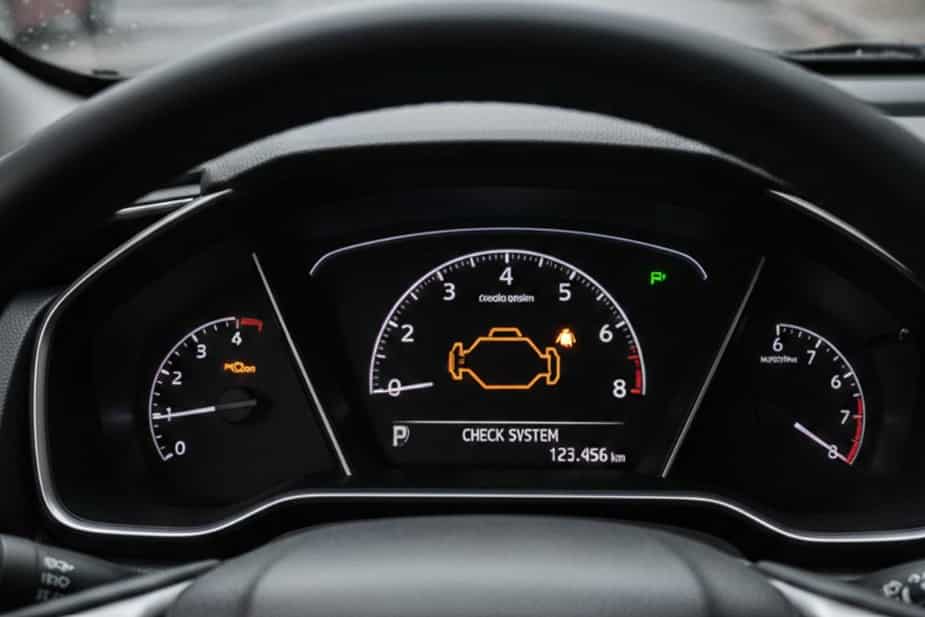
Seeing the Check Engine Light appear on your Honda can be frustrating, especially when the vehicle starts losing power, hesitating during acceleration, or behaving differently than usual. One common trouble code that Honda owners may encounter is the Honda P2646 Code, a diagnostic issue related to the rocker arm actuator system and VTEC operation.
The Honda P2646 Code does not always mean that a single component has failed. While many drivers immediately suspect the VTEC solenoid, the actual cause can involve several areas, including low engine oil level, dirty oil, restricted oil passages, faulty sensors, electrical problems, or insufficient oil pressure.
The VTEC system relies on precise oil pressure and accurate electronic feedback to adjust valve operation. When the Powertrain Control Module detects that the commanded rocker arm actuator performance does not match the expected result, it stores the P2646 trouble code and activates the Check Engine Light.
In this guide, you will learn what the Honda P2646 Code means, the most common symptoms, possible causes, proper diagnostic steps, and effective repair solutions. Understanding the complete system can help you avoid unnecessary part replacements and identify the real problem faster.
What Does Honda P2646 Code Mean?
The Honda P2646 Code is an OBD II diagnostic trouble code that indicates a problem with the rocker arm actuator system performance or that the system is stuck in the off position on Bank 1. In simple terms, the vehicle’s computer has detected that the VTEC system is not operating as expected.
Honda engines equipped with VTEC technology use engine oil pressure to control valve timing and improve performance and efficiency. The process depends on several components working together, including the Powertrain Control Module, VTEC solenoid, rocker arm actuator, oil passages, and rocker arm oil pressure switch.
When the engine reaches the operating conditions required for VTEC activation, the PCM sends a command to the oil control solenoid. The solenoid directs pressurized engine oil through specific passages to activate the rocker arm mechanism. The oil pressure switch then provides feedback to confirm that the system has responded correctly.
A Honda P2646 Code appears when the PCM detects a difference between the expected system operation and the actual feedback signal. This does not automatically mean the VTEC solenoid is defective. The issue may come from insufficient oil pressure, contaminated engine oil, blocked oil passages, a faulty pressure switch, damaged wiring, or a mechanical problem inside the rocker arm system.
Because multiple components can trigger the same code, proper diagnosis is essential. Replacing parts without testing can lead to unnecessary repairs and additional costs. A complete inspection should focus on the entire VTEC system, including oil condition, electrical signals, hydraulic pressure, and mechanical operation.
Common Symptoms of Honda P2646 Code
The Honda P2646 Code can cause several noticeable changes in vehicle performance, although the symptoms may vary depending on the actual cause. Some drivers may experience obvious engine problems, while others may only notice the Check Engine Light after a diagnostic scan.
The most common symptom is the Check Engine Light turning on. This happens when the Powertrain Control Module detects that the rocker arm actuator system is not working according to the expected operating conditions.
Many Honda owners also report reduced engine power and slower acceleration. Because the VTEC system helps optimize valve operation at different engine speeds, a failure in this system can prevent the engine from delivering normal performance, especially during acceleration or when driving at higher RPM.
Another common sign is hesitation or inconsistent engine response. The vehicle may feel weak, struggle under load, or respond slowly when the accelerator is pressed. In some cases, drivers may notice reduced fuel efficiency because the engine is no longer operating with optimal valve control.
A Honda P2646 Code may also cause rough engine operation or unusual noises from the valve train area. These symptoms can indicate problems with oil pressure, oil flow, or mechanical components inside the VTEC system.
Some vehicles experience intermittent symptoms, meaning the problem appears only when the engine is warm, under heavy acceleration, or during specific driving conditions. Because the symptoms can overlap with other engine issues, proper diagnosis is important before replacing any parts.
What Causes Honda P2646 Code?
The Honda P2646 Code can be triggered by several problems within the VTEC system, engine lubrication system, electrical circuits, or mechanical components. Although many people assume the issue is always caused by a failed VTEC solenoid, the actual cause can be related to oil quality, oil pressure, sensors, wiring, or internal engine conditions.
Finding the correct cause is important because replacing parts without proper testing can waste money and may not solve the problem permanently.
Low Engine Oil Level
One of the most common causes of the Honda P2646 Code is low engine oil. The VTEC system depends on hydraulic pressure created by engine oil to control rocker arm movement. When the oil level is too low, the system may not receive enough pressure to operate correctly.
Low oil levels can happen because of oil consumption, leaks, extended oil change intervals, or incorrect maintenance. Before replacing any VTEC components, checking the oil level should always be the first diagnostic step.
Dirty or Incorrect Engine Oil
Engine oil condition plays an important role in VTEC operation. Old, contaminated, or incorrect oil can restrict oil flow through small passages inside the VTEC system.
Sludge and deposits may block the oil screen, reduce hydraulic pressure, or prevent the spool valve from moving smoothly. Using the wrong oil viscosity can also affect how quickly oil reaches the actuator components, especially during temperature changes.
Regular oil changes with the correct oil specification help maintain proper VTEC performance and reduce the risk of related problems.
Faulty VTEC Solenoid or Spool Valve
The VTEC solenoid, also known as the oil control valve or spool valve assembly, controls the flow of pressurized oil to the rocker arm actuator system. If the solenoid becomes stuck, electrically fails, or becomes contaminated with debris, the VTEC system may not activate properly.
A faulty solenoid is a possible cause of the Honda P2646 Code, but it should be tested before replacement. Many unnecessary repairs happen because the solenoid is replaced without checking oil pressure, wiring, or sensor feedback.
Failed Rocker Arm Oil Pressure Switch
The rocker arm oil pressure switch provides feedback to the Powertrain Control Module about whether the VTEC system has reached the expected oil pressure.
If the switch sends an incorrect signal, the PCM may believe the rocker arm actuator system is not operating correctly, even when the mechanical components are functioning properly.
A failed pressure switch, damaged connector, or poor electrical connection can all trigger the Honda P2646 Code.
Clogged VTEC Oil Screen or Restricted Oil Passage
The VTEC system requires clean and unrestricted oil flow. Small oil screens and passages help protect sensitive components from debris.
Over time, dirt, sludge, or oil deposits can restrict these areas and prevent proper oil pressure from reaching the rocker arm actuator. Cleaning the screen may solve the issue in some cases, but the source of contamination should also be investigated.
Repeated blockage may indicate poor maintenance, internal engine deposits, or another lubrication problem.
Wiring or Connector Problems
Electrical issues are another possible cause of the Honda P2646 Code. The VTEC solenoid and pressure switch rely on proper electrical signals from the PCM.
Common wiring problems include damaged wires, loose connections, corroded terminals, oil contamination inside connectors, and poor electrical contact.
These issues can be difficult to identify because the components may appear normal during a visual inspection. Electrical testing with a multimeter may be required to confirm whether the circuit is working correctly.
Low Mechanical Oil Pressure
In some cases, the problem is not caused by the VTEC components themselves but by low engine oil pressure.
A worn oil pump, restricted oil pickup, excessive engine wear, or internal oil leakage can prevent the VTEC system from receiving enough hydraulic pressure.
When low oil pressure is suspected, a mechanical oil pressure test should be performed. Replacing electronic components will not fix a lubrication problem caused by internal engine conditions.
Mechanical Problems Inside the Rocker Arm System
Although less common, mechanical failure inside the rocker arm or VTEC mechanism can also cause the Honda P2646 Code.
Possible issues include worn components, sticking internal parts, or mechanical damage that prevents proper valve operation. These problems usually require more advanced inspection because they may involve internal engine components.
Poor Quality Replacement Parts
Using low quality aftermarket components can sometimes create repeated P2646 problems. Incorrect specifications, poor seals, weak electrical connections, or inaccurate sensor performance may prevent the system from operating correctly.
When replacing VTEC components, using reliable parts that match the exact Honda model and engine specification can help prevent recurring failures.
The Honda P2646 Code is a system performance issue rather than a simple parts replacement problem. A complete diagnosis should always include checking oil condition, oil pressure, electrical signals, and mechanical operation before deciding on the correct repair.
How to Diagnose Honda P2646 Code
Proper diagnosis is the most important step when dealing with the Honda P2646 Code. Because this trouble code can be caused by several different issues, replacing parts without testing may not solve the problem and can lead to unnecessary repair costs.
A complete diagnosis should start with simple inspections and gradually move toward advanced testing. The goal is to identify whether the problem comes from engine oil, oil pressure, electrical signals, VTEC components, or mechanical issues.
Step 1: Scan the Vehicle for Trouble Codes
The first step is to use an OBD II scanner to check the vehicle’s stored and pending trouble codes. Although P2646 is the main code, additional codes may provide important clues.
Other related codes involving oil pressure, camshaft operation, or electrical circuits can help identify the root cause. Recording freeze frame data is also useful because it shows the engine conditions when the code was triggered, including engine temperature, RPM, vehicle speed, and load.
Step 2: Check Engine Oil Level and Condition
Since the VTEC system depends on engine oil pressure, checking the oil should be one of the first diagnostic steps.
Inspect the oil level using the correct procedure from the owner’s manual. Low oil can prevent the rocker arm actuator system from operating correctly.
The oil condition should also be inspected. Dirty oil, sludge, incorrect viscosity, or excessive contamination can restrict oil flow and affect VTEC performance.
If the oil appears damaged or the maintenance history is unknown, changing the oil and filter may be necessary before continuing further diagnosis.
Step 3: Inspect the VTEC Solenoid and Spool Valve
The VTEC solenoid or spool valve assembly controls oil flow to the rocker arm actuator system. A visual inspection should be performed to check for oil leaks, damaged seals, contamination, or external damage.
The electrical connector should also be inspected carefully. Look for loose terminals, corrosion, broken wires, or oil inside the connector.
If the component appears damaged, further electrical testing should be performed before replacement.
Step 4: Check the VTEC Oil Screen and Oil Passages
The VTEC system uses small oil passages and filters that can become restricted by debris or sludge.
A clogged oil screen can reduce oil flow and prevent the system from creating the pressure needed for proper rocker arm operation.
If contamination is found, cleaning the affected area may restore normal operation. However, the cause of the contamination should also be investigated to prevent the problem from returning.
Step 5: Test Electrical Circuits
Electrical problems can create the Honda P2646 Code even when mechanical components are working correctly.
A technician should test the VTEC solenoid and rocker arm oil pressure switch circuits for proper voltage, resistance, continuity, and signal operation.
A wiring issue may not always be visible. A wire can appear normal but fail under vibration, heat, or engine movement.
Checking the wiring diagram for the specific Honda model is important because connector locations and testing procedures vary between engines.
Step 6: Test Oil Pressure
If the basic inspections do not reveal the problem, checking actual engine oil pressure may be necessary.
A mechanical oil pressure gauge can determine whether the engine is producing enough pressure for the VTEC system.
Low oil pressure may be caused by problems such as a worn oil pump, restricted oil pickup, internal engine wear, or excessive oil leakage.
If oil pressure is below specification, replacing the VTEC solenoid or pressure switch will not correct the underlying issue.
Step 7: Check the Rocker Arm Oil Pressure Switch
The rocker arm oil pressure switch provides confirmation that the VTEC system has achieved the required oil pressure.
A faulty switch may send incorrect information to the Powertrain Control Module, causing the computer to store the P2646 code.
Testing should confirm whether the switch responds correctly under the required operating conditions before replacement.
Step 8: Perform a Road Test and Verify the Repair
After completing repairs, the diagnostic process is not finished. The vehicle should be tested under similar conditions that originally triggered the code.
The technician should clear the trouble code, allow the engine to reach normal operating temperature, and perform a road test.
After the test drive, the vehicle should be scanned again to confirm that the Honda P2646 Code does not return and that the VTEC system is operating correctly.
A proper diagnosis follows a logical process instead of guessing which component has failed. Checking oil condition, oil pressure, electrical signals, and VTEC components together provides the best chance of finding the real cause of the problem.
How to Fix Honda P2646 Code
Fixing the Honda P2646 Code requires finding the actual cause before replacing any parts. This code can come from oil problems, VTEC failures, electrical faults, or pressure issues. A correct diagnosis helps you avoid unnecessary repairs.
Start by checking the engine oil level and condition. Low oil levels can reduce VTEC performance because the system needs proper oil pressure to work. Dirty oil can also block oil passages and affect the rocker arm actuator system. Changing the oil and filter may solve the problem when poor oil quality causes the issue.
Next, inspect the VTEC components. A faulty VTEC solenoid, spool valve, or oil screen can prevent proper oil flow. If testing confirms a damaged component, replace it with a part that matches your Honda model and engine.
Check the electrical system as well. Damaged wires, loose connections, or corroded terminals can interrupt signals between the VTEC components and the Powertrain Control Module.
Some Honda vehicles may have low mechanical oil pressure. In this case, inspect the oil pump, oil passages, and internal engine condition.
After completing the repair, clear the trouble code and perform a road test. Confirm that the engine runs normally and the Honda P2646 Code does not return.
A proper diagnosis always provides the best solution. Avoid replacing parts based only on the code because the real problem may come from another area of the system.
Honda P2646 Repair Cost
The repair cost for a Honda P2646 Code depends on the actual cause, the damaged component, labor rates, and the vehicle model. A simple oil service may solve the problem, while a more complex engine repair can require a higher budget.
The lowest cost solution usually involves checking and correcting the engine oil level. If the vehicle has low oil or poor quality oil, an oil change and filter replacement may restore normal VTEC operation.
Cleaning a clogged VTEC oil screen can also cost less than replacing major components. However, the technician must identify why contamination developed to prevent the problem from returning.
If the diagnosis confirms a failed VTEC solenoid, spool valve, or rocker arm oil pressure switch, the repair cost will increase because parts and labor are required. Wiring repairs may have different costs depending on the location and severity of the electrical problem.
More serious issues can involve low engine oil pressure, oil pump failure, or internal engine wear. These repairs usually require more diagnostic time and specialized labor.
Before approving any repair, ask for a complete diagnosis. A technician should explain which test identified the failure and why the recommended repair will solve the Honda P2646 Code.
The best repair strategy focuses on accuracy rather than replacing multiple parts. A proper diagnosis can save money and prevent repeated repairs in the future.
Can You Drive With Honda P2646 Code?
You may drive with a Honda P2646 Code for a short distance, but you should not ignore the problem. The risk depends on the actual cause behind the code and the current condition of your vehicle.
If the engine oil level is correct, the vehicle runs normally, and you do not notice unusual noises, you may drive carefully to a repair shop for diagnosis. However, avoid high RPM driving, heavy acceleration, towing, or long trips until you understand the cause.
A Honda P2646 Code can reduce engine performance because the VTEC system may not operate correctly. You may notice weak acceleration, hesitation, or reduced power during driving. These symptoms can affect your ability to merge safely into traffic or maintain normal vehicle performance.
You should stop driving and inspect the vehicle immediately if you notice an oil pressure warning light, loud engine noise, severe power loss, or other serious symptoms. These signs may indicate a lubrication problem that can damage internal engine components.
Driving for a long time with this code can allow a small issue to become a more expensive repair. For example, a simple oil problem may develop into a larger engine problem if the vehicle continues operating with poor lubrication.
The safest approach is to diagnose the Honda P2646 Code as soon as possible. A proper inspection can identify the cause, protect your engine, and help you avoid unnecessary repair costs.
Honda P2646 Code FAQ
What does Honda P2646 Code mean?
The Honda P2646 Code means the vehicle computer detected a performance problem with the rocker arm actuator system. This system controls VTEC operation by using engine oil pressure and electronic signals.
Can low oil cause Honda P2646 Code?
Yes. Low engine oil can reduce oil pressure and prevent the VTEC system from working correctly. Always check the oil level before replacing any VTEC components.
Can dirty oil trigger Honda P2646 Code?
Yes. Dirty or degraded oil can restrict oil flow through small VTEC passages. Sludge and deposits may affect the spool valve, oil screen, and rocker arm actuator operation.
Is the VTEC solenoid the only cause of P2646?
No. A faulty VTEC solenoid can trigger this code, but other issues can create the same problem. Possible causes include low oil pressure, a damaged oil pressure switch, wiring problems, or restricted oil passages.
Can I clear Honda P2646 Code with an OBD scanner?
You can clear the code with an OBD scanner, but the problem may return if the cause remains. Always diagnose and repair the issue before clearing the code permanently.
What is the difference between P2646 and P2647?
Both codes relate to the rocker arm actuator system. P2646 usually indicates a performance problem or a system that stays off, while P2647 usually indicates that the system stays on when it should not.
Final Thoughts
The Honda P2646 Code does not always point to one failed component. This trouble code can come from several areas, including engine oil problems, VTEC system faults, electrical issues, and low oil pressure.
The best repair approach starts with proper diagnosis. Check the oil level, inspect the VTEC components, test the electrical system, and verify oil pressure before replacing expensive parts.
Many Honda owners replace the VTEC solenoid immediately because it seems like the obvious solution. However, this approach can waste money if another problem causes the code.
A complete inspection helps you find the real issue and prevents repeated repairs. When you fix the actual cause, the VTEC system can return to normal operation and your Honda can maintain reliable performance.
If you are dealing with a Honda P2646 Code, share your Honda model, model year, engine type, and symptoms. These details can help identify the most likely cause and the correct diagnostic direction.