Knowing the correct Honda GX160 oil capacity helps protect your engine and maintain reliable performance. Many owners focus only on changing the oil. However, the correct oil level is just as important. Too much oil can increase crankcase pressure and cause leaks. Too little oil can lead to excessive wear and overheating.
The Honda GX160 typically holds 0.58 to 0.60 liters of engine oil. This equals about 0.61 to 0.63 US quarts or approximately 20 fluid ounces. These values provide a useful reference during routine maintenance. Even so, you should always check the oil level after refilling. A small amount of used oil may remain inside the engine after draining.
This guide explains everything you need to know about Honda GX160 oil capacity. You will learn the recommended oil type, the correct refill procedure, and the proper way to check the oil level. The article also covers the ideal oil change interval and common maintenance mistakes. By following these recommendations, you can improve engine reliability and extend the service life of your Honda GX160.
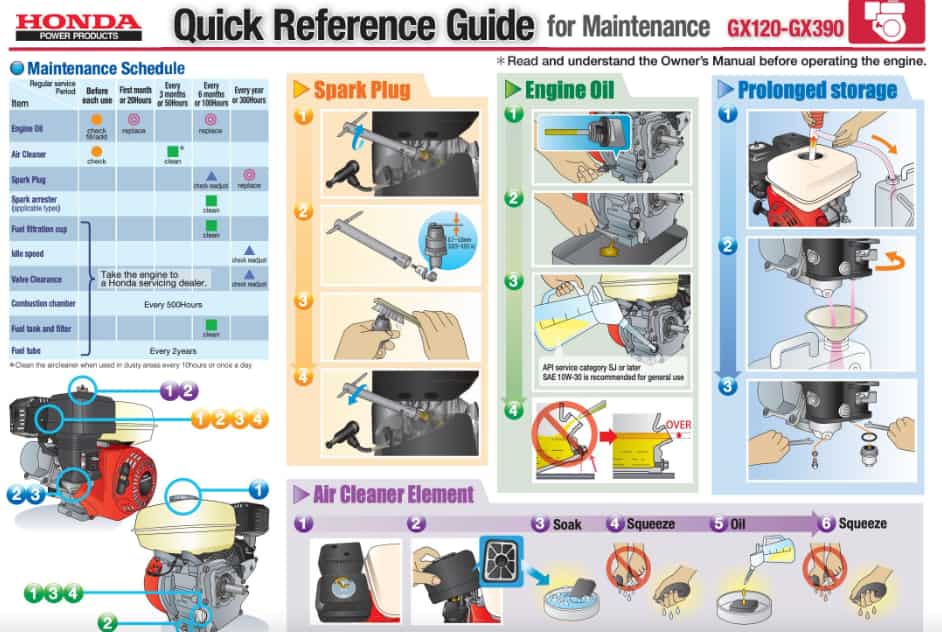
What Is the Honda GX160 Oil Capacity?
The Honda GX160 oil capacity is approximately 0.58 to 0.60 liters. This equals about 0.61 to 0.63 US quarts or nearly 20 fluid ounces. These values apply to the engine crankcase during a standard oil change. They also serve as a practical reference for routine maintenance.
Although the published capacity is straightforward, the actual refill amount may vary slightly. Some used oil often remains inside the engine after draining. In addition, the engine must sit on a level surface before you check the oil level. These factors can affect the final amount of fresh oil that the engine needs.
For the best results, add fresh oil gradually instead of pouring in the full capacity at once. Check the oil level after each small addition. Stop filling when the oil reaches the recommended level on the dipstick or at the filler opening, depending on your GX160 model. This simple approach helps prevent overfilling and keeps the lubrication system working properly.
The table below provides a quick reference for the standard Honda GX160 oil capacity.
| Measurement | Oil Capacity |
|---|---|
| Liters | 0.58 to 0.60 L |
| US Quarts | 0.61 to 0.63 qt |
| US Fluid Ounces | Approximately 20 fl oz |
Keep in mind that the oil capacity is only a guideline. The correct oil level always matters more than the exact refill volume. Therefore, make it a habit to inspect the oil level before every use, especially if the engine operates under heavy loads or in dusty environments. This small maintenance step can reduce engine wear and improve long term reliability.
Recommended Oil Type for Honda GX160
Choosing the right engine oil is just as important as using the correct Honda GX160 oil capacity. The proper oil protects internal components, reduces friction, and helps the engine operate at a stable temperature. It also improves lubrication during cold starts and supports consistent performance under heavy workloads.
Honda recommends SAE 10W-30 for most operating conditions. This viscosity provides reliable protection across a wide range of temperatures. As a result, it remains the preferred choice for generators, water pumps, pressure washers, construction equipment, and other machines powered by the GX160 engine.
In some climates, another oil grade may offer better performance. SAE 5W-30 flows more easily in cold weather and helps the engine start faster at low temperatures. SAE 30 performs well in consistently warm environments where seasonal temperature changes are limited. Always choose an oil grade that matches your local climate and the engine manufacturer’s recommendations.
Oil quality also plays an important role. Select a high quality four stroke engine oil that meets the recommended API service classification. Avoid using oil designed for two stroke engines because it cannot provide the lubrication that a GX160 engine requires. Using the correct oil helps reduce wear, improves fuel efficiency, and extends engine life.
Many owners also ask whether synthetic oil is a good option. In most cases, high quality synthetic oil performs well in the Honda GX160. It offers excellent thermal stability and maintains its viscosity under demanding operating conditions. However, synthetic oil does not eliminate the need for regular maintenance. You should still inspect the oil level before each use and replace the oil at the recommended service interval.
How to Check the Oil Level Correctly
Checking the oil level takes only a few minutes, but it can prevent serious engine damage. Many lubrication problems occur because owners skip this simple inspection. For the most accurate reading, place the engine on a flat and level surface before you begin. Turn off the engine and allow it to cool for several minutes so the oil can settle inside the crankcase.
Remove the oil filler cap and clean the dipstick with a lint free cloth. Insert the dipstick back into the filler opening according to the instructions for your GX160 model. Then remove it again and inspect the oil level. The oil should reach the recommended mark without exceeding the maximum level. If the level is low, add a small amount of fresh oil and check it again before adding more.
Avoid pouring the entire refill amount into the engine at one time. Instead, add the oil gradually and inspect the level after each addition. This method reduces the risk of overfilling and helps you reach the correct Honda GX160 oil capacity with greater accuracy. It also prevents unnecessary oil leaks and excessive crankcase pressure.
Make oil level inspection part of your regular maintenance routine. Check the oil before every use, especially if the engine operates for long periods or under heavy loads. This habit helps maintain proper lubrication, reduces internal wear, and keeps the Honda GX160 performing at its best for many years.
How to Change and Refill Honda GX160 Engine Oil
Changing the engine oil at the recommended interval keeps the Honda GX160 running efficiently and reduces wear on internal components. Fresh oil removes heat more effectively and provides consistent lubrication under heavy loads. Regular oil changes also help prevent sludge buildup and extend the service life of the engine.
Before you begin, prepare a drain pan, a funnel, a clean cloth, the correct engine oil, and the appropriate wrench for the drain bolt. Run the engine for a few minutes until it becomes warm, then switch it off. Warm oil flows more easily and carries away more contaminants during draining. Place the engine on a level surface before removing the oil filler cap and drain bolt.
Allow the used oil to drain completely into the drain pan. Once the flow stops, reinstall the drain bolt and tighten it securely. Add fresh oil slowly through the filler opening. Do not pour the entire amount into the engine at once. Instead, add a small quantity, wait a few seconds, and check the oil level. Repeat this process until the oil reaches the recommended level.
The Honda GX160 oil capacity is approximately 0.58 to 0.60 liters, but the exact refill amount may vary after each oil change. A small amount of used oil can remain inside the crankcase, so the engine may require slightly less fresh oil than the published capacity. Always rely on the oil level instead of the refill volume alone.
After refilling, install the oil filler cap securely and wipe away any spilled oil. Start the engine and let it idle for a few minutes. Then switch it off and inspect the area around the drain bolt and filler cap for leaks. Finally, check the oil level one more time. This final inspection ensures the engine contains the correct amount of oil and is ready for reliable operation.
Honda GX160 Oil Change Interval
Following the correct oil change interval is essential for maintaining engine performance and extending the life of your Honda GX160. Engine oil gradually loses its ability to lubricate, cool, and protect internal components. Replacing it on time helps reduce friction, prevents excessive wear, and keeps the engine operating efficiently.
The first oil change is especially important. New engines produce small metal particles during the initial break in period. Changing the oil after the recommended number of operating hours removes these particles before they can circulate through the lubrication system. This simple maintenance step supports long term engine reliability.
After the initial service, continue changing the oil according to the maintenance schedule in the owner’s manual. Engines that operate in dusty environments, high temperatures, or under continuous heavy loads often require more frequent oil changes. Severe operating conditions place additional stress on the lubricant and shorten its service life.
Checking the oil level before every use is just as important as replacing the oil on schedule. A quick inspection allows you to identify low oil levels before they affect engine performance. It also gives you an opportunity to detect leaks or signs of oil contamination at an early stage.
Keeping a simple maintenance record can make future servicing much easier. Record the date, operating hours, and oil type each time you change the oil. This habit helps you follow a consistent maintenance schedule and ensures your Honda GX160 continues to deliver dependable performance throughout its service life.
Common Oil Problems and How to Avoid Them
Most engine oil problems are easy to prevent with proper maintenance. However, even small mistakes can reduce engine performance and shorten the service life of the Honda GX160. Understanding the most common issues helps you avoid unnecessary repairs and keep the engine operating efficiently.
Overfilling is one of the most common mistakes. Excess oil can increase pressure inside the crankcase and force oil into the air cleaner or other engine components. You may also notice white or blue exhaust smoke, oil leaks, or rough engine operation. To prevent these problems, add fresh oil gradually and check the level several times during the refill process.
Running the engine with a low oil level can be even more serious. Insufficient lubrication increases friction between moving parts and causes the engine to generate more heat. Continued operation under these conditions may lead to excessive wear or permanent engine damage. Checking the oil before each use is the simplest way to prevent this problem.
Using the wrong oil can also affect engine performance. Always select a high quality four stroke engine oil with the recommended viscosity for your operating conditions. Oil designed for two stroke engines cannot provide the protection required by the Honda GX160. Choosing the correct oil improves lubrication, supports stable engine temperatures, and promotes reliable performance.
Many owners also overlook basic maintenance practices during an oil change. Failing to tighten the drain bolt properly can cause leaks, while dirt around the filler opening can contaminate fresh oil. Taking a few extra minutes to clean the work area, inspect the sealing surfaces, and confirm the final oil level helps prevent these avoidable problems. Good maintenance habits not only protect the engine but also reduce repair costs over time.
Honda GX160 Oil Capacity Quick Reference
The table below summarizes the most important specifications related to Honda GX160 oil capacity. Use it as a quick reference during routine maintenance or before performing an oil change.
| Specification | Value |
|---|---|
| Engine Model | Honda GX160 |
| Engine Type | Air Cooled Four Stroke Gasoline Engine |
| Oil Capacity | 0.58 to 0.60 L |
| US Quarts | 0.61 to 0.63 qt |
| US Fluid Ounces | Approximately 20 fl oz |
| Recommended Oil | SAE 10W30 |
| Oil Quality | API Certified Four Stroke Engine Oil |
| Oil Level Check | Before Every Use |
| Oil Change | Follow the Owner’s Maintenance Schedule |
The figures above provide a reliable starting point for servicing the engine. However, the correct oil level always takes priority over the published oil capacity. Small differences can occur because some used oil may remain inside the engine after draining.
For the best results, refill the engine slowly and inspect the oil level several times during the process. This method reduces the risk of overfilling and helps maintain proper lubrication. It also supports consistent engine performance under both light and heavy operating conditions.
Regular maintenance is the key to extending engine life. Using the correct Honda GX160 oil capacity, selecting the proper oil, and following the recommended service schedule will help keep the engine reliable for years of operation.
Frequently Asked Questions
How much oil does a Honda GX160 hold?
The Honda GX160 holds approximately 0.58 to 0.60 liters of engine oil. This equals about 0.61 to 0.63 US quarts or roughly 20 fluid ounces. Always confirm the final oil level after refilling because the actual amount can vary slightly after draining.
What is the best oil for a Honda GX160?
For most operating conditions, SAE 10W30 is the recommended oil. It provides reliable lubrication across a wide range of temperatures and supports consistent engine performance. Always choose a high quality four stroke engine oil that meets the recommended API service classification.
Can I use synthetic oil in a Honda GX160?
Yes. High quality synthetic oil is suitable for the Honda GX160 when it matches the recommended viscosity. Synthetic oil offers excellent thermal stability and can perform well under demanding operating conditions. However, you should still follow the recommended oil change schedule.
How often should I change the oil in a Honda GX160?
The first oil change should take place after the initial break in period. After that, change the oil according to the maintenance schedule in the owner’s manual. Engines that operate in dusty environments, high temperatures, or under heavy loads often require more frequent oil changes.
Does the Honda GX160 have an oil filter?
The standard Honda GX160 engine does not use a replaceable oil filter. Instead, it relies on regular oil changes to keep the lubrication system clean. Replacing the engine oil on time is the most effective way to protect internal components.
What happens if I overfill the engine oil?
Too much oil can increase crankcase pressure and cause oil leaks, exhaust smoke, or rough engine operation. In some cases, excess oil may reach the air cleaner and reduce engine performance. If you accidentally overfill the engine, remove the excess oil before starting it.
How do I check the oil level correctly?
Park the engine on a level surface and switch it off. Allow the oil to settle for a few minutes before checking the level. Clean the dipstick, inspect the oil level, and add fresh oil gradually if necessary. Repeat the inspection until the oil reaches the recommended level.
Conclusion
Using the correct Honda GX160 oil capacity is one of the simplest ways to protect your engine and maintain dependable performance. Although the engine typically requires 0.58 to 0.60 liters of oil, the final oil level is always more important than the refill volume. Adding oil slowly and checking the level during the refill process helps prevent both overfilling and insufficient lubrication.
Choosing the right engine oil is equally important. A high quality SAE 10W30 four stroke engine oil provides reliable protection under most operating conditions. Regular oil changes, routine inspections, and proper maintenance practices also reduce engine wear and improve long term reliability.
Make it a habit to inspect the oil before every use and follow the recommended service schedule for your engine. These simple maintenance steps require only a few minutes, yet they can significantly extend the life of your Honda GX160. By combining the correct oil capacity, the proper oil type, and consistent maintenance, you can keep your engine running efficiently for many years.