The L94 engine is one of General Motors’ most capable and refined Gen IV Small Block V8 engines, earning a strong reputation for delivering an excellent balance of power, durability, and everyday drivability. Found in premium full size SUVs such as the Chevrolet Tahoe LTZ, Chevrolet Suburban LTZ, Cadillac Escalade, and GMC Yukon Denali, the 6.2L Vortec L94 was engineered to provide confident acceleration, impressive towing capability, and smooth highway performance while incorporating modern technologies designed to improve fuel efficiency.
If you’re researching L94 engine specs, you’re likely looking beyond simple horsepower and torque figures. Whether you’re considering purchasing a used GM SUV, planning performance upgrades, or comparing the L94 with other LS based engines like the L92 or L9H, understanding the engine’s complete specifications is essential for making an informed decision. From its aluminum block construction and Variable Valve Timing (VVT) to Active Fuel Management (AFM), every component contributes to the engine’s unique performance characteristics.
In this comprehensive guide, we’ll explore the complete L94 engine specs, including detailed technical specifications, horsepower and torque ratings, internal engine design, real world performance, fuel economy, reliability, common problems, maintenance requirements, and upgrade potential. You’ll also discover which vehicles came equipped with the L94 and learn how it compares with similar GM V8 engines. By the end of this guide, you’ll have a clear understanding of whether the L94 remains a smart choice for drivers, enthusiasts, and anyone seeking a dependable, high performance V8 engine.
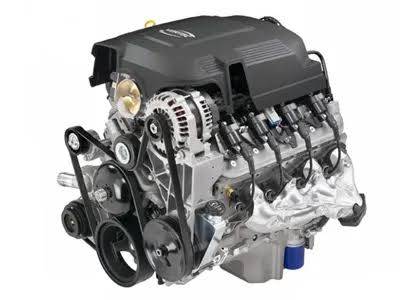
L94 Engine Overview
The L94 is a naturally aspirated 6.2 liter V8 gasoline engine developed by General Motors as part of its highly respected Gen IV Small Block engine family. Introduced for the 2010 model year, the L94 was designed to power GM’s premium full size SUVs, delivering greater performance than the smaller 5.3 liter V8 options while maintaining respectable fuel efficiency through advanced technologies such as Variable Valve Timing (VVT) and Active Fuel Management (AFM).
Built around an aluminum engine block and aluminum cylinder heads, the L94 offers a significant weight advantage over traditional cast iron truck engines. The reduced engine weight contributes to improved vehicle handling, better fuel economy, and enhanced cooling efficiency without sacrificing structural strength. Like other LS based engines, the L94 features a deep skirt block design with six bolt main bearing caps, providing exceptional rigidity and long term durability under heavy loads.
The engine has a displacement of 6,162 cc, achieved through a 4.065 inch bore and a 3.622 inch stroke. Its relatively high 10.4:1 compression ratio allows the engine to produce strong power while remaining reliable for everyday driving. Electronic Sequential Fuel Injection ensures precise fuel delivery, while coil near plug ignition enhances combustion efficiency and reduces maintenance requirements.
GM primarily installed the L94 in luxury sport utility vehicles where smooth acceleration, confident towing performance, and refined driving characteristics were essential. Although it shares many design elements with the L92, the addition of Active Fuel Management allows the L94 to deactivate four cylinders during light load conditions, helping improve highway fuel economy without compromising V8 performance when full power is needed.
Today, the L94 remains one of the most desirable Gen IV truck engines thanks to its proven reliability, strong aftermarket support, and compatibility with a wide range of performance upgrades.
Complete L94 Engine Specs
The following table summarizes the most important L94 engine specs, providing a quick reference for enthusiasts, mechanics, and prospective buyers.
| Specification | Details |
|---|---|
| Engine Code | L94 |
| Manufacturer | General Motors |
| Engine Family | Gen IV Small Block V8 |
| Production Years | 2010 to 2014 |
| Displacement | 6.2L (6,162 cc) |
| Configuration | 90 degree V8 |
| Aspiration | Naturally Aspirated |
| Fuel System | Sequential Electronic Fuel Injection |
| Valvetrain | OHV, 2 valves per cylinder |
| Variable Valve Timing | Yes |
| Active Fuel Management | Yes |
| Bore | 4.065 inches (103.25 mm) |
| Stroke | 3.622 inches (92 mm) |
| Compression Ratio | 10.4:1 |
| Horsepower | 403 hp at 5,700 rpm |
| Torque | 417 lb ft at 4,300 rpm |
| Engine Block | Aluminum |
| Cylinder Heads | Aluminum |
| Firing Order | 1 8 7 2 6 5 4 3 |
| Recommended Fuel | Premium Unleaded |
| Oil Capacity | Approximately 6 quarts with filter |
| Maximum Engine Speed | Approximately 6,000 rpm |
Each of these specifications plays an important role in defining the engine’s overall performance. The large bore allows for larger intake and exhaust valves, improving airflow into the combustion chamber. Meanwhile, the relatively short stroke enables the engine to rev more freely while reducing piston speed, contributing to long term reliability.
One of the L94’s greatest strengths is its balance between power and efficiency. Producing more than 400 horsepower from the factory, it offers performance levels that were once reserved for high performance vehicles while remaining smooth and dependable enough for daily driving and towing. The combination of VVT and AFM also helps optimize valve timing and cylinder operation based on driving conditions, improving efficiency during highway cruising without sacrificing acceleration when additional power is required.
Because the L94 shares its architecture with many other LS based engines, replacement parts are widely available, and the engine enjoys one of the largest aftermarket ecosystems in the automotive industry. This makes maintenance, repairs, and performance modifications significantly easier than many competing V8 engines.
L94 Engine Performance
Performance has always been one of the defining characteristics of the L94. From the factory, the engine produces 403 horsepower and 417 lb ft of torque, providing strong acceleration and effortless power delivery across a broad RPM range. Unlike many smaller displacement engines that require high engine speeds to access peak power, the L94 generates substantial low end torque, making it particularly well suited for towing, hauling, and everyday driving.
The engine’s Variable Valve Timing system continuously adjusts camshaft timing to optimize airflow under different operating conditions. At lower engine speeds, VVT improves torque and throttle response, making the vehicle feel responsive when accelerating from a stop. As engine speed increases, the system advances or retards valve timing to maximize horsepower, allowing the engine to pull strongly through the upper RPM range.
Active Fuel Management contributes to fuel efficiency by temporarily disabling four cylinders during light throttle cruising. When driving steadily on the highway, the engine seamlessly transitions from eight cylinders to four cylinders, reducing fuel consumption without requiring any input from the driver. As soon as additional power is needed for passing or climbing hills, all eight cylinders reactivate almost instantly, maintaining smooth performance.
In real world driving, vehicles equipped with the L94 feel composed and confident whether navigating city streets or long highway journeys. The engine delivers linear acceleration with minimal vibration, and its abundant torque allows heavy SUVs to merge, overtake slower traffic, and climb steep grades with ease. Drivers towing boats, travel trailers, or recreational equipment also benefit from the engine’s strong pulling power and predictable performance under load.
Another advantage of the L94 is its compatibility with aftermarket performance upgrades. Simple modifications such as a cold air intake, cat back exhaust system, and ECU calibration can unlock additional horsepower while maintaining excellent drivability. For enthusiasts seeking even greater performance, upgrades including performance camshafts, cylinder head improvements, or forced induction systems can significantly increase power output thanks to the engine’s robust LS based architecture.
Vehicles Equipped with the L94 Engine
General Motors developed the L94 specifically for its premium full size sport utility vehicles, where a combination of strong performance, refined driving characteristics, and impressive towing capability was essential. Unlike many truck engines that prioritize utility over comfort, the L94 was engineered to deliver smooth power while maintaining the luxury experience expected from GM’s flagship SUVs.
The engine first appeared in the 2010 model year and remained in production through 2014 before being replaced by the next generation EcoTec3 engines. During its production run, the L94 served as the standard high output V8 for several upscale GM models, offering 403 horsepower and 417 lb ft of torque across each application.
| Vehicle | Model Years | Horsepower | Torque |
|---|---|---|---|
| Chevrolet Tahoe LTZ | 2010–2014 | 403 hp | 417 lb ft |
| Chevrolet Suburban LTZ | 2010–2014 | 403 hp | 417 lb ft |
| Cadillac Escalade | 2010–2014 | 403 hp | 417 lb ft |
| Cadillac Escalade ESV | 2010–2014 | 403 hp | 417 lb ft |
| Cadillac Escalade EXT | 2010–2013 | 403 hp | 417 lb ft |
| GMC Yukon Denali | 2010–2014 | 403 hp | 417 lb ft |
| GMC Yukon XL Denali | 2010–2014 | 403 hp | 417 lb ft |
Although the factory power ratings remained nearly identical across all models, driving characteristics varied depending on vehicle weight, axle ratios, transmission calibration, and suspension tuning. The Cadillac Escalade emphasized quiet operation and effortless acceleration, while the Chevrolet Tahoe and GMC Yukon Denali balanced luxury with towing performance. Regardless of the application, the L94 earned praise for its smooth throttle response, abundant low end torque, and ability to move large SUVs with confidence.
Another reason these vehicles remain popular in the used market is the widespread availability of replacement parts and aftermarket support. Since the L94 shares its architecture with other LS based engines, owners benefit from affordable maintenance costs and a vast selection of performance upgrades.
L94 Engine Design and Features
The L94 incorporates several advanced engineering features that distinguish it from earlier GM truck engines. While its foundation is based on the proven LS architecture, General Motors introduced numerous technologies to improve efficiency, emissions, and overall driving refinement without sacrificing durability.
One of the engine’s most significant advantages is its lightweight aluminum cylinder block. Compared to traditional cast iron blocks, aluminum reduces overall vehicle weight by several dozen pounds, improving handling, braking performance, and fuel economy. Despite being lighter, the block features a deep skirt design with six bolt main bearing caps, providing exceptional structural rigidity under high loads and during towing.
The aluminum cylinder heads further enhance performance by improving heat dissipation and airflow. Their efficient combustion chamber design contributes to the engine’s 10.4:1 compression ratio, allowing the L94 to generate impressive power while maintaining excellent reliability when operated with premium gasoline.
Variable Valve Timing is another key feature of the L94. Unlike fixed camshaft timing systems, VVT continuously adjusts intake valve timing according to engine speed and load. This allows the engine to produce stronger low RPM torque for daily driving while maximizing horsepower at higher engine speeds. The result is smoother acceleration, improved throttle response, and greater overall efficiency.
Active Fuel Management was introduced to reduce fuel consumption during light load conditions. Under steady highway cruising, the system temporarily deactivates four cylinders, allowing the engine to operate as a V4. When additional power is required, all eight cylinders reactivate almost instantly. Although AFM improves fuel economy, it has also become one of the engine’s most discussed features due to long term lifter wear in some high mileage engines.
Electronic Sequential Fuel Injection provides precise fuel metering for each cylinder, improving combustion efficiency and reducing emissions. Combined with coil near plug ignition and an advanced engine control module, the system delivers consistent performance under a wide range of operating conditions while maintaining smooth idle quality and dependable cold starts.
Together, these engineering features allow the L94 to achieve an excellent balance of power, efficiency, refinement, and durability, making it one of the most capable naturally aspirated V8 engines produced during the Gen IV Small Block era.
L94 Engine Reliability
Among GM enthusiasts and professional mechanics, the L94 is widely regarded as one of the most dependable members of the Gen IV Small Block family. Its core engine architecture is exceptionally robust, and with routine maintenance, many examples have surpassed 200,000 to 300,000 miles without requiring major internal repairs. The forged steel crankshaft, durable rotating assembly, and proven LS based design have earned the L94 a reputation for long service life even when subjected to demanding conditions such as towing or frequent highway driving.
Regular maintenance is the single most important factor affecting engine longevity. Using high quality synthetic oil, replacing filters at recommended intervals, monitoring coolant condition, and addressing minor issues before they become major failures can significantly extend the life of the engine. Owners who follow GM’s maintenance schedule often report years of reliable operation with minimal unexpected repair costs.
The engine’s aluminum construction also contributes to its longevity by improving heat management. Efficient cooling reduces thermal stress on internal components, while the deep skirt block design minimizes crankshaft flex under heavy loads. These characteristics make the L94 well suited for towing boats, campers, and trailers, especially when paired with the six speed automatic transmission found in most factory applications.
Despite its overall reliability, the L94 is not without weaknesses. The most commonly reported issues involve the Active Fuel Management system, which can contribute to lifter failures in higher mileage engines. Some owners have also experienced increased oil consumption, worn timing chain components, oil pressure sensor failures, or water pump leaks after many years of service. Fortunately, most of these issues are well understood, and replacement parts are readily available due to the engine’s popularity.
Overall, the L94 earns high marks for reliability thanks to its strong mechanical design, extensive aftermarket support, and proven durability. For buyers considering a used GM SUV equipped with this engine, a well maintained L94 remains an excellent choice capable of delivering many additional years of dependable performance.
Common L94 Engine Problems
Although the L94 is considered one of General Motors’ most reliable Gen IV V8 engines, no engine is completely free of issues. Most L94 engines provide years of dependable service, but certain components are known to wear as mileage increases. Fortunately, many of these problems are well documented, making diagnosis and repair relatively straightforward. Understanding these common issues can help current owners prevent costly repairs and assist buyers in evaluating a used vehicle before making a purchase.
AFM Lifter Failure
The most frequently discussed issue affecting the L94 is failure of the Active Fuel Management lifters. The AFM system deactivates four cylinders during light load driving to improve fuel economy, but the specialized hydraulic lifters used in the system are more complex than conventional lifters. Over time, internal wear can prevent a lifter from operating correctly, resulting in poor engine performance.
Common symptoms include a persistent ticking noise from the engine, rough idle, cylinder misfire codes, reduced engine power, and an illuminated check engine light. In severe cases, a collapsed lifter may damage the camshaft, significantly increasing repair costs.
Preventive maintenance plays a major role in reducing the risk of AFM related failures. Using high quality synthetic oil, maintaining proper oil change intervals, and avoiding extended periods of low oil pressure can help prolong lifter life. Some performance enthusiasts choose to install an AFM delete kit during major engine work, eliminating the system entirely while improving long term reliability.
Excessive Oil Consumption
Some higher mileage L94 engines develop increased oil consumption, particularly those that have experienced extended oil change intervals or prolonged AFM operation. Oil may enter the combustion chamber through worn piston rings or be drawn into the intake system through the Positive Crankcase Ventilation system.
Drivers often notice the need to add oil between service intervals, blue exhaust smoke during startup, or oil residue around the throttle body and intake manifold. Ignoring low oil levels can accelerate wear on bearings, camshaft components, and hydraulic lifters.
Routine oil level inspections are recommended, especially on engines with more than 100,000 miles. Addressing PCV system issues early and maintaining proper lubrication can significantly reduce the likelihood of severe internal wear.
Timing Chain Wear
While the L94 timing chain is generally durable, it can stretch after many years of operation, particularly on engines that have accumulated high mileage or experienced irregular oil maintenance. As the chain wears, valve timing becomes less precise, potentially affecting engine performance and fuel economy.
Symptoms include rough idle, sluggish acceleration, rattling noises during cold starts, and diagnostic trouble codes related to camshaft timing. If left unaddressed, excessive timing chain wear may eventually cause the chain to skip teeth, leading to more extensive engine damage.
Replacing the timing chain during major engine service is considered preventative maintenance for high mileage vehicles and helps restore proper engine performance.
Carbon Buildup
Although the L94 uses port fuel injection rather than direct injection, carbon deposits can still accumulate on intake valves, combustion chambers, and throttle body components over time. Short trips, low quality fuel, and infrequent maintenance can accelerate deposit formation.
Excessive carbon buildup may cause rough idle, hesitation during acceleration, decreased fuel economy, and reduced throttle response. Fortunately, this issue is generally less severe than in direct injection engines.
Periodic intake system cleaning, high quality fuel, and occasional highway driving at normal operating temperatures help minimize carbon accumulation and maintain engine efficiency.
Oil Pressure Sensor Failure
Another relatively common issue involves the oil pressure sensor, which can fail due to age, contamination, or internal electrical problems. When the sensor malfunctions, it may display inaccurate oil pressure readings or trigger warning messages even when actual engine oil pressure remains normal.
Symptoms include fluctuating oil pressure gauge readings, warning lights on the instrument cluster, or diagnostic trouble codes related to oil pressure. Because these symptoms may also indicate genuine lubrication problems, proper diagnosis is essential before replacing components.
Replacing the sensor is generally inexpensive and restores accurate oil pressure monitoring, helping drivers detect legitimate lubrication issues in the future.
Water Pump Leaks
Like many high mileage GM V8 engines, the L94 may eventually develop coolant leaks from the water pump. Internal bearing wear or deteriorated seals allow coolant to escape through the pump’s weep hole, often becoming noticeable before complete pump failure occurs.
Typical warning signs include coolant dripping beneath the front of the engine, gradual coolant loss, overheating during extended driving, or a grinding noise coming from the water pump bearing.
Replacing the water pump at the first signs of leakage helps prevent overheating, which can lead to warped cylinder heads or damaged head gaskets. Many technicians also recommend replacing the thermostat and coolant during the same service to ensure maximum cooling system reliability.
L94 Maintenance Schedule
Routine maintenance is the key to maximizing the lifespan of the L94 engine. Following a consistent service schedule not only improves reliability but also helps preserve performance, fuel efficiency, and resale value. Owners who stay ahead of preventive maintenance often experience significantly fewer major repairs throughout the engine’s lifetime.
The following maintenance schedule provides general service intervals for most L94 equipped vehicles. Always consult the owner’s manual for model specific recommendations and adjust intervals if the vehicle is regularly used for towing, heavy hauling, or severe driving conditions.
| Service Item | Recommended Interval |
|---|---|
| Engine Oil and Filter | Every 5,000 to 7,500 miles |
| Engine Air Filter | Every 30,000 miles |
| Cabin Air Filter | Every 20,000 to 30,000 miles |
| Spark Plugs | Every 100,000 miles |
| Engine Coolant | Every 150,000 miles or 5 years |
| Automatic Transmission Fluid | Every 45,000 to 60,000 miles under severe use |
| Differential Fluid | Every 50,000 miles when towing |
| Transfer Case Fluid | Every 50,000 miles |
| Brake Fluid | Every 2 to 3 years |
| Serpentine Belt | Inspect every 30,000 miles and replace as needed |
| PCV System | Inspect during every major service |
| Cooling System Hoses | Inspect annually |
Using high quality synthetic oil that meets General Motors’ specifications is particularly important for engines equipped with Active Fuel Management. Clean oil helps maintain proper hydraulic lifter operation and reduces wear on internal engine components. Regular inspections of coolant levels, belts, hoses, and ignition components can also identify potential problems before they result in expensive repairs.
For owners who frequently tow heavy trailers or drive in extreme temperatures, shortening service intervals is a wise investment. More frequent fluid changes reduce wear on both the engine and transmission, helping maintain reliable performance under demanding operating conditions.
L94 Engine Upgrade Potential
One of the greatest strengths of the L94 is its exceptional aftermarket support. Because it shares its basic architecture with many LS family engines, owners have access to thousands of performance parts ranging from simple bolt on upgrades to complete racing engine builds. Whether the goal is improved throttle response, additional towing power, or maximum horsepower, the L94 provides an outstanding platform for modification.
The simplest upgrades typically include a cold air intake, long tube headers, a high flow exhaust system, and professional ECU tuning. Together, these modifications can increase horsepower by 25 to 40 horsepower while improving throttle response and enhancing the engine’s exhaust note.
A performance camshaft represents one of the most effective naturally aspirated upgrades. Combined with upgraded valve springs and custom tuning, many enthusiasts achieve power figures exceeding 450 horsepower while maintaining excellent street manners. More aggressive builds featuring CNC ported cylinder heads, larger throttle bodies, and improved intake manifolds can produce even greater gains.
Many owners also choose to remove the Active Fuel Management system during major engine upgrades. An AFM delete kit replaces the specialized lifters with conventional hydraulic lifters and typically includes a compatible camshaft and revised engine calibration. Besides improving reliability, this modification creates a stronger foundation for future performance enhancements.
For enthusiasts seeking maximum performance, the L94 responds exceptionally well to forced induction. Supercharger and turbocharger systems can increase output well beyond 600 horsepower when combined with appropriate fuel system upgrades and professional engine tuning. The engine’s strong bottom end makes it capable of handling substantial power increases, although forged internal components are recommended for extreme horsepower applications.
Whether left completely stock or transformed into a high performance build, the L94 remains one of the most versatile and modification friendly V8 engines ever produced by General Motors. Its combination of durability, aftermarket availability, and proven LS architecture continues to make it a favorite among truck owners, performance enthusiasts, and engine builders alike.
L94 vs L92
The L94 and L92 are closely related engines that belong to General Motors’ Gen IV Small Block family. At first glance, the two engines appear nearly identical because they share the same 6.2 liter displacement, aluminum block, aluminum cylinder heads, and overall architecture. However, there are several important differences that can influence buying decisions, maintenance requirements, and performance upgrades.
The most significant distinction is the addition of Active Fuel Management (AFM) in the L94. While both engines feature Variable Valve Timing, only the L94 can deactivate four cylinders during light load conditions to improve highway fuel economy. This technology allows the L94 to operate more efficiently during long-distance cruising, but it also introduces additional mechanical complexity that has become a well-known source of lifter-related issues on higher mileage engines.
Another difference lies in their intended applications. The L92 was primarily installed in earlier luxury SUVs and performance-oriented trucks before AFM became more widely adopted. The L94 succeeded the L92 in premium SUVs, combining similar performance with improved emissions compliance and better fuel efficiency.
The following comparison highlights the key differences between these two engines.
| Specification | L94 | L92 |
|---|---|---|
| Production Years | 2010–2014 | 2007–2008 |
| Displacement | 6.2L | 6.2L |
| Horsepower | 403 hp | 403 hp |
| Torque | 417 lb ft | 417 lb ft |
| Compression Ratio | 10.4:1 | 10.4:1 |
| Aluminum Block | Yes | Yes |
| Aluminum Heads | Yes | Yes |
| Variable Valve Timing | Yes | Yes |
| Active Fuel Management | Yes | No |
| Fuel Injection | Sequential Port Injection | Sequential Port Injection |
| Recommended Fuel | Premium | Premium |
| Reliability | Excellent with AFM maintenance | Excellent |
| Modification Potential | Excellent | Excellent |
For drivers who prioritize fuel economy and daily commuting, the L94 offers a slight advantage thanks to AFM. However, buyers focused on long-term reliability and high-performance modifications often prefer the L92 because it lacks the additional AFM hardware. Without AFM lifters, the L92 has fewer components that can potentially fail over time, making it a popular choice among enthusiasts planning extensive engine upgrades.
That said, the L94 remains an excellent platform for performance builds. Many owners simply remove the AFM system during future engine modifications, effectively combining the strengths of both engines while retaining the L94’s modern calibration and broad parts availability.
Ultimately, neither engine is objectively better for every driver. The L94 is the stronger choice for those seeking a balance of performance and efficiency, while the L92 appeals to enthusiasts who value simplicity and maximum long-term durability.
Frequently Asked Questions
Is the L94 a good engine?
Yes. The L94 is widely regarded as one of General Motors’ best naturally aspirated truck and SUV engines. It delivers an excellent combination of power, towing capability, smooth operation, and long-term durability. With proper maintenance, many engines exceed 200,000 miles without requiring major internal repairs.
How much horsepower does the L94 produce?
The factory-rated output is 403 horsepower at 5,700 rpm and 417 lb ft of torque at 4,300 rpm. These figures provide strong acceleration while offering enough low-end torque for towing heavy trailers and hauling passengers or cargo.
How long does an L94 engine last?
A well-maintained L94 can often last between 200,000 and 300,000 miles. Engines that receive regular oil changes, cooling system maintenance, and timely repairs commonly remain reliable for well over a decade.
What vehicles came with the L94?
The L94 was installed in several premium General Motors SUVs, including:
- Chevrolet Tahoe LTZ
- Chevrolet Suburban LTZ
- Cadillac Escalade
- Cadillac Escalade ESV
- Cadillac Escalade EXT
- GMC Yukon Denali
- GMC Yukon XL Denali
These vehicles benefited from the engine’s strong towing capability and refined highway performance.
General Motors recommends premium unleaded fuel to achieve the engine’s advertised horsepower and torque ratings. While the engine can generally operate on regular gasoline, performance and fuel economy may decrease because the engine control system adjusts ignition timing to prevent knocking.
Is the Active Fuel Management system reliable?
AFM functions well in many vehicles, but it is also the most common source of engine-related complaints. High-mileage engines may experience lifter failures or increased oil consumption associated with the system. Routine maintenance and high-quality engine oil help reduce the likelihood of problems, while some owners choose to install an AFM delete kit during major engine repairs.
Can the L94 be modified?
Absolutely. The L94 is one of the most modification-friendly V8 engines in the LS family. Popular upgrades include cold air intake systems, long tube headers, ECU tuning, performance camshafts, upgraded cylinder heads, and forced induction. Depending on the modification package, horsepower gains can range from modest improvements to well over 600 horsepower with supercharging or turbocharging.
Is the L94 part of the LS engine family?
Yes. Although marketed under the Vortec name in trucks and SUVs, the L94 belongs to General Motors’ legendary LS-based Gen IV Small Block engine family. It shares many components with other LS engines, making replacement parts and aftermarket upgrades widely available.
Conclusion
The L94 engine stands as one of the finest examples of General Motors’ Gen IV Small Block engineering. Combining a lightweight aluminum construction, a robust 6.2 liter V8 architecture, Variable Valve Timing, and Active Fuel Management, it successfully delivers the power expected from a large displacement engine while maintaining respectable fuel efficiency for a full-size SUV. With an impressive factory output of 403 horsepower and 417 lb ft of torque, the L94 offers confident acceleration, exceptional towing capability, and refined everyday drivability.
When evaluating the complete L94 engine specs, it becomes clear why this engine continues to enjoy a loyal following among truck owners, mechanics, and performance enthusiasts. Its proven durability, extensive aftermarket support, and compatibility with a wide range of performance upgrades make it an attractive option for both stock daily drivers and highly modified builds. While issues such as AFM lifter wear and occasional oil consumption deserve attention, these concerns are well understood and can often be minimized through proper maintenance and timely repairs.
For anyone considering a used Chevrolet Tahoe, GMC Yukon Denali, Cadillac Escalade, or Chevrolet Suburban equipped with the L94, the engine remains an outstanding choice. A properly maintained example can provide hundreds of thousands of miles of dependable service while delivering the unmistakable performance and sound that have made GM’s LS-based V8 engines legendary.
Whether your goal is purchasing a reliable family SUV, upgrading an existing vehicle, or simply learning more about this capable powerplant, understanding the complete L94 engine specs gives you the knowledge needed to make confident decisions. If you own an L94-powered vehicle or have experience maintaining or modifying one, share your thoughts and insights in the comments. Your real-world experience may help other enthusiasts get the most from this remarkable V8 engine.