Modern GMC trucks and SUVs equipped with the powerful 6.2L EcoTec3 V8 are celebrated for their impressive towing capacity, smooth acceleration, and refined driving experience. However, for many owners, that confidence quickly fades when an unexpected ticking noise begins to echo from the engine bay. What may seem like a minor mechanical sound can actually signal one of the most expensive issues affecting this engine: lifter failure. If left unaddressed, a faulty lifter can lead to camshaft damage, persistent engine misfires, significant power loss, and repair bills that easily climb into the thousands.
Over the past few years, GMC 6.2 engine lifter problems have become one of the most discussed concerns among truck owners, independent mechanics, and automotive enthusiasts. While not every engine experiences this issue, reports involving the 6.2L V8 with Dynamic Fuel Management (DFM) have raised important questions about long-term reliability, maintenance, and repair costs. Many drivers struggle to determine whether a ticking noise is harmless, a normal characteristic of direct injection, or the first warning sign of a failing hydraulic lifter.
This comprehensive guide explains everything you need to know about GMC 6.2 engine lifter problems, including the most common symptoms, underlying causes, professional diagnostic methods, proven repair solutions, estimated replacement costs, and practical maintenance tips to help prevent future failures. Whether you currently own a GMC Sierra, Yukon, or another vehicle powered by the 6.2L V8, understanding these issues can help you act early, minimize repair expenses, and protect your engine for years to come.
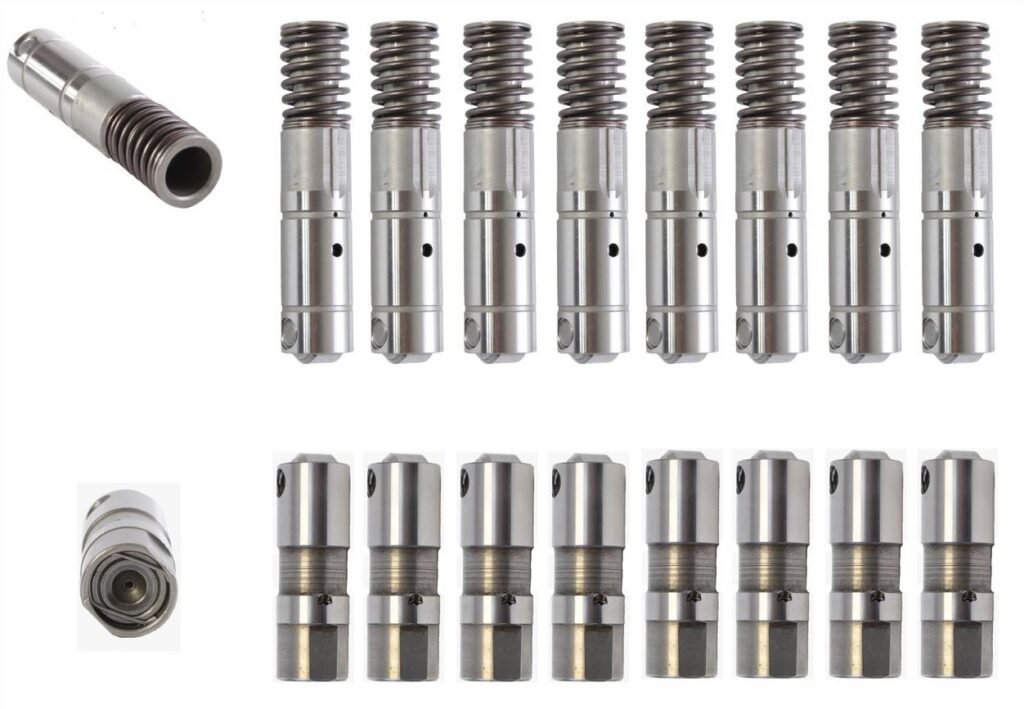
What Are Engine Lifters?
Engine lifters, also known as valve lifters or hydraulic lifters, are small yet essential components of the valve train. Their primary function is to transfer the camshaft’s rotational movement to the pushrods, allowing the intake and exhaust valves to open and close with precise timing. Although they are relatively small, lifters play a critical role in maintaining engine performance, fuel efficiency, and smooth operation.
The GMC 6.2L EcoTec3 V8 uses hydraulic roller lifters that automatically adjust valve clearance using engine oil pressure. This self-adjusting design eliminates the need for periodic valve lash adjustments while reducing engine noise and improving long-term reliability. Under normal operating conditions, hydraulic lifters remain properly lubricated and maintain consistent contact with the camshaft lobes, ensuring efficient valve operation.
Beginning with newer generations of the 6.2L engine, GMC introduced the Dynamic Fuel Management (DFM) system to improve fuel economy. Unlike earlier Active Fuel Management (AFM) systems that switched between eight and four cylinders, DFM can activate and deactivate cylinders in numerous combinations based on driving conditions. This technology relies on specially designed collapsible lifters that engage and disengage selected valves within milliseconds.
While DFM enhances efficiency, it also increases the mechanical complexity of the valve train. The specialized lifters contain additional internal locking mechanisms that operate under precise oil pressure. If these mechanisms fail because of insufficient lubrication, contaminated oil, excessive wear, or manufacturing defects, the lifter may collapse or remain stuck. When this occurs, the affected valve no longer follows the camshaft correctly, leading to misfires, abnormal engine noise, reduced power, and in severe cases, extensive camshaft damage.
Understanding how these components work makes it easier to recognize why lifter problems can escalate quickly. A single failed lifter may initially produce only a faint ticking sound, but continued operation can result in damaged camshaft lobes, bent pushrods, worn rocker arms, and costly internal engine repairs.
Common Symptoms of GMC 6.2 Engine Lifter Problems
Identifying the warning signs early is the best way to prevent minor valve train issues from developing into catastrophic engine failure. While some symptoms may appear gradually, others can occur suddenly without any previous indication. Knowing what to look for allows owners to schedule repairs before additional engine components are damaged.
Ticking or Tapping Noise
The most recognizable symptom of GMC 6.2 engine lifter problems is a rhythmic ticking or tapping sound coming from the upper portion of the engine. Unlike the normal clicking produced by direct fuel injectors, a failing lifter creates a louder metallic noise that often becomes more noticeable as engine speed increases.
Initially, the sound may only occur during cold starts because oil pressure has not fully built up. As the lifter continues to deteriorate, the ticking often remains constant regardless of engine temperature. Drivers frequently describe the noise as resembling a sewing machine, although a failed lifter typically produces a sharper and more pronounced metallic tap.
Engine Misfire
A collapsed hydraulic lifter prevents the valve from opening completely, disrupting the engine’s combustion cycle. As a result, one or more cylinders may begin misfiring, causing rough idling, hesitation during acceleration, reduced throttle response, and noticeable vibration throughout the vehicle.
Modern engine control modules can detect these irregular combustion events and store diagnostic trouble codes such as P0300 for random misfires or cylinder-specific codes like P0301 through P0308. Ignoring these symptoms may allow the camshaft lobe to wear prematurely, increasing repair costs significantly.
Check Engine Light
The check engine light is another common indicator of lifter-related issues. While the warning light itself does not confirm lifter failure, it often accompanies misfires, valve timing irregularities, or abnormal valve train operation. Professional diagnostic scanning is essential to determine whether the root cause involves a faulty lifter or another engine component.
Loss of Power and Poor Performance
As valve operation becomes inconsistent, engine performance deteriorates noticeably. Drivers may experience sluggish acceleration, reduced towing capability, poor fuel economy, and an overall lack of responsiveness. Vehicles equipped with the 6.2L V8 are known for strong low-end torque, so any significant decrease in power should not be ignored.
Excessive Engine Vibration
A malfunctioning lifter can cause one cylinder to contribute less power than the others, creating an uneven firing pattern. This imbalance often results in noticeable engine vibration at idle and under light acceleration. In more advanced cases, the vibration may become severe enough to affect overall driving comfort.
Metal Particles in Engine Oil
One of the most serious warning signs is the presence of metallic debris during an oil change. As the failed lifter continues contacting the camshaft improperly, both components begin wearing against each other. Tiny metal particles circulate through the lubrication system, potentially damaging bearings, oil pumps, and other internal engine components.
If metallic contamination is discovered, the engine should be inspected immediately before the damage spreads throughout the lubrication system.
What Causes GMC 6.2 Engine Lifter Problems?
Lifter failure rarely occurs because of a single issue. Instead, it usually results from a combination of mechanical wear, lubrication problems, manufacturing tolerances, and the complex operation of Dynamic Fuel Management. Understanding these root causes can help owners reduce the likelihood of experiencing expensive engine repairs.
Dynamic Fuel Management System Complexity
The DFM system relies on specialized hydraulic lifters capable of rapidly engaging and disengaging individual cylinders. These lifters contain intricate locking pins and oil passages that operate under precise hydraulic pressure. Compared with conventional lifters, the additional moving parts create more opportunities for mechanical failure over time.
If a locking mechanism sticks or fails to engage correctly, the lifter may collapse permanently or stop following the camshaft profile. Once this happens, normal valve operation is interrupted, increasing stress throughout the valve train.
Oil Pressure Problems
Hydraulic lifters depend entirely on consistent oil pressure to maintain proper operation. Low oil pressure caused by worn oil pumps, clogged passages, incorrect oil viscosity, or low oil levels prevents lifters from remaining fully pressurized. Even brief periods of insufficient lubrication can accelerate internal wear.
Poor Lubrication
Using low-quality engine oil or extending oil change intervals beyond the manufacturer’s recommendations allows sludge and contaminants to accumulate inside narrow oil passages. Because hydraulic lifters contain extremely small internal oil channels, even minor contamination can interfere with their operation and prevent them from maintaining proper valve clearance.
Camshaft Wear
A failing lifter often damages the camshaft, but excessive camshaft wear can also destroy an otherwise healthy lifter. As the camshaft lobes wear unevenly, abnormal contact forces increase friction between both components, accelerating deterioration throughout the valve train.
Manufacturing Defects
Although many GMC 6.2L engines provide years of dependable service, some production batches have experienced premature lifter failures that owners and repair facilities believe are related to manufacturing inconsistencies or component quality. While not every engine is affected, these cases have contributed to the engine’s reputation for valve train concerns.
Infrequent Maintenance
Routine maintenance remains one of the most effective methods for preventing premature lifter wear. Delaying oil changes, ignoring unusual engine noises, or continuing to drive after misfires appear significantly increases the risk of extensive internal damage. Regular inspections and prompt repairs can often prevent a relatively inexpensive lifter replacement from becoming a complete engine rebuild.
Which GMC Models Are Most Commonly Affected?
Although lifter failure can occur in various General Motors vehicles equipped with the 6.2L EcoTec3 V8, certain GMC models appear more frequently in owner reports and repair shops. The issue is primarily associated with the L87 engine featuring Dynamic Fuel Management (DFM), which was introduced to improve fuel efficiency by selectively deactivating cylinders during normal driving.
The GMC Sierra 1500 is one of the most commonly discussed models regarding lifter-related failures. As GMC’s flagship full-size pickup, the Sierra is often used for towing, hauling, and long-distance driving. These demanding conditions place additional stress on engine components, making abnormal valve train noise easier to detect. Owners typically report symptoms such as a persistent ticking sound, rough idle, intermittent misfires, and sudden illumination of the check engine light.
The GMC Yukon and Yukon XL have also experienced similar complaints. These full-size SUVs frequently serve as family vehicles or long-distance travelers, where quiet cabin operation makes unusual engine noises more noticeable. Drivers often describe hearing a ticking sound during cold starts before eventually experiencing reduced engine performance and cylinder misfires.
Higher trim levels such as the GMC Sierra Denali and Yukon Denali are not immune to lifter issues despite their premium positioning. Since these luxury models often include the 6.2L V8 as standard equipment, they share the same valve train design and potential failure points. In many cases, owners are surprised to encounter expensive engine repairs on relatively low-mileage vehicles.
The table below summarizes the models most commonly associated with GMC 6.2 engine lifter problems.
| GMC Model | Engine | Common Symptoms | Estimated Risk |
|---|---|---|---|
| GMC Sierra 1500 | 6.2L EcoTec3 V8 (L87) | Ticking noise, misfire, loss of power | High |
| GMC Sierra Denali | 6.2L EcoTec3 V8 | Valve train noise, check engine light | High |
| GMC Yukon | 6.2L EcoTec3 V8 | Rough idle, engine ticking, reduced performance | High |
| GMC Yukon Denali | 6.2L EcoTec3 V8 | Misfires, collapsed lifter symptoms | High |
| GMC Yukon XL | 6.2L EcoTec3 V8 | Engine vibration, metallic tapping | Moderate to High |
It is important to note that not every GMC equipped with the 6.2L engine will experience lifter failure. Many owners accumulate well over 100,000 miles without significant valve train issues. Factors such as maintenance history, oil quality, driving conditions, and manufacturing variation all influence the likelihood of premature lifter wear.
Can You Continue Driving with a Bad Lifter?
One of the most common questions among GMC owners is whether it is safe to continue driving after noticing symptoms of lifter failure. The short answer is that it depends on the severity of the problem, but in most situations, continuing to operate the vehicle is not recommended.
In the early stages, a failing lifter may produce only a faint ticking sound during startup while the engine continues to perform normally. Some drivers mistakenly assume the noise is harmless and postpone repairs. Unfortunately, hydraulic lifters rarely repair themselves. Instead, the internal components continue to wear, increasing the likelihood of more extensive engine damage.
As the lifter deteriorates further, it may collapse completely and prevent the valve from opening properly. This results in incomplete combustion within the affected cylinder, causing rough idling, reduced acceleration, poor fuel economy, and engine misfires. At this stage, driving the vehicle places additional stress on the camshaft, pushrods, rocker arms, and valve springs.
The greatest concern is camshaft damage. A collapsed lifter no longer rolls smoothly across the camshaft lobe. Instead, excessive friction begins grinding away the hardened metal surfaces. Once the camshaft becomes worn, replacing the lifter alone is no longer sufficient. The repair may require a new camshaft, additional valve train components, and significantly higher labor costs.
Another serious risk involves metal contamination. As worn components shed metallic particles, the engine oil carries these fragments throughout the lubrication system. Bearings, oil pumps, and other precision components may suffer accelerated wear, transforming a relatively localized repair into a complete engine overhaul.
Drivers who regularly tow heavy trailers or transport substantial loads should be particularly cautious. Increased engine load amplifies the stress placed on damaged valve train components, accelerating wear and increasing the likelihood of catastrophic engine failure. If the vehicle begins misfiring, loses significant power, or displays a flashing check engine light, it should be driven only if absolutely necessary and inspected by a qualified technician as soon as possible.
Ignoring early warning signs may save time in the short term, but it often results in repair costs that are several times higher than addressing the problem when symptoms first appear.
How Mechanics Diagnose Lifter Problems
Diagnosing GMC 6.2 engine lifter problems requires more than simply listening for a ticking sound. Because several engine conditions can produce similar symptoms, professional technicians follow a systematic inspection process to accurately identify the root cause before recommending repairs.
The first step is a thorough visual and auditory inspection. Experienced mechanics use automotive stethoscopes or electronic listening devices to pinpoint the exact location of abnormal valve train noise. This helps distinguish lifter noise from injector clicks, exhaust leaks, or accessory drive sounds.
Next, the technician connects a professional diagnostic scanner to retrieve any stored diagnostic trouble codes. Misfire codes such as P0300 or cylinder-specific faults often provide valuable clues about which cylinder may contain a defective lifter. Freeze-frame data can also reveal the operating conditions under which the problem occurred.
After reviewing electronic diagnostics, the engine’s oil level and oil condition are inspected carefully. Low oil, contaminated lubricant, or evidence of metallic debris may indicate internal component wear. Oil pressure testing is frequently performed because hydraulic lifters rely on consistent lubrication to function properly. Insufficient oil pressure can either contribute to lifter failure or indicate additional engine problems.
If initial testing suggests valve train damage, technicians typically remove the valve covers to inspect rocker arms, pushrods, and valve movement while the engine is rotated manually. Bent pushrods, excessive valve clearance, or irregular rocker movement often point toward a collapsed hydraulic lifter.
Compression testing or cylinder leak-down testing may also be performed to determine whether each cylinder is sealing correctly. These procedures help eliminate other possible causes of misfires, such as damaged valves or piston-related issues.
When a collapsed lifter is strongly suspected, more extensive disassembly becomes necessary. The intake manifold and cylinder heads may need to be removed to access the lifters directly. At this stage, mechanics carefully inspect the lifters for internal damage while examining the camshaft lobes for scoring, pitting, or abnormal wear. If the camshaft has sustained damage, replacing only the failed lifter is generally not recommended because the worn camshaft can quickly damage the new component.
A comprehensive diagnosis ensures that all affected parts are identified before repairs begin. Replacing only the visibly damaged lifter while overlooking worn camshaft lobes, bent pushrods, or contaminated lubrication components often leads to repeat failures and unnecessary repair expenses.
Proven Fixes for GMC 6.2 Engine Lifter Problems
Once a lifter failure has been confirmed, timely repairs are essential to prevent additional engine damage. The correct repair depends on the severity of the failure and whether other valve train components have already been affected. In many cases, replacing a single failed lifter is not enough because surrounding components may have experienced abnormal wear.
Replace the Failed Lifters
The most common repair is replacing the defective hydraulic lifter. Since accessing the lifters requires significant engine disassembly, many professional repair shops recommend replacing the entire bank of lifters or even all sixteen lifters at the same time. Although this increases the initial repair cost, it reduces the likelihood of another lifter failing shortly afterward and saves labor costs in the future.
Using genuine OEM components or high-quality aftermarket replacements is strongly recommended. Inferior parts may not meet the original engineering specifications and could shorten the lifespan of the repair.
Replace the Camshaft if Necessary
A collapsed lifter often damages the camshaft lobe it rides on. Even minor wear can alter valve timing and accelerate wear on newly installed lifters. If inspection reveals scoring, pitting, flattened lobes, or abnormal wear patterns, replacing the camshaft is generally the safest long-term solution.
Installing new lifters on a damaged camshaft can quickly destroy the replacement parts, resulting in repeated repairs and unnecessary expenses.
Inspect and Replace Pushrods
When a lifter fails to operate correctly, excessive stress may bend the pushrod or cause abnormal wear at both ends. Bent pushrods affect valve timing and can create additional engine noise. During any lifter repair, technicians should inspect every pushrod for straightness and replace any component showing signs of deformation or excessive wear.
Check Rocker Arms and Valve Train Components
The rocker arms, valve springs, retainers, and valve tips should also be inspected. Continuous operation with a collapsed lifter places abnormal loads on these components, increasing the possibility of hidden damage. Replacing worn parts during the same repair helps restore proper valve train geometry and improves long-term reliability.
Flush the Lubrication System
If metal particles are present in the engine oil, simply replacing mechanical components is not enough. The lubrication system should be thoroughly cleaned to remove debris that could circulate through the engine and damage bearings or newly installed parts.
Most technicians recommend replacing the engine oil, oil filter, and any contaminated oil passages before reassembling the engine. In severe cases, multiple oil changes may be performed after the repair to ensure all remaining contaminants are removed.
Inspect Dynamic Fuel Management Components
Because the GMC 6.2L engine relies on the Dynamic Fuel Management system, technicians should also inspect related components, including oil control solenoids and hydraulic passages. A malfunction within the DFM system may contribute to improper lifter operation and should be corrected before returning the vehicle to service.
Updating the engine control module software may also be recommended if revised calibrations are available from the manufacturer.
Engine Replacement in Severe Cases
If lifter failure has caused extensive camshaft wear, bearing damage, or widespread metal contamination, rebuilding the engine may no longer be cost-effective. In these situations, replacing the complete engine assembly may provide the most reliable long-term solution.
Although an engine replacement represents the most expensive repair option, it can be more economical than attempting to rebuild an engine with significant internal damage.
How Much Does It Cost to Repair GMC 6.2 Lifter Problems?
Repair costs for GMC 6.2 engine lifter problems vary considerably depending on the extent of the damage, local labor rates, and whether additional engine components require replacement. Because accessing the lifters involves removing major engine components, labor accounts for a significant portion of the total expense.
If the issue is diagnosed early and limited to one or two failed lifters, the repair is relatively straightforward. However, once camshaft damage or internal engine contamination occurs, costs increase rapidly due to the additional parts and labor involved.
The following estimates represent typical repair ranges for the United States and may vary by location and repair facility.
| Repair Type | Typical Cost (USD) | Difficulty |
|---|---|---|
| Single lifter replacement | $1,200 to $2,000 | Medium |
| Replace all lifters | $2,500 to $4,500 | High |
| Lifters and camshaft replacement | $3,500 to $6,500 | High |
| Engine rebuild | $5,500 to $9,000 | Very High |
| Complete engine replacement | $8,000 to $15,000+ | Extreme |
Several factors influence the final repair bill, including:
- Model year and vehicle configuration
- Labor rates in your area
- Whether OEM or aftermarket parts are used
- Extent of camshaft damage
- Additional valve train components requiring replacement
- Metal contamination inside the engine
- Warranty coverage, if applicable
Owners whose vehicles remain within the factory powertrain warranty or qualify for manufacturer assistance may pay significantly less than the figures shown above. Before authorizing major repairs, it is advisable to request a detailed inspection report and obtain estimates from multiple reputable repair facilities.
Although replacing all lifters may appear expensive initially, it is often the more cost-effective approach over the long term. Replacing only the failed lifter can leave other aging lifters in service, increasing the possibility of another failure that requires repeating much of the same labor.
How to Prevent Future Lifter Failure
While no maintenance routine can completely eliminate the risk of lifter failure, following best practices can significantly reduce the likelihood of premature wear and help extend the lifespan of the GMC 6.2L engine.
The most important preventive measure is maintaining a strict oil change schedule. Hydraulic lifters rely on clean, properly pressurized engine oil to function correctly. Delaying oil changes allows contaminants and sludge to accumulate inside the tiny oil passages that control lifter operation. Using the manufacturer-recommended full synthetic oil with the correct viscosity helps ensure consistent lubrication under all operating conditions.
Regularly checking the engine oil level is equally important. Even a slight drop below the recommended level can reduce oil pressure during hard acceleration, towing, or extended highway driving. Running the engine with insufficient oil increases friction throughout the valve train and accelerates wear on lifters and camshaft lobes.
Drivers should also pay close attention to unusual engine noises. A ticking sound that appears during cold starts or becomes louder over time should never be ignored. Scheduling an inspection at the first sign of abnormal valve train noise often prevents minor wear from progressing into major engine damage.
For vehicles used to tow heavy loads or operate in extreme temperatures, shorter oil change intervals may provide additional protection. Severe-duty driving conditions place greater demands on engine lubrication, making proactive maintenance even more important.
Routine inspections by qualified technicians can identify developing problems before symptoms become obvious. During scheduled maintenance, mechanics can evaluate engine performance, monitor oil pressure, scan for stored diagnostic codes, and detect early warning signs that may not yet be noticeable to the driver.
Whenever software updates for the engine control module or Dynamic Fuel Management system become available, owners should ensure they are installed by an authorized service center. Updated calibrations may improve engine operation and address issues identified after the vehicle entered production.
Finally, using high-quality replacement parts during any engine repair helps maintain long-term reliability. Cutting costs with low-grade components may lead to premature wear and increase the risk of repeated lifter failures.
By combining proper maintenance, early diagnosis, and prompt repairs, owners can maximize the lifespan of their GMC 6.2L engine while minimizing the chances of experiencing costly valve train failures in the future.
Frequently Asked Questions About GMC 6.2 Engine Lifter Problems
What does a bad lifter sound like on a GMC 6.2 engine?
A failing lifter typically produces a rhythmic metallic ticking or tapping noise that originates from the top of the engine. The sound is often louder than the normal clicking noise generated by the fuel injectors and may become more noticeable as engine speed increases. In the early stages, the ticking may only occur during cold starts before becoming constant as the lifter continues to wear.
Does every GMC 6.2L engine experience lifter problems?
No. While GMC 6.2 engine lifter problems have received considerable attention, the majority of 6.2L EcoTec3 V8 engines continue to operate without major valve train failures. Factors such as maintenance history, oil quality, manufacturing tolerances, driving habits, and operating conditions all influence whether a particular engine develops lifter issues.
Which model years are most commonly associated with lifter failure?
Owner reports and independent repair shops most frequently mention lifter failures in newer 6.2L EcoTec3 engines equipped with Dynamic Fuel Management. Vehicles produced from approximately 2019 onward appear more commonly in discussions regarding collapsed lifters, although the issue is not limited to a specific model year and does not affect every vehicle.
Can low oil cause lifter failure?
Yes. Hydraulic lifters rely on proper oil pressure to function correctly. Low oil levels, incorrect oil viscosity, clogged oil passages, or degraded engine oil can prevent the lifters from maintaining hydraulic pressure. Over time, insufficient lubrication increases friction and accelerates wear inside the valve train, eventually leading to lifter failure.
Can you drive with a collapsed lifter?
Driving with a collapsed lifter is strongly discouraged. Although the engine may continue running for a short period, every mile driven increases the risk of damaging the camshaft, pushrods, rocker arms, and other internal components. Continuing to operate the vehicle after misfires or loud valve train noises develop can transform a relatively straightforward repair into a complete engine rebuild or replacement.
Will a bad lifter damage the camshaft?
In many cases, yes. A properly functioning hydraulic roller lifter rolls smoothly across the camshaft lobe. When the lifter collapses or its internal roller fails, excessive metal-to-metal contact occurs. This abnormal friction quickly wears down the camshaft lobe, often making camshaft replacement necessary in addition to installing new lifters.
How much does lifter replacement cost?
Repair costs depend on the extent of the damage and local labor rates. Replacing a single lifter generally ranges from $1,200 to $2,000, while replacing all lifters and a damaged camshaft can cost $3,500 to $6,500 or more. If severe internal engine damage has occurred, complete engine replacement may exceed $10,000.
Should all lifters be replaced at the same time?
Most experienced technicians recommend replacing all lifters whenever significant engine disassembly is required. Since labor represents a large portion of the repair cost, replacing only one failed lifter may lead to another failure shortly afterward, requiring the same labor-intensive repair process again. Installing a complete new set of lifters provides greater long-term reliability and helps reduce future maintenance expenses.
Is lifter failure covered under warranty?
Warranty coverage depends on the vehicle’s age, mileage, maintenance history, and the terms of the manufacturer’s powertrain warranty. Some owners may qualify for warranty repairs if the failure occurs within the coverage period, while others may receive partial assistance depending on the circumstances. Contacting an authorized GMC dealership with the vehicle identification number (VIN) is the best way to verify available coverage.
Can regular maintenance prevent lifter failure?
Routine maintenance cannot eliminate every mechanical risk, but it significantly reduces the chances of premature lifter wear. Following the recommended oil change schedule, using high-quality full synthetic oil, maintaining the correct oil level, addressing unusual engine noises immediately, and performing regular inspections all contribute to extending the life of the valve train.
Conclusion
The GMC 6.2L EcoTec3 V8 remains one of General Motors’ most capable and powerful gasoline engines, delivering impressive performance, towing capability, and everyday drivability. However, GMC 6.2 engine lifter problems have become a legitimate concern for some owners, particularly those with engines equipped with the Dynamic Fuel Management system. What often begins as a subtle ticking noise can quickly progress into engine misfires, camshaft damage, reduced performance, and repair costs reaching several thousand dollars if ignored.
Fortunately, early diagnosis can make a significant difference. Recognizing warning signs such as persistent valve train noise, rough idle, check engine lights, and power loss allows owners to address the issue before extensive internal damage occurs. Routine oil changes, using the correct full synthetic oil, maintaining proper oil levels, and responding quickly to abnormal engine sounds remain the most effective ways to protect the valve train and extend engine life.
If your GMC Sierra, Yukon, or another 6.2L-powered vehicle has started exhibiting symptoms discussed in this guide, do not assume the problem will resolve on its own. A professional inspection can determine whether the issue is limited to a faulty lifter or whether additional engine components require attention. Prompt repairs are almost always less expensive than waiting for widespread engine damage to develop.
Have you experienced GMC 6.2 engine lifter problems with your own vehicle? Share your symptoms, repair experience, or maintenance tips in the comments below. Your firsthand experience could help other GMC owners recognize early warning signs and avoid costly engine repairs.