The GM 6.6 Gas engine is built for strength, towing, and long term reliability. It performs well in stock form, especially for heavy duty truck applications. However, many drivers notice a clear limitation in real world performance. The engine feels restrained during acceleration. It also loses responsiveness under heavy load or towing conditions.
These limits come from factory tuning, not mechanical weakness. GM configures the engine to prioritize durability, emissions control, and fuel efficiency. As a result, horsepower and torque do not fully reflect the engine’s true potential.
GM 6.6 Gas Performance Upgrades allow owners to remove these factory restrictions. These upgrades improve airflow, exhaust efficiency, and engine calibration. Each modification helps the engine breathe better and respond faster.
Common performance goals include stronger torque for towing, faster throttle response, and improved horsepower across the RPM range. Drivers also want smoother power delivery during highway driving and uphill load conditions.
This guide explains the most effective engine modifications for the GM 6.6 Gas platform. It focuses on real performance gains and how each upgrade works. It also shows how to combine upgrades for maximum horsepower and torque improvement.
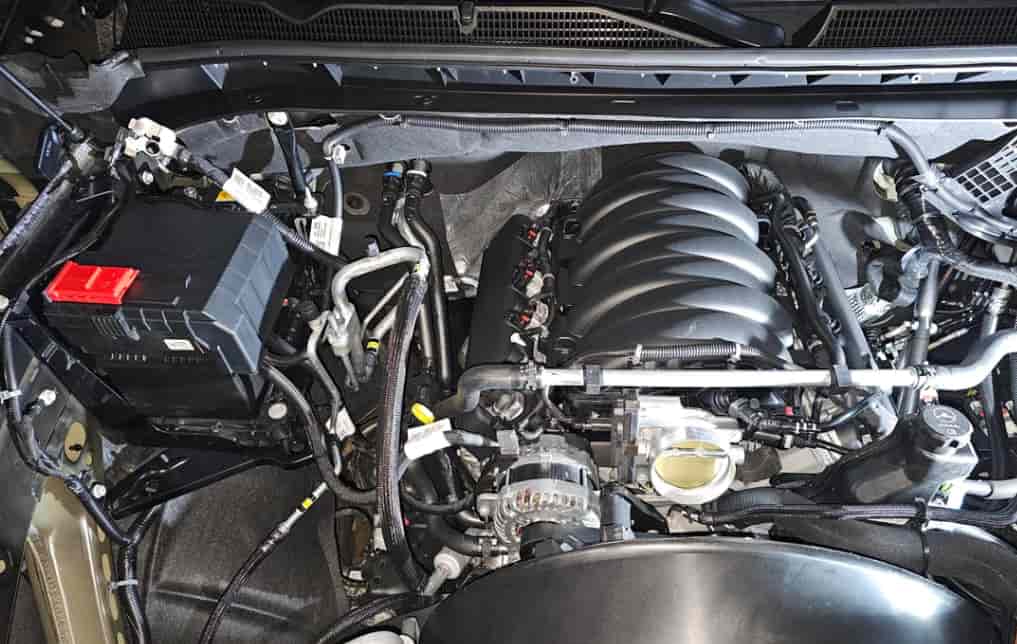
Understanding the GM 6.6 Gas Engine Baseline
The GM 6.6L V8 gas engine is designed for heavy duty performance. It powers trucks that focus on towing, hauling, and long distance driving. GM builds this engine for reliability first, not maximum horsepower.
In stock form, the engine delivers solid torque and stable power output. It performs well under normal driving conditions. However, GM limits its full potential through factory tuning.
The intake system restricts airflow into the engine. This reduces combustion efficiency at higher demand. The exhaust system also creates backpressure. This slows down gas exit and reduces engine breathing speed.
The ECU plays a major role in limiting performance. It controls fuel delivery and ignition timing with conservative settings. These settings protect engine life and meet emission standards. They also reduce peak horsepower and torque output.
These restrictions explain why the GM 6.6 Gas engine feels stronger on paper than in real driving conditions. The engine has more mechanical capacity than factory tuning allows.
GM 6.6 Gas Performance Upgrades focus on removing these limitations. Better airflow, improved exhaust flow, and optimized ECU tuning allow the engine to operate closer to its real capability.
When these systems work together, the engine responds faster. It also delivers stronger torque under load and improved acceleration at mid range RPM.
Cold Air Intake for Better Airflow
A cold air intake improves how the GM 6.6 Gas engine breathes. It replaces the factory air intake system with a less restrictive design. This upgrade allows the engine to draw in more cool air.
Cool air contains higher oxygen density. The engine uses this oxygen to burn fuel more efficiently. This improves combustion quality and increases power output.
A Cold Air Intake System also improves throttle response. The engine reacts faster when the driver presses the pedal. Acceleration feels smoother and more direct.
Many drivers notice better performance during towing. The engine maintains power more consistently under load. It also reduces hesitation during uphill driving.
This upgrade does not only increase horsepower. It also supports overall engine efficiency. The engine works with less restriction, which improves airflow balance.
Cold air intakes also act as a foundation for other GM 6.6 Gas Performance Upgrades. They work well with exhaust systems and ECU tuning. When combined, the performance gains become more noticeable.
Installation is simple in most cases. However, quality matters. A poor intake design can pull hot air from the engine bay. This reduces performance instead of improving it.
A well designed system keeps air intake temperature low. This helps maintain consistent power output in different driving conditions.
Performance Exhaust System Upgrade
The factory exhaust system on the GM 6.6 Gas engine restricts airflow. GM designs it this way to control noise and meet emission standards. This design creates backpressure in the exhaust path.
Backpressure slows down exhaust gas flow. It reduces how efficiently the engine releases burned gases. This limitation lowers overall engine performance.
A Performance Exhaust System reduces this restriction. It allows exhaust gases to exit the engine faster. This improves engine breathing and increases efficiency.
A cat-back exhaust system is one of the most common upgrades. It replaces the exhaust from the catalytic converter to the rear. This design improves flow and reduces pressure in the system.
Performance headers provide even more improvement. They optimize exhaust gas exit directly from the engine cylinders. This increases torque and improves high RPM performance.
Drivers often notice better throttle response after this upgrade. The engine feels more open and more responsive. Acceleration improves, especially under load conditions.
Exhaust upgrades also improve torque delivery. The engine maintains stronger pull during towing and highway driving. This makes the truck feel more capable in real world use.
Sound is another noticeable change. The exhaust becomes deeper and more aggressive. Many drivers see this as an added benefit.
Performance exhaust systems work best when combined with intake and ECU tuning. Together, these GM 6.6 Gas Performance Upgrades create a more efficient airflow cycle from intake to exhaust.
ECU Tuning and Engine Remapping for Maximum Power Gains
ECU tuning is the most effective upgrade for the GM 6.6 Gas engine. The ECU controls fuel delivery, ignition timing, and throttle response. Factory settings focus on safety, emissions, and fuel economy.
These factory limits reduce performance potential. The engine does not operate at its full mechanical capability. ECU tuning changes this balance.
A tuned ECU adjusts fuel and air mixture for better combustion. It also optimizes ignition timing for stronger power output. Throttle mapping becomes more responsive and direct.
These changes increase both horsepower and torque. The biggest improvement appears in mid range RPM. This range is most important for towing and daily driving.
ECU tuning also improves driving feel. The engine responds faster to input. Power delivery becomes smoother under load conditions.
Unlike hardware upgrades, ECU tuning affects the entire engine system at once. It improves how all components work together.
However, tuning requires caution. Poor calibration can cause knocking or higher fuel consumption. It can also reduce long term reliability if done incorrectly.
A professional ECU tuning solution for the GM 6.6 Gas engine delivers safe and consistent gains. It unlocks hidden performance without changing mechanical parts.
When combined with intake and exhaust upgrades, ECU tuning creates the strongest improvement among all GM 6.6 Gas Performance Upgrades.
Combining Performance Mods for Maximum Efficiency
Single upgrades improve the GM 6.6 Gas engine. However, combined upgrades deliver much stronger results. This happens because each system supports the others.
A cold air intake improves airflow into the engine. A performance exhaust system improves airflow out of the engine. ECU tuning controls how the engine uses both airflow changes.
When these upgrades work together, the engine operates more efficiently. Combustion becomes more complete. Power delivery becomes smoother and more consistent.
A Stage 1 setup usually includes a cold air intake and ECU tuning. This combination improves throttle response and increases horsepower. It also improves torque in the mid range RPM.
A Stage 2 setup adds a performance exhaust system. This completes the airflow cycle from intake to exhaust. It allows the engine to breathe with less restriction in all conditions.
Stage 2 builds deliver stronger gains compared to Stage 1. The engine feels more powerful under load. It also maintains better performance during towing and highway driving.
The key advantage of combining GM 6.6 Gas Performance Upgrades is synergy. Each upgrade amplifies the effect of the others. This creates more noticeable results than installing parts separately.
Proper sequencing also matters. Most users start with intake and ECU tuning. They add exhaust upgrades later for full system optimization.
Towing Performance and Real World Driving Benefits
Towing performance is one of the most important reasons to upgrade the GM 6.6 Gas engine. This engine is widely used in heavy duty trucks. It must handle trailers, cargo, and long distance hauling.
Torque plays a bigger role than horsepower in towing situations. High torque helps the truck move heavy loads from a standstill. It also helps maintain speed on steep roads.
GM 6.6 Gas Performance Upgrades improve torque delivery across the RPM range. ECU tuning increases low and mid range torque. This makes the engine feel stronger under load.
A performance exhaust system reduces backpressure. This helps the engine maintain power during long climbs. It also improves exhaust flow when the engine works hard.
A cold air intake improves combustion efficiency. It supports more stable power delivery during towing conditions. The engine responds faster when extra power is needed.
These upgrades reduce engine strain during heavy use. The truck feels more stable when pulling trailers. Acceleration also becomes smoother and more controlled.
Drivers often notice improved confidence during highway towing. The engine holds speed better and downshifts less often.
When combined, these upgrades create a more capable towing system. The GM 6.6 engine delivers stronger and more consistent performance in real world driving conditions.
Budget Friendly Upgrade Options
Not all GM 6.6 Gas Performance Upgrades require a large budget. Many effective upgrades are affordable and deliver strong results for daily driving and towing.
A cold air intake is one of the best entry level upgrades. It improves airflow and increases engine responsiveness. It also provides a noticeable improvement in throttle feel.
ECU tuning modules are another high value option. They adjust engine mapping without changing hardware. This improves horsepower and torque across the mid range RPM.
These two upgrades offer the best cost to performance ratio. They deliver clear improvements without major installation complexity.
Many drivers combine intake and ECU tuning for better results. This setup creates a balanced performance gain at a reasonable cost.
A larger budget allows for a performance exhaust system. This upgrade improves exhaust flow and reduces backpressure. It increases overall engine efficiency.
When all three upgrades work together, the engine performs more efficiently in real driving conditions. Acceleration improves. Towing becomes easier. Throttle response becomes sharper.
Budget upgrades focus on real world improvements rather than extreme performance numbers. They help unlock hidden engine potential without requiring a full performance build.
Stage 1 vs Stage 2 Performance Builds
Stage 1 and Stage 2 builds represent two different levels of GM 6.6 Gas Performance Upgrades. Each stage offers a different balance between cost, power gains, and complexity.
A Stage 1 build focuses on basic airflow and engine tuning. It usually includes a cold air intake and ECU tuning. This setup improves throttle response and increases horsepower in the mid range RPM. It also improves daily driving performance and light towing capability.
Stage 1 works well for drivers who want better performance without major modifications. It offers a simple upgrade path with noticeable results.
A Stage 2 build adds a performance exhaust system to the Stage 1 setup. This completes the airflow system from intake to exhaust. It allows the engine to operate more efficiently under all conditions.
Stage 2 delivers stronger torque gains and better high load performance. It improves towing stability and highway acceleration. The engine feels more responsive under stress.
Stage 2 requires a higher budget and more installation effort. However, it provides a more complete performance improvement compared to Stage 1.
The choice between Stage 1 and Stage 2 depends on driving needs. Stage 1 fits daily drivers. Stage 2 fits users who tow frequently or want maximum performance from the GM 6.6 Gas engine.
Both stages improve engine efficiency. The difference lies in how much airflow optimization and power gain the user wants.
Are GM 6.6 Gas Performance Upgrades Worth It
GM 6.6 Gas Performance Upgrades deliver clear benefits for most drivers. The factory engine focuses on reliability and safety. It does not focus on maximum performance output.
Upgrades like cold air intake, performance exhaust, and ECU tuning unlock hidden engine potential. These changes improve horsepower and torque without internal engine modifications.
Most drivers notice better throttle response after upgrades. The engine feels more responsive in daily driving. Acceleration improves, especially in mid range RPM.
Towing performance also improves. The engine maintains stronger torque under load. It reduces strain during highway climbs and heavy hauling.
However, results depend on expectations. These upgrades do not turn the engine into a race setup. They optimize factory performance instead of completely transforming it.
Cost is another factor. Basic upgrades offer strong value. Intake and ECU tuning provide the best return. Exhaust systems increase performance further but require more investment.
Reliability remains strong when upgrades are done correctly. Professional tuning and quality parts help maintain engine safety.
Overall, these GM 6.6 Gas Performance Upgrades are worth it for drivers who want better power, improved towing, and a more responsive driving experience without sacrificing daily usability.
Conclusion
GM 6.6 Gas Performance Upgrades offer a practical way to improve engine power and driving experience. The stock engine delivers strong reliability, but it limits airflow and tuning potential.
Cold air intake systems improve airflow and throttle response. Performance exhaust systems reduce restriction and increase efficiency. ECU tuning unlocks hidden horsepower and torque across the RPM range.
Each upgrade works better when combined. Intake, exhaust, and tuning create a balanced performance system. This combination improves acceleration, towing strength, and overall drivability.
Stage 1 builds provide a simple entry point for most drivers. Stage 2 builds deliver stronger performance for users who need more torque and better load handling.
These upgrades do not change the engine into a racing setup. Instead, they optimize factory performance and improve real world usability.
For most GM 6.6 owners, the best approach is to start with intake and ECU tuning. Then add exhaust upgrades for full system efficiency.