The 4.3 Vortec engine is one of the most durable V6 engines from General Motors. It powers many trucks and SUVs and has a strong reputation for long term reliability. However, many owners still feel that the stock engine does not deliver enough horsepower. This is why the topic of 4.3 Vortec Performance Upgrades is so popular among enthusiasts.
The engine performs well in daily driving and towing. It produces solid low end torque from the factory. But GM designed it with conservative tuning. This limits airflow, fuel delivery, and overall power output. As a result, many drivers look for ways to unlock more performance without damaging engine reliability.
This guide explains the best 4.3 Vortec Performance Upgrades in a clear and structured way. It does not focus on random modifications. Instead, it shows how each upgrade works together to improve airflow, fuel efficiency, and engine response.
You will learn how to move step by step from simple bolt on parts to advanced performance upgrades. Each stage explains expected horsepower gains and real world driving improvements. The goal is to help you build power in a safe and controlled way.
By the end of this guide, you will know how to increase horsepower and torque while keeping the engine stable and reliable. This approach helps you avoid costly mistakes and choose upgrades that actually work together.
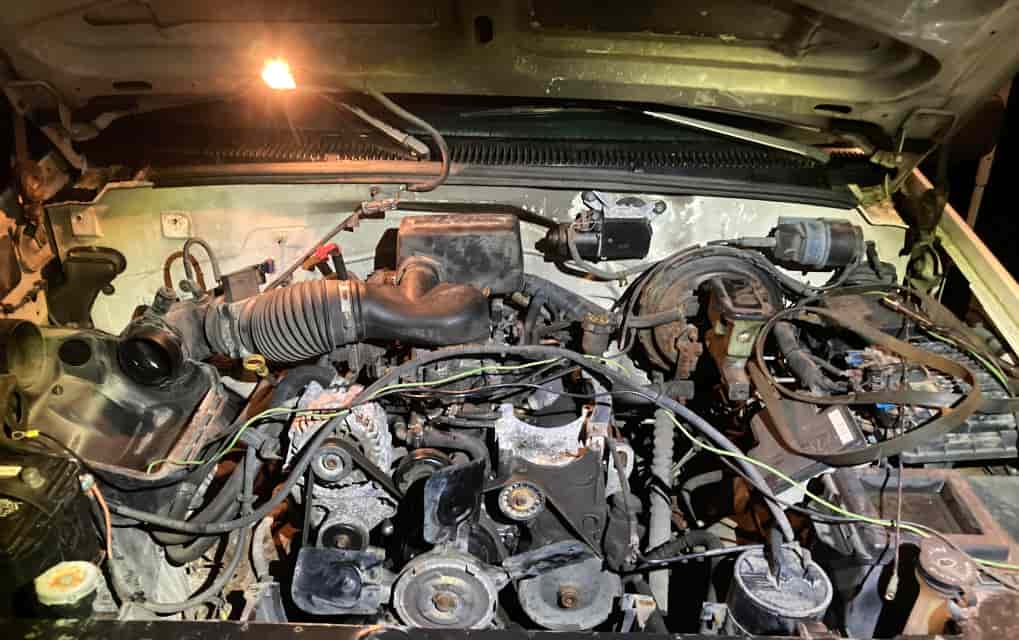
Understanding the 4.3 Vortec Engine Limitations
The 4.3 Vortec engine comes from General Motors and belongs to the V6 engine family. It was built for durability, towing strength, and long term use in trucks and SUVs. Many drivers trust this engine because it can handle high mileage with proper maintenance. However, its factory design also creates clear performance limits.
One of the main limitations comes from airflow restriction. The stock intake system reduces the amount of air entering the engine. This affects combustion efficiency and limits horsepower output. The exhaust system also restricts gas flow. It creates backpressure that reduces engine breathing at higher RPM.
Another limitation comes from factory ECU tuning. GM designed the engine with conservative fuel and ignition maps. This helps improve reliability and emissions compliance. However, it also reduces potential power output. The engine runs below its full performance capability in stock form.
Fuel delivery is another factor that limits performance upgrades. The stock fuel system supports normal driving conditions, but it has limited headroom for higher power builds. When power demand increases, the system can become a bottleneck.
These limitations do not mean the engine is weak. Instead, they show that the 4.3 Vortec responds best to balanced upgrades. When airflow, fuel delivery, and tuning work together, the engine can deliver much stronger performance while maintaining reliability.
Stage 1 Basic Bolt On Performance Upgrades
Stage 1 focuses on simple bolt on upgrades that improve airflow and engine response. These modifications do not require internal engine changes. They are the safest starting point for improving 4.3 Vortec Performance Upgrades while keeping reliability intact.
One of the most common upgrades is a cold air intake system. This part improves airflow into the engine by drawing cooler and denser air from outside the engine bay. Cooler air contains more oxygen, which helps combustion efficiency. The result is improved throttle response and a small increase in horsepower. Drivers often notice the engine feels more responsive during acceleration.
Another important upgrade is a performance exhaust system. The stock exhaust creates backpressure that limits how quickly exhaust gases exit the engine. A performance exhaust reduces this restriction. It allows the engine to breathe more freely and improves exhaust flow. This helps increase efficiency, especially at higher RPM ranges.
A high flow air filter is another simple upgrade that supports airflow improvement. It replaces the restrictive factory filter and allows more air to pass through while still protecting the engine from dust and debris. This upgrade works well with a cold air intake system for better overall airflow balance.
Stage 1 upgrades do not transform the engine completely, but they build a solid foundation. They improve airflow efficiency and prepare the engine for more advanced modifications in later stages. When combined together, these upgrades create smoother acceleration and better engine responsiveness without affecting long term durability.
Stage 2 ECU Tuning and Fuel System Optimization
Stage 2 upgrades focus on engine control and fuel delivery. This stage becomes important after basic airflow upgrades are installed. The goal is to optimize how the engine manages air and fuel so it can produce more power safely. This is a critical step in any serious 4.3 Vortec Performance Upgrades plan.
ECU remapping or engine tuning is the most impactful upgrade in this stage. The factory ECU uses conservative settings to protect the engine and meet emissions standards. A professional tune adjusts the air fuel ratio and ignition timing. This allows the engine to burn fuel more efficiently and produce more power. Drivers often notice stronger acceleration and improved throttle response after tuning.
Fuel injectors also play an important role in performance upgrades. Stock injectors are designed for factory power levels. When airflow increases, the engine needs more fuel to maintain proper combustion. Upgraded injectors deliver fuel more efficiently and help prevent lean conditions that can damage the engine.
The fuel pump is another key component in this stage. A stronger fuel pump ensures stable fuel pressure under higher load conditions. This stability becomes essential when the engine is tuned for more aggressive performance. Without proper fuel pressure, power gains become inconsistent and reliability can suffer.
Stage 2 upgrades work together to balance airflow and fuel delivery. This balance is necessary for safe and effective performance gains. When combined with Stage 1 modifications, the engine becomes noticeably stronger and more responsive while still maintaining controlled operating conditions.
Stage 3 Advanced Performance Upgrades
Stage 3 represents the most advanced level of 4.3 Vortec Performance Upgrades. This stage focuses on major power increases through internal engine modifications and forced induction. These upgrades deliver significant horsepower gains, but they also increase mechanical stress on the engine. Careful planning is required to maintain reliability.
One of the most effective upgrades in this stage is a camshaft replacement. A performance camshaft changes valve timing and lift. This allows more air and fuel to enter the combustion chamber. It also improves exhaust flow during each cycle. As a result, the engine produces stronger mid range and high RPM power. However, camshaft selection must match the rest of the setup to avoid drivability issues.
Turbocharging is another major upgrade option. A turbocharger forces more air into the engine by using exhaust gases to spin a turbine. This increases air density inside the combustion chamber and significantly boosts horsepower. Turbo setups can deliver large performance gains, but they require proper fuel system upgrades and cooling support.
A supercharger is an alternative forced induction system. It delivers instant boost because it is driven directly by the engine. This improves low end torque and throttle response. Many drivers prefer superchargers for their smooth and predictable power delivery.
Stage 3 upgrades transform the engine into a high performance system. However, they also increase heat, pressure, and mechanical load. Supporting modifications such as improved cooling systems and strengthened fuel delivery become necessary to maintain long term engine stability.
Reliability Versus Performance Trade Off
Performance upgrades on the 4.3 Vortec engine always affect reliability in some way. The key is understanding how much stress each modification adds and how to manage it. This balance is important for anyone planning long term 4.3 Vortec Performance Upgrades.
Increased horsepower creates higher internal pressure and temperature inside the engine. This puts more load on pistons, valves, and bearings. If upgrades are not matched properly, engine wear can increase faster than normal. This is especially true when forced induction systems like turbochargers or superchargers are added.
Heat management becomes a critical factor. Stock cooling systems are designed for factory power levels. When power increases, the engine produces more heat. Without upgraded cooling components, such as a better radiator or improved airflow, the engine may run hotter than safe operating levels.
The transmission also plays an important role. Higher torque output can stress transmission components that were not designed for modified power levels. This can lead to slipping or long term damage if the drivetrain is not upgraded accordingly.
Despite these risks, the 4.3 Vortec engine can remain reliable when upgrades are planned correctly. The best approach is to increase power gradually and ensure each system supports the next stage. When airflow, fuel delivery, tuning, and cooling are balanced, the engine can deliver stronger performance while maintaining acceptable durability.
Best Upgrade Path and Budget Strategy
Choosing the right upgrade path for the 4.3 Vortec engine depends on budget, goals, and expected use. A clear plan helps avoid wasted money and prevents mismatched parts. This is one of the most important parts of any 4.3 Vortec Performance Upgrades strategy.
For a low budget setup under 500 dollars, the best approach is to focus on airflow improvements. A cold air intake system, high flow air filter, and a basic exhaust upgrade provide noticeable improvements in throttle response. This stage does not deliver extreme horsepower gains, but it creates a better foundation for future upgrades.
For a mid range budget, ECU tuning becomes the most important step. A professional tune improves air fuel balance and ignition timing. When combined with basic bolt on parts, the engine becomes more responsive and delivers stronger acceleration. Upgrading the fuel pump can also help maintain stability under increased load.
For high performance builds, advanced upgrades such as camshaft changes or forced induction systems become relevant. A turbocharger or supercharger can significantly increase horsepower and torque. However, these upgrades require supporting modifications in fuel delivery, cooling, and drivetrain strength to maintain reliability.
The best strategy is to build performance in stages rather than installing random parts. Each upgrade should support the next level. This ensures smoother power delivery, better drivability, and longer engine life. A balanced approach always delivers better real world results than isolated modifications.
Conclusion
The 4.3 Vortec engine offers a strong foundation for performance upgrades when modifications are planned in a structured way. While the stock engine focuses on reliability and low end torque, it still has clear potential for more horsepower and improved overall driving performance. The key to successful 4.3 Vortec Performance Upgrades is understanding how each system works together instead of treating upgrades as isolated parts.
Airflow upgrades such as intake and exhaust systems create the first improvement in engine efficiency. ECU tuning and fuel system upgrades then unlock additional power by optimizing how the engine manages air and fuel. Advanced modifications like camshaft changes and forced induction systems take performance even further, but they require careful supporting upgrades to maintain stability.
A balanced upgrade strategy always delivers better results than aggressive modifications without planning. When each stage is completed in order, the engine becomes more responsive, more powerful, and still maintains acceptable reliability. This approach helps avoid common mistakes that often lead to poor performance or mechanical issues.
In the end, the best results come from a combination of airflow improvement, proper tuning, and controlled power increases. With the right strategy, the 4.3 Vortec engine can move far beyond its factory limitations while still remaining dependable for daily driving or heavy use.