Why do so many drivers report recurring GM 5 cylinder engine problems despite the engine’s unique balance of performance and efficiency? At first glance, the GM inline 5 cylinder engine seems like a smart engineering compromise. It delivers more torque than a typical 4 cylinder while avoiding the fuel consumption of a V6. However, real world ownership tells a more complicated story.
The GM Atlas 5 cylinder engine, found in models like the Chevrolet Colorado and Hummer H3, has gained a reputation for several persistent issues that can frustrate owners and lead to unexpected repair costs. Many drivers experience symptoms such as rough idling, excessive oil consumption, or even sudden power loss, often without clear warning in the early stages. These problems not only affect driving comfort but also raise concerns about long term reliability and maintenance expenses.
If you are considering buying a used vehicle with this engine or currently own one, understanding these issues becomes essential. Ignoring early warning signs can quickly turn a minor fix into a costly repair. This guide will walk you through the most common GM 5 cylinder engine problems, explain their root causes, and provide proven fixes to help you protect your investment and avoid unnecessary headaches.
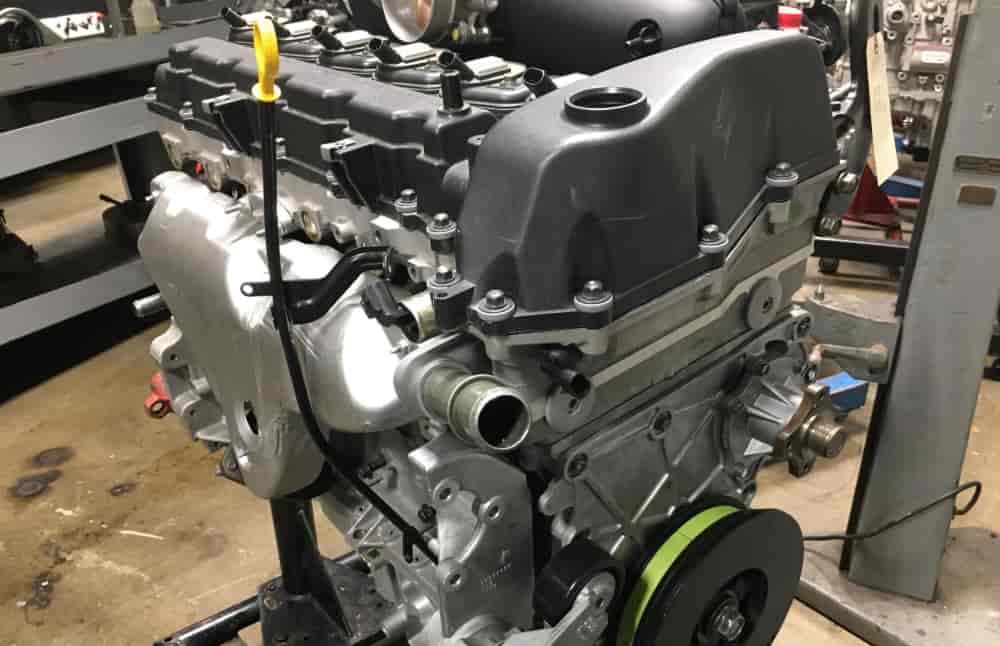
Overview of GM 5 Cylinder Engine
The GM 5 cylinder engine belongs to the Atlas engine family and was designed to balance power and fuel efficiency. It comes in several versions, including 2.8L, 3.5L, and 3.7L. GM used this engine mainly in mid size trucks such as the Chevrolet Colorado, GMC Canyon, and the Hummer H3.
This inline 5 cylinder design offers a unique driving experience. It produces more torque than a typical 4 cylinder engine while consuming less fuel than a V6. Many drivers choose it for its ability to handle light towing and daily driving without a major increase in fuel cost.
However, this design also creates certain limitations. The longer engine structure can lead to vibration over time. The natural imbalance of a 5 cylinder layout also affects long term smoothness. These factors play a key role in many GM 5 cylinder engine problems reported by owners.
Maintenance plays an even bigger role. This engine requires consistent oil changes and proper servicing. When owners delay maintenance, small issues can quickly turn into serious damage. Poor oil quality can also accelerate internal wear and reduce engine lifespan.
Understanding how this engine works helps you spot problems early. It also explains why some drivers experience long lasting reliability while others deal with frequent repairs.
Common GM 5 Cylinder Engine Problems (Part 1)
Engine Misfire Issues
One of the most common GM 5 cylinder engine problems is engine misfire. Many owners notice rough idling, hesitation during acceleration, or a sudden loss of power. In some cases, the check engine light appears and stays on, which creates concern for long term engine health.
Several factors can cause this issue. Faulty ignition coils often lead to weak or inconsistent spark delivery. Worn spark plugs also reduce combustion efficiency. In addition, fuel injector problems can disrupt the air fuel mixture and make the engine run unevenly.
You can usually detect a misfire early. The engine may feel shaky at idle or struggle when you press the accelerator. Fuel consumption may also increase because the engine cannot burn fuel efficiently.
Fixing this problem is often straightforward if you act early. Replacing ignition coils or spark plugs can restore smooth performance. Cleaning or replacing fuel injectors may also help. However, if you ignore the issue, it can damage the catalytic converter and lead to higher repair costs.
Excessive Oil Consumption
Excessive oil consumption is another major concern for many owners. This problem often develops slowly, which makes it more dangerous. Drivers may not notice anything unusual until the oil level drops significantly between service intervals.
The most common cause is worn piston rings. When these components wear out, engine oil can leak into the combustion chamber and burn along with fuel. As a result, the engine loses oil faster than expected.
There are clear warning signs you should watch for. Blue smoke from the exhaust is one of the most obvious indicators. You may also notice a burning oil smell or frequent need to top up engine oil.
This issue can become expensive if left untreated. In minor cases, using high quality oil and monitoring levels can help manage the problem. In more severe situations, the engine may require partial or full rebuild.
Common GM 5 Cylinder Engine Problems (Part 2)
Timing Chain Failure
Timing chain failure is one of the most serious GM 5 cylinder engine problems. It often starts with a subtle rattling noise when you start the engine, especially in cold conditions. Many drivers ignore this early warning sign, but the issue can escalate quickly.
The root cause usually comes from timing chain stretch or a failing tensioner. Over time, these components lose their ability to maintain proper timing between engine parts. When this happens, the engine can run poorly or even fail completely.
You may notice rough running, poor acceleration, or unusual engine noise. In severe cases, the engine may not start at all. If the timing chain slips, it can cause internal engine damage, which leads to very high repair costs.
The best way to fix this issue is to replace the timing chain kit, including guides and tensioners. Although this repair is not cheap, it is far less expensive than a full engine replacement. Early detection plays a critical role in avoiding major damage.
Throttle Body Problems
Throttle body issues can also affect the performance of the GM 5 cylinder engine. This problem often causes unstable idle, delayed throttle response, or sudden drops in engine power. Some drivers may feel the vehicle hesitate when accelerating.
Carbon buildup inside the throttle body is a common cause. Over time, dirt and residue restrict airflow, which disrupts the air intake system. Electronic throttle control faults can also contribute to this issue.
The symptoms are usually easy to recognize. The engine may idle unevenly or fluctuate in RPM without input. In some cases, the vehicle may enter a reduced power mode, which limits performance for safety reasons.
Fortunately, this problem is often easy to fix. Cleaning the throttle body can restore normal airflow and improve engine response. If the issue persists, replacing the throttle body may be necessary.
Cooling System Failures
Cooling system failure is another issue that many owners face. It may not seem serious at first, but it can quickly lead to severe engine damage if ignored. Overheating is often the first sign that something is wrong.
Several components can cause this problem. A failing water pump may stop coolant from circulating properly. A stuck thermostat can block the flow of coolant. Leaks in hoses or the radiator can also reduce cooling efficiency.
Drivers usually notice rising engine temperature or warning lights on the dashboard. In some cases, coolant levels drop without an obvious reason. If the engine overheats repeatedly, it can damage the head gasket or warp internal components.
You should address this issue as soon as possible. Replacing a faulty water pump or thermostat often solves the problem. Regular coolant checks also help prevent unexpected failures. Ignoring overheating can lead to very high repair costs, which is a major concern for many owners.
Root Causes Behind GM 5 Cylinder Engine Problems
To fully understand GM 5 cylinder engine problems, you need to look beyond individual faults. Most issues come from a combination of design limitations and maintenance habits.
One key factor is engine design. The inline 5 cylinder layout creates natural vibration. Over time, this can place extra stress on internal components. This stress increases wear and contributes to long term reliability issues.
Maintenance habits also play a critical role. Many problems begin when owners delay oil changes or use low quality oil. Poor lubrication accelerates wear on critical parts such as timing components and piston rings.
High mileage is another important factor. As the engine ages, parts begin to degrade. Small issues can combine and create larger mechanical failures if not addressed early.
Environmental conditions can also have an impact. Extreme temperatures and heavy driving conditions place additional strain on the engine. Without proper care, these factors can shorten the engine lifespan.
Understanding these root causes helps you prevent problems before they become serious. It also allows you to make better decisions about maintenance and repairs.
Warning Signs You Should Never Ignore
Many GM 5 cylinder engine problems do not appear suddenly. The engine often gives early warning signs, but many drivers overlook them. Recognizing these signals early can save you from costly repairs and unexpected breakdowns.
One of the most common signs is unusual engine noise. Knocking, ticking, or rattling sounds often indicate internal wear or timing chain issues. These sounds may seem minor at first, but they usually point to deeper mechanical problems.
Rough idling is another clear indicator. If the engine feels unstable while the vehicle is stationary, it may signal misfire issues or airflow problems. You may also notice hesitation or delayed response when accelerating.
Loss of power should never be ignored. If the vehicle struggles to accelerate or feels weaker than usual, the engine may not be operating efficiently. This can result from fuel system issues, ignition problems, or internal damage.
Smoke from the exhaust is also a critical warning sign. Blue smoke often indicates burning oil, while white smoke may point to coolant leaks. Both situations require immediate attention.
By paying attention to these symptoms, you can take action before minor issues turn into major engine failures.
Repair Costs and What to Expect
Repair costs are one of the biggest concerns related to GM 5 cylinder engine problems. The total expense depends on the severity of the issue and how early you detect it.
Minor repairs are usually affordable. Replacing spark plugs or ignition coils may cost between fifty and one hundred fifty dollars. Throttle body cleaning is also relatively inexpensive and can restore engine performance quickly.
However, more serious problems can become costly. Timing chain replacement often ranges from eight hundred to fifteen hundred dollars. This repair requires significant labor, which increases the total cost.
Oil consumption issues can be even more expensive. If the problem involves worn piston rings, the engine may require a rebuild. This type of repair can exceed two thousand dollars, depending on the condition of the engine.
Cooling system repairs fall somewhere in the middle. Replacing a water pump or thermostat is usually manageable, but ignoring the issue can lead to major engine damage and much higher costs.
Understanding these costs helps you make better decisions. Early repairs often cost less and prevent long term damage.
Is the GM 5 Cylinder Engine Reliable?
The reliability of this engine depends largely on maintenance and usage. The GM 5 cylinder engine offers solid performance and decent durability when owners follow proper service schedules.
On the positive side, the engine delivers good torque and handles daily driving well. It also performs reliably in light duty applications such as commuting and moderate hauling.
However, several weaknesses affect its long term reliability. Issues such as oil consumption, timing chain wear, and ignition problems appear more frequently compared to some other engine types. These problems can reduce confidence for long term ownership.
When compared to a 4 cylinder engine, the GM 5 cylinder provides more power but often requires more attention. Compared to a V6, it may offer better fuel efficiency but lacks the same level of smoothness and durability.
In general, the engine can be reliable if you maintain it properly. Regular oil changes, early diagnosis, and quality parts make a significant difference. Owners who ignore maintenance often experience repeated problems.
Conclusion
GM 5 cylinder engine problems are real, but they are not always a reason to avoid this engine entirely. Many of the most common issues, such as misfires, oil consumption, and timing chain wear, develop over time and often provide early warning signs. Drivers who understand these signals can take action before the damage becomes severe.
The key to long term reliability lies in consistent maintenance and early intervention. Simple steps such as regular oil changes, timely part replacement, and careful monitoring can prevent many expensive repairs. Ignoring small symptoms, on the other hand, often leads to higher costs and more complex issues.
For potential buyers, this engine can still be a reasonable choice if you inspect it carefully and review maintenance history. For current owners, staying proactive is the best way to protect your investment and extend engine life.
In the end, GM 5 cylinder engine problems highlight an important lesson. No engine is perfect, but informed decisions and proper care can make a significant difference. If you stay attentive and address issues early, you can reduce risks and enjoy a more reliable driving experience.