The GM 5.3L V8 engine has earned a strong reputation for its durability, performance, and widespread use in popular Chevrolet, GMC, and Cadillac vehicles. Found in models such as the Chevrolet Silverado, Tahoe, GMC Sierra, and Yukon, this engine is known for delivering reliable power and long service life. However, despite its overall dependability, one issue has become increasingly familiar to many owners: GM 5.3 engine lifter problems.
A persistent ticking noise, rough idling, engine misfires, or a sudden drop in performance may all point to a failing lifter. While these symptoms can seem minor at first, ignoring them can lead to extensive engine damage, including worn camshaft lobes, bent pushrods, and costly repairs. Many of these failures are associated with GM’s Active Fuel Management (AFM) system, although poor maintenance, oil-related issues, and normal wear can also contribute to lifter failure.
This comprehensive guide explains everything you need to know about GM 5.3 engine lifter problems, including their most common causes, early warning signs, diagnostic methods, repair costs, and proven solutions. Whether you’re trying to identify an unusual engine noise or deciding if a repair is worth the investment, this article will help you make informed decisions and keep your GM 5.3L engine running smoothly for years to come.
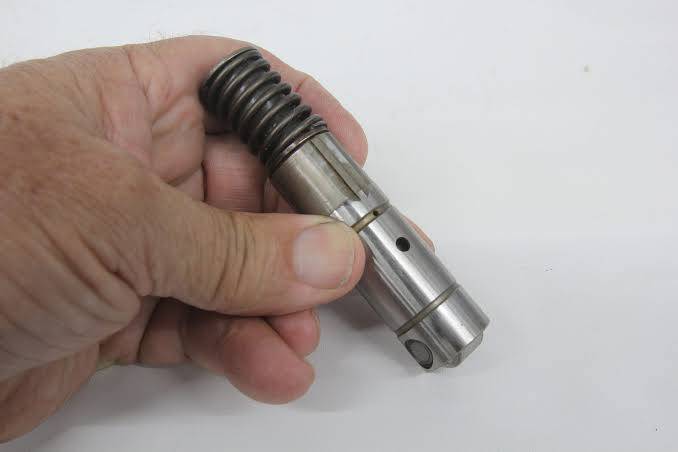
What Are Engine Lifters?
Engine lifters are small but essential components inside an internal combustion engine. Their primary function is to transfer the movement of the camshaft to the pushrods, which then activate the rocker arms to open and close the intake and exhaust valves. This precise synchronization allows the engine to maintain proper valve timing and deliver smooth, efficient performance.
Most GM 5.3L V8 engines use hydraulic lifters instead of solid lifters. Hydraulic lifters are designed to automatically adjust valve lash using pressurized engine oil. This self adjusting mechanism reduces engine noise, minimizes wear, and eliminates the need for frequent manual valve adjustments. When functioning properly, hydraulic lifters contribute to a quieter engine, improved fuel efficiency, and consistent power delivery.
However, hydraulic lifters depend heavily on clean engine oil and stable oil pressure. If oil passages become clogged, oil pressure drops, or internal lifter components wear out, the lifter may fail to maintain proper clearance. As a result, the valve train can no longer operate as intended, leading to ticking noises, engine misfires, rough idling, and reduced performance.
In many GM 5.3 engines equipped with Active Fuel Management, certain hydraulic lifters are responsible for deactivating cylinders during light driving conditions. While this technology improves fuel economy, it also introduces additional mechanical complexity that has become one of the leading causes of lifter failures in these engines.
Why Do GM 5.3 Engine Lifter Problems Happen?
Several factors can contribute to GM 5.3 engine lifter problems, ranging from normal wear to design characteristics and maintenance issues. Understanding these causes can help owners detect problems early and reduce the risk of severe engine damage.
One of the most common causes is the Active Fuel Management system. AFM improves fuel efficiency by temporarily shutting down four cylinders when the engine is operating under light loads. To accomplish this, specialized hydraulic lifters collapse and reactivate repeatedly during normal driving. Over time, this constant movement can cause the lifters to stick, collapse permanently, or fail to reengage correctly. As a result, drivers may notice engine ticking, rough running, or persistent misfire codes.
Poor lubrication is another major contributor to lifter failure. Hydraulic lifters rely on clean, properly pressurized oil to function correctly. Delayed oil changes, contaminated oil, low oil levels, or using an incorrect oil viscosity can reduce lubrication and accelerate internal wear. Even small deposits inside the oil passages may restrict oil flow enough to prevent the lifters from operating normally.
High mileage is also a common factor. After years of operation, the internal components of the lifters naturally wear down. The rollers, bearings, and internal springs gradually lose their effectiveness, making older engines more susceptible to valve train noise and mechanical failure.
Manufacturing defects have affected certain production years more than others. While not every GM 5.3 engine experiences lifter issues, some model years have reported higher failure rates due to weaknesses in specific lifter designs or AFM components.
Finally, neglected maintenance can significantly shorten the lifespan of engine lifters. Sludge buildup, clogged oil passages, worn oil pumps, and inconsistent servicing all increase the likelihood of premature lifter failure. Following the manufacturer’s recommended maintenance schedule remains one of the most effective ways to protect the engine.
Common Symptoms of GM 5.3 Engine Lifter Problems
Recognizing the early symptoms of lifter failure can prevent expensive repairs and help preserve the long term reliability of your GM 5.3 engine.
The most noticeable symptom is a rhythmic ticking sound coming from the top of the engine. This noise is often louder during cold starts and may become more pronounced as the problem worsens. Unlike normal injector clicking, a failing lifter produces a deeper metallic ticking that follows engine speed.
Another common warning sign is an illuminated Check Engine Light. When a collapsed or sticking lifter prevents a valve from opening correctly, the engine control module may detect combustion irregularities and store diagnostic trouble codes, particularly cylinder misfire codes.
Rough idling is another frequent symptom. A malfunctioning lifter can reduce valve lift, causing incomplete combustion in one or more cylinders. Drivers may notice vibrations while the vehicle is stopped, along with unstable engine speed.
Many owners also report a noticeable loss of power during acceleration. Reduced valve movement limits airflow into the combustion chamber, making the engine feel sluggish, especially when climbing hills or towing heavy loads.
Fuel economy may also decline because the engine must work harder to compensate for inefficient combustion. In more advanced cases, damaged lifters can begin wearing down the camshaft lobes. Once camshaft damage occurs, repair costs increase substantially because both the lifters and camshaft often need replacement.
During an oil change, metal particles or shiny debris in the drained oil or oil filter may indicate excessive internal wear. This is a serious warning sign that should never be ignored, as continued operation can result in widespread engine damage.
If any of these symptoms appear together, scheduling a professional inspection as soon as possible can help prevent a relatively minor lifter issue from developing into a complete engine rebuild.
How to Diagnose GM 5.3 Lifter Problems
Diagnosing GM 5.3 engine lifter problems early can save thousands of dollars in repair costs. While some symptoms may seem similar to ignition or fuel system issues, a systematic inspection can help determine whether the valve train is the source of the problem.
Start by listening carefully to the engine during a cold start. A healthy GM 5.3 engine may produce a brief ticking sound for a few seconds while oil pressure builds, but this noise should disappear quickly. If the ticking continues after the engine reaches operating temperature or becomes louder as engine speed increases, a failing lifter is a likely cause.
The next step is to scan the vehicle using an OBD II diagnostic scanner. Common trouble codes associated with lifter failure include P0300 for random cylinder misfires and individual cylinder misfire codes such as P0301 through P0308. These codes indicate combustion problems that may result from valves not opening or closing correctly because of a collapsed lifter.
Checking the engine oil is equally important. Inspect both the oil level and its condition. Low oil, dirty oil, or sludge buildup can reduce hydraulic pressure inside the lifters and cause improper valve operation. If metallic particles are found in the drained oil or inside the oil filter, internal engine wear may already be occurring.
Measuring oil pressure provides additional clues. Hydraulic lifters rely on consistent oil pressure to maintain proper valve clearance. If oil pressure falls below factory specifications, the issue may involve a worn oil pump, clogged oil passages, or excessive internal engine wear rather than the lifters alone.
For a more detailed inspection, technicians often remove the valve covers to examine the rocker arms, pushrods, and valve movement while the engine is rotated manually. A collapsed lifter typically produces noticeably reduced valve lift compared to the other cylinders.
In severe cases, the intake manifold and cylinder heads may need to be removed to inspect the lifters and camshaft directly. Flattened camshaft lobes, damaged lifter rollers, or excessive metal wear confirm that replacement of multiple components is necessary. Because camshaft damage frequently accompanies lifter failure, replacing only the faulty lifter is not always a permanent solution.
Can You Drive with a Bad Lifter?
Technically, it is possible to drive with a bad lifter for a short period, but doing so is highly discouraged. What begins as a minor ticking noise can quickly develop into extensive engine damage if the underlying problem is ignored.
A failed hydraulic lifter cannot maintain proper contact with the camshaft. As the engine continues operating, the metal surfaces repeatedly strike each other without sufficient cushioning. This constant impact accelerates wear on the camshaft lobes and can eventually destroy the valve train.
One of the first consequences is reduced engine performance. Because the affected valve no longer opens fully, the cylinder cannot draw in enough air and fuel for efficient combustion. Drivers often experience sluggish acceleration, rough idling, reduced towing capability, and noticeable power loss.
Continuing to drive may also bend pushrods, damage rocker arms, or cause excessive stress on valve springs. If the camshaft becomes severely worn, metal debris can circulate throughout the lubrication system, potentially damaging bearings, the oil pump, and other internal engine components.
Ignoring lifter problems also increases repair costs significantly. Replacing a single faulty lifter is considerably less expensive than rebuilding an engine that has suffered widespread internal damage. Once metal contamination spreads through the lubrication system, the repair may involve replacing the camshaft, lifters, bearings, oil pump, and numerous gaskets.
If your GM 5.3 engine develops persistent ticking noises, repeated misfires, or a flashing Check Engine Light, limit vehicle operation and schedule a professional inspection as soon as possible. Early diagnosis often prevents a relatively simple repair from becoming a complete engine overhaul.
How Much Does It Cost to Fix GM 5.3 Lifter Problems?
The cost of repairing GM 5.3 engine lifter problems depends on the extent of the damage, labor rates in your area, and whether additional engine components require replacement. Because lifters are located deep inside the engine, labor accounts for a significant portion of the total repair bill.
Replacing a single failed lifter generally costs between $800 and $1,500, including parts and labor. Although only one lifter may have failed, many repair shops recommend replacing the entire set to reduce the risk of another lifter failing shortly afterward.
If the damaged lifter has already worn the camshaft, repair costs increase considerably. A complete lifter and camshaft replacement typically ranges from $2,000 to $4,500, depending on the vehicle model and the quality of replacement parts. Engines with severe internal wear may require additional components such as pushrods, rocker arms, valve springs, timing components, and a new oil pump.
Owners of AFM equipped engines sometimes choose to install an AFM Delete Kit during the repair. This upgrade replaces the specialized AFM lifters with conventional lifters and reprograms the engine to operate on all eight cylinders at all times. Although the initial investment usually falls between $2,500 and $5,000, many enthusiasts consider it a worthwhile long term solution because it eliminates one of the most common causes of future lifter failures.
DIY repairs can reduce labor expenses, but replacing lifters on a GM 5.3 engine requires advanced mechanical skills, specialized tools, and several hours of disassembly. The intake manifold, valve covers, cylinder heads, and often the timing components must be removed before the lifters can be accessed. For most vehicle owners, professional installation remains the safest and most reliable option.
Investing in timely repairs is usually far less expensive than waiting until catastrophic engine damage occurs. Addressing lifter problems early not only lowers repair costs but also helps preserve the long term reliability and resale value of your GM 5.3 powered vehicle.
Proven Solutions for GM 5.3 Engine Lifter Problems
Once GM 5.3 engine lifter problems have been accurately diagnosed, choosing the right repair strategy is essential for restoring engine performance and preventing future failures. The best solution depends on the severity of the damage, vehicle mileage, and whether the engine is equipped with the Active Fuel Management system.
The most common repair is replacing the failed lifter. If the problem is detected early and the camshaft has not been damaged, installing a new set of high quality hydraulic lifters may be enough to restore proper valve operation. Many professional technicians recommend replacing all lifters instead of only the failed unit because the remaining lifters have often experienced similar wear and may fail later.
If inspection reveals worn or flattened camshaft lobes, replacing the camshaft is strongly recommended. Installing new lifters on a damaged camshaft can quickly destroy the replacement parts and lead to another costly repair. Replacing both components at the same time ensures proper contact between the camshaft and lifters while maximizing engine reliability.
Bent pushrods, worn rocker arms, and damaged valve springs should also be inspected during the repair process. Although these components may appear undamaged at first glance, excessive wear can reduce valve lift and affect overall engine performance. Replacing worn valve train components during a major repair minimizes the risk of future mechanical issues.
Many owners of AFM equipped engines choose to install an AFM Delete Kit as a long term solution. This modification removes the specialized AFM lifters and updates the engine calibration so that all eight cylinders remain active at all times. While fuel economy may decrease slightly, eliminating the AFM system significantly reduces the likelihood of future lifter failures and is widely regarded as one of the most reliable upgrades for high mileage GM 5.3 engines.
Using premium synthetic engine oil is another effective way to protect hydraulic lifters. High quality oil provides better lubrication during cold starts, maintains stable viscosity at high temperatures, and reduces sludge formation inside the engine. Pairing synthetic oil with an OEM or premium oil filter further improves lubrication and helps prevent contaminants from reaching sensitive valve train components.
Finally, routine maintenance should never be overlooked. Following recommended oil change intervals, monitoring engine oil levels, and investigating unusual engine noises immediately can dramatically extend the service life of hydraulic lifters and other internal engine components.
How to Prevent Future Lifter Problems
Preventive maintenance remains the most effective way to avoid expensive lifter repairs and maximize the lifespan of a GM 5.3 engine. Although no engine component lasts forever, consistent maintenance can significantly reduce the likelihood of premature lifter failure.
Changing the engine oil at the recommended interval is the single most important preventive measure. Fresh, clean oil maintains proper hydraulic pressure inside the lifters while reducing friction throughout the valve train. Vehicles used for towing, frequent short trips, or extreme temperatures may benefit from more frequent oil changes than the standard maintenance schedule.
Selecting the correct oil viscosity is equally important. Always use the oil grade specified in the owner’s manual, as hydraulic lifters are designed to operate within a specific oil pressure range. Oil that is too thick or too thin may affect lifter performance and increase internal wear.
Regularly checking the engine oil level is another simple but valuable habit. Even a slightly low oil level can reduce lubrication during hard acceleration or extended highway driving. Addressing minor oil leaks before they become serious helps maintain stable oil pressure throughout the engine.
Allowing the engine to reach operating temperature before aggressive acceleration also helps protect internal components. During cold starts, engine oil requires time to circulate completely through the lubrication system. Gentle driving during the first few minutes reduces stress on the lifters and camshaft.
Pay close attention to unusual engine noises. A brief ticking sound after startup is often normal, but persistent ticking, rough idling, or repeated misfires should never be ignored. Early diagnosis can prevent extensive camshaft damage and significantly reduce repair costs.
Routine inspections performed by a qualified technician can also identify developing problems before they become serious. Monitoring oil pressure, checking for software updates related to engine management, and inspecting the valve train during major maintenance intervals contribute to long term engine reliability.
By combining proper maintenance practices with high quality replacement parts and prompt repairs, many GM 5.3 engines can deliver well over 200,000 miles of dependable service.
Frequently Asked Questions
Which GM 5.3 engines are most likely to experience lifter problems?
Lifter failures are most commonly reported on GM 5.3L V8 engines equipped with the Active Fuel Management system. While not every engine is affected, certain Silverado, Sierra, Tahoe, Suburban, Yukon, and Avalanche models have experienced higher than average failure rates.
What does a bad GM 5.3 lifter sound like?
A failing lifter usually produces a rhythmic metallic ticking noise from the upper portion of the engine. The sound often becomes louder as engine speed increases and may be accompanied by rough idling or engine misfires.
Can a bad lifter damage the camshaft?
Yes. A collapsed or sticking lifter can create excessive metal to metal contact with the camshaft lobe. Continued operation under these conditions frequently results in severe camshaft wear, making a more extensive repair necessary.
Does disabling AFM permanently solve lifter problems?
Disabling AFM through engine tuning alone does not replace the specialized AFM lifters, so the original mechanical components remain inside the engine. A complete AFM Delete Kit that includes conventional lifters and the required hardware provides a much more reliable long term solution.
Is replacing only one lifter a good idea?
Replacing a single lifter may solve the immediate problem if the remaining components are in excellent condition. However, many repair professionals recommend replacing the entire lifter set because engines with one failed lifter often have others that are approaching the end of their service life.
How long do GM 5.3 hydraulic lifters last?
Under normal driving conditions and with proper maintenance, hydraulic lifters can often last between 150,000 and 250,000 miles. Their lifespan depends heavily on oil quality, maintenance history, driving habits, and whether the engine uses the AFM system.
Conclusion
Although the GM 5.3L V8 has earned a reputation as one of General Motors’ most dependable engines, lifter failure remains a well known issue that owners should not ignore. Persistent ticking noises, engine misfires, rough idling, and declining performance are all warning signs that deserve immediate attention. Acting quickly can often prevent a relatively simple repair from escalating into extensive engine damage involving the camshaft, pushrods, and other valve train components.
Fortunately, most GM 5.3 engine lifter problems can be successfully repaired when diagnosed early. Whether the solution involves replacing worn lifters, installing a new camshaft, upgrading to an AFM Delete Kit, or simply improving maintenance practices, addressing the root cause is the key to restoring long term reliability.
Routine oil changes, high quality synthetic lubricants, and prompt attention to unusual engine noises remain the best defenses against future lifter failures. By understanding the causes, recognizing the symptoms, and choosing the appropriate repair strategy, owners can keep their GM 5.3 engine performing reliably for many years and thousands of miles to come.
If you’ve experienced GM 5.3 engine lifter problems, share your story in the comments below. Your experience may help other owners diagnose similar issues and make informed repair decisions before minor symptoms turn into major engine failures.