The 8.1L Vortec, also known as the Vortec 8100, is one of General Motors’ most iconic big-block gasoline engines. Introduced in the early 2000s, it quickly became a favorite among truck owners, RV enthusiasts, and commercial fleet operators thanks to its exceptional towing power, durable cast-iron construction, and impressive longevity. Found in heavy-duty Chevrolet and GMC trucks, as well as Workhorse motorhome chassis, the 8.1 Vortec was engineered to handle demanding workloads that smaller gasoline engines often struggled to match.
Despite its reputation for reliability, the engine is far from immune to age-related wear and mechanical issues. As most 8.1 Vortec-powered vehicles are now more than two decades old, owners increasingly encounter recurring problems such as failing crankshaft position sensors, fuel pump issues, intake manifold gasket leaks, excessive oil consumption, and cooling system failures. While many of these problems are not catastrophic when identified early, ignoring the warning signs can lead to expensive repairs, unexpected breakdowns, or even severe engine damage.
This guide explores the most common 8.1 Vortec problems, explaining their symptoms, root causes, repair options, estimated costs, and practical prevention tips. Whether you currently own a Chevrolet Silverado 2500HD, GMC Sierra 3500, Suburban 2500, or are considering purchasing a used vehicle equipped with the legendary Vortec 8100, understanding these common issues will help you make informed maintenance decisions, extend your engine’s lifespan, and avoid costly surprises on the road.
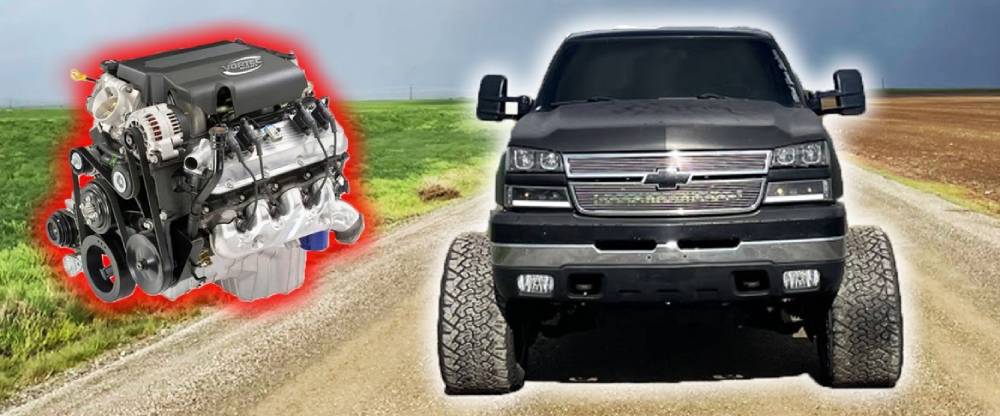
What Is the 8.1 Vortec Engine?
The 8.1L Vortec, commonly referred to as the Vortec 8100, is a naturally aspirated big block V8 gasoline engine developed by General Motors. Introduced for the 2001 model year, it replaced the legendary 7.4L Vortec (454) and served as GM’s flagship gasoline engine for heavy duty trucks and commercial applications until production ended in 2009.
Built with a cast iron block and cast iron cylinder heads, the 8.1 Vortec was engineered with durability rather than fuel efficiency in mind. Its overhead valve (OHV) design features two valves per cylinder and sequential multi port fuel injection, delivering strong low end torque that makes it ideal for towing large trailers, hauling heavy cargo, and powering motorhomes. Unlike modern turbocharged engines that rely on forced induction, the 8.1L generates its power through displacement, making it simple, robust, and relatively easy to service.
Depending on the vehicle and model year, the engine produces between 320 and 340 horsepower and 440 to 455 lb ft of torque, providing excellent pulling power at low RPM. This broad torque curve is one of the primary reasons why many owners still prefer the Vortec 8100 for heavy-duty work, even years after production ceased.
The 8.1 Vortec was installed in several popular GM vehicles, including the Chevrolet Silverado 2500HD and 3500, GMC Sierra 2500HD and 3500, Chevrolet Suburban 2500, Chevrolet Avalanche 2500, Kodiak medium duty trucks, and numerous Workhorse chassis used in Class A motorhomes. Many commercial operators appreciated the engine’s ability to perform consistently under heavy loads without the complexity associated with modern diesel emissions systems.
One of the biggest selling points of the 8.1 Vortec is its longevity. With regular oil changes, cooling system maintenance, and prompt replacement of worn sensors or fuel system components, many examples easily exceed 200,000 to 300,000 miles. Some well maintained engines have even surpassed 350,000 miles while remaining mechanically sound.
8.1 Vortec Engine Specifications
| Specification | Details |
|---|---|
| Engine Code | Vortec 8100 (L18) |
| Displacement | 8.1L (496 cubic inches) |
| Configuration | 90° OHV V8 |
| Fuel System | Sequential Multi Port Fuel Injection |
| Horsepower | 320 to 340 hp |
| Torque | 440 to 455 lb ft |
| Compression Ratio | 9.1:1 |
| Block Material | Cast Iron |
| Cylinder Head | Cast Iron |
| Production Years | 2001 to 2009 |
| Expected Lifespan | 200,000 to 300,000+ miles |
Although the engine is widely respected for its strength and reliability, age is now the biggest challenge facing owners. Rubber seals, electrical sensors, fuel delivery components, and cooling system parts naturally deteriorate over time. Understanding these age related weaknesses is essential for preventing costly repairs and maximizing the lifespan of this legendary GM big block.
Is the 8.1 Vortec a Reliable Engine?
Overall, the 8.1 Vortec is considered one of the most reliable gasoline engines General Motors has ever produced. Its reputation is built on a rugged design, proven mechanical simplicity, and the ability to withstand years of heavy towing and commercial use. While it lacks the fuel efficiency and advanced technology of modern engines, many owners value its predictable performance and long service life more than outright efficiency.
One of the engine’s greatest strengths is its heavy duty construction. The cast iron block and cylinder heads are exceptionally durable and resistant to the cracking issues sometimes found in lighter aluminum engines. The traditional pushrod valvetrain also contains fewer moving parts than dual overhead cam designs, reducing complexity and making repairs more straightforward.
Another reason for its excellent reliability is its ability to produce substantial torque without being highly stressed. Since maximum torque is available at relatively low engine speeds, the Vortec 8100 rarely needs to operate at high RPM under normal driving conditions. This contributes to lower internal wear over hundreds of thousands of miles.
However, reliability does not mean the engine is maintenance free. Nearly every surviving 8.1 Vortec is now at least fifteen years old, meaning many failures are caused by aging components rather than fundamental engineering flaws. Sensors become unreliable, fuel pumps wear out, water pumps eventually leak, and intake manifold gaskets can deteriorate after years of repeated heat cycles.
Fuel economy is another common criticism. Most owners report average fuel consumption between 8 and 12 miles per gallon, with even lower figures when towing heavy trailers. While this is expected for a large naturally aspirated V8, fuel costs can become significant for drivers who use their trucks daily.
Replacement parts are generally available, but certain original equipment components have become more difficult to source as production numbers decline. Fortunately, the aftermarket continues to provide high quality alternatives for most maintenance and repair needs.
Pros
- Outstanding towing performance
- Extremely durable cast iron construction
- Long engine lifespan with proper maintenance
- Simple OHV design that is easier to repair than many modern engines
- Strong aftermarket parts availability
- Proven reliability in commercial and heavy duty applications
Cons
- Poor fuel economy compared with modern gasoline engines
- Aging sensors and electrical components require periodic replacement
- Some OEM parts are becoming harder to find
- Repair costs can be high if multiple age related issues occur simultaneously
- Heavy engine weight compared with newer designs
Overall Reliability Rating: 4.5/5
For owners who prioritize durability, towing capability, and mechanical simplicity over fuel efficiency, the 8.1 Vortec remains an excellent choice. Most of its common problems are predictable, well documented, and relatively manageable when addressed early through routine inspections and preventive maintenance.
Common 8.1 Vortec Problem #1: Crankshaft Position Sensor Failure
Among all 8.1 Vortec problems, a failing crankshaft position sensor (CKP sensor) is one of the most frequently reported issues. Although the sensor itself is relatively inexpensive, it plays a critical role in engine operation by monitoring crankshaft speed and position. This information allows the engine control module to precisely control ignition timing and fuel injection.
When the sensor begins to fail, the engine may lose synchronization between fuel delivery and spark timing. In the early stages, the symptoms are often intermittent, making diagnosis challenging. As the sensor deteriorates further, starting the engine can become increasingly difficult, and sudden stalling may occur without warning.
Common Symptoms
- Check Engine Light illuminates
- Hard starting or extended cranking
- Engine stalls while driving
- Random engine misfires
- Rough idle
- Reduced engine performance
- Occasional no start condition
These symptoms often become more noticeable after the engine reaches operating temperature because heat can accelerate the failure of the sensor’s internal electronics.
Common Causes
The most common cause is simple age and heat exposure. After years of operating near the engine block, repeated heating and cooling cycles gradually damage the sensor’s internal circuitry. Wiring harness corrosion, loose electrical connectors, or physical damage from road debris may also contribute to sensor failure.
Diagnosis
A professional scan tool will often reveal diagnostic trouble codes such as P0335 or related crankshaft position sensor faults. Technicians typically verify the diagnosis by monitoring live engine speed data during cranking and inspecting the sensor wiring for damage or corrosion.
Repair
Replacing the crankshaft position sensor is generally the most effective solution. It is also advisable to inspect the electrical connector and wiring harness at the same time, since poor electrical connections can produce symptoms similar to a failed sensor.
Estimated Repair Cost
- Parts: $40 to $120
- Labor: $120 to $250
- Typical Total Cost: $160 to $370
Prevention Tips
Perform regular inspections of engine wiring during routine maintenance, repair oil leaks promptly to prevent contamination of electrical connectors, and replace aging sensors proactively if the vehicle has accumulated very high mileage. Addressing intermittent starting problems early can prevent unexpected breakdowns and reduce the risk of secondary ignition or fuel system issues.
Severity Rating
Medium
DIY Difficulty
Moderate
Owners with basic mechanical experience and the proper tools can often replace the crankshaft position sensor themselves, though accessing the component may require working in a confined area depending on the vehicle model.
Common 8.1 Vortec Problem #2: Fuel Pump Failure
A failing fuel pump is another well documented issue affecting high mileage 8.1 Vortec engines. The electric fuel pump is responsible for delivering a consistent supply of pressurized gasoline from the fuel tank to the fuel injectors. When it begins to wear out, fuel pressure drops below the level required for proper combustion, resulting in poor engine performance and difficult starting.
Fuel pump failures usually develop gradually. Drivers may first notice occasional hesitation during acceleration or a slight loss of power while towing. As the pump continues to deteriorate, these symptoms become more frequent until the engine eventually refuses to start altogether. Since replacing the fuel pump requires removing or lowering the fuel tank on most vehicles, labor costs often account for a significant portion of the repair bill.
Common Symptoms
- Extended cranking before the engine starts
- Engine cranks but does not start
- Hesitation during acceleration
- Loss of power while towing or climbing hills
- Sudden engine stalling
- Whining noise coming from the fuel tank
- Check Engine Light in some cases
Common Causes
Fuel pump wear is typically the result of age and high mileage. Running the vehicle with a nearly empty fuel tank can also shorten pump life because gasoline helps cool the electric motor inside the pump assembly. Contaminated fuel, clogged fuel filters, and electrical problems such as corroded connectors or weak voltage supply may also contribute to premature failure.
Diagnosis
Technicians normally begin by measuring fuel pressure at the fuel rail. If pressure falls below factory specifications, additional testing is performed to verify whether the problem lies with the fuel pump, fuel pressure regulator, fuel filter, or electrical circuit. Listening for pump operation when the ignition is switched on can also provide useful diagnostic clues.
Repair
The most effective repair is replacing the complete fuel pump module with a high quality OEM or premium aftermarket unit. It is also recommended to replace the fuel filter at the same time and inspect the electrical connector for signs of overheating or corrosion.
Estimated Repair Cost
- Parts: $250 to $500
- Labor: $300 to $700
- Typical Total Cost: $550 to $1,200
Prevention Tips
Avoid driving with less than one quarter of a tank whenever possible, replace the fuel filter at recommended intervals, and purchase fuel from reputable stations to reduce contamination. These simple maintenance habits can significantly extend the life of the fuel pump.
Severity Rating
High
DIY Difficulty
Hard
Because accessing the fuel tank can be physically demanding and requires appropriate safety precautions, this repair is generally better suited for experienced DIY mechanics or professional technicians.
Common 8.1 Vortec Problem #3: Intake Manifold Gasket Leak
The intake manifold gasket seals the connection between the intake manifold and the cylinder heads, preventing vacuum leaks while keeping engine coolant contained within the cooling passages. As the gasket ages, repeated heating and cooling cycles gradually cause the sealing material to harden, shrink, or crack. Once this occurs, both air and coolant leaks may develop, affecting engine performance and reliability.
A leaking intake manifold gasket often begins with subtle symptoms such as a rough idle or slight coolant loss. Because these warning signs can resemble several other engine problems, the issue is frequently overlooked until more noticeable drivability problems appear. If left unrepaired, coolant leakage may eventually contribute to overheating or internal engine damage.
Common Symptoms
- Rough or unstable idle
- Check Engine Light
- Lean air fuel mixture codes
- Engine hesitation
- Whistling or hissing sounds
- Unexplained coolant loss
- Sweet coolant odor from the engine compartment
- Reduced fuel economy
Common Causes
The primary cause is normal gasket deterioration caused by age and repeated thermal expansion. Overheating episodes can accelerate gasket failure by placing additional stress on sealing surfaces. Improper torque during previous repairs may also create uneven clamping force that eventually leads to leakage.
Diagnosis
A technician may perform a smoke test to identify vacuum leaks or use a cooling system pressure tester to locate coolant leaks around the intake manifold. Scan tool data showing lean fuel trim values can also support the diagnosis.
Repair
Repair requires removing the intake manifold, cleaning all mating surfaces, and installing new intake manifold gaskets according to factory torque specifications. During the repair, many technicians also inspect coolant hoses, thermostat housing, and nearby sensors for signs of wear.
Estimated Repair Cost
- Parts: $80 to $200
- Labor: $400 to $800
- Typical Total Cost: $500 to $1,000
Prevention Tips
Maintain the cooling system properly to prevent overheating, replace coolant according to the recommended service schedule, and address minor coolant leaks before they become larger problems. Preventive maintenance can significantly reduce stress on gasket materials.
Severity Rating
Medium to High
DIY Difficulty
Hard
Although experienced mechanics can perform this repair at home, careful attention to torque specifications and sealing procedures is essential to prevent future leaks.
Common 8.1 Vortec Problem #4: Excessive Oil Consumption
Excessive oil consumption is one of the more frustrating complaints reported by some 8.1 Vortec owners, particularly on engines with high mileage. While a small amount of oil consumption is considered normal for many large displacement gasoline engines, frequent oil level drops between service intervals may indicate underlying mechanical wear that requires attention.
Several different components can contribute to increased oil consumption. Worn piston rings may allow engine oil to enter the combustion chamber, while aging valve stem seals can leak oil into the cylinders during extended periods of engine vacuum. A malfunctioning Positive Crankcase Ventilation (PCV) valve may also draw excessive oil vapor into the intake system, increasing overall oil usage.
Ignoring low oil levels can have serious consequences. Insufficient lubrication accelerates wear on bearings, camshaft components, and other internal engine parts, potentially leading to costly engine repairs if the problem is left unresolved.
Common Symptoms
- Frequent need to add engine oil
- Blue smoke from the exhaust during startup or acceleration
- Burning oil smell
- Oil residue around the tailpipe
- Fouled spark plugs
- Reduced engine performance in severe cases
Common Causes
High mileage engine wear is the most common cause of excessive oil consumption. Worn piston rings, deteriorated valve stem seals, a faulty PCV valve, or prolonged oil change intervals can all contribute to increased oil usage. In some cases, external oil leaks from valve cover gaskets or oil pan gaskets may also be mistaken for internal oil consumption.
Diagnosis
The first step is to rule out external oil leaks through a visual inspection. Compression testing and cylinder leak down testing can then help evaluate piston ring condition. Spark plug inspection may reveal oil fouling in individual cylinders, while the PCV system should be checked for proper operation.
Repair
The appropriate repair depends on the root cause. Replacing a faulty PCV valve is inexpensive and may resolve minor oil consumption issues. Worn valve stem seals require more extensive labor, while significant piston ring wear may ultimately require an engine rebuild or replacement.
Estimated Repair Cost
- PCV Valve Replacement: $30 to $100
- Valve Stem Seal Replacement: $500 to $1,500
- Engine Rebuild: $3,500 to $7,000
Prevention Tips
Check the engine oil level regularly, use the manufacturer recommended oil viscosity, follow consistent oil change intervals, and investigate any sudden increase in oil consumption as early as possible. Keeping the lubrication system in excellent condition is one of the most effective ways to maximize the lifespan of the 8.1 Vortec engine.
Severity Rating
Medium
DIY Difficulty
Easy to Very Hard
Replacing a PCV valve is a straightforward maintenance task that most owners can perform themselves. However, repairs involving valve stem seals or internal engine components require advanced mechanical knowledge and specialized tools.
Common 8.1 Vortec Problem #5: Knock Sensor Failure
The knock sensor is a small but essential component that monitors engine vibration and detects abnormal combustion, commonly known as engine knock or detonation. When knock is detected, the engine control module adjusts ignition timing to protect internal components from damage. On the 8.1 Vortec, a failing knock sensor or damaged sensor wiring can send inaccurate signals to the engine computer, resulting in reduced performance and poor drivability.
Many owners first notice this problem when the Check Engine Light appears without any obvious mechanical symptoms. As the sensor continues to fail, the engine control module may excessively retard ignition timing as a safety precaution, causing noticeable power loss and sluggish acceleration. Although the vehicle usually remains drivable, prolonged operation with a faulty knock sensor can reduce fuel efficiency and mask genuine engine knock that could eventually cause internal damage.
Common Symptoms
- Check Engine Light
- Reduced engine power
- Sluggish acceleration
- Poor fuel economy
- Engine hesitation under load
- Occasional pinging or knocking noise
- Diagnostic trouble codes such as P0327 or P0332
Common Causes
Knock sensor failures are commonly caused by age, moisture intrusion, corrosion inside the electrical connector, or damaged wiring. In some cases, coolant leaks around the intake manifold can expose the sensor to moisture, accelerating corrosion and causing inaccurate readings.
Diagnosis
Diagnosis typically begins with scanning for diagnostic trouble codes. A technician may inspect the wiring harness, measure sensor resistance, and verify sensor output using a scan tool while monitoring ignition timing data. Visual inspection for corrosion around the connector is also recommended.
Repair
Replacing the faulty knock sensor is usually the most effective solution. If corrosion is present, the electrical connector and wiring should also be repaired or replaced. Clearing stored fault codes and verifying proper ignition timing after installation completes the repair.
Estimated Repair Cost
- Parts: $60 to $180
- Labor: $150 to $400
- Typical Total Cost: $210 to $580
Prevention Tips
Repair coolant leaks promptly, inspect electrical connectors during routine maintenance, and avoid pressure washing directly around engine sensors. Periodic inspections can prevent moisture related damage before it affects engine performance.
Severity Rating
Medium
DIY Difficulty
Moderate
Owners with intermediate mechanical skills can often replace the knock sensor themselves, although access may require removal of surrounding engine components depending on the vehicle configuration.
Common 8.1 Vortec Problem #6: Ignition Coil Failure
The ignition system plays a crucial role in delivering consistent combustion, and failing ignition coils are another common issue on aging 8.1 Vortec engines. Each ignition coil generates the high voltage needed to fire the spark plugs. When a coil weakens or fails completely, the affected cylinder may misfire, reducing engine performance and increasing fuel consumption.
Ignition coil problems often develop gradually. At first, drivers may experience occasional hesitation during acceleration or a rough idle. As the coil deteriorates further, misfires become more frequent, eventually triggering the Check Engine Light. If ignored, prolonged misfires can overheat the catalytic converter and lead to significantly more expensive repairs.
Common Symptoms
- Rough idle
- Engine misfires
- Check Engine Light
- Reduced acceleration
- Poor fuel economy
- Engine vibration
- Loss of power while towing
- Flashing Check Engine Light during severe misfires
Common Causes
Age and prolonged exposure to engine heat are the primary causes of ignition coil failure. Oil contamination from leaking valve cover gaskets, worn spark plugs that increase coil workload, and damaged wiring can also shorten coil lifespan.
Diagnosis
A scan tool will often identify the cylinder experiencing a misfire through codes such as P0300 or cylinder specific misfire codes. Technicians commonly swap ignition coils between cylinders to determine whether the misfire follows the suspected coil. Spark plug condition should also be inspected because worn plugs can contribute to ignition problems.
Repair
Replace the defective ignition coil and inspect the corresponding spark plug for wear or fouling. Many technicians recommend replacing spark plugs at the same time, particularly on high mileage engines, to ensure optimal ignition performance.
Estimated Repair Cost
- Ignition Coil: $60 to $150
- Spark Plug Set: $80 to $200
- Labor: $100 to $250
- Typical Total Cost: $160 to $500
Prevention Tips
Replace spark plugs according to the recommended maintenance schedule, repair oil leaks that may contaminate ignition components, and inspect ignition wiring during routine service. Preventive maintenance reduces stress on the ignition coils and helps maintain smooth engine operation.
Severity Rating
Medium
DIY Difficulty
Easy to Moderate
Replacing ignition coils is generally considered one of the simpler repairs on the 8.1 Vortec, making it a practical DIY project for many owners with basic hand tools.
Common 8.1 Vortec Problem #7: Water Pump Failure
The water pump is the heart of the engine’s cooling system, circulating coolant through the engine block and radiator to maintain safe operating temperatures. As mileage accumulates, the bearings, seals, and impeller inside the water pump gradually wear out. Eventually, coolant leaks or reduced coolant circulation can lead to overheating, one of the most serious threats to the longevity of the 8.1 Vortec engine.
Many water pumps begin failing slowly, producing a small coolant leak from the pump’s weep hole before complete failure occurs. Owners who recognize these early warning signs can often replace the pump before overheating causes damage to cylinder heads, head gaskets, or other critical engine components.
Common Symptoms
- Coolant leaking beneath the front of the engine
- Engine overheating
- Low coolant level
- Grinding or whining noise from the front of the engine
- Steam from the engine compartment
- Temperature gauge reading higher than normal
- Coolant warning light
Common Causes
Normal bearing wear is the most common cause of water pump failure. Contaminated coolant, neglected coolant replacement intervals, excessive belt tension, and corrosion inside the cooling system can accelerate wear and shorten pump life.
Diagnosis
A visual inspection often reveals coolant leaking from the pump housing or weep hole. Technicians also inspect the drive pulley for excessive movement and listen for bearing noise while the engine is running. Pressure testing the cooling system can help confirm the source of smaller leaks.
Repair
The water pump should be replaced as soon as leakage or bearing failure is detected. Many technicians also recommend installing a new thermostat, fresh coolant, and a new serpentine belt if these components are approaching the end of their service life.
Estimated Repair Cost
- Parts: $120 to $300
- Labor: $250 to $500
- Typical Total Cost: $370 to $800
Prevention Tips
Replace coolant according to the manufacturer’s maintenance schedule, monitor coolant levels regularly, inspect the serpentine belt for wear, and investigate even minor coolant leaks immediately. Preventive cooling system maintenance significantly reduces the risk of engine overheating.
Severity Rating
High
DIY Difficulty
Moderate
Although replacing the water pump is within the capabilities of experienced DIY mechanics, proper coolant bleeding and correct installation procedures are essential to ensure reliable cooling system performance after the repair.
Common 8.1 Vortec Problem #8: Exhaust Manifold Cracks
Cracked exhaust manifolds are another frequently reported issue on aging 8.1 Vortec engines, especially those that have spent years towing heavy trailers or operating under high engine loads. The exhaust manifold is exposed to extreme heat every time the engine runs. After thousands of heating and cooling cycles, the metal can expand and contract enough to develop small cracks. In some cases, the manifold itself remains intact while the mounting bolts or studs break, creating the same exhaust leak symptoms.
Many owners initially mistake the problem for a lifter tick or valve train noise because the sound is most noticeable during a cold start. As the engine warms up, the metal expands, and the noise may temporarily become quieter, making the issue difficult to diagnose. Although an exhaust manifold crack rarely causes immediate engine damage, it can reduce engine efficiency, increase exhaust noise, and eventually affect oxygen sensor readings.
Common Symptoms
- Ticking noise during cold starts
- Louder exhaust sound
- Exhaust odor under the hood
- Reduced engine performance
- Lower fuel economy
- Check Engine Light in some cases
- Visible soot around the manifold
Common Causes
Thermal expansion and contraction over many years is the leading cause of manifold cracks. Heavy towing, frequent high engine temperatures, rust, corrosion, and broken manifold bolts can all contribute to exhaust leaks.
Diagnosis
Technicians typically inspect the exhaust manifold for visible cracks, broken bolts, or black carbon deposits that indicate escaping exhaust gases. A smoke machine or mechanic’s stethoscope may also help pinpoint smaller leaks.
Repair
Repair options include replacing the cracked manifold, extracting broken bolts if necessary, and installing new gaskets. Some owners choose aftermarket heavy duty manifolds or headers that are designed to better withstand repeated heat cycles.
Estimated Repair Cost
- Parts: $250 to $700
- Labor: $400 to $900
- Typical Total Cost: $650 to $1,600
Prevention Tips
Regularly inspect the exhaust system for unusual noises, repair exhaust leaks promptly, and avoid prolonged engine overheating, which increases thermal stress on the manifold.
Severity Rating
Medium
DIY Difficulty
Hard
Removing broken manifold bolts can be extremely challenging, particularly on older engines where corrosion has seized the hardware. Professional repair is often recommended.
Common 8.1 Vortec Problem #9: Cooling System Overheating
Overheating is not typically caused by a single defective component. Instead, it usually results from multiple cooling system issues developing over time. Since the 8.1 Vortec is a large displacement engine that generates significant heat under load, maintaining an efficient cooling system is critical for long term reliability.
An overheating engine should never be ignored. Even one severe overheating event can damage head gaskets, warp cylinder heads, or accelerate wear on internal engine components. Fortunately, most overheating problems can be prevented through routine maintenance and early diagnosis.
Common Symptoms
- Temperature gauge reading above normal
- Engine overheating warning message
- Steam coming from the engine compartment
- Coolant loss
- Heater producing little or no heat
- Coolant boiling inside the overflow reservoir
- Reduced engine power during high temperatures
Common Causes
Several cooling system components can contribute to overheating, including a clogged radiator, failing thermostat, worn fan clutch, deteriorated radiator hoses, coolant leaks, or a partially blocked heater core. Low coolant level and neglected coolant maintenance are also common contributing factors.
Diagnosis
Diagnosis begins with checking coolant level and inspecting for external leaks. Pressure testing the cooling system helps identify hidden leaks, while an infrared thermometer can verify thermostat operation and radiator efficiency. Technicians also inspect the fan clutch to ensure adequate airflow at low vehicle speeds.
Repair
The appropriate repair depends on the underlying cause. Replacing a thermostat or radiator hose is relatively inexpensive, while replacing the radiator or fan clutch requires more labor. In cases where coolant contamination is present, a complete cooling system flush is recommended.
Estimated Repair Cost
- Thermostat Replacement: $150 to $350
- Radiator Replacement: $500 to $1,200
- Fan Clutch Replacement: $300 to $700
- Cooling System Flush: $120 to $250
Prevention Tips
Inspect coolant levels monthly, replace coolant at recommended intervals, clean debris from the radiator, and replace worn hoses before they fail. Monitoring engine temperature while towing heavy loads can also help prevent overheating.
Severity Rating
High
DIY Difficulty
Moderate
Many cooling system repairs are manageable for experienced DIY mechanics, but proper diagnosis is essential because multiple components may contribute to overheating simultaneously.
Common 8.1 Vortec Problem #10: Poor Fuel Economy
Poor fuel economy is one of the most common complaints among 8.1 Vortec owners. However, unlike many of the previous issues, this characteristic is not always the result of a mechanical failure. The Vortec 8100 is a naturally aspirated 8.1 liter big block V8 designed primarily for torque rather than efficiency. As a result, average fuel economy of 8 to 12 MPG is considered normal for many vehicles equipped with this engine.
That said, fuel consumption that suddenly becomes significantly worse than usual often indicates an underlying problem requiring attention. Dirty fuel injectors, failing oxygen sensors, clogged air filters, worn spark plugs, dragging brakes, or incorrect tire pressure can all reduce efficiency beyond the engine’s normal operating range.
Common Symptoms
- Noticeably lower fuel mileage
- Frequent trips to the gas station
- Black smoke from the exhaust
- Rough idle
- Reduced throttle response
- Strong fuel smell
- Check Engine Light
Common Causes
Faulty oxygen sensors are one of the leading causes of excessive fuel consumption because they provide inaccurate air fuel ratio information to the engine control module. Dirty mass airflow sensors, leaking fuel injectors, restricted air filters, ignition misfires, low tire pressure, and aggressive driving habits can also contribute to poor fuel economy.
Diagnosis
A scan tool can identify fuel trim abnormalities and oxygen sensor performance. Technicians also inspect ignition components, injector operation, tire pressure, air filter condition, and brake drag to identify factors affecting fuel efficiency.
Repair
Depending on the diagnosis, repairs may include replacing oxygen sensors, cleaning or replacing fuel injectors, installing new spark plugs, replacing the air filter, or correcting ignition system faults. Performing overdue maintenance often restores much of the lost fuel efficiency.
Estimated Repair Cost
- Oxygen Sensor Replacement: $150 to $400
- Fuel Injector Cleaning: $120 to $350
- Air Filter Replacement: $20 to $60
- Complete Tune Up: $300 to $800
Prevention Tips
Follow the recommended maintenance schedule, maintain proper tire pressure, replace dirty air filters promptly, avoid unnecessary idling, and accelerate smoothly whenever possible. While these practices cannot transform the 8.1 Vortec into a fuel efficient engine, they can help maintain its original performance and prevent unnecessary fuel consumption.
Severity Rating
Low to Medium
DIY Difficulty
Easy to Moderate
Many of the maintenance tasks associated with improving fuel economy, such as replacing the air filter, spark plugs, or oxygen sensors, can be completed by owners with basic mechanical knowledge and common hand tools.
Repair Costs for Common 8.1 Vortec Problems
The cost of repairing an 8.1 Vortec depends largely on the specific component that has failed, labor rates in your area, and whether you choose original equipment or aftermarket replacement parts. While many common repairs are relatively affordable, neglecting routine maintenance can allow minor issues to develop into major engine repairs costing several thousand dollars.
The table below summarizes the typical repair costs for the most common 8.1 Vortec problems.
| Problem | Typical Repair Cost | DIY Friendly |
|---|---|---|
| Crankshaft Position Sensor | $160 to $370 | Yes |
| Fuel Pump | $550 to $1,200 | Limited |
| Intake Manifold Gasket | $500 to $1,000 | Advanced |
| Excessive Oil Consumption | $30 to $7,000 | Depends on Cause |
| Knock Sensor | $210 to $580 | Moderate |
| Ignition Coil | $160 to $500 | Yes |
| Water Pump | $370 to $800 | Moderate |
| Exhaust Manifold | $650 to $1,600 | Difficult |
| Cooling System Repairs | $120 to $1,200 | Moderate |
| Fuel Economy Related Repairs | $20 to $800 | Yes |
For owners planning to keep their vehicle long term, investing in preventive maintenance is almost always less expensive than waiting for a major failure. Regular oil changes, cooling system service, ignition maintenance, and periodic inspection of sensors and fuel system components can dramatically reduce overall ownership costs while extending engine life well beyond 250,000 miles.
Maintenance Tips to Prevent 8.1 Vortec Problems
Although the 8.1 Vortec is widely regarded as one of GM’s most dependable gasoline engines, its reliability depends heavily on consistent maintenance. Most of the problems discussed in this guide are not caused by poor engineering but by normal wear that occurs after two decades of service. Following a proactive maintenance schedule can significantly reduce the likelihood of unexpected breakdowns while extending the engine’s lifespan well beyond 250,000 miles.
Routine inspections are just as important as replacing worn components. Catching a coolant leak, weak battery connection, or deteriorating sensor before it fails can save hundreds or even thousands of dollars in repair costs. Owners who tow heavy trailers or frequently drive in hot climates should pay even closer attention to maintenance intervals, as these conditions place additional stress on the engine and cooling system.
Change Engine Oil on Schedule
Clean engine oil is the single most important factor in protecting the internal components of the 8.1 Vortec. Fresh oil reduces friction, minimizes wear, and helps dissipate heat from critical engine parts.
For most driving conditions, changing the oil every 5,000 to 7,500 miles using high quality engine oil that meets GM specifications is recommended. Vehicles used for frequent towing, commercial work, or extreme temperatures should follow shorter service intervals.
Always replace the oil filter during every oil change and check the oil level regularly between services, particularly on higher mileage engines that may consume small amounts of oil.
Maintain the Cooling System
Overheating is one of the few problems capable of causing catastrophic engine damage. Keeping the cooling system in excellent condition should therefore be a top priority.
Inspect coolant levels regularly, replace coolant according to the manufacturer’s service schedule, and periodically inspect the radiator, water pump, hoses, thermostat, and radiator cap for signs of wear or leakage.
If the temperature gauge begins climbing higher than normal, investigate the cause immediately rather than continuing to drive.
Replace Spark Plugs and Inspect the Ignition System
Worn spark plugs increase the workload on ignition coils and reduce combustion efficiency. Replacing spark plugs at the recommended interval helps maintain smooth engine operation while improving fuel economy.
During ignition system service, inspect ignition coils, plug wires, and electrical connectors for cracking, corrosion, or oil contamination. Replacing weak ignition components before they fail helps prevent misfires and catalytic converter damage.
Service the Fuel System
The fuel pump and injectors rely on clean fuel to operate efficiently. Replacing the fuel filter at recommended intervals reduces strain on the fuel pump while helping maintain proper fuel pressure.
If the engine begins hesitating, idling roughly, or consuming more fuel than usual, inspect the injectors and fuel pressure before more serious drivability issues develop.
Monitor Engine Sensors
Electronic sensors become less reliable as vehicles age. Components such as the crankshaft position sensor, knock sensor, oxygen sensors, and mass airflow sensor all play essential roles in engine performance.
Scanning the vehicle periodically for stored diagnostic trouble codes can identify developing problems before they become noticeable during everyday driving.
Inspect Belts, Hoses, and Gaskets
Rubber components naturally deteriorate over time. Inspect the serpentine belt for cracks, glazing, or fraying, and replace worn radiator hoses before they begin leaking.
Likewise, inspect valve cover gaskets, intake manifold gaskets, and coolant hoses for signs of seepage. Repairing small leaks early often prevents much larger repairs later.
Follow This Recommended Maintenance Schedule
| Maintenance Item | Recommended Interval |
|---|---|
| Engine Oil & Filter | Every 5,000 to 7,500 miles |
| Air Filter | Every 15,000 to 30,000 miles |
| Fuel Filter | Every 30,000 to 40,000 miles |
| Spark Plugs | Every 100,000 miles |
| Coolant Replacement | Every 5 years or 100,000 miles |
| Serpentine Belt Inspection | Every 30,000 miles |
| Cooling System Inspection | At every oil change |
| Battery & Charging System | Annually |
| Scan for Diagnostic Codes | Every 12 months |
| Complete Engine Inspection | Every 50,000 miles |
Consistent preventive maintenance is far less expensive than major engine repairs. Spending a few hundred dollars each year on routine service can help avoid repair bills that easily exceed several thousand dollars while ensuring the 8.1 Vortec continues delivering reliable performance for many years.
Should You Buy a Used 8.1 Vortec?
Buying a used truck or motorhome equipped with the 8.1 Vortec can be an excellent investment if the vehicle has been properly maintained. Despite being discontinued in 2009, the Vortec 8100 remains highly respected for its durability, exceptional towing capability, and relatively simple mechanical design. Many well maintained examples continue to perform reliably after more than 200,000 miles, making them attractive options for buyers who need a dependable workhorse rather than maximum fuel efficiency.
However, purchasing an aging vehicle always requires careful inspection. Most remaining 8.1 Vortec vehicles are now well over fifteen years old, meaning maintenance history is often more important than mileage alone. A truck with 220,000 highway miles and complete service records may be a better purchase than one with lower mileage but years of neglected maintenance.
Pros
- Outstanding towing capacity
- Proven long term durability
- Strong low end torque
- Simple pushrod engine design
- Widely available aftermarket replacement parts
- Excellent choice for heavy duty work and RV applications
Cons
- Poor fuel economy compared with newer engines
- Age related sensor failures become more common over time
- Some original GM replacement parts are becoming scarce
- Higher repair costs if multiple components fail simultaneously
- Large engine increases overall operating costs
Inspection Checklist Before Buying
Before purchasing a used vehicle with the 8.1 Vortec, inspect the following items carefully.
- Look for coolant leaks around the water pump and intake manifold.
- Check for oil leaks beneath the engine.
- Listen for ticking noises that may indicate exhaust manifold cracks.
- Verify that the engine starts easily when cold.
- Confirm stable idle and smooth acceleration.
- Scan for diagnostic trouble codes.
- Inspect service records for oil changes and cooling system maintenance.
- Check transmission operation, especially if the vehicle was used for towing.
- Examine coolant and engine oil for signs of contamination.
- Test drive the vehicle under highway conditions if possible.
Who Should Buy One?
The 8.1 Vortec is an excellent choice for buyers who regularly tow heavy trailers, own large campers, or need a dependable heavy duty gasoline truck. It is also a great option for enthusiasts who prefer a simple engine that is easier to maintain than many modern turbocharged powertrains.
Who Should Avoid One?
Drivers with long daily commutes or those primarily concerned with fuel economy will likely find the 8.1 Vortec expensive to operate. Buyers who are unwilling to perform preventive maintenance or budget for occasional age related repairs may also be better served by a newer platform.
Overall, a well maintained 8.1 Vortec remains one of the most durable gasoline truck engines GM has ever produced. With a thorough pre purchase inspection and proper maintenance, it can continue delivering dependable service for many years.
Frequently Asked Questions
What is the most common 8.1 Vortec problem?
The most commonly reported issues include crankshaft position sensor failure, fuel pump failure, intake manifold gasket leaks, ignition coil problems, water pump failure, and exhaust manifold cracks. Most of these issues occur because the engine is now over two decades old rather than because of poor original engineering.
How many miles does an 8.1 Vortec last?
With proper maintenance, the 8.1 Vortec commonly reaches 200,000 to 300,000 miles. Many owners have reported exceeding 350,000 miles with routine oil changes, cooling system maintenance, and timely replacement of worn components.
Does the 8.1 Vortec burn oil?
Some high mileage engines develop moderate oil consumption due to worn piston rings, aging valve stem seals, or a faulty PCV valve. Monitoring oil levels regularly and addressing excessive consumption early can prevent more serious engine damage.
Is the 8.1 Vortec expensive to repair?
Routine maintenance is generally affordable, but larger repairs such as fuel pump replacement, exhaust manifold repairs, or an engine rebuild can become expensive. Preventive maintenance remains the most cost effective way to reduce long term ownership costs.
Is the 8.1 Vortec good for towing?
Yes. The 8.1 Vortec is widely considered one of the best gasoline engines ever produced for heavy towing. Its abundant low end torque, durable construction, and proven reliability make it an excellent choice for hauling large trailers, fifth wheels, boats, and motorhomes.
Is the 8.1 Vortec better than a diesel for towing?
For occasional towing, the 8.1 Vortec offers excellent performance with lower maintenance complexity than many diesel engines. However, drivers who tow extremely heavy loads on a regular basis may still benefit from the superior torque and fuel efficiency of a modern diesel powertrain.
Final Verdict
The 8.1 Vortec has earned its reputation as one of General Motors’ most reliable and capable gasoline truck engines. Designed for demanding workloads rather than fuel economy, this legendary big block V8 continues to power thousands of heavy duty trucks and motorhomes long after production ended. Its rugged cast iron construction, strong low end torque, and straightforward mechanical design have allowed many engines to surpass 250,000 miles with only routine maintenance.
Like any aging powertrain, the 8.1 Vortec is not without its weaknesses. Crankshaft position sensor failures, fuel pump issues, intake manifold gasket leaks, ignition problems, cooling system wear, and exhaust manifold cracks are among the most common problems owners may encounter. Fortunately, these issues are generally well understood, and most can be repaired before they lead to major engine damage if addressed promptly.
If you are considering purchasing a used vehicle equipped with the 8.1 Vortec, focus on maintenance history rather than mileage alone. A well cared for engine with documented service records is often a safer investment than a lower mileage vehicle that has been neglected. Regular oil changes, cooling system maintenance, and routine inspections remain the keys to maximizing reliability and minimizing repair costs.
For drivers who need exceptional towing capability, dependable long term durability, and a proven gasoline engine that can withstand years of hard work, the 8.1 Vortec remains one of the best choices available on the used market. With proper care, this iconic GM big block can continue delivering reliable performance for many years to come.
Have you owned a truck or motorhome powered by the 8.1 Vortec? Share your experience, maintenance tips, or repair stories in the comments to help other owners keep these legendary engines running strong.