If your GM vehicle suddenly refuses to start while the Security light flashes on the dashboard, you’re not alone. Thousands of Chevrolet, GMC, Buick, Pontiac, Oldsmobile, and select Cadillac owners have experienced the same frustrating problem. In many cases, the culprit isn’t a dead battery, faulty starter, or worn-out fuel pump. Instead, it’s the GM PassLock anti-theft system mistakenly preventing the engine from starting.
Originally designed to deter vehicle theft, the PassLock system verifies that the correct ignition key is being used before allowing the engine to run. While this technology was effective when introduced, aging components such as the ignition lock cylinder sensor, wiring, or Body Control Module (BCM) can cause false security detections. As a result, drivers may find themselves stranded by a system that is supposed to protect their vehicle.
Many owners search for ways to permanently disable the GM PassLock system after repeated no-start incidents or unsuccessful relearn procedures. However, permanently bypassing or disabling an anti-theft system isn’t always the best first step. Understanding how PassLock works, why it fails, and the potential trade-offs of disabling it can help you choose the most reliable solution for your specific vehicle.
In this comprehensive DIY guide, you’ll learn what the GM PassLock system does, the most common symptoms of failure, proven troubleshooting methods, and several approaches to bypassing or disabling the system. We’ll also discuss the advantages, disadvantages, and important safety considerations of each method so you can make an informed decision before modifying your vehicle.
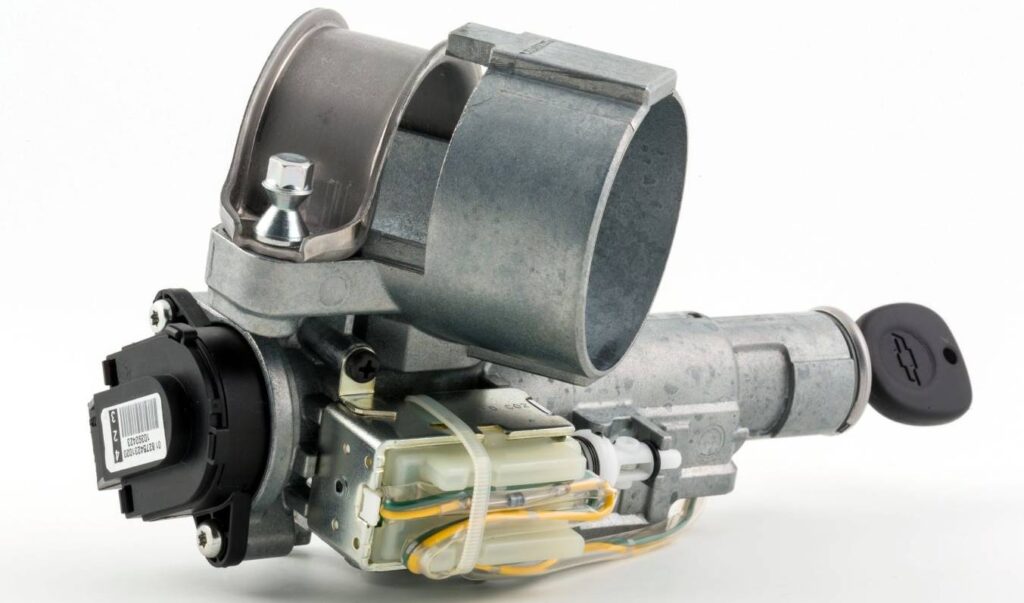
What Is the GM PassLock System?
The GM PassLock system is an electronic anti-theft technology introduced by General Motors in the mid-1990s to help prevent unauthorized vehicle use. Unlike traditional immobilizer systems that rely on a transponder chip embedded inside the key, PassLock authenticates the ignition cylinder itself. This design allowed GM to improve vehicle security while reducing the cost of replacement keys.
The system consists of three primary components: the ignition lock cylinder sensor, the Body Control Module (BCM), and the Engine Control Module (ECM) or Powertrain Control Module (PCM). When you insert and turn the ignition key, the sensor inside the lock cylinder generates a specific voltage signal. The BCM reads this signal and compares it with the value stored in its memory. If the signal matches, the BCM communicates with the ECM, authorizing the fuel injection system and allowing the engine to start normally.
If the BCM detects an incorrect or inconsistent signal, it assumes someone is attempting to steal the vehicle. Instead of enabling the engine, it disables the fuel delivery system or starter operation, depending on the model. At the same time, the Security indicator on the dashboard illuminates or flashes, alerting the driver that the anti-theft system has been activated.
Although PassLock was an effective theft deterrent when first introduced, the system has become increasingly problematic as GM vehicles age. Normal wear on the ignition cylinder, damaged wiring, electrical interference, weak battery voltage, or a failing BCM can all cause incorrect readings. In these situations, the system may mistakenly identify the legitimate owner as an unauthorized user, resulting in an unexpected no-start condition.
Understanding how the PassLock system works is essential before attempting any repair or bypass. Many starting problems that appear to be caused by the battery or starter motor are actually related to communication failures within the anti-theft system. Proper diagnosis can save both time and unnecessary repair costs.
Signs Your GM PassLock System Is Failing
A failing GM PassLock system often produces symptoms that closely resemble other mechanical or electrical problems. Because of this, many vehicle owners replace batteries, starters, or ignition switches before realizing that the anti-theft system is responsible for the no-start condition.
The most recognizable symptom is a flashing or continuously illuminated Security light on the instrument cluster. If this warning light appears while the engine refuses to start, the PassLock system should be one of the first components to inspect.
Another common symptom is an engine that cranks normally but never starts. In this situation, the starter motor operates as expected, but the BCM prevents the fuel injectors from functioning because it cannot verify the ignition signal. The result is a vehicle that appears mechanically healthy but refuses to run.
Some drivers experience intermittent starting problems. The vehicle may start perfectly for several days before unexpectedly becoming immobilized. In many cases, waiting approximately ten to thirty minutes allows the PassLock system to reset temporarily, enabling the engine to start again. While this relearn process can get you back on the road, it does not address the underlying issue.
Other warning signs include random activation of the anti-theft system after replacing the battery, installing a new ignition switch, or disconnecting electrical components. Older vehicles may also develop worn ignition cylinders that produce inconsistent voltage readings, confusing the BCM during the authentication process.
Common symptoms include:
| Symptom | Possible PassLock Cause |
|---|---|
| Security light flashing | Failed authentication |
| Engine cranks but won’t start | Fuel system disabled by BCM |
| Starts after waiting 10–30 minutes | Temporary PassLock relearn |
| Intermittent no-start condition | Worn ignition cylinder sensor |
| Security light stays on while driving | BCM or sensor communication issue |
| No issues with battery or starter | Anti-theft system malfunction |
Recognizing these symptoms early can help prevent unnecessary parts replacement. Before purchasing a new starter motor or fuel pump, it is worth confirming whether the PassLock system is preventing the engine from starting.
Can You Permanently Disable the GM PassLock System?
The short answer is yes, it is technically possible to permanently bypass or disable the GM PassLock system on many vehicles. However, the best approach depends on the vehicle model, the root cause of the failure, and your long-term expectations for reliability and security.
Many owners begin by performing the factory PassLock relearn procedure, which restores communication between the ignition cylinder and the BCM. If the underlying components are still functioning correctly, this solution may resolve the issue without requiring any hardware modifications. Unfortunately, when sensors or wiring continue to deteriorate, the problem often returns.
For recurring failures, some DIY enthusiasts choose to install a resistor bypass that mimics the voltage expected by the BCM. Others prefer an aftermarket PassLock bypass module designed specifically for compatible GM vehicles. In more advanced cases, professional technicians may reprogram or modify the BCM or ECM to eliminate PassLock-related startup interruptions.
While these methods can improve reliability for vehicles suffering from chronic PassLock failures, they also reduce or eliminate one layer of factory theft protection. Disabling the anti-theft system may increase the risk of unauthorized vehicle use if additional security measures are not installed.
Before deciding to permanently disable PassLock, consider the following factors:
- Verify that the issue is truly caused by the PassLock system rather than another electrical or mechanical fault.
- Understand that bypass methods may not work on every GM model or production year.
- Be aware that modifications to factory security systems may affect warranty coverage on newer vehicles, where applicable.
- Check local laws and insurance requirements before altering factory-installed anti-theft equipment.
- Consider whether repairing the failed component offers a better balance between reliability and maintaining the vehicle’s original security features.
For most owners, permanently disabling PassLock should be viewed as a last resort after proper diagnosis confirms that repeated failures are caused by the anti-theft system itself. Choosing the correct solution begins with understanding the available bypass methods, their installation complexity, and the trade-offs associated with each approach.
Method 1: Perform a GM PassLock Relearn Procedure
Before attempting to permanently disable the GM PassLock system, it’s worth trying the factory relearn procedure. In many cases, the problem isn’t caused by a failed anti-theft system but by a temporary loss of communication between the ignition cylinder sensor and the Body Control Module (BCM). A relearn procedure allows the BCM to recognize the correct security code again, restoring normal vehicle operation without replacing any components.
The relearn process is especially useful after replacing the ignition switch, installing a new BCM, disconnecting the battery for an extended period, or repairing electrical wiring related to the ignition system. It can also resolve occasional no-start conditions caused by voltage fluctuations or interrupted communication.
One of the most common procedures is the 10-minute relearn. Insert the ignition key and turn it to the ON position without starting the engine. Leave the key in this position until the Security light stops flashing or turns off, which usually takes around ten minutes. Once the light goes out, switch the ignition off for a few seconds before attempting to start the engine. If the engine starts normally, the relearn was successful.
Some GM vehicles require a more comprehensive 30-minute relearn procedure. This involves repeating the 10-minute cycle three consecutive times before attempting to start the vehicle. Although this process takes longer, it can restore synchronization between the BCM and ECM on models that use stricter security programming.
The relearn procedure requires no special tools and is completely reversible, making it the safest first step for DIY mechanics. However, it should not be viewed as a permanent repair if the underlying hardware has already begun to fail. A worn ignition lock cylinder sensor, damaged wiring harness, or defective BCM will continue to generate incorrect security signals, eventually causing the same problem to return.
If the Security light comes back repeatedly or the vehicle continues to experience intermittent no-start conditions after a successful relearn, further diagnosis is necessary. At that point, many owners begin considering a resistor bypass or an aftermarket PassLock bypass module as a more permanent solution.
Advantages
- Free to perform
- No vehicle modifications required
- Maintains factory anti-theft protection
- Suitable as an initial troubleshooting step
Limitations
- Does not repair defective components
- May only provide a temporary solution
- Repeated relearns often indicate a hardware failure
Method 2: Using a Resistor Bypass
A resistor bypass is one of the most widely discussed methods for permanently bypassing the GM PassLock system on older vehicles. Instead of relying on the ignition cylinder sensor to generate the expected voltage signal, this method uses a fixed resistor that mimics the correct resistance value. The BCM receives a consistent signal and interprets it as a valid authentication, allowing the engine to start normally.
This modification became popular because many PassLock failures are caused by worn sensors inside the ignition lock cylinder rather than problems with the BCM itself. By replacing the fluctuating sensor signal with a stable resistor value, owners can eliminate recurring false security triggers without replacing the entire ignition assembly.
The first step is identifying the correct resistance value for the vehicle. This usually requires measuring the output of the ignition cylinder sensor with a digital multimeter while the system is still functioning correctly. Once the value has been identified, an equivalent resistor can be soldered into the appropriate wiring circuit, effectively replacing the sensor’s signal.
Although the concept is relatively simple, installation requires careful electrical work. Cutting the wrong wire or selecting an incorrect resistor value can leave the vehicle unable to start or create additional electrical problems. For this reason, wiring diagrams specific to the vehicle’s model year should always be consulted before making any modifications.
A resistor bypass may significantly improve reliability on vehicles suffering from chronic PassLock failures, but it also removes part of the factory anti-theft functionality. The BCM will continue receiving the expected signal regardless of whether the ignition cylinder is operating correctly, reducing the effectiveness of the original theft deterrent system.
Before attempting this modification, verify that the ignition sensor is actually the source of the problem. If the BCM itself is failing, installing a resistor is unlikely to solve the issue and may complicate future diagnostics.
Pros
- Low material cost
- Can permanently eliminate sensor-related PassLock failures
- No need to replace the ignition cylinder in many cases
- Popular among experienced DIY mechanics
Cons
- Requires cutting and modifying factory wiring
- Incorrect resistor values can prevent the engine from starting
- Reduces factory theft protection
- Not compatible with every GM vehicle
Method 3: Installing a PassLock Bypass Module
For owners looking for a cleaner and more reliable alternative to a resistor bypass, an aftermarket PassLock bypass module is often the preferred solution. These electronic modules are specifically designed to communicate with the vehicle’s security system and provide the authentication signal required for normal engine operation.
Unlike a simple resistor, a bypass module is engineered to work with the vehicle’s anti-theft circuitry and often includes model-specific programming. Many modules are compatible with a wide range of Chevrolet, GMC, Buick, Pontiac, and Oldsmobile vehicles equipped with PassLock technology, making installation more straightforward than building a custom resistor circuit.
Installation typically involves connecting the module to the ignition wiring and the Body Control Module according to the manufacturer’s instructions. Some products require an initial programming sequence or relearn procedure before they become fully operational. Once configured correctly, the module automatically supplies the appropriate security signal whenever the ignition is turned on.
One advantage of a dedicated bypass module is its ability to provide a more stable and consistent solution than manually wiring resistors. Because these devices are designed specifically for automotive environments, they are generally more resistant to vibration, temperature changes, and electrical interference. Many installers also prefer them because they can simplify troubleshooting if additional electrical issues arise later.
However, not all bypass modules are created equal. Choosing a low-quality product may lead to intermittent communication failures or compatibility problems. Before purchasing a module, verify that it supports your vehicle’s exact make, model, year, and engine configuration. Reading product documentation and installation instructions carefully can prevent unnecessary complications during installation.
Although bypass modules improve reliability for vehicles with recurring PassLock failures, they should not be viewed as a substitute for proper diagnosis. If the BCM, ECM, or wiring harness has suffered significant electrical damage, additional repairs may still be required before the vehicle can operate reliably.
Benefits
- Professional-looking installation
- More reliable than many homemade resistor bypasses
- Compatible with numerous GM models
- Better resistance to electrical interference
Drawbacks
- Higher cost than a resistor bypass
- Installation procedures vary by vehicle
- Some modules require programming or initialization
- Does not repair unrelated BCM or wiring failures
Method 4: BCM or ECM Programming
If repeated relearn procedures and hardware bypass methods fail to solve the problem, reprogramming the Body Control Module (BCM) or Engine Control Module (ECM/PCM) may be the most effective long-term solution. This approach is generally performed by professional technicians or experienced automotive programmers who have access to manufacturer-level diagnostic equipment or specialized tuning software.
Unlike a resistor bypass or aftermarket bypass module, programming modifies the vehicle’s electronic control system rather than adding external components. Depending on the vehicle, a technician may update the BCM software, synchronize the BCM with the ECM, or adjust security-related parameters to eliminate recurring PassLock errors. Some custom tuning services can even disable certain PassLock functions within the engine management software, although this capability varies by model and production year.
Professional programming offers several advantages. Since no factory wiring is cut or modified, the installation appears cleaner and is less likely to introduce additional electrical issues. Software updates may also resolve unrelated BCM communication problems that contribute to intermittent no-start conditions.
However, programming is usually the most expensive option. Costs vary depending on the vehicle model, labor rates, and whether replacement control modules are required. In some situations, a failing BCM must be replaced before programming can be completed successfully. Because modern GM control modules often require security authentication and VIN matching, many programming procedures can only be completed using authorized diagnostic tools.
Before choosing this method, it is important to obtain a complete diagnostic scan. Diagnostic Trouble Codes (DTCs) can reveal whether the PassLock system is truly responsible for the starting issue or if another electrical fault is affecting vehicle operation.
When Professional Programming Makes Sense
- Repeated PassLock failures after multiple repairs
- BCM replacement has already been performed
- Wiring and ignition components test correctly
- Advanced diagnostic equipment is available
- Long-term reliability is a higher priority than minimizing repair costs
GM Vehicles Equipped with PassLock
General Motors installed the PassLock anti-theft system in millions of vehicles from the mid-1990s through the mid-2000s. While later models transitioned to more advanced immobilizer technologies such as PassKey III and transponder-based systems, many older GM vehicles still rely on PassLock for theft deterrence.
The exact implementation varies by model and production year. Some vehicles use PassLock I, while others use PassLock II, each with slight differences in sensor design and BCM communication. As a result, bypass procedures and relearn methods are not always identical across every GM platform.
The following table lists some of the most common vehicles equipped with the PassLock system.
| Brand | Common Models |
|---|---|
| Chevrolet | Silverado, Tahoe, Suburban, Avalanche, TrailBlazer, Malibu, Impala, Monte Carlo, Cavalier, Venture |
| GMC | Sierra, Yukon, Envoy, Jimmy, Sonoma |
| Buick | LeSabre, Century, Regal, Rendezvous, Park Avenue |
| Pontiac | Grand Am, Grand Prix, Bonneville, Sunfire, Aztek |
| Oldsmobile | Alero, Bravada, Intrigue, Silhouette |
| Cadillac | Escalade, DeVille, Seville, Eldorado, CTS (selected early models) |
Keep in mind that not every trim level or production year uses the same anti-theft configuration. Before purchasing replacement parts or attempting a bypass, verify the security system installed in your specific vehicle by consulting the owner’s manual, factory service manual, or VIN-specific repair information.
Owners should also remember that symptoms commonly attributed to PassLock may actually originate from ignition switch failures, damaged wiring, weak batteries, faulty grounds, or malfunctioning control modules. Confirming the root cause before replacing parts can prevent unnecessary expenses.
Common Mistakes to Avoid
Many DIY repairs fail not because the bypass method is incorrect, but because the original problem was never properly diagnosed. Avoiding a few common mistakes can save considerable time, money, and frustration.
One of the biggest mistakes is assuming every no-start condition is caused by the PassLock system. A discharged battery, failed starter motor, defective fuel pump, or damaged crankshaft position sensor can produce similar symptoms. Always perform a complete inspection before focusing on the anti-theft system.
Another common mistake is replacing expensive components without reading diagnostic trouble codes. A simple scan tool can often identify communication errors, BCM faults, or ignition circuit problems that point directly to the source of the issue.
Many owners also install resistor bypasses without measuring the original resistance value. Using an incorrect resistor can create additional security faults or prevent the engine from starting altogether. Every vehicle should be tested individually rather than relying on resistor values found online.
Poor electrical workmanship is another frequent cause of problems. Loose connections, low-quality crimp connectors, exposed wiring, or inadequate insulation can create intermittent faults that are even more difficult to diagnose than the original PassLock failure.
Finally, some vehicle owners permanently disable the anti-theft system without considering the security implications. While eliminating recurring no-start issues can improve reliability, removing factory theft protection may increase the risk of unauthorized vehicle access. If a permanent bypass is necessary, consider supplementing vehicle security with a quality alarm system, steering wheel lock, or GPS tracking device.
Best Practices
- Confirm the fault with diagnostic testing before replacing parts.
- Use wiring diagrams specific to your vehicle model.
- Verify resistor values before installation.
- Disconnect the battery before modifying electrical circuits.
- Test the repair thoroughly before reassembling interior panels.
Frequently Asked Questions
Can I permanently disable the GM PassLock system?
Yes. Several methods, including resistor bypasses, aftermarket bypass modules, and professional BCM or ECM programming, can permanently eliminate PassLock-related starting issues on many GM vehicles. The appropriate method depends on the vehicle model and the underlying cause of the malfunction.
Will disabling PassLock damage my vehicle?
A properly installed bypass should not damage the engine or drivetrain. However, incorrect wiring, poor electrical connections, or incompatible components can create new electrical problems. Always verify compatibility before making modifications.
Does disabling PassLock remove all vehicle security?
It removes or reduces one layer of the factory anti-theft system. Other security features, such as door locks, alarms, or aftermarket security devices, may continue to function depending on the vehicle’s configuration.
Why does my Security light stay on after a bypass?
A Security light may remain illuminated if the BCM still detects a fault or if the bypass procedure was not completed correctly. Reading diagnostic trouble codes is the most effective way to determine the exact cause.
Is replacing the ignition switch better than bypassing PassLock?
If the ignition switch or lock cylinder sensor has failed, replacing the defective component preserves the factory security system and is generally the preferred repair. A bypass is typically considered when repeated failures occur or replacement parts do not provide a lasting solution.
Can a weak battery trigger PassLock problems?
Yes. Low battery voltage can interrupt communication between the BCM and other control modules, occasionally causing false PassLock activation. Checking battery condition and charging system performance should always be part of the diagnostic process.
Conclusion
The GM PassLock system was designed to protect vehicles from theft, but as many GM models have aged, it has also become a common source of frustrating no-start problems. Symptoms such as a flashing Security light, intermittent starting failures, and repeated relearn procedures often indicate that the anti-theft system is no longer operating as intended.
Before deciding to permanently disable the GM PassLock system, begin with a thorough diagnosis. A factory relearn procedure may restore normal operation if the issue is temporary. When hardware failures become recurring, solutions such as a resistor bypass, an aftermarket PassLock bypass module, or professional BCM and ECM programming may provide a more reliable long-term fix.
Each method has its own advantages, installation requirements, and trade-offs. While a permanent bypass can eliminate chronic starting issues, it may also reduce the effectiveness of the factory theft deterrent system. For that reason, owners should carefully weigh reliability against vehicle security before making any modifications.
By understanding how PassLock works and selecting the solution that best matches your vehicle’s condition, you can minimize unexpected breakdowns and restore dependable starting performance. Whether you choose to repair the original components or install a permanent bypass, accurate diagnosis and careful workmanship remain the keys to a successful repair.