A Ford F-150 cam phaser replacement solves problems inside the engine’s variable camshaft timing system. The cam phaser controls the camshaft position during engine operation. It helps the engine adjust valve timing based on speed, load, and driving conditions.
A damaged cam phaser can create several engine problems. Many Ford F-150 owners notice a rattling noise during cold starts. Others experience check engine lights, rough idling, lower power, or reduced fuel economy. These symptoms often appear when the cam phaser cannot maintain accurate camshaft timing.
Ford F-150 models with engines such as the 5.4L Triton V8, 4.6L Triton V8, and other VCT-equipped engines can develop cam phaser issues. The problem usually starts with timing system wear, oil pressure problems, or poor maintenance habits.
This guide explains Ford F-150 cam phaser replacement in detail. It covers failure symptoms, common causes, repair costs, and the replacement process. It also explains when you should replace only the cam phasers and when you should repair additional timing components. This information helps owners choose the right repair solution and protect long-term engine reliability.
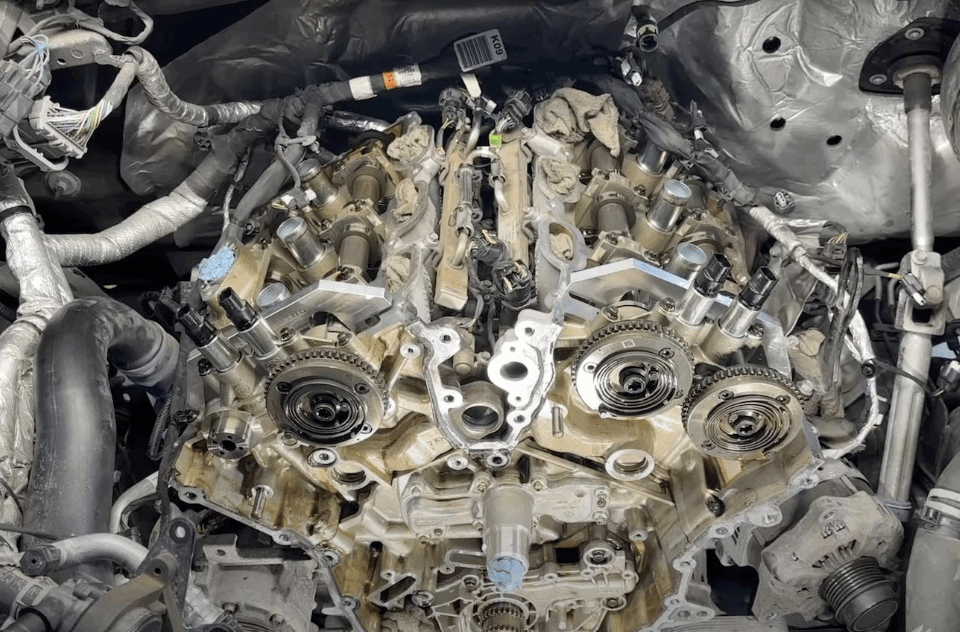
What Is a Cam Phaser in a Ford F-150 and How Does It Work?
A cam phaser is a mechanical component that adjusts the position of the camshaft inside a Ford F-150 engine. It works as part of the Variable Camshaft Timing (VCT) system, which allows the engine to change valve timing during different driving conditions. The cam phaser helps the engine open and close intake and exhaust valves at the correct moment to improve power, efficiency, and emissions control.
The engine control module (ECM) manages cam phaser movement by controlling oil pressure through the VCT system. When driving conditions change, the ECM sends signals to adjust the camshaft position. The cam phaser then rotates the camshaft slightly to change valve timing. This process allows the engine to perform efficiently during acceleration, cruising, and idle conditions.
The Ford F-150 uses cam phaser technology in several engines, including the 5.4L Triton V8, 4.6L Triton V8, and other engines equipped with variable valve timing systems. These engines depend on precise timing control because small changes in camshaft position can affect combustion quality. A properly working cam phaser keeps the engine timing accurate and maintains smooth operation.
A cam phaser does not work alone. It operates with other timing components, including the timing chain, timing chain tensioner, timing chain guides, camshaft, and VCT solenoids. These parts create a complete timing system that controls how the engine breathes and produces power.
When a cam phaser starts to fail, the engine may lose timing accuracy. The ECM may detect incorrect camshaft positions and store diagnostic trouble codes such as P0012 or P0022. Understanding how the cam phaser works helps Ford F-150 owners recognize why replacement becomes necessary when timing problems appear.
What Are the Symptoms of a Bad Ford F-150 Cam Phaser?
A bad Ford F-150 cam phaser creates noticeable changes in engine operation because it affects camshaft timing accuracy. The engine depends on precise valve timing to maintain proper combustion. When the cam phaser cannot adjust or hold the correct position, the engine may show several warning signs that indicate a timing system problem.
One of the most common symptoms is a rattling noise during cold starts. The noise usually comes from the front area of the engine and appears for a few seconds after startup. A worn cam phaser may fail to lock into the correct position before oil pressure builds. This allows unwanted movement between the camshaft and timing components, creating a noticeable rattling sound.
A check engine light is another common indicator of cam phaser failure. The engine control module monitors camshaft timing and compares the actual position with the expected position. When the system detects incorrect timing movement, it may store diagnostic trouble codes such as P0012 or P0022. These codes usually indicate that the camshaft timing has moved too far or has not reached the commanded position.
A failing cam phaser can also cause rough idle and reduced engine performance. Incorrect valve timing affects the amount of air entering and leaving the combustion chamber. As a result, the engine may experience unstable idle quality, slower acceleration, or reduced fuel efficiency. Drivers may notice that the truck feels less responsive during normal driving.
Some Ford F-150 owners also experience poor fuel economy when cam phaser problems develop. The engine uses more fuel when it cannot maintain efficient combustion timing. The ECM may attempt to compensate for incorrect timing signals, but this correction cannot fully restore normal operation when mechanical components wear out.
Early diagnosis helps prevent additional timing system damage. A faulty cam phaser can affect related components such as the timing chain, tensioners, and guides if the problem continues for an extended period. Identifying these symptoms early allows owners to repair the issue before it becomes a more expensive engine repair.
What Causes Ford F-150 Cam Phaser Failure?
Ford F-150 cam phaser failure usually happens because the timing system cannot maintain the correct camshaft position. The cam phaser depends on clean engine oil, stable oil pressure, and properly functioning timing components. When these systems develop problems, the cam phaser may lose accuracy and create engine timing issues.
Low engine oil quality is one of the main causes of cam phaser problems. The VCT system uses engine oil pressure to move and control the cam phaser. Old, contaminated, or incorrect oil can restrict oil flow through small passages inside the system. This reduces the cam phaser’s ability to adjust properly and may create delayed timing responses.
Poor oil maintenance can also accelerate cam phaser wear. Ford F-150 engines require regular oil changes because the timing system depends heavily on clean lubrication. When owners extend oil change intervals beyond manufacturer recommendations, sludge and deposits can develop inside the engine. These deposits can affect VCT solenoids and reduce cam phaser performance.
Timing chain wear creates another common cause of cam phaser failure. The cam phaser works together with the timing chain, guides, and tensioners to maintain precise engine timing. As the timing chain stretches or the tensioners lose their ability to maintain pressure, the camshaft position can become unstable. This extra movement increases stress on the cam phaser.
Certain Ford F-150 engines, especially some 5.4L Triton V8 models, have become known for timing system concerns. These issues often involve a combination of cam phaser wear, timing chain problems, and oil pressure conditions. However, regular maintenance and early diagnosis can reduce the risk of major timing system damage.
Understanding the cause of cam phaser failure helps owners choose the correct repair approach. Replacing only the cam phasers may solve the problem in some cases, but worn timing components may require additional repairs to prevent the same failure from returning.
How Much Does Ford F-150 Cam Phaser Replacement Cost?
The cost of Ford F-150 cam phaser replacement depends on several factors, including the engine type, parts quality, labor time, and the condition of related timing components. Most repairs require significant engine access because technicians must remove multiple components to reach the cam phasers. As a result, labor often represents a large portion of the total repair cost.
A typical Ford F-150 cam phaser replacement can cost between $1,500 and $3,500 depending on the vehicle model and repair requirements. The final price changes when the technician finds additional timing system problems during inspection. Trucks with more complex engine layouts or additional damaged components usually require more labor and parts.
The cost of cam phaser parts varies based on the type of replacement component. OEM Ford cam phasers usually cost more because they follow the original manufacturer specifications and provide direct compatibility. Aftermarket cam phasers may reduce upfront expenses, but owners should consider product quality and long-term reliability before choosing a lower-cost option.
Labor costs increase because cam phaser replacement requires access to the engine timing system. Technicians may need to remove valve covers, timing covers, and other engine components before replacing the failed parts. Proper timing alignment also requires careful installation because incorrect positioning can create serious engine performance problems.
Many professional repairs include additional timing components during cam phaser replacement. These components may include timing chains, timing chain guides, tensioners, and VCT solenoids. Replacing worn parts at the same time can increase the initial repair cost, but it can reduce the chance of repeated labor expenses in the future.
A complete diagnosis helps determine whether a Ford F-150 needs only cam phaser replacement or a larger timing system repair. A technician should inspect the entire timing system before providing a final estimate because replacing only one damaged component may not solve the underlying problem.
How Is Ford F-150 Cam Phaser Replacement Performed?
Ford F-150 cam phaser replacement requires a detailed repair process because the component sits inside the engine timing system. A technician must maintain precise timing alignment throughout the repair. Incorrect installation can create serious engine problems because the camshaft and crankshaft must work together at the correct position.
The first step involves diagnosing the actual cause of the timing problem. A technician uses an OBD-II scanner to check stored trouble codes such as P0012 or P0022. The inspection also includes reviewing camshaft timing data, checking oil pressure, and evaluating related components such as the VCT solenoids and timing chain system.
After confirming cam phaser failure, the technician prepares the engine for repair. The process usually requires removing components that block access to the timing system, including covers, valve covers, and other related engine parts. The engine must remain in the correct timing position before removing the old cam phasers.
The next step involves removing the damaged cam phasers and inspecting surrounding timing components. The technician checks the timing chain, guides, tensioners, and sprockets for signs of wear. If these components show damage or excessive movement, replacing them during the same repair can prevent future timing problems.
The replacement cam phasers are then installed according to the manufacturer’s specifications. The technician aligns the timing marks, secures the components, and verifies that the camshaft and crankshaft maintain the correct relationship. This step requires accuracy because even a small timing error can affect engine performance.
After installation, the technician completes a final inspection and starts the engine to confirm proper operation. The repair process includes checking for abnormal noises, clearing diagnostic codes, and verifying that the VCT system responds correctly. A complete testing procedure ensures that the Ford F-150 returns to normal engine performance after cam phaser replacement.
Can You Drive a Ford F-150 With a Bad Cam Phaser?
You can drive a Ford F-150 with a bad cam phaser for a short period, but continuing to operate the truck without repair can increase the risk of additional engine damage. A failing cam phaser affects the engine’s variable camshaft timing system, which controls how the valves open and close during combustion. When this timing becomes inaccurate, the engine cannot operate at its designed efficiency.
A mild cam phaser problem may only create a temporary rattling noise during cold starts. However, the condition can become worse as internal components continue to wear. A damaged cam phaser can create unstable camshaft movement, which increases stress on the timing chain, guides, and tensioners. These additional problems can turn a single component replacement into a larger timing system repair.
Driving with a faulty cam phaser can also reduce engine performance. The truck may experience rough idle, slower acceleration, poor fuel economy, or inconsistent power delivery. The engine control module may adjust operation to compensate for incorrect timing signals, but these adjustments cannot fix mechanical damage inside the timing system.
Immediate inspection becomes more important when the Ford F-150 shows serious warning signs. A loud rattling sound, persistent check engine light, repeated timing-related trouble codes, or noticeable loss of power indicates that the engine requires professional diagnosis. These symptoms often suggest that the cam phaser problem has progressed beyond an early stage.
Repairing a bad cam phaser at the right time helps protect other engine components and prevents unnecessary repair costs. A complete inspection allows technicians to determine whether the issue only affects the cam phasers or involves the entire timing system.
Should You Replace Only the Cam Phasers or the Entire Timing System?
The decision to replace only the cam phasers or the entire timing system depends on the condition of the related engine components. A Ford F-150 cam phaser replacement does not always require a complete timing system repair. However, many technicians inspect surrounding components because cam phaser problems often appear together with timing chain wear and other mechanical issues.
Replacing only the cam phasers makes sense when the timing chain system remains in good condition. If the timing chain has proper tension, the guides show minimal wear, and the tensioners maintain correct pressure, replacing the damaged cam phasers may restore normal engine operation. This approach reduces repair costs while addressing the specific failed component.
A complete timing system replacement becomes necessary when other parts show signs of damage. The timing chain, guides, and tensioners work together with the cam phasers to maintain accurate valve timing. A stretched timing chain or worn tensioner can prevent new cam phasers from operating correctly. Installing new cam phasers without repairing these problems may cause the same symptoms to return.
Many Ford F-150 owners choose a complete timing repair when the engine has high mileage or shows multiple timing-related symptoms. Replacing several worn components during one repair can reduce future labor costs because technicians already have access to the timing system. This approach can provide better long-term reliability compared with replacing individual parts repeatedly.
A proper inspection determines the best repair option for each truck. The technician should evaluate the cam phasers, timing chain condition, oil pressure, VCT system, and engine history before recommending a solution. This prevents unnecessary repairs and ensures that the replacement strategy matches the actual condition of the Ford F-150 engine.
How Can You Prevent Ford F-150 Cam Phaser Problems?
Preventing Ford F-150 cam phaser problems starts with maintaining the engine oil system and monitoring early warning signs. The cam phaser depends on clean oil and stable oil pressure to adjust camshaft timing correctly. Proper maintenance reduces wear inside the VCT system and helps the engine maintain accurate timing performance.
Regular oil changes are one of the most important steps to protect cam phasers. Old engine oil can collect dirt, sludge, and deposits that restrict oil flow through the VCT system. Using the correct oil type and following the recommended maintenance schedule helps maintain proper lubrication for the cam phasers, timing chain, and other engine components.
Monitoring unusual engine sounds can also prevent major timing repairs. A short rattling noise during cold starts may indicate early cam phaser or timing system wear. Addressing this symptom quickly allows technicians to diagnose the problem before damaged components create additional engine issues.
Ford F-150 owners should also pay attention to warning lights and performance changes. A check engine light, rough idle, reduced power, or poor fuel economy may indicate incorrect camshaft timing. Early diagnostic testing can identify problems with the cam phasers, VCT solenoids, or timing components before the repair becomes more expensive.
Maintaining the complete timing system is important for long-term reliability. The timing chain, guides, tensioners, and cam phasers work together as one system. Replacing worn components before failure helps prevent repeated repairs and protects engine performance.
A consistent maintenance routine provides the best protection against Ford F-150 cam phaser failure. Clean oil, early diagnosis, and proper inspection help extend the life of the engine timing system and reduce the chance of unexpected repair costs.
Ford F-150 Cam Phaser Replacement: Final Considerations
A Ford F-150 cam phaser replacement restores proper control over the engine’s variable camshaft timing system when the cam phasers cannot maintain accurate timing adjustments. The cam phaser plays an important role in engine performance because it controls camshaft position, valve timing, and combustion efficiency.
Recognizing early symptoms helps prevent larger engine problems. Common warning signs include cold start rattling, check engine lights, timing-related trouble codes, rough idle, and reduced fuel economy. These symptoms indicate that the timing system requires inspection before additional components suffer damage.
The repair cost depends on the condition of the entire timing system. Some trucks only need new cam phasers, while others require replacement of timing chains, guides, tensioners, or related VCT components. A complete diagnosis helps determine the most effective repair solution and prevents unnecessary expenses.
Proper maintenance remains the best way to reduce future cam phaser problems. Regular oil changes, correct oil specifications, and early attention to engine warning signs help protect the timing system and extend engine reliability.
Ford F-150 owners should treat cam phaser issues as a timing system concern rather than an isolated component failure. A professional inspection provides accurate information about the repair needed and helps ensure the engine continues to operate efficiently for many miles.