A 6.7 Power Stroke CP4 upgrade helps prevent fuel system failure. It reduces the risk of CP4 pump damage, fuel contamination, and expensive injector repairs.
The Bosch CP4 high pressure fuel pump creates a reliability concern in many 6.7L Power Stroke diesel engines. The pump uses diesel fuel for lubrication during operation. When the pump wears internally, it can release metal debris into the fuel system.
This failure affects more than the fuel pump. Metal contamination can damage fuel rails, injectors, and other fuel system components. A single CP4 failure can become a complete fuel system repair.
A CP4 upgrade gives truck owners a preventive solution. It helps protect the fuel system during towing, heavy duty use, and high mileage operation. Many owners choose this upgrade before the original pump fails.
This guide explains why the 6.7 Power Stroke needs a CP4 upgrade. It covers failure causes, upgrade options, protection benefits, and key factors for choosing the right solution.
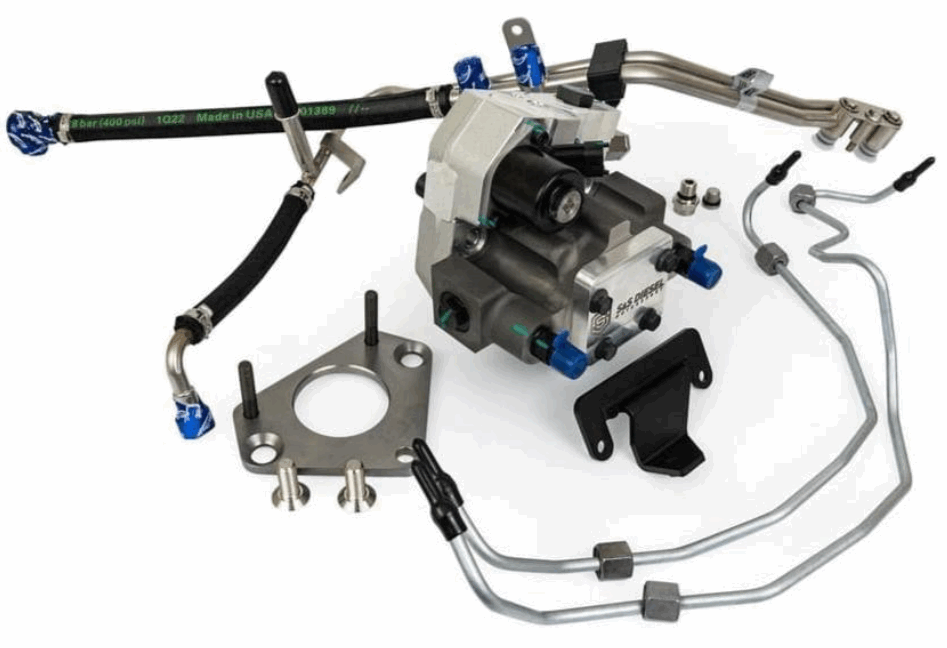
Why Does the 6.7 Power Stroke Need a CP4 Upgrade?
A 6.7 Power Stroke needs a CP4 upgrade because the original CP4 high pressure fuel pump can create a major fuel system risk when it fails. The CP4 pump plays a critical role in the diesel injection system because it generates the high fuel pressure required for precise injector operation. Without proper fuel pressure, the engine cannot maintain efficient combustion and reliable performance.
The Bosch CP4 pump uses diesel fuel for lubrication and cooling during operation. This design creates a potential weakness when fuel quality decreases or when the pump experiences excessive wear. Low lubricity fuel, contaminated diesel, or long term mechanical stress can increase internal friction between pump components. Over time, this friction can damage the pump and create metal particles inside the fuel system.
The main concern with CP4 failure is fuel contamination. When internal pump components wear down, the metal debris can move through the fuel rails, injectors, and other high pressure components. Unlike a simple pump replacement, this type of failure can require extensive fuel system repairs because multiple components may receive contaminated fuel.
A CP4 upgrade addresses this reliability concern by adding protection before the original pump creates a larger problem. Truck owners who use their 6.7 Power Stroke for towing, commercial work, or high mileage driving often consider this upgrade because fuel system repairs can become significantly more expensive after contamination occurs.
The upgrade decision depends on the truck’s usage, maintenance history, and reliability goals. Understanding how the CP4 system works helps owners recognize why preventive protection matters before a failure happens.
How Does a CP4 Pump Failure Damage the 6.7 Power Stroke Fuel System?
A CP4 pump failure damages the 6.7 Power Stroke fuel system because the pump can spread metal contamination through the entire high pressure fuel delivery system. The failure starts inside the pump, but the damage can extend to other expensive components such as fuel injectors, fuel rails, and fuel lines.
The CP4 pump contains internal moving parts that require proper lubrication to operate correctly. When these components experience excessive wear, they create small metal particles. The fuel system then carries these particles through the injection pathway. Because the 6.7 Power Stroke uses a common rail injection system, contaminated fuel can quickly reach multiple fuel components.
Fuel injectors face the highest risk after CP4 failure because they require extremely precise operation. The injector system controls fuel timing, spray pattern, and combustion efficiency. Metal debris can damage injector surfaces and reduce their ability to deliver accurate fuel amounts. This problem can lead to poor engine performance, hard starting, reduced power, and additional repair requirements.
The fuel rail and high pressure fuel lines can also collect contamination after a pump failure. Cleaning these components often requires specialized procedures, and some parts may need replacement depending on the level of damage. A repair that starts with one failed fuel pump can become a complete fuel system restoration.
A CP4 upgrade helps reduce this risk by adding protection before contamination reaches critical components. Preventing fuel system damage usually costs less than repairing multiple failed diesel components after a CP4 pump failure.
What Are the Benefits of Installing a 6.7 Power Stroke CP4 Upgrade?
A 6.7 Power Stroke CP4 upgrade improves fuel system reliability by reducing the risk of expensive damage caused by CP4 pump failure. The main benefit comes from protecting critical fuel components before metal contamination spreads through the diesel injection system.
The first benefit is better fuel system protection. A CP4 upgrade helps limit the impact of pump failure by adding a preventive layer between the high pressure fuel pump and other sensitive components. This protection helps reduce the chance of damage to fuel injectors, fuel rails, and related fuel system parts.
The second benefit is improved long term reliability. Many 6.7 Power Stroke owners use their trucks for demanding applications such as towing trailers, hauling heavy loads, and operating at high mileage. These conditions place additional stress on the fuel system. A protective upgrade helps owners maintain confidence during situations where fuel system failure could create significant downtime.
The third benefit is lower repair risk. A failed CP4 pump can require replacement of multiple fuel system components. Preventing contamination before it spreads can help reduce the possibility of a large repair expense. The upgrade does not eliminate every fuel system issue, but it addresses one of the most serious risks associated with the original CP4 design.
A CP4 upgrade also supports modified diesel trucks. Owners who increase engine power or use their trucks for performance applications often place greater demands on fuel delivery. A stronger fuel system foundation helps the 6.7 Power Stroke handle these demands more effectively.
For daily drivers, work trucks, and towing vehicles, a CP4 upgrade represents a reliability investment. It focuses on protecting the fuel system, maintaining engine performance, and reducing the consequences of a potential pump failure.
What Types of CP4 Upgrade Solutions Are Available for the 6.7 Power Stroke?
A 6.7 Power Stroke owner can choose different CP4 upgrade solutions based on reliability goals, truck usage, and fuel system protection needs. The two main approaches include CP4 disaster prevention systems and CP3 conversion systems. Each option addresses CP4 reliability concerns in a different way.
A CP4 disaster prevention system focuses on reducing the damage caused by a failing CP4 pump. This type of upgrade creates a protective strategy that helps prevent metal contamination from damaging the entire fuel system. The system allows owners to respond to a potential pump failure before the contamination reaches expensive components such as injectors and fuel rails.
A CP3 conversion system replaces the original CP4 pump with a Bosch CP3 high pressure fuel pump design. The CP3 pump has a long history in diesel applications because of its durability and strong reliability reputation. Many diesel owners choose this conversion when they want a long term fuel system solution for heavy towing, performance upgrades, or high mileage operation.
The right solution depends on the purpose of the truck. A daily driven 6.7 Power Stroke may require a different approach than a modified truck used for towing or performance applications. Owners should consider factors such as vehicle mileage, power level, driving conditions, and future maintenance plans before selecting an upgrade.
Both upgrade options focus on the same goal: improving fuel system reliability and reducing the risk of expensive CP4 related failures. Understanding the difference between these solutions helps truck owners choose an upgrade that matches their specific needs.
How Do You Choose the Right 6.7 Power Stroke CP4 Upgrade?
Choosing the right 6.7 Power Stroke CP4 upgrade depends on the truck’s purpose, operating conditions, and reliability goals. The best upgrade is not always the most expensive option. It is the solution that matches how the vehicle operates and the level of fuel system protection the owner needs.
The first factor to consider is the truck’s usage. A 6.7 Power Stroke used for daily commuting has different requirements compared to a truck that regularly pulls heavy trailers or carries commercial loads. Towing creates higher engine demand, which increases the importance of maintaining a reliable fuel delivery system.
The second factor is the truck’s mileage and maintenance history. A high mileage truck with an original CP4 pump may have a higher need for preventive protection. Owners should evaluate the condition of the existing fuel system before choosing an upgrade because previous contamination or fuel system problems can influence the best solution.
The third factor is the truck’s performance level. Modified 6.7 Power Stroke engines often require stronger fuel system support because increased power output can create additional fuel delivery demands. Trucks with aftermarket tuning, larger injectors, or upgraded turbocharger systems may benefit from a more comprehensive fuel system upgrade.
The fourth factor is installation requirements and long term ownership plans. Some owners prefer a solution that provides immediate protection, while others choose a complete conversion for maximum reliability over many years of ownership.
A proper CP4 upgrade decision requires evaluating the entire vehicle instead of focusing only on the fuel pump. Considering usage, mileage, performance goals, and future plans helps owners select a solution that provides the right balance between protection, cost, and reliability.
When Should You Install a CP4 Upgrade on a 6.7 Power Stroke?
The best time to install a CP4 upgrade on a 6.7 Power Stroke is before the original CP4 pump fails. A preventive upgrade protects the fuel system before metal contamination spreads to expensive components such as injectors, fuel rails, and fuel lines.
Many owners wait until they notice performance problems before upgrading their fuel system. However, CP4 failure can develop internally without obvious warning signs. The pump may continue operating while internal wear increases and creates contamination risks. Once metal debris enters the fuel system, the repair process becomes more complex and expensive.
High mileage trucks often represent a strong case for preventive CP4 protection. As the fuel pump accumulates operating hours, internal components experience more wear. Owners who plan to keep their 6.7 Power Stroke for many years can install an upgrade before the original pump reaches a higher failure risk period.
Towing and commercial use also increase the importance of early installation. Heavy loads require consistent fuel delivery and place additional demand on the engine and fuel system. A fuel system failure during towing or work operations can create significant downtime and repair challenges.
Modified trucks should also consider CP4 protection before increasing performance levels. Additional power often increases fuel system demand, making reliability upgrades more important for long term operation.
A CP4 upgrade works best as a preventive maintenance decision rather than a reaction to failure. Installing the system before problems appear gives owners better protection and helps maintain the reliability of their 6.7 Power Stroke.
How Much Does a 6.7 Power Stroke CP4 Upgrade Cost?
The cost of a 6.7 Power Stroke CP4 upgrade depends on the upgrade type, vehicle model year, installation requirements, and supporting fuel system components. Owners should evaluate the total protection value instead of comparing only the initial purchase price because CP4 failure can create much higher repair costs.
A CP4 disaster prevention system usually costs less than a complete fuel system conversion because it focuses on limiting damage after a pump failure. The final cost depends on the system design, included components, and installation complexity. Some solutions focus on contamination control, while others add additional monitoring or protection features.
A CP3 conversion generally requires a larger investment because it replaces the original CP4 pump with a different high pressure fuel pump system. The conversion process may involve additional parts, labor, and fuel system adjustments. However, many owners choose this option because they want a long term reliability solution for demanding applications.
Installation labor also affects the total upgrade cost. A professional installation may include fuel system inspection, component replacement, system testing, and calibration procedures. These additional services help ensure that the upgraded fuel system operates correctly after installation.
The cost of a CP4 upgrade should also be compared with the potential expense of a complete fuel system failure. A damaged fuel system can require replacement of multiple components, including injectors, fuel rails, and fuel lines. Investing in preventive protection can help reduce the financial impact of a major failure.
For most 6.7 Power Stroke owners, the right upgrade depends on their truck’s usage, reliability expectations, and long term ownership plans. A proper evaluation helps determine whether a protection system or a complete CP3 conversion provides better value.
Conclusion
A 6.7 Power Stroke CP4 upgrade protects the fuel system by addressing one of the most serious reliability concerns in modern diesel trucks. The original CP4 high pressure fuel pump can create significant damage when internal wear produces metal contamination that reaches injectors, fuel rails, and other fuel system components.
The right upgrade solution depends on how the truck operates. Daily drivers may need preventive protection against unexpected failures, while towing trucks, commercial vehicles, and modified engines often require stronger fuel system reliability for demanding conditions. CP4 disaster prevention systems and CP3 conversion systems provide different approaches, but both focus on reducing the consequences of fuel pump failure.
Installing a CP4 upgrade before failure occurs gives 6.7 Power Stroke owners better control over maintenance costs and long term vehicle reliability. Instead of responding to a complete fuel system failure, owners can protect critical components before contamination creates expensive repairs.
A reliable fuel system supports consistent engine performance, towing confidence, and extended ownership value. For Ford 6.7 Power Stroke owners who want to reduce fuel system risks, a CP4 upgrade represents a preventive investment in diesel reliability.