Ford Extended Warranty cost depends on several factors. The main factors include vehicle model, mileage, coverage level, contract length, and deductible choice.
Ford does not offer one fixed extended warranty price for every vehicle. Each owner receives different pricing because every vehicle has a different repair risk. A newer Ford with lower mileage usually costs less to cover than an older vehicle with higher mileage.
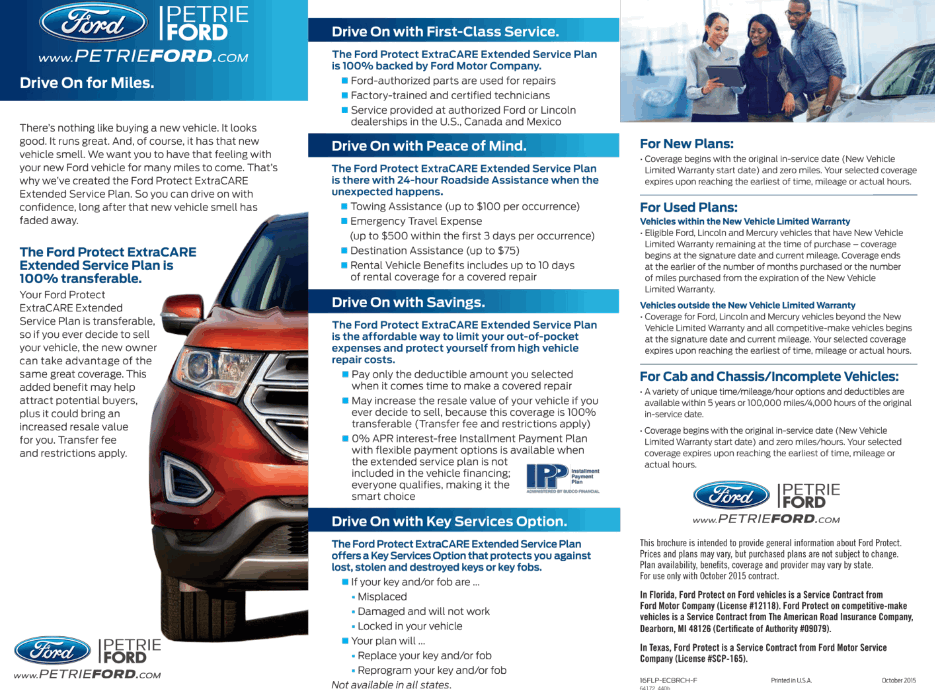
The Ford Protect Extended Service Plan gives owners additional protection after the factory warranty ends. It helps cover unexpected repair expenses for important vehicle systems, including the engine, transmission, electrical components, and advanced technology features.
Many Ford owners consider an extended warranty because major repairs can create unexpected financial pressure. However, the value of a warranty depends on the vehicle condition, ownership period, and expected repair costs.
This guide explains Ford Extended Warranty pricing, coverage options, factors that affect cost, and situations where purchasing additional protection makes financial sense.
How Much Does a Ford Extended Warranty Cost?
A Ford Extended Warranty usually costs between $1,000 and $4,000, depending on the vehicle, coverage level, mileage, and contract terms. Basic protection plans cost less because they cover fewer components, while comprehensive plans cost more because they protect a wider range of vehicle systems. The final price depends on the level of financial protection a Ford owner wants.
The Ford Protect Extended Service Plan does not have a standard price for every vehicle. Ford calculates warranty pricing based on the expected repair risk of each vehicle. A Ford F 150 with low mileage may have a different warranty cost compared with a Ford Explorer that has higher mileage and more advanced electronic systems.
Coverage level creates one of the largest differences in Ford Extended Warranty pricing. A powertrain focused plan usually costs less because it protects essential components such as the engine and transmission. A premium coverage plan costs more because it includes additional systems, such as electrical components, climate control systems, and advanced vehicle technology.
Contract length and mileage limits also affect the total warranty price. A plan that provides protection for several years and higher mileage limits usually requires a higher payment because it covers more potential repair situations. Owners who plan to keep their Ford vehicles for a long period often choose longer coverage terms to reduce future repair uncertainty.
The deductible amount also changes the warranty cost. A lower deductible usually increases the upfront warranty price because the provider takes on more repair costs during claims. A higher deductible can reduce the initial cost but requires the owner to pay more when a covered repair occurs.
Understanding these pricing factors helps Ford owners evaluate whether an extended warranty matches their ownership plans. The lowest price does not always provide the best value because the right warranty should balance coverage, repair risk, and expected vehicle usage.
What Factors Affect Ford Extended Warranty Cost?
Ford Extended Warranty cost changes because several vehicle and contract factors influence the level of risk. The main factors include vehicle model, mileage, vehicle age, coverage level, contract duration, and deductible selection. Understanding these factors helps owners identify why two Ford vehicles can receive different warranty prices.
Vehicle model has a direct impact on extended warranty pricing because different Ford models have different repair costs. A Ford F 150, Ford Explorer, and Ford Mustang do not have the same maintenance requirements or replacement expenses. Vehicles with advanced technology, complex mechanical systems, or higher repair costs usually require more expensive warranty protection.
Mileage is another important factor that affects Ford Extended Warranty cost. A vehicle with lower mileage usually has fewer signs of wear and a lower chance of immediate mechanical failure. In contrast, a Ford vehicle with higher mileage has experienced more component usage, which increases the possibility of future repairs. Warranty providers consider mileage because older components have a higher probability of needing replacement.
Vehicle age also influences pricing because older vehicles often require more maintenance and repairs. A Ford owner who purchases extended coverage before the factory warranty expires usually has access to more coverage options. Older vehicles may have fewer available plans because warranty providers evaluate the remaining useful life of major components.
Coverage level determines how much protection the warranty provides and how much the owner pays. A basic powertrain plan focuses on essential mechanical components, while comprehensive plans include more vehicle systems. Broader coverage creates a higher warranty cost because the plan protects against a larger number of potential repair events.
Contract length and mileage limits affect the total price because longer protection periods increase the number of situations covered by the warranty. Owners who expect to keep their Ford vehicle for many years often choose longer plans because they want predictable repair expenses.
The deductible choice also changes Ford Extended Warranty pricing. A lower deductible reduces the amount an owner pays during a repair visit but usually increases the initial warranty cost. A higher deductible lowers the purchase price but requires a larger payment when a covered repair occurs.
What Does a Ford Extended Warranty Cover?
A Ford Extended Warranty covers specific vehicle components that may require expensive repairs after the original factory warranty expires. The exact protection depends on the Ford Protect Extended Service Plan selected by the owner. Comprehensive plans cover more systems, while basic plans focus on essential mechanical components.
The most important coverage area includes the engine and transmission. These components represent some of the highest repair costs in a vehicle. An engine failure or transmission problem can require thousands of dollars in repairs because technicians may need extensive labor hours and expensive replacement parts.
Ford Extended Warranty plans can also cover electrical and technology components. Modern Ford vehicles use advanced systems that control safety, performance, and convenience features. These systems include sensors, electronic modules, touchscreen displays, and driver assistance technology. Repairs for these components can become expensive because many systems require specialized diagnostic equipment and trained technicians.
Some Ford Protect plans include coverage for additional vehicle systems, such as air conditioning, steering, suspension, fuel systems, and braking components. Premium coverage options provide broader protection because they include more mechanical and electrical parts compared with basic powertrain plans.
However, Ford Extended Warranty coverage does not include every vehicle expense. Routine maintenance services, such as oil changes, tire replacement, brake pad replacement, and regular inspections, are usually the owner’s responsibility. The warranty focuses on unexpected mechanical failures rather than normal wear and maintenance.
Understanding coverage details helps Ford owners compare warranty cost with potential repair expenses. A lower priced plan may provide limited protection, while a more comprehensive plan may offer better financial protection for owners who want to keep their vehicles for many years.
The value of Ford Extended Warranty depends on matching the coverage level with the vehicle’s condition, expected usage, and future ownership plans. A driver with a high mileage Ford vehicle may benefit from broader protection because the probability of expensive repairs increases over time.
Is Ford Extended Warranty Worth the Cost?
A Ford Extended Warranty is worth the cost when the protection matches the vehicle’s repair risk and the owner’s long term plans. The value does not come from avoiding every maintenance expense. The value comes from reducing the financial impact of unexpected repairs that can cost thousands of dollars.
Ford owners who plan to keep their vehicles for many years often receive more value from extended warranty coverage. As vehicles become older, components such as transmissions, electronic modules, cooling systems, and advanced safety features may require expensive repairs. A warranty helps owners manage these unpredictable costs with a planned payment instead of facing a large repair bill at once.
High mileage drivers can also benefit from Ford Extended Warranty protection. Vehicles used for long daily commutes, business purposes, or frequent road trips experience more component wear. A comprehensive warranty plan can provide additional financial security when repair risks increase.
However, an extended warranty may not provide the same value for every Ford owner. Drivers who replace their vehicles after a short ownership period may not use enough coverage to justify the warranty price. Owners with reliable vehicles and sufficient savings for unexpected repairs may prefer to manage repair costs themselves.
The vehicle model also affects warranty value. A Ford model with expensive replacement parts or complex technology may benefit more from additional protection. For example, repairing advanced electrical systems or replacing major drivetrain components can create significant expenses compared with smaller mechanical repairs.
Ford Extended Warranty value depends on comparing the warranty price with the potential cost of future repairs. Owners should evaluate their vehicle condition, expected ownership period, repair tolerance, and financial goals before choosing a plan.
A warranty is not designed to create savings in every situation. It works as a risk management tool that provides predictable protection against uncertain repair expenses. For many Ford owners, this protection creates peace of mind and helps maintain control over long term vehicle ownership costs.
How Does Ford Extended Warranty Cost Compare With Repair Costs?
Ford Extended Warranty cost becomes easier to evaluate when compared with the price of unexpected vehicle repairs. A warranty transfers the financial risk of major mechanical failures from the vehicle owner to the warranty provider. Instead of paying a large repair bill after a breakdown, the owner pays for protection in advance.
Major Ford repairs can create significant expenses because modern vehicles contain complex mechanical and electronic systems. Engine repairs, transmission replacements, electrical module failures, and advanced technology repairs often require expensive parts and specialized labor. A single major repair can cost more than the price of an extended warranty plan.
Transmission repairs represent one of the most expensive repair categories for many vehicles. A transmission replacement requires skilled labor and costly components, which can create a repair bill of several thousand dollars. An extended warranty that covers transmission components can reduce the financial impact of this type of failure.
Engine repairs can also create high ownership costs. Problems involving internal engine components, turbochargers, cooling systems, or fuel delivery systems may require extensive diagnostic work and replacement parts. Owners who keep their Ford vehicles beyond the factory warranty period may face higher repair risks as mileage increases.
Electrical and technology repairs have become more important because modern Ford vehicles include advanced systems. Features such as driver assistance technology, digital displays, sensors, and electronic control modules improve the driving experience but can increase repair complexity. Replacing these components often requires specialized equipment and trained technicians.
Comparing warranty cost with potential repair expenses helps owners understand the purpose of extended protection. A Ford Extended Warranty does not guarantee that owners will spend less money in every situation. Instead, it provides financial predictability by reducing the risk of unexpected high repair costs.
The best decision depends on the vehicle’s expected repair risk, ownership duration, and personal financial situation. Owners who prefer predictable expenses may find extended warranty coverage valuable, while owners who can comfortably handle unexpected repair bills may choose different protection strategies.
When Is the Best Time to Buy a Ford Extended Warranty?
The best time to buy a Ford Extended Warranty is usually before the original factory warranty expires. Purchasing coverage while the vehicle still has lower mileage and a remaining factory warranty period often provides more available plan options and better pricing. Ford owners who wait until the vehicle becomes older may face higher costs because the vehicle represents a greater repair risk.
A newer Ford vehicle gives owners more flexibility when selecting extended warranty coverage. Warranty providers evaluate factors such as mileage, vehicle condition, and previous warranty history when determining eligibility and pricing. A vehicle with fewer miles usually has fewer signs of wear, which can reduce the expected cost of future repairs.
Buying coverage near the end of the factory warranty period also helps create a smooth transition between warranties. The owner can continue receiving protection after the original coverage ends without experiencing a gap where unexpected repairs become the owner’s responsibility.
Used Ford owners can also purchase extended warranty protection, but available options may depend on vehicle age and mileage. A used Ford with a strong maintenance history and reasonable mileage may still qualify for coverage. However, older vehicles with significant wear may have fewer plan choices or higher warranty prices.
The timing of purchase should also match the owner’s expected vehicle usage. Drivers who plan to keep their Ford for several years should consider coverage before major mileage increases occur. Long term ownership creates more opportunities for mechanical problems, especially after factory protection ends.
Choosing the right purchase time requires balancing current warranty cost with future repair risk. Buying too early may create unnecessary expenses if the owner sells the vehicle soon. Waiting too long may reduce available coverage options and increase pricing. The ideal time depends on ownership plans, vehicle condition, and the level of financial protection the owner wants.
How Does Ford Extended Warranty Compare With Third Party Warranty Plans?
Ford Extended Warranty and third party warranty plans both provide protection against unexpected vehicle repairs, but they differ in coverage structure, repair process, and provider support. The main difference is that Ford Extended Warranty comes from the vehicle manufacturer, while third party plans come from independent warranty companies.
The Ford Protect Extended Service Plan provides manufacturer backed coverage for eligible Ford vehicles. This type of warranty allows owners to use authorized Ford dealerships for covered repairs. Factory trained technicians understand Ford vehicles and use manufacturer approved parts and repair procedures, which can create a more consistent service experience.
Third party warranty plans usually offer broader vehicle eligibility because they cover different makes and models. These plans may provide options for owners who have vehicles that no longer qualify for Ford Protect coverage. However, coverage terms can vary significantly between providers, so owners need to review contract details carefully.
Pricing is another important difference between Ford Extended Warranty and third party warranty plans. Some third party providers advertise lower prices because they offer different coverage structures or adjust claim requirements. A lower price does not always provide better value because the quality of coverage depends on exclusions, repair authorization, and claims support.
The repair network also affects the ownership experience. Ford Extended Warranty allows owners to access Ford dealerships that specialize in Ford vehicles. Third party warranties may use independent repair facilities, which can provide more flexibility but may create differences in repair quality and approval processes.
Ford owners should compare warranty plans based on coverage quality rather than price alone. Important factors include covered components, claim procedures, repair locations, deductible options, and provider reputation. A manufacturer backed warranty may provide stronger brand specific protection, while a third party warranty may suit owners who need more flexible eligibility.
The right choice depends on the vehicle, ownership goals, and financial priorities. Owners who prefer manufacturer support may find Ford Protect more suitable, while owners seeking alternative pricing options may consider third party coverage.
Ford Extended Warranty Cost: Pricing, Coverage, and Buying Decision
Ford Extended Warranty cost depends on how much protection a vehicle owner needs and how long they plan to keep their vehicle. The right warranty plan should match the vehicle’s condition, expected mileage, repair risk, and ownership goals.
A lower priced warranty may provide basic protection, but it may not cover the systems that create the highest repair expenses. A broader Ford Protect Extended Service Plan usually costs more because it protects additional components and reduces financial uncertainty from unexpected failures.
Ford owners should evaluate warranty value by comparing the plan price with potential repair costs. Vehicles with advanced technology, higher mileage, or longer ownership periods may benefit more from extended protection because repair expenses can increase as the vehicle ages.
The best time to consider Ford Extended Warranty coverage is before major mileage increases and before the factory warranty expires. This timing usually provides more flexibility and allows owners to choose coverage before repair risks become higher.
A Ford Extended Warranty is not a requirement for every driver. It is a financial protection option that helps owners manage uncertain repair costs. By understanding pricing factors, coverage options, and ownership needs, Ford owners can make a more informed decision about whether extended protection provides enough value.