The Jeep Wrangler Death Wobble is one of the most alarming issues a Jeep owner can experience. Imagine cruising down the highway at 55 mph when you hit a small pothole or bridge expansion joint. Within seconds, the steering wheel begins to shake violently, the front axle oscillates uncontrollably, and the entire vehicle feels as though it is about to fall apart. The only way to stop the shaking is often to slow down dramatically or come to a complete stop. For first-time drivers, the experience can be terrifying, while seasoned Jeep enthusiasts recognize it as the infamous “Death Wobble.”
Despite its dramatic name, Jeep Wrangler Death Wobble is not a mysterious or unavoidable defect. Instead, it is a symptom of excessive play within the steering and suspension system. Worn components, loose hardware, improper wheel alignment, or suspension modifications can all contribute to the violent oscillation. In most cases, multiple issues combine to create the perfect conditions for the wobble to occur, making accurate diagnosis far more important than replacing parts at random.
Because the Wrangler features a solid front axle, it is naturally more susceptible to steering oscillations than many independent front suspension vehicles. However, a properly maintained Wrangler should never experience Death Wobble. Understanding the underlying causes is the first step toward restoring safe handling and preventing the problem from returning.
In this comprehensive guide, you’ll learn exactly what Jeep Wrangler Death Wobble is, what causes it, how to recognize the warning signs, diagnose the root problem, estimate repair costs, and apply proven long-term solutions that keep your Wrangler safe both on the highway and on the trail.
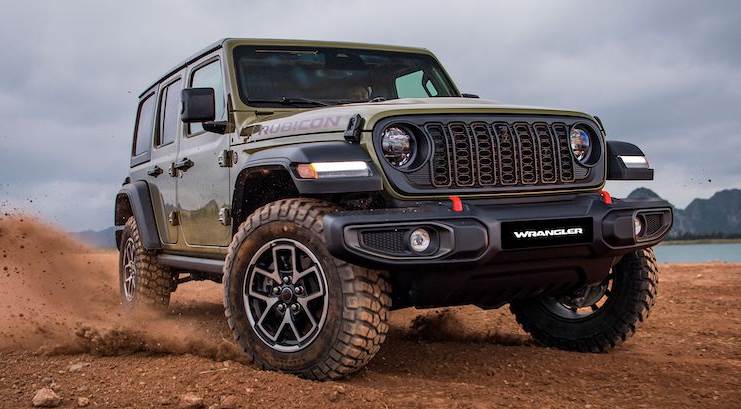
What Is Jeep Wrangler Death Wobble?
Jeep Wrangler Death Wobble is a violent and rapid side-to-side oscillation that affects the front wheels, steering wheel, and front axle. It usually begins after the vehicle hits a pothole, bridge joint, rough patch of pavement, or another sudden road disturbance. Once the shaking starts, it can quickly intensify until the driver slows down significantly.
This is not the same as a mild vibration caused by an unbalanced tire. A normal vibration may create a steady shake at a certain speed, but Death Wobble feels sudden, aggressive, and difficult to control. The steering wheel can move rapidly from left to right, while the front end of the vehicle appears to bounce or shift underneath the body.
The Wrangler is more vulnerable to this problem because it uses a solid front axle. In a solid axle design, both front wheels are mechanically connected. When one wheel reacts to a bump, the force can transfer across the axle and affect the opposite side. If steering or suspension components contain excessive movement, that disturbance may develop into a repeating oscillation.
However, the solid axle itself is not the defect. A properly maintained Jeep Wrangler with tight suspension components, correct alignment, and healthy tires should remain stable. Death Wobble usually appears when wear, looseness, incorrect geometry, or poor installation allows the front axle to move in ways it should not.
This distinction is important because many owners replace a single component and expect the issue to disappear. In reality, Jeep Wrangler Death Wobble is often the final result of several small problems working together. A slightly loose track bar bolt may combine with worn ball joints, uneven tire wear, and poor alignment. Individually, each issue may seem minor. Together, they can create severe instability.
Death Wobble should therefore be treated as a warning that the front steering and suspension system needs a complete inspection. The goal is not simply to reduce the shaking. The goal is to identify every source of unwanted movement and restore the vehicle to proper mechanical condition.
What Does Jeep Wrangler Death Wobble Feel Like?
The first Death Wobble event often happens without warning. A driver may be traveling at highway speed when one front wheel hits a pothole or uneven section of pavement. The steering wheel suddenly begins snapping from side to side, and the entire front end shakes violently.
Many drivers describe the sensation as if the front wheels are fighting each other. The vehicle may feel unstable in the lane, and the steering wheel can become difficult to hold. In severe cases, the dashboard, mirrors, seats, and body may vibrate at the same time.
The shaking often continues even after the vehicle has passed the bump that triggered it. This is one of the main differences between Death Wobble and a simple road impact. The disturbance creates an oscillation that feeds itself until vehicle speed is reduced enough for the movement to stop.
Common symptoms include:
- Violent steering wheel movement
- Rapid front wheel oscillation
- Strong vibration through the floor and body
- Shaking after hitting a pothole or expansion joint
- Loss of steering confidence
- Front axle movement that feels uncontrolled
- A sudden need to slow down to stop the shaking
- Repeated wobble at similar speeds or road conditions
The problem frequently appears at moderate or highway speeds, but there is no single speed at which every Wrangler will experience it. The trigger depends on tire condition, suspension wear, vehicle modifications, road surface, and the severity of the underlying mechanical problem.
Some warning signs may appear before a full Death Wobble event. The steering may feel loose, the Jeep may wander across the lane, or the front end may clunk over bumps. Drivers may also notice uneven tire wear, delayed steering response, or vibration that becomes worse over time.
These early symptoms should not be ignored. They may indicate worn components that have not yet produced a full oscillation. Addressing the problem at this stage can reduce repair costs and help prevent a dangerous experience on the highway.
When Death Wobble begins, the driver should remain calm, hold the steering wheel firmly, release the accelerator, and reduce speed gradually. Sudden steering inputs or aggressive braking may make the vehicle more difficult to control. Once the shaking stops, the Wrangler should be inspected before normal high-speed driving resumes.
What Causes Jeep Wrangler Death Wobble?
Jeep Wrangler Death Wobble is rarely caused by one isolated part. It usually develops when excessive movement exists somewhere in the steering, suspension, tires, or front axle mounting system. The most effective diagnosis looks at the entire system rather than assuming one component is responsible.
Worn or Loose Track Bar
The track bar is one of the most important components in the Wrangler front suspension. It controls the side-to-side position of the front axle beneath the vehicle.
If the track bar bushings are worn, the mounting bolts are loose, or the bolt holes have become enlarged, the axle may shift laterally when the Jeep hits a bump. This movement can begin the oscillation that leads to Death Wobble.
Track bar problems are especially common after suspension modifications or repeated off-road use. Even a small amount of movement at the mounting points can become significant under highway loads.
Worn Ball Joints
Ball joints connect the steering knuckles to the axle and allow the wheels to move while supporting vehicle weight. When they wear out, the wheels can develop unwanted vertical or lateral movement.
Loose ball joints may cause wandering, uneven tire wear, clunking noises, and poor steering response. If the movement becomes severe, it can contribute to the instability that triggers Jeep Wrangler Death Wobble.
Damaged Tie Rod Ends
Tie rod ends transfer steering input from the steering system to the front wheels. Worn joints can create looseness between the steering wheel and the tires.
This extra play may allow the wheels to move independently during a road impact. Drivers may notice vague steering, clicking sounds, or delayed response before a full wobble event occurs.
Loose Drag Link Components
The drag link connects the steering gearbox to the steering knuckle. If its joints or mounting points are loose, steering movement may become inconsistent.
A worn drag link can make the Jeep feel unstable and reduce the driver’s ability to control the front wheels during a sudden disturbance.
Incorrect Wheel Alignment
Poor alignment is another major contributor. Toe and caster settings have a strong effect on steering stability.
Too little caster can make the steering feel light and nervous, especially after a lift kit is installed. Incorrect toe can cause the tires to fight each other as they move down the road.
Alignment alone may not always create Death Wobble, but it can make worn suspension components much more likely to produce it.
Tire and Wheel Problems
Out-of-balance tires, uneven tread wear, bent wheels, incorrect tire pressure, or damaged tires can create the initial vibration that triggers the wobble.
Large off-road tires place additional stress on steering and suspension parts. Their greater weight can increase wear and make small mechanical problems more noticeable.
Tire balancing may reduce vibration, but it will not permanently fix Death Wobble if loose or damaged suspension components remain.
Worn Control Arm Bushings
Control arms help position the axle and maintain proper suspension geometry. Their bushings absorb movement while keeping the axle aligned.
When the bushings crack, separate, or become excessively soft, the axle may shift during braking, acceleration, or road impacts. This movement can reduce stability and contribute to oscillation.
Wheel Bearing Wear
Worn wheel bearings can allow the wheel and hub assembly to move in unintended directions. Symptoms may include humming noises, looseness, vibration, or irregular tire wear.
Although wheel bearings are not the most common cause, they should be checked during a complete Death Wobble inspection.
Improperly Installed Lift Kits
Lift kits change suspension geometry. If the installation does not correct caster, axle position, control arm angles, or track bar alignment, the Wrangler may become unstable.
A lifted Jeep may require adjustable control arms, a corrected track bar, proper brackets, and a professional alignment. Installing taller springs without addressing these related components can increase the risk of Jeep Wrangler Death Wobble.
Steering Stabilizer Problems
The steering stabilizer helps absorb small steering movements and road impacts. However, it is not a true cure for Death Wobble.
A new stabilizer may reduce symptoms temporarily, but it cannot repair loose track bar bolts, worn ball joints, damaged bushings, or incorrect alignment. Replacing it without inspecting the rest of the front end may only hide the underlying problem.
The permanent solution is to identify and correct every source of looseness, wear, or improper geometry. Once the steering and suspension system is restored, the stabilizer can perform its intended role without being used as a temporary cover for a larger mechanical issue.
Which Jeep Wrangler Models Are Most Affected?
One of the most common questions among Jeep owners is whether certain Wrangler generations are more prone to Death Wobble than others. The answer is yes, although the problem is not exclusive to any single model year. Every Wrangler that uses a solid front axle can experience Death Wobble if critical steering or suspension components become worn, damaged, or improperly adjusted.
Jeep Wrangler TJ (1997 to 2006)
The TJ introduced the coil spring suspension that significantly improved ride quality over previous generations. While the TJ is capable of developing Death Wobble, it is generally less susceptible than newer models because many remain close to their original factory specifications.
However, as these vehicles age, worn ball joints, deteriorated control arm bushings, aging track bar bushings, and rusty mounting hardware become increasingly common. Many TJ owners also install lift kits and oversized tires, which can alter suspension geometry and accelerate component wear if not properly configured.
Regular inspections become especially important on older TJ models because rubber bushings and steering components naturally degrade over time.
Jeep Wrangler JK (2007 to 2018)
The JK is widely recognized as the Wrangler generation with the highest number of reported Death Wobble cases. This does not necessarily mean the JK has a design defect. Instead, it reflects several contributing factors.
The JK became one of the best selling Wrangler generations in history, meaning there are significantly more vehicles on the road today. It is also one of the most commonly modified Jeeps, with countless owners installing lift kits, larger tires, aftermarket steering components, and heavy off road accessories.
Additional weight from steel bumpers, winches, roof racks, and oversized wheels increases stress on the steering and suspension system. If maintenance is neglected or suspension geometry is not corrected after modifications, the likelihood of Death Wobble increases substantially.
The most frequently inspected components on JK models include:
- Track bar bushings and mounting bolts
- Ball joints
- Tie rod ends
- Drag link ends
- Control arm bushings
- Front wheel bearings
- Alignment settings after suspension modifications
Jeep Wrangler JL (2018 to Present)
The JL benefits from several engineering improvements over the JK, including updated steering components and revised suspension geometry. As a result, reports of Death Wobble are less common.
However, less common does not mean impossible. A JL can still develop severe steering oscillation if suspension parts wear prematurely, mounting bolts loosen, wheel alignment falls outside specification, or aftermarket lift kits are installed incorrectly.
Owners who frequently drive off road should inspect the steering and suspension after difficult trails, especially following impacts with rocks or deep ruts. Heavy use can gradually loosen fasteners or accelerate wear on critical components.
Are Lifted Wranglers More Likely to Experience Death Wobble?
Many Jeep enthusiasts assume that installing a lift kit automatically causes Death Wobble. In reality, a properly engineered suspension lift should not create this problem.
The issue arises when suspension geometry changes are ignored. Raising the vehicle affects caster angle, track bar position, steering linkage angles, and axle alignment. If these changes are not corrected with the appropriate supporting components, unwanted movement may develop throughout the steering system.
Professional installation, quality suspension components, and a complete alignment after installation greatly reduce the risk of future steering instability.
How to Diagnose Jeep Wrangler Death Wobble
Accurate diagnosis is the key to permanently fixing Jeep Wrangler Death Wobble. Replacing random parts without confirming the actual source of movement often wastes both time and money. Because multiple worn components may contribute to the problem, every part of the steering and front suspension should be inspected systematically.
Step 1: Inspect the Track Bar
Begin with the track bar because it is the component most frequently associated with Death Wobble.
Have an assistant turn the steering wheel left and right while the vehicle remains on the ground. Observe both track bar mounting points closely. There should be no visible movement between the bolts, brackets, and bushings.
If the bar shifts independently from the mounting bracket, inspect for loose bolts, damaged bushings, or elongated bolt holes. Any movement beyond normal flex should be corrected immediately.
Step 2: Check the Ball Joints
Raise the front axle safely and support the vehicle with jack stands.
Grasp each tire at the twelve and six o’clock positions and attempt to rock it inward and outward. Excessive movement may indicate worn ball joints or wheel bearings.
A dial indicator provides the most accurate measurement, but noticeable play by hand often signals that replacement is necessary.
Step 3: Examine Tie Rod Ends and Drag Link Ends
Inspect every steering linkage joint for looseness, torn dust boots, grease leakage, or visible movement.
Each joint should move smoothly while remaining firmly connected. Any joint that allows excessive play can reduce steering precision and contribute to instability.
Step 4: Inspect Control Arm Bushings
Look for cracked rubber, separated bushings, excessive movement, or signs of metal to metal contact.
Worn control arm bushings allow the axle to shift during acceleration, braking, and road impacts, increasing the possibility of oscillation.
Step 5: Evaluate Wheel Bearings
Rotate each front wheel while listening for grinding or roughness.
Attempt to move the wheel from side to side. Any looseness should be investigated further because worn wheel bearings can affect steering stability.
Step 6: Inspect Tires and Wheels
Check for uneven tread wear, cupping, broken belts, sidewall damage, bent wheels, or improper tire pressure.
Have all four tires balanced if vibration exists at highway speeds. Although tire imbalance alone rarely causes Death Wobble, it can trigger an existing weakness elsewhere in the suspension.
Step 7: Verify Wheel Alignment
A professional alignment should confirm caster, toe, and camber measurements.
Low caster is especially common after installing lift kits and can reduce steering stability. Correct alignment helps minimize steering oscillation while improving tire wear and overall handling.
Step 8: Perform a Controlled Road Test
After repairs and inspections are complete, perform a careful road test on a safe roadway.
Gradually increase speed while monitoring steering feel over small bumps and uneven pavement. The steering should remain stable without vibration, wandering, or sudden oscillation.
A successful repair should eliminate both the symptoms and the underlying causes rather than simply masking the problem.
How to Fix Jeep Wrangler Death Wobble
The most effective repair strategy focuses on eliminating every source of unwanted movement within the steering and suspension system. There is no universal replacement part that permanently fixes Death Wobble. Instead, each worn or damaged component must be identified and corrected.
Tighten or Replace the Track Bar
If inspection reveals loose hardware, torque the mounting bolts to factory specifications. Replace damaged bushings, worn brackets, or elongated mounting holes if necessary.
Many experienced Jeep owners choose heavy duty aftermarket track bars because they offer stronger construction and improved durability, particularly on lifted vehicles.
Replace Worn Ball Joints
Loose ball joints should always be replaced in pairs on the same axle.
High quality replacement ball joints provide tighter steering response, improved alignment stability, and longer service life compared with worn factory components.
Replace Damaged Tie Rod Ends and Drag Link Ends
Steering linkage components should be replaced whenever excessive play is detected.
Many aftermarket heavy duty steering kits use larger diameter tubing and stronger joints, making them popular upgrades for Wranglers equipped with oversized tires.
Correct Wheel Alignment
A professional alignment is essential after replacing suspension or steering components.
Proper caster and toe settings improve straight line stability and significantly reduce the chance of future oscillation.
Replace Worn Control Arm Bushings
New bushings restore proper axle positioning and reduce unwanted suspension movement.
On heavily modified Wranglers, adjustable control arms allow technicians to fine tune suspension geometry for improved handling.
Repair Tire and Wheel Issues
Replace damaged tires, repair bent wheels if possible, and ensure every tire is correctly balanced.
Uneven tire wear should also be investigated because it often indicates an underlying suspension or alignment problem.
Upgrade Suspension Components
Vehicles that regularly see off road use or carry heavy accessories may benefit from stronger aftermarket suspension components.
Popular upgrades include heavy duty track bars, forged steering linkage, adjustable control arms, reinforced brackets, and stronger mounting hardware.
These upgrades do not eliminate the need for proper maintenance, but they can improve durability under demanding driving conditions.
Replace the Steering Stabilizer Only When Necessary
A worn steering stabilizer should certainly be replaced if it leaks or no longer provides resistance.
However, it is important to remember that the stabilizer is not the root cause of Death Wobble. Installing a new stabilizer without repairing loose suspension components may temporarily reduce vibration, but the underlying mechanical problem will remain.
A permanent repair addresses every worn component discovered during inspection. Once the steering and suspension system is restored to proper condition, the Wrangler should track straight, respond predictably, and remain stable even when encountering rough pavement at highway speeds.
Jeep Wrangler Death Wobble Repair Cost
One of the first questions Jeep owners ask after experiencing Death Wobble is, “How much will it cost to fix?” Unfortunately, there is no single answer because Death Wobble is not caused by one defective component. The total repair cost depends on which parts have worn out, the extent of the damage, whether you perform the repairs yourself, and local labor rates.
In some cases, the problem can be resolved by tightening loose track bar bolts and performing a professional wheel alignment. In more severe situations, multiple steering and suspension components may require replacement before the vehicle is safe to drive again.
The table below provides average repair costs in the United States.
| Repair | DIY Parts Cost | Professional Repair Cost |
|---|---|---|
| Track bar replacement | $120 to $350 | $300 to $700 |
| Track bar bushings | $30 to $80 | $150 to $350 |
| Ball joints | $150 to $400 | $600 to $1,200 |
| Tie rod replacement | $120 to $350 | $350 to $800 |
| Drag link replacement | $120 to $350 | $350 to $750 |
| Steering stabilizer | $60 to $200 | $150 to $400 |
| Control arm bushings | $80 to $250 | $400 to $900 |
| Wheel bearings | $120 to $300 each | $350 to $700 each |
| Four wheel alignment | Not applicable | $100 to $250 |
| Tire balancing | Not applicable | $60 to $150 |
If multiple components require replacement, total repair costs can range from approximately $800 to more than $2,500. While this may seem expensive, replacing the correct parts is usually more cost effective than repeatedly installing unnecessary components that fail to solve the problem.
Many Jeep owners mistakenly replace the steering stabilizer first because it is inexpensive and relatively easy to install. Although a new stabilizer may reduce steering vibration temporarily, it rarely eliminates the true cause of Death Wobble. If worn ball joints, loose track bar hardware, or damaged control arm bushings remain, the oscillation will likely return.
When budgeting for repairs, it is also important to consider future maintenance. Premium steering and suspension components often cost more initially but typically provide longer service life and improved durability, particularly for Wranglers equipped with larger tires or driven regularly off road.
If your Wrangler has recently been modified with a lift kit, it is wise to include the cost of a professional alignment and a complete suspension inspection. These services help ensure that all steering angles remain within specification and can prevent future handling problems.
Can You Drive with Jeep Wrangler Death Wobble?
The short answer is no. Continuing to drive a Wrangler that experiences Death Wobble is not recommended until the underlying problem has been diagnosed and repaired.
Although Death Wobble does not usually cause the front wheels to detach from the vehicle, it dramatically reduces steering stability and driver confidence. During a severe event, maintaining control becomes much more difficult, particularly at highway speeds or in heavy traffic.
If Death Wobble occurs while driving, remain calm and avoid making sudden steering corrections. Grip the steering wheel firmly, gradually release the accelerator, and allow the vehicle to slow down naturally. Heavy braking while the front suspension is oscillating can sometimes make the situation more difficult to manage, especially on wet or uneven pavement.
Once the vehicle has slowed sufficiently, carefully move to a safe location away from traffic. Before continuing your trip, inspect the front suspension for obvious problems such as loose hardware, damaged tires, leaking steering components, or broken suspension parts.
If the wobble returns repeatedly during the same drive, the safest option is to have the vehicle transported to a qualified repair facility rather than attempting to drive it further.
Ignoring Death Wobble can accelerate wear on numerous steering and suspension components. Constant oscillation places additional stress on track bar mounts, steering linkage, ball joints, wheel bearings, tires, and even the vehicle frame. What begins as a relatively inexpensive repair may become significantly more costly if the problem is left unresolved.
Drivers who frequently travel long distances, tow trailers, or drive at interstate speeds should take the issue especially seriously. The combination of high speed and violent steering oscillation increases both mechanical stress and the potential for loss of vehicle control.
The safest approach is always to identify the root cause, complete the necessary repairs, and verify proper steering performance before returning the Wrangler to normal driving conditions.
How to Prevent Jeep Wrangler Death Wobble
Although no vehicle is completely immune to suspension wear, regular maintenance can dramatically reduce the likelihood of experiencing Jeep Wrangler Death Wobble.
The most effective prevention strategy begins with routine inspections. Steering and suspension components naturally wear over time, especially on vehicles that see frequent off road use or carry heavy aftermarket accessories. Detecting loose or worn parts early allows owners to address minor issues before they develop into severe steering instability.
Track bar mounting bolts should be checked periodically to ensure they remain properly torqued. Even slight movement at the mounting points can gradually enlarge bolt holes and create unwanted axle movement.
Ball joints, tie rod ends, drag link joints, and control arm bushings should also be inspected during routine maintenance. Torn dust boots, grease leakage, cracked rubber, or excessive play are all signs that replacement may soon be necessary.
Maintaining proper wheel alignment is equally important. Alignment should always be checked after installing suspension components, replacing steering parts, striking a large pothole, or completing major off road trips. Correct caster and toe settings improve handling while reducing unnecessary stress throughout the steering system.
Tires deserve equal attention. Rotate tires according to the manufacturer’s maintenance schedule and have them balanced whenever vibration develops. Maintaining proper tire pressure not only improves handling but also promotes even tread wear and extends tire life.
Owners who install lift kits should avoid using low quality components or skipping supporting modifications. Suspension lifts alter steering geometry, and proper correction often requires adjustable control arms, upgraded track bars, relocation brackets, or other supporting hardware. Professional installation and alignment significantly reduce the likelihood of future problems.
Off road enthusiasts should perform a thorough inspection after every demanding trail ride. Rocks, deep ruts, and hard impacts can loosen fasteners or damage steering components without immediately producing noticeable symptoms.
The following maintenance checklist can help keep your Wrangler’s steering system in excellent condition.
Routine Prevention Checklist
- Inspect the track bar every oil change.
- Verify track bar bolt torque.
- Check ball joints for excessive movement.
- Inspect tie rod and drag link ends.
- Examine control arm bushings for wear.
- Rotate and balance tires regularly.
- Maintain recommended tire pressure.
- Perform wheel alignment after suspension modifications.
- Inspect suspension after severe off road use.
- Replace worn steering components before excessive play develops.
- Use high quality replacement parts when repairs are required.
- Test drive the vehicle after every major suspension repair.
Preventive maintenance requires far less time and money than repairing severe steering damage after Death Wobble has already developed. By keeping every steering and suspension component in proper condition, Jeep owners can enjoy confident handling both on the highway and on challenging off road terrain.
Frequently Asked Questions
Can Jeep Wrangler Death Wobble Be Permanently Fixed?
Yes. In most cases, Jeep Wrangler Death Wobble can be permanently fixed by identifying and repairing the root causes rather than treating the symptoms. This typically involves replacing worn steering or suspension components, tightening loose hardware, correcting wheel alignment, and ensuring all parts are installed according to factory specifications. Simply replacing the steering stabilizer without addressing underlying issues is unlikely to provide a lasting solution.
Does Every Jeep Wrangler Experience Death Wobble?
No. While Death Wobble is a well-known issue within the Jeep community, the majority of Wrangler owners never experience it. A properly maintained Wrangler with healthy suspension components, correct alignment, and regularly inspected steering parts can remain stable for many years. Vehicles that receive routine maintenance are significantly less likely to develop severe steering oscillation.
What Is the Most Common Cause of Death Wobble?
The most frequently identified cause is excessive movement in the front suspension, particularly a loose or worn track bar. However, Death Wobble is rarely caused by a single component. Worn ball joints, damaged tie rod ends, incorrect caster angle, deteriorated control arm bushings, tire imbalance, and improperly installed suspension modifications can all contribute to the problem.
Does Replacing the Steering Stabilizer Fix Death Wobble?
Not by itself.
A steering stabilizer is designed to dampen minor steering vibrations and improve driving comfort. It is not intended to compensate for worn suspension components or loose steering hardware. Replacing the stabilizer may temporarily reduce noticeable shaking, but if the underlying mechanical problems remain, the wobble will almost certainly return.
Can Oversized Tires Cause Death Wobble?
Oversized tires do not directly cause Death Wobble, but they can increase stress on steering and suspension components. Larger tires are heavier and place greater loads on ball joints, tie rods, wheel bearings, and the track bar. If these components are already worn or improperly adjusted, larger tires may make the symptoms appear sooner or become more severe.
Whenever larger tires are installed, owners should verify that the suspension geometry has been corrected and that all steering components are in excellent condition.
Is Death Wobble Dangerous?
Yes.
Although Death Wobble does not usually result in immediate mechanical failure, it can significantly reduce vehicle control. Violent steering oscillation at highway speeds may cause the driver to panic or struggle to maintain the vehicle within its lane. The safest response is to reduce speed gradually, move to a safe location, and inspect the vehicle before continuing the journey.
Is Jeep Wrangler Death Wobble Covered Under Warranty?
Warranty coverage depends on several factors, including the vehicle’s age, mileage, warranty status, and the specific components that have failed.
For newer Wranglers that remain within the factory warranty period, certain defective steering or suspension components may be covered. However, failures caused by normal wear, accident damage, improper maintenance, aftermarket modifications, or off road abuse are generally not included.
Owners should review their warranty documentation or contact an authorized Jeep dealership for information specific to their vehicle.
How Often Should Suspension Components Be Inspected?
For daily driven Wranglers, a complete steering and suspension inspection should be performed at least once a year or every 12,000 miles.
Vehicles that frequently travel off road, tow heavy loads, or use oversized tires should be inspected more often. It is also wise to inspect the suspension after striking a severe pothole or completing a demanding trail ride.
Can I Diagnose Death Wobble Myself?
Many owners can perform a basic visual inspection by checking for loose bolts, worn bushings, damaged tires, or obvious steering play. However, accurately diagnosing every contributing factor often requires specialized tools and experience.
If the cause cannot be identified during a basic inspection, a qualified technician familiar with solid axle suspension systems should perform a comprehensive evaluation.
Conclusion
The Jeep Wrangler has earned a reputation as one of the most capable off road vehicles ever built, but like any vehicle with a solid front axle, it depends on a properly maintained steering and suspension system to deliver safe and predictable handling. While the term Jeep Wrangler Death Wobble sounds alarming, it is important to remember that it is not a mysterious design flaw or an unavoidable part of owning a Wrangler. Instead, it is a warning sign that one or more components within the front suspension require attention.
Throughout this guide, we explored what Death Wobble is, how it differs from ordinary steering vibration, and why it most often develops when several small mechanical issues combine. From loose track bars and worn ball joints to incorrect alignment and suspension modifications, each component plays a role in maintaining front end stability. Ignoring early warning signs can lead to more expensive repairs, while prompt diagnosis often prevents additional damage.
The key to a permanent repair is taking a systematic approach. Rather than replacing random parts in hopes of eliminating the shaking, inspect the entire steering and suspension system, correct every source of excessive movement, and verify that the vehicle meets factory alignment specifications. High quality replacement parts, proper installation, and regular maintenance are far more effective than temporary fixes.
Preventive maintenance remains the best defense against Jeep Wrangler Death Wobble. Routine inspections, timely replacement of worn components, proper tire maintenance, and careful attention after installing lift kits or driving off road can significantly reduce the likelihood of future problems.
If you have experienced Death Wobble firsthand, share your story in the comments below. Let us know what caused the issue, which repairs solved it, and what advice you would offer other Jeep owners. Your experience may help fellow Wrangler enthusiasts diagnose their vehicles more quickly and keep their adventures both enjoyable and safe.