If your Chevy suddenly shows a check engine light or starts consuming more fuel than usual, there is a high chance the issue is related to the oxygen sensor system. One of the most commonly misunderstood components is the Chevy Bank 1 Sensor 2 location. Many drivers struggle to identify where it is, what it does, and why it matters for engine performance.
Understanding the Chevy Bank 1 Sensor 2 location is not just for mechanics. It is essential for any car owner who wants to avoid unnecessary repair costs, misdiagnosis, or even long term engine damage. This sensor plays a critical role in monitoring emissions and ensuring your catalytic converter is working efficiently. Ignoring it can lead to reduced fuel economy, failed emissions tests, and expensive repairs down the road.
In this guide, you will learn the exact Chevy Bank 1 Sensor 2 location, how to identify it on different engine types, and why it is so important for your vehicle. We will also break down diagrams, explain how it differs from other sensors, and help you understand the warning signs before things get worse.
By the end of this article, you will not only know where to find the Chevy Bank 1 Sensor 2 location, but also feel confident enough to inspect or even replace it yourself if needed.
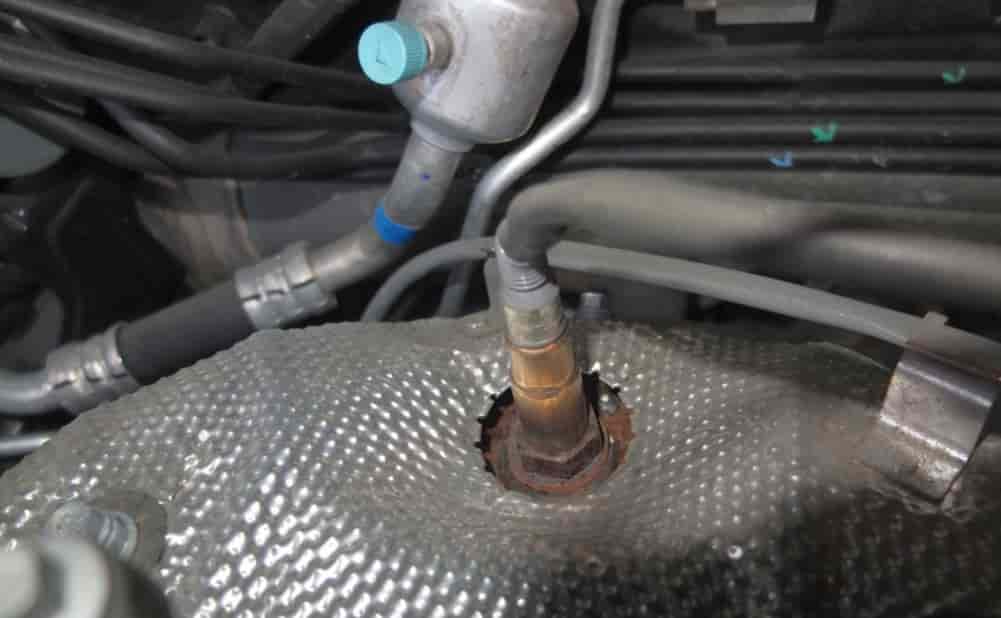
Chevy Bank 1 Sensor 2 Location Diagram
Understanding the Chevy Bank 1 Sensor 2 location becomes much easier when you visualize how the exhaust system is structured from start to finish. Instead of relying on guesswork, you can follow a logical flow of components that always appear in the same sequence.
The exhaust process begins at the engine, where gases exit through the exhaust manifold. This is the first stage of the system and the point where emissions start their journey out of the vehicle. Immediately after this, you will find Sensor 1, also known as the upstream oxygen sensor. Its job is to measure oxygen levels and help adjust the air fuel mixture for optimal combustion.
Moving further along the exhaust path, the next major component is the catalytic converter. This is one of the most important emission control devices in your Chevy. It converts harmful gases into less toxic substances before they are released into the environment.
Right after the catalytic converter is where you will find Sensor 2. This is the exact Chevy Bank 1 Sensor 2 location. Unlike the upstream sensor, this one does not adjust engine performance directly. Instead, it monitors how effectively the catalytic converter is working by analyzing the gases that pass through it.
When you understand this sequence clearly, identifying the correct sensor becomes much simpler. You just follow the exhaust line from the engine, pass the catalytic converter, and the next sensor you see is the one you are looking for. This logical structure helps avoid confusion and prevents costly mistakes.
How to Locate Bank 1 Sensor 2 on a Chevy
Finding the Chevy Bank 1 Sensor 2 location in a real vehicle may seem complicated at first, but it becomes straightforward when you break it down into clear steps. The key is to stay methodical and avoid rushing through the process.
Start by identifying Bank 1. This is the side of the engine that contains cylinder number one. On inline engines, there is only one bank, so this step is simple. On V6 or V8 engines, you will need to confirm which side holds cylinder one before moving forward.
Next, locate the exhaust manifold on the Bank 1 side. This is where exhaust gases exit the engine. Once you find it, begin following the exhaust pipe downward. The first sensor you encounter will be Sensor 1, which is positioned before the catalytic converter.
Continue tracing the exhaust path until you reach the catalytic converter. This component is usually larger and easy to recognize due to its shape. After passing it, look for another sensor installed along the exhaust pipe. This is the Chevy Bank 1 Sensor 2 location.
You can confirm you have the correct sensor by checking the wiring harness connected to it. The sensor is typically mounted directly into the exhaust pipe and has a visible connector attached. In most vehicles, it is located underneath the car, so you may need better access or visibility to inspect it properly.
It is important to make sure the engine is completely cool before attempting to locate the sensor. The exhaust system can become extremely hot during operation and may cause serious injury if touched too soon.
By following this structured approach, you reduce the risk of confusion and ensure that you are identifying the correct component. This saves both time and money, especially when diagnosing or replacing parts.
Bank 1 Sensor 2 vs Sensor 1
To properly understand the Chevy Bank 1 Sensor 2 location, it is important to compare it with Sensor 1. Many vehicle owners confuse these two components, which often leads to incorrect repairs and unnecessary expenses.
Sensor 1 is located before the catalytic converter. Its main role is to measure the oxygen level in the exhaust gases and send real time data to the engine control unit. Based on this data, the system adjusts the air fuel mixture to ensure efficient combustion. This makes Sensor 1 directly involved in engine performance and fuel efficiency.
In contrast, Sensor 2 is located after the catalytic converter, which is exactly the Chevy Bank 1 Sensor 2 location discussed throughout this guide. Its role is not to adjust the engine but to monitor the effectiveness of the catalytic converter. It checks whether harmful gases are being properly filtered before they exit the exhaust system.
Another key difference lies in how the data is used. Sensor 1 constantly fluctuates as it helps regulate fuel delivery. Sensor 2, however, should produce more stable readings. If both sensors show similar patterns, it often indicates that the catalytic converter is not working properly.
Understanding this difference is critical. If you replace Sensor 1 when the issue is actually with Sensor 2, the problem will remain unresolved. This is a common mistake that leads to wasted money and ongoing engine warnings.
Symptoms of a Faulty Bank 1 Sensor 2
When there is an issue with the Chevy Bank 1 Sensor 2 location, your vehicle will usually show several warning signs. Recognizing these symptoms early can help you avoid more serious and expensive problems later.
One of the most common signs is the check engine light turning on. This is often triggered when the sensor sends incorrect or inconsistent data to the system. Many drivers ignore this warning at first, but it is usually the earliest indication that something is wrong.
Another noticeable symptom is reduced fuel efficiency. Even though Sensor 2 does not directly control the air fuel mixture, faulty readings can still affect how the engine operates overall. This can lead to increased fuel consumption over time.
You may also experience poor engine performance. The vehicle might feel less responsive, especially during acceleration. While this symptom can be linked to other issues, it often appears alongside sensor related problems.
In some cases, emissions levels will increase. This is particularly important if your vehicle needs to pass an emissions test. A faulty downstream sensor can cause the system to misjudge how well emissions are being controlled, leading to failed inspections.
Ignoring these symptoms can result in damage to the catalytic converter, which is significantly more expensive to replace than an oxygen sensor. This is why identifying problems related to the Chevy Bank 1 Sensor 2 location early is so important.
Why Chevy Bank 1 Sensor 2 Location Matters
Understanding the Chevy Bank 1 Sensor 2 location is not just about knowing where a part sits in your vehicle. It directly impacts how your engine performs, how efficiently it uses fuel, and how well it controls emissions.
This sensor plays a key role in the communication between the exhaust system and the engine control unit. By monitoring the gases after they pass through the catalytic converter, it helps the system determine whether emissions are being properly treated. If the data is inaccurate, the engine may misinterpret the condition of the exhaust system.
One major consequence of ignoring this sensor is damage to the catalytic converter. Since the converter is responsible for reducing harmful emissions, any failure in monitoring can allow problems to go unnoticed. Over time, this can lead to clogging or overheating, both of which are costly to repair.
Another reason this location matters is diagnostic accuracy. Many error codes, such as those related to emissions or oxygen sensors, depend on correct sensor readings. If you misunderstand the Chevy Bank 1 Sensor 2 location, you might replace the wrong component and still face the same issue.
For drivers who want to save money and avoid repeated repairs, understanding this sensor’s role is essential. It allows you to make informed decisions instead of relying entirely on guesswork or incomplete diagnostics.
Can You Drive with a Bad Bank 1 Sensor 2?
Technically, you can still drive your vehicle with a faulty sensor at the Chevy Bank 1 Sensor 2 location, but it is not recommended for long term use. While the car may continue to run, underlying issues can develop quietly and become much more serious over time.
In the short term, you might not notice major changes aside from a check engine light or slightly higher fuel consumption. This often leads drivers to delay repairs, assuming the issue is not urgent. However, this is where the risk begins to increase.
Over time, incorrect readings from the sensor can affect how the engine control unit evaluates the exhaust system. This may result in improper adjustments, increased emissions, and additional strain on the catalytic converter.
Another concern is failing emissions tests. If your vehicle is required to meet certain environmental standards, a faulty sensor can cause it to fail inspection, leading to inconvenience and additional costs.
The longer you continue driving without addressing the issue, the higher the chance of damaging more expensive components. Replacing an oxygen sensor is relatively affordable compared to replacing a catalytic converter or dealing with long term engine inefficiencies.
For this reason, it is always best to diagnose and fix problems related to the Chevy Bank 1 Sensor 2 location as soon as possible. Acting early helps maintain performance, reduce costs, and ensure your vehicle remains reliable.
Conclusion
By now, you should have a clear understanding of the Chevy Bank 1 Sensor 2 location and why it plays such an important role in your vehicle. From its exact position after the catalytic converter to its function in monitoring emissions, this sensor is essential for maintaining both performance and efficiency.
Many drivers overlook this component because it does not directly control engine power. However, its impact on diagnostics, fuel economy, and emission control makes it just as important as other critical parts. Ignoring it can lead to higher costs, failed inspections, and long term damage that could have been avoided.
The key takeaway is simple. Once you understand the Chevy Bank 1 Sensor 2 location, you can diagnose problems more accurately, avoid replacing the wrong parts, and make smarter maintenance decisions. This knowledge not only saves money but also gives you greater confidence when dealing with vehicle issues.
If your car is showing signs like a check engine light or reduced efficiency, now is the right time to inspect this sensor. Taking action early can prevent bigger problems and keep your Chevy running smoothly for years to come.