The Chevy Trax Turbo Recall is raising serious concerns among SUV owners today. Many drivers depend on this vehicle for daily use, yet a hidden turbo issue can suddenly affect performance. In many cases, drivers notice the problem only after the car loses power or the engine behaves abnormally.
Turbocharged engines promise better efficiency and stronger performance. The Chevy Trax follows this trend, but the turbo system can become a weak point when problems occur. A failing turbo does not just reduce power. It can also increase repair costs and create safety risks on the road.
This is why more people are searching for clear answers about the Chevy Trax Turbo Recall. Owners want to know if their vehicles are affected. Buyers want to understand the risks before making a decision. At the same time, many drivers worry about expensive repairs and unexpected breakdowns.
So what actually causes the turbo issue? Which models are involved? Are there warning signs you should not ignore? Most importantly, how can you fix the problem before it becomes serious?
In this guide, you will discover the key causes, affected models, common symptoms, and the best solutions to handle the Chevy Trax Turbo Recall with confidence.
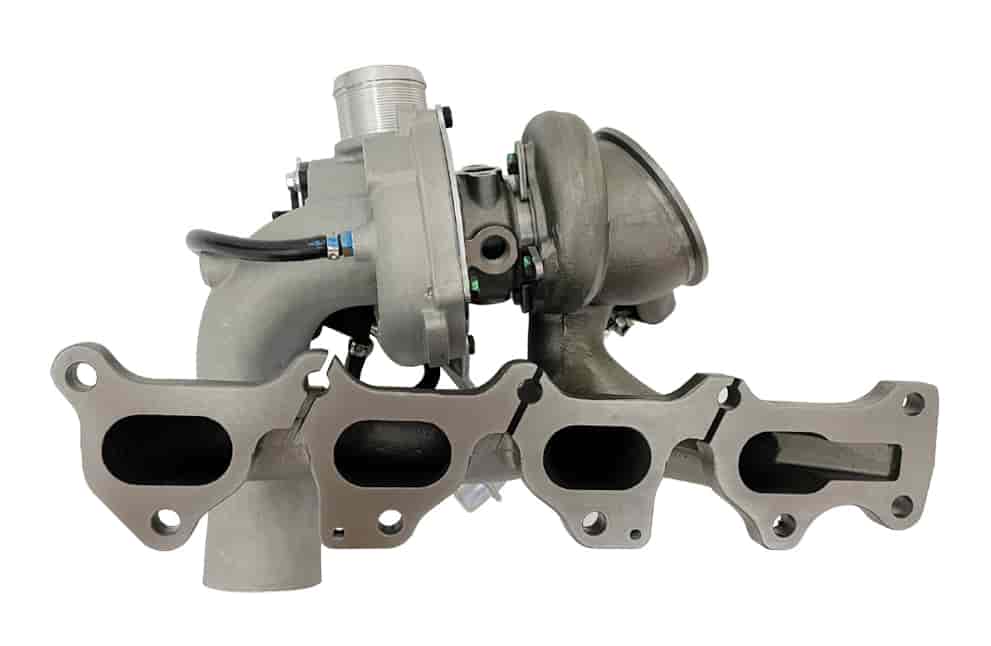
WHAT IS THE CHEVY TRAX TURBO RECALL
The Chevy Trax Turbo Recall refers to a safety issue related to the turbocharger system in certain models. Chevrolet, under General Motors, issued this recall after reports of performance loss and potential engine damage linked to turbo failure.
The turbocharger plays a key role in modern engines. It pushes more air into the engine, which helps increase power while maintaining fuel efficiency. In compact SUVs like the Chevy Trax, this system allows a smaller engine to deliver stronger performance without increasing fuel consumption.
However, when the turbo system fails, the impact can be immediate. Drivers may experience sudden power loss, delayed acceleration, or unusual engine noise. In more serious cases, the failure can lead to internal engine damage.
The recall exists to prevent these risks. It allows owners to fix the issue before it becomes dangerous or expensive. Most importantly, it ensures that affected vehicles meet safety standards.
Understanding the Chevy Trax Turbo Recall is the first step. Once you know how the system works and why it fails, you can react faster and protect your vehicle from further damage.
CAUSES OF THE CHEVY TRAX TURBO ISSUE
Several factors can lead to turbo failure in the Chevy Trax. These issues often develop over time, which makes them harder to detect early.
One common cause is poor oil supply. The turbocharger relies on constant lubrication to operate at high speed. If the oil flow becomes restricted or contaminated, internal parts can wear out quickly. This increases friction and heat, which damages the turbo.
Heat is another major factor. Turbochargers operate under extreme temperatures. If the cooling system does not perform well, the turbo can overheat. Over time, this weakens the internal components and reduces performance.
Manufacturing defects can also contribute to the problem. In some cases, certain turbo units may not meet quality standards. These defects may not appear immediately but can lead to failure after regular use.
Carbon buildup is another hidden issue. Deposits can form inside the turbo system, especially if the engine does not burn fuel efficiently. This buildup restricts airflow and reduces performance, which puts more stress on the turbo.
These causes often combine instead of acting alone. That is why the Chevy Trax Turbo Recall focuses on early detection and preventive repair. Identifying the root cause helps drivers avoid costly damage and maintain stable engine performance.
AFFECTED MODELS AND YEARS
The Chevy Trax Turbo Recall affects specific model years and engine configurations. Not every vehicle has this issue, which makes it important to check your car carefully instead of assuming.
Most reports focus on Chevy Trax models equipped with small turbocharged engines. These engines aim to balance fuel efficiency and performance, but they also place more stress on the turbo system. As a result, certain production batches show a higher risk of failure.
Owners should not rely only on general information. The most accurate way to confirm is by checking the Vehicle Identification Number. This number allows you to see whether your car falls under an official recall or service campaign.
You can find the VIN on the dashboard, near the windshield, or inside the driver side door. After that, visit the official Chevrolet or GM recall website and enter the number. The system will show if your vehicle qualifies for inspection or repair.
This step is critical. Many drivers ignore early warnings because the car still runs normally. However, the turbo issue can develop silently and become serious without clear signs at first.
Checking your VIN takes only a few minutes, but it can save you from unexpected repair costs and safety risks later.
COMMON SYMPTOMS OF A FAILING TURBO
A failing turbocharger often gives warning signs before it completely breaks down. Recognizing these symptoms early can help you avoid serious damage.
One of the most common signs is a loss of power. The vehicle may feel weak during acceleration, especially when you try to overtake another car. This happens because the turbo can no longer supply enough air to the engine.
You may also hear unusual sounds from the engine bay. A high pitched whining or whistling noise often indicates that the turbo is under stress or starting to fail.
Another warning sign is smoke from the exhaust. Blue or gray smoke can appear when oil leaks into the turbo system and burns during operation. This issue usually points to internal damage.
The check engine light may also turn on. While this signal does not always mean a turbo problem, it often appears when the engine detects abnormal performance.
In real driving situations, these symptoms can become dangerous. Imagine losing power while merging onto a highway or climbing a steep road. This is why early detection matters.
If you notice any of these signs, you should inspect your vehicle as soon as possible. Acting early can prevent more expensive repairs and keep your driving experience safe and stable.
RISKS AND COSTS IF NOT FIXED
Ignoring the Chevy Trax Turbo Recall can lead to serious consequences. The turbocharger connects directly to engine performance, so any failure can quickly affect the entire system.
One major risk is engine damage. When the turbo fails, it may send debris into the engine or disrupt airflow. This can cause internal wear and reduce engine lifespan. In severe cases, the engine may stop working completely.
Another risk involves driving safety. A sudden loss of power can create dangerous situations, especially when overtaking or entering highways. The vehicle may not respond as expected, which increases the chance of accidents.
Repair costs can also rise quickly if you delay action. Replacing a turbocharger is not cheap. The total cost often includes parts and labor, which can reach hundreds or even thousands of dollars depending on the damage.
If the issue spreads to other components, the cost becomes much higher. Engine repair or replacement can place a heavy financial burden on any owner. This is one of the biggest concerns drivers face when dealing with turbo problems.
Taking early action helps you avoid these risks. The recall exists to fix the issue before it becomes expensive or dangerous. Ignoring it only increases both cost and stress over time.
FIX GUIDE WHAT TO DO IF YOUR CAR IS RECALLED
If your vehicle is part of the Chevy Trax Turbo Recall, you should act quickly and follow a clear process. The good news is that most recall repairs are free.
Start by checking your VIN. This step confirms whether your car is affected. You can complete this process online in just a few minutes.
Next, contact an authorized Chevrolet dealer. Inform them about your recall status and request an inspection. The dealer will guide you through the next steps and schedule a service appointment.
During the inspection, technicians will examine the turbo system and related components. If they find any issues, they will repair or replace the necessary parts based on official guidelines.
The repair process usually does not take long, but it depends on parts availability and service workload. In some cases, the dealer may provide a temporary solution or offer support while your vehicle is being repaired.
After the repair, your vehicle should return to normal performance. More importantly, you reduce the risk of future failures and costly damage.
Taking action early is the smartest decision. It protects your vehicle, saves money, and ensures a safer driving experience.
IS THE CHEVY TRAX STILL RELIABLE AFTER THE RECALL
The Chevy Trax can still remain a reliable compact SUV after the turbo recall, but this depends on how the issue is handled. A recall does not always mean the vehicle is unsafe long term. In many cases, it shows that the manufacturer has identified a problem and taken action to fix it.
When the turbo issue receives proper repair, the engine can return to stable performance. Many owners report normal driving experience after completing the recall service. This includes smoother acceleration, better response, and improved confidence on the road.
However, reliability also depends on maintenance habits. Regular oil changes play a critical role in protecting the turbocharger. Using high quality oil and following service intervals can help prevent similar issues in the future.
Buyers who consider a used Chevy Trax should pay close attention to recall history. A vehicle that has completed recall repairs is often a safer choice than one with an unresolved issue. Checking service records can provide extra peace of mind.
Overall, the Chevy Trax remains a practical option in the compact SUV segment. It offers good fuel efficiency and a comfortable driving experience. As long as the recall is addressed properly, the vehicle can still deliver reliable performance for daily use.
CONCLUSION
The Chevy Trax Turbo Recall highlights an important reality of modern vehicles. Advanced technology can improve performance, but it also requires careful monitoring and maintenance. When a key component like the turbocharger fails, the impact can be both costly and dangerous.
In this guide, you have learned the main causes behind the issue, the models that may be affected, and the warning signs you should not ignore. You also understand the risks of delaying repairs and the steps needed to fix the problem quickly.
The most important takeaway is simple. Do not ignore a recall. A few minutes spent checking your VIN can save you from serious engine damage and unexpected expenses. Acting early helps protect both your vehicle and your safety on the road.
If you own a Chevy Trax, now is the time to take action. Check your vehicle status, schedule an inspection if needed, and stay informed about future updates. If you are planning to buy one, make sure the recall has been resolved before making a decision.
Have you experienced any turbo issues with your Chevy Trax? Share your experience or questions in the comments to help others make better decisions.