Have you ever shifted your Chevy into 4WD, expecting full traction, only to realize the system is not engaging at all? This is one of the most frustrating problems truck owners face, especially when driving in mud, snow, or rough terrain where 4×4 capability is essential. Instead of getting the performance you paid for, you are left with a vehicle that feels unreliable at the worst possible moment.
In many cases, the root cause of this issue is not as complex as it seems. A failing front axle actuator is often the reason why your 4WD system refuses to engage properly. The worst part is that replacing this component can be expensive, time consuming, and sometimes unnecessary if you are simply looking for a quick and practical solution.
This is where the Chevy 4WD actuator bypass comes in. It is a cost effective method that allows you to restore 4×4 functionality without replacing the actuator right away. For many drivers, especially those who use their trucks for off road or heavy duty purposes, this workaround can save both time and money while keeping the vehicle fully functional.
In this step by step guide, you will learn exactly how the Chevy 4WD actuator bypass works, why your 4×4 is not engaging, and how you can fix the problem yourself with basic tools. By the end, you will have a clear understanding of whether this solution is right for your situation.
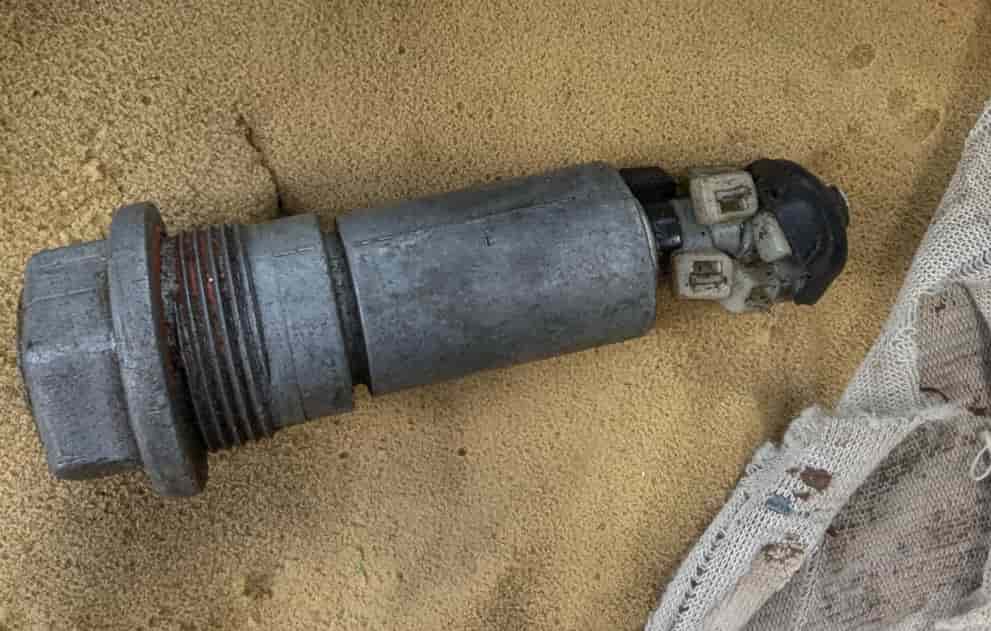
What Is a Chevy 4WD Actuator
To understand how a Chevy 4WD actuator bypass works, you need to know the role of the actuator in your vehicle. This small component controls a key part of the 4WD system, yet many drivers ignore it until problems appear.
In most Chevy trucks, the front axle actuator engages the front differential when you switch from 2WD to 4WD. It pushes a mechanism that locks the front axle. Once locked, the system sends power to all four wheels. If this process fails, your truck stays in two wheel drive even when the dashboard shows 4WD.
Chevy vehicles use two main types of actuators. Older models rely on thermal actuators. These use heat to expand and engage the axle, which makes them slow and unreliable over time. Newer models use electronic actuators. These respond faster but can still fail due to wiring issues or motor wear.
Several factors cause actuator failure. Heat, moisture, dirt, and vibration all affect its performance. Over time, these conditions lead to slow response or complete failure. When this happens, your 4WD may not engage at all or may work inconsistently.
This is why many drivers choose a Chevy 4WD actuator bypass instead of replacing the part immediately. The actuator often becomes the weakest point in the system. By bypassing it, you can restore 4WD function in a simpler and more reliable way, especially in tough driving conditions.
Symptoms of a Failing 4WD Actuator
When your 4WD system stops working properly, the actuator is often the main cause. Many drivers notice the issue only after the system fails at a critical moment. Recognizing the early symptoms can help you fix the problem before it gets worse.
One of the most common signs is that your 4WD does not engage at all. You may switch into 4WD mode, but the front wheels receive no power. This creates a dangerous situation when driving on slippery or uneven terrain.
Another clear symptom is a delay in engagement. The system may take several seconds to respond after you activate it. In some cases, it may engage inconsistently, working one moment and failing the next. This usually points to a weak or failing actuator.
You might also hear unusual clicking noises when switching between drive modes. These sounds often come from the actuator trying to engage but failing to complete the action. At the same time, the dashboard indicator may show that 4WD is active, even though the system is not working correctly.
In more advanced cases, the actuator stops responding completely. No sound, no movement, and no engagement. At this stage, your vehicle remains stuck in two wheel drive regardless of the selected mode.
These symptoms often lead drivers to look for a quick and effective solution. Instead of spending money on replacement right away, many turn to a Chevy 4WD actuator bypass to restore function and avoid further frustration.
What Is a Chevy 4WD Actuator Bypass
A Chevy 4WD actuator bypass is a method that allows your front axle to engage without relying on the factory actuator. Instead of waiting for the actuator to activate, you manually or mechanically force the engagement. This helps restore 4WD function when the original component fails.
In a standard system, the actuator controls when the front axle locks. It responds to your input when you switch from 2WD to 4WD. If the actuator stops working, the system cannot complete this process. As a result, your truck stays in two wheel drive even though you selected 4WD.
The bypass solution removes this weak point. It replaces the actuator’s role with a fixed or manual mechanism that keeps the axle ready to engage. In simple terms, it ensures the connection happens without delay or failure from the actuator.
Drivers often choose this approach when they need a fast and low cost fix. It works well for off road use, work trucks, or situations where reliability matters more than convenience. Instead of dealing with repeated actuator failures, you gain a more direct and predictable system.
However, this method changes how your 4WD behaves. In some cases, the front axle may stay engaged more often than intended. This can affect fuel efficiency and driving comfort on regular roads. That is why understanding the trade offs is important before applying a Chevy 4WD actuator bypass.
Tools and Materials Needed
Before you start the Chevy 4WD actuator bypass, you should prepare the right tools and materials. Having everything ready will save time and help you avoid mistakes during the process. You do not need advanced equipment, but basic mechanical tools are essential.
First, you will need a standard wrench set and a socket set. These tools help you remove the actuator and access the front axle area. Make sure you use the correct sizes to avoid damaging bolts or threads. A ratchet with an extension can also make the job easier in tight spaces.
Next, prepare a jack and jack stands to lift and secure your vehicle. Never work under a truck supported only by a jack. Stable support is critical for safety and allows you to work with confidence.
You may also need a spacer or a manual engagement kit, depending on the bypass method you choose. Some drivers use a simple spacer to keep the axle engaged, while others install a more durable aftermarket solution. Both options can work, but the choice depends on your needs and budget.
In addition, keep basic safety gear on hand. Gloves protect your hands from sharp edges and heat, while safety glasses prevent debris from getting into your eyes. A flashlight can also help you see clearly when working under the vehicle.
Preparing these tools in advance makes the Chevy 4WD actuator bypass process smoother and more efficient. It also reduces the risk of interruptions once you begin the job.
Step by Step Chevy 4WD Actuator Bypass Guide
Now that you understand the system and have the right tools, it is time to perform the Chevy 4WD actuator bypass. Follow each step carefully to ensure your 4×4 system works correctly after the process.
Step 1 Locate the actuator
Start by identifying the position of the front axle actuator. In most Chevy trucks, you will find it mounted on the front differential housing. It usually sits on the passenger side. Use a flashlight if visibility is low. Make sure the vehicle is off and safely lifted before you proceed.
Step 2 Remove the actuator
Use your socket or wrench to loosen and remove the actuator. Turn it slowly to avoid damaging the threads. Once removed, inspect the component. In many cases, you will notice signs of wear, corrosion, or oil contamination. This confirms the source of the problem.
Step 3 Install the spacer or bypass solution
Take your spacer or manual engagement kit and install it in place of the actuator. This component keeps the axle engaged without relying on electronic or thermal activation. Make sure it fits tightly and aligns properly with the mounting threads. Do not overtighten, but ensure it is secure.
Step 4 Recheck connections and positioning
Before lowering the vehicle, double check all connections. Make sure the spacer sits correctly and nothing is loose. Inspect the surrounding area for any interference with moving parts. A quick inspection at this stage can prevent bigger issues later.
Step 5 Test the 4WD system
Lower the vehicle and start the engine. Shift into 4WD mode and test the engagement. Drive slowly in a safe area and confirm that power reaches the front wheels. You should notice immediate engagement without delay. If everything feels stable, the bypass has been successful.
This step by step Chevy 4WD actuator bypass allows you to restore your 4×4 system without replacing the original actuator. It is a practical solution for drivers who need reliability without high repair costs.
Pros and Cons of Actuator Bypass
Before deciding if this method is right for you, it is important to understand both the advantages and the limitations of a Chevy 4WD actuator bypass. While it offers a quick solution, it also changes how your 4WD system behaves in daily use.
Advantages of a Chevy 4WD Actuator Bypass
One of the biggest benefits is cost savings. Replacing a faulty actuator can be expensive, especially when labor costs are included. With a bypass, you avoid that expense and still restore your 4WD functionality.
Another advantage is reliability. The factory actuator often fails due to heat, moisture, or wear over time. By removing this weak component, you reduce the chances of future failure. This is especially useful for off road driving or work conditions where you need consistent performance.
You also gain faster engagement. Since the system no longer depends on actuator response time, the front axle engages more directly. This can improve confidence when driving in challenging terrain.
Disadvantages of a Chevy 4WD Actuator Bypass
Despite the benefits, there are some trade offs to consider. The most noticeable drawback is the loss of automatic control. Your system may stay engaged more often than needed, which can affect driving comfort on paved roads.
Fuel efficiency may also decrease. When the front axle remains engaged, the drivetrain works harder, even when full 4WD is not required. Over time, this can lead to higher fuel consumption.
In some cases, additional wear can occur. Constant engagement places more stress on drivetrain components. If you use your truck mainly for daily driving, this setup may not be ideal.
Understanding these pros and cons helps you decide whether a Chevy 4WD actuator bypass fits your needs. For some drivers, it is a practical and reliable fix. For others, a full replacement may be the better long term solution.
Bypass vs Replacement
When your 4WD system fails, you usually have two main options. You can perform a Chevy 4WD actuator bypass or replace the actuator with a new one. Each option has its own advantages, and the right choice depends on your needs, budget, and driving conditions.
A bypass focuses on simplicity and cost. It removes the faulty actuator from the system and replaces its function with a mechanical solution. This approach costs much less than a full replacement and can be completed quickly. Many drivers choose this option when they need an immediate fix without spending too much money.
On the other hand, replacing the actuator restores the system to its original design. A new actuator allows your 4WD to engage automatically, just like the factory setup. This option provides better comfort and convenience, especially for daily driving. However, the cost is higher, and the same component may fail again over time.
In terms of reliability, the bypass often performs better in harsh conditions. It removes an electronic or thermal weak point from the system. This makes it a popular choice for off road enthusiasts and work trucks that require consistent performance.
However, if you drive mostly on highways or city roads, replacement may be the better option. It keeps the system balanced and avoids unnecessary strain on drivetrain components. It also maintains fuel efficiency and smoother handling.
Choosing between a Chevy 4WD actuator bypass and replacement comes down to your priorities. If you want a fast and affordable fix, the bypass is a strong option. If you prefer long term comfort and factory performance, replacing the actuator makes more sense.
Is It Safe to Bypass a Chevy 4WD Actuator
Safety is one of the biggest concerns when considering a Chevy 4WD actuator bypass. While this method can restore functionality quickly, it also changes how your drivetrain operates. Understanding when it is safe and when it is not will help you avoid long term issues.
In many cases, a bypass is safe when used in the right conditions. It works well for off road driving, work trucks, and situations where you need consistent 4WD performance. By removing the actuator, you eliminate a common failure point. This can make your system more dependable in rough environments.
However, this setup is not ideal for every driver. When the front axle stays engaged more often, it can place extra stress on drivetrain components. Over time, this may lead to increased wear, especially if you drive on dry pavement or at higher speeds.
Another factor to consider is handling. A constantly engaged front axle can affect how your vehicle turns and responds on normal roads. This may reduce comfort and control in everyday driving situations.
To stay safe, always use the bypass with awareness of your driving conditions. Avoid using 4WD on dry surfaces for long periods. Monitor how your vehicle behaves after the modification. If you notice unusual vibrations or resistance, inspect the system immediately.
A Chevy 4WD actuator bypass can be a safe and effective solution when used correctly. The key is to match the setup with your driving needs and understand the limits of the system.
Pro Tips and Common Mistakes
Even though the Chevy 4WD actuator bypass is a simple process, small mistakes can lead to bigger problems later. Paying attention to a few key details will help you get better results and avoid unnecessary damage.
One common mistake is skipping a basic inspection before doing the bypass. Many drivers assume the actuator is the only issue, but problems can also come from blown fuses, damaged wiring, or transfer case faults. Always check these components first to avoid fixing the wrong problem.
Another mistake is installing the spacer incorrectly. If the part does not align properly, it can prevent full engagement or cause uneven wear inside the axle. Take your time during installation and make sure everything fits securely.
Some drivers also forget to test the system after completing the bypass. This step is critical. You should always verify that the 4WD engages smoothly and consistently. A short test drive in a safe area can confirm whether the fix works as expected.
It is also important to avoid using 4WD unnecessarily. After a bypass, the system may stay engaged more often. Driving on dry roads in this condition can increase stress on drivetrain components and reduce fuel efficiency.
For better long term performance, keep your drivetrain well maintained. Regularly check fluid levels, inspect moving parts, and listen for unusual noises. These habits will help extend the life of your system after the modification.
By following these tips and avoiding common mistakes, you can make your Chevy 4WD actuator bypass more reliable and effective.
Conclusion
A Chevy 4WD actuator bypass offers a practical solution for one of the most frustrating issues truck owners face. When your 4×4 system fails to engage, it can leave you stuck in situations where traction matters most. Instead of spending a large amount on repairs, this method gives you a faster and more cost effective way to restore functionality.
Throughout this guide, you have learned how the actuator works, why it fails, and how a bypass can solve the problem. You now understand the symptoms to watch for, the tools required, and the exact steps needed to complete the process. More importantly, you can evaluate whether this approach fits your driving needs.
For drivers who rely on their trucks in tough conditions, the Chevy 4WD actuator bypass can improve reliability and reduce downtime. However, it is important to balance convenience with long term performance. If you mainly drive on regular roads, replacing the actuator may still be the better option.
In the end, the right choice depends on how you use your vehicle and what you expect from your 4WD system. If you are tired of dealing with a 4×4 that does not engage when you need it, this solution can save you time, money, and frustration.
If this guide helped you understand the Chevy 4WD actuator bypass, consider applying the method carefully or sharing it with others who face the same issue.