The Volvo S60 is a popular luxury sedan in many global markets. It stands out for safety, comfort, and clean Scandinavian design. Many buyers still ask a simple question before they decide to purchase. Are Volvo S60 reliable in real-world use?
This question is important because the Volvo S60 competes with strong rivals like the BMW 3 Series and Audi A4. These models set high standards in performance and long-term durability. Buyers want more than a premium driving feel. They also want low maintenance issues and stable repair costs over time.
Reliability becomes even more important when the car reaches higher mileage. Some owners keep their vehicles for many years. Others buy used models to reduce cost. In both cases, long-term dependability matters more than initial impressions.
In this guide, we break down real reliability data and common problems. We also analyze engine performance, ownership costs, and repair patterns. You will see how the Volvo S60 performs in daily use and long-term ownership. This will help you decide if the Volvo S60 is a smart luxury sedan choice or if it comes with hidden trade-offs.
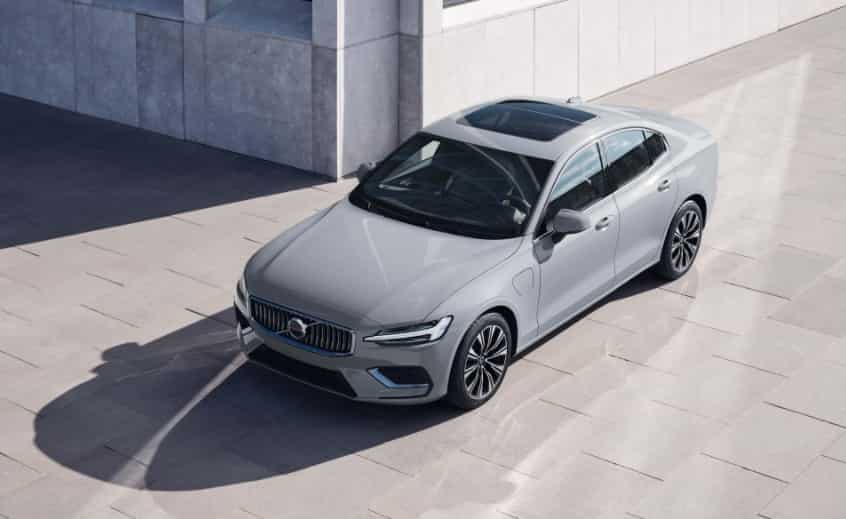
Volvo S60 Reliability Overview
The Volvo S60 shows mixed reliability results depending on model year and engine type. Some versions perform well over time, while others face recurring issues. Overall, the S60 sits in the middle of the luxury sedan reliability segment.
Many reliability rankings place Volvo in a moderate position compared to German rivals. It does not usually lead the class, but it also does not fall to the bottom. This creates a balanced but not outstanding reputation for long-term dependability.
Newer Volvo S60 models show improvement in build quality and software stability. Owners report fewer mechanical failures compared to older generations. However, electronic systems still create occasional complaints, especially related to infotainment performance and sensor glitches.
Older models, especially those produced before major platform updates, show more frequent repair needs. These issues often include suspension wear and electrical inconsistencies. Maintenance history plays a major role in how reliable the car feels over time.
Industry data also shows that Volvo prioritizes safety engineering over low-cost maintenance design. This approach improves crash performance but can increase repair complexity. As a result, repair visits may cost more than average non-luxury vehicles.
Overall, the Volvo S60 delivers acceptable reliability for a luxury sedan. It performs best when properly maintained and serviced on schedule. Buyers should understand that it offers strong safety and comfort, but not class-leading dependability.
Volvo S60 Long-Term Ownership Experience
The Volvo S60 behaves differently as it ages compared to some German rivals. Many owners report that the car feels solid even after several years of use. The cabin materials hold up well and the ride comfort remains stable over time.
At higher mileage, the S60 can still deliver a smooth driving experience if it receives regular maintenance. Engines in well maintained units often reach high mileage without major internal failures. However, neglecting service schedules quickly increases the risk of expensive repairs.
Owners who keep the Volvo S60 beyond 100,000 miles usually notice gradual wear in suspension components. Bushings and dampers may need replacement earlier than expected in some cases. This is common in luxury sedans with comfort focused tuning.
The interior also ages differently depending on usage. Seats and dashboard materials tend to resist wear better than many competitors. However, electronic features may become less consistent as the vehicle gets older. Infotainment lag or minor software bugs can appear in long term use.
Fuel economy and performance remain relatively stable over time. Turbocharged engines maintain good efficiency when properly maintained. The key factor is consistent servicing with correct oil and parts quality.
Overall, long term ownership of the Volvo S60 is stable but not maintenance free. It rewards careful owners but can become costly if maintenance is delayed or ignored.
Common Volvo S60 Problems You Should Know
The Volvo S60 is not known for major widespread failures, but it does have several recurring issues that owners report. These problems vary by model year and driving conditions, so the experience is not identical for every driver.
One of the most common concerns involves electrical systems. Some owners report issues with sensors, warning lights, and software glitches. These problems do not always affect driving performance, but they can reduce user confidence and create inconvenience.
Infotainment performance is another area of complaint. The system can feel slow in some versions, especially during startup or when switching between functions. Software updates often improve stability, but older systems may still show occasional lag.
Suspension components can wear earlier than expected in certain driving environments. Rough roads or frequent city driving can accelerate wear on bushings and dampers. This leads to a less smooth ride over time if parts are not replaced on schedule.
Some older S60 models also show minor transmission hesitation or shifting inconsistency. These cases are not universal, but they appear often enough to be noted in long term ownership reports.
Cooling system and minor oil leaks can also appear in high mileage vehicles. These issues are usually manageable when detected early, but repair costs can increase if maintenance is delayed.
Overall, the Volvo S60 does not suffer from catastrophic reliability flaws, but it does require consistent attention. Most problems are manageable, especially when the vehicle is serviced regularly and driven responsibly.
Engine Reliability
The Volvo S60 comes with different engine options across various model years. Each engine type delivers a different balance between performance, efficiency, and long term reliability. Understanding these differences is important before making a purchase decision.
The T5 engine is the most common option. It uses a turbocharged four cylinder setup that focuses on balanced performance and fuel efficiency. Many owners report that the T5 is generally reliable when maintenance is done on time. It performs well in daily driving and does not usually suffer from major mechanical failures.
The T6 engine offers higher performance through both turbocharging and supercharging in some versions. This makes it more powerful, but also slightly more complex. The added complexity can increase maintenance sensitivity over time. When properly maintained, the T6 still delivers strong durability, but repair costs can be higher compared to the T5.
Hybrid versions of the Volvo S60 introduce additional components such as electric motors and battery systems. These systems improve fuel efficiency and performance, especially in city driving. However, hybrid reliability depends heavily on battery health and software stability. Long term ownership may involve higher repair costs if battery related issues appear.
Across all engine types, regular oil changes and proper servicing play a major role in reliability. Volvo engines are engineered for efficiency and safety, but they do not tolerate neglected maintenance well. Owners who follow service schedules usually experience stable long term performance.
Overall, the T5 is the most balanced option for reliability, while the T6 and hybrid variants offer more performance and efficiency with added complexity.
Maintenance Costs and Repair Expenses
The Volvo S60 sits in the premium luxury sedan category, so its maintenance costs are higher than mainstream vehicles. However, its cost level is generally competitive when compared to German rivals like BMW and Audi.
Routine maintenance for the Volvo S60 includes oil changes, brake service, filters, and periodic inspections. These services are not unusual for a luxury car, but the total cost per year can feel significant for owners coming from non luxury brands.
Repair costs depend heavily on the type of issue. Mechanical components such as brakes and suspension parts are moderately priced in the luxury segment. However, electronic systems and specialized Volvo parts can increase total repair expenses.
Dealer service is usually more expensive than independent workshops. Many owners choose independent Volvo specialists to reduce long term ownership costs. This can significantly lower maintenance expenses without reducing reliability if the service quality is high.
Compared to BMW 3 Series and Audi A4, the Volvo S60 often sits in the middle range. It is not the cheapest to maintain, but it is also not the most expensive. The difference becomes more noticeable in older vehicles where repair frequency increases.
Long term ownership costs are strongly influenced by driving habits and maintenance discipline. Cars that follow strict service schedules tend to remain more stable and require fewer unexpected repairs.
Overall, the Volvo S60 offers acceptable maintenance costs for a luxury sedan. It requires a higher budget than standard cars, but it remains manageable within its competitive segment.
Is a Used Volvo S60 a Good Choice? Buyer Guide
The used Volvo S60 can be a smart purchase for buyers who want a luxury sedan at a lower price point. Depreciation works in favor of buyers, which makes the S60 more affordable compared to its original price. However, reliability depends strongly on model year and maintenance history.
Well maintained used Volvo S60 models can still offer a solid driving experience. The car remains comfortable, safe, and stable even after several years. Many owners choose used Volvo S60 vehicles because they want premium features without paying new car prices.
However, not all model years are equally reliable. Some older versions may have more frequent electronic issues or suspension wear. Buyers should always check service records carefully before making a decision. A complete maintenance history is a strong indicator of long term reliability.
A pre purchase inspection is highly recommended. This helps identify hidden issues such as oil leaks, worn suspension parts, or electronic faults. It also reduces the risk of unexpected repair costs after purchase.
Mileage also plays an important role. High mileage Volvo S60 models can still be reliable if they were properly maintained. However, neglected vehicles can become expensive quickly, even if the initial purchase price is low.
Overall, the used Volvo S60 is a good option for buyers who prioritize comfort and safety over low maintenance costs. It is best suited for those who are willing to maintain the car properly over time.
Final Verdict Are Volvo S60 Reliable or Not
The Volvo S60 is generally a reliable luxury sedan when it is properly maintained. It does not rank as the most dependable car in its class, but it also does not fall into the unreliable category. Its reliability sits in the middle of the premium sedan segment.
The car performs best when owners follow regular maintenance schedules. Engines such as the T5 show stable long term durability under normal driving conditions. More complex variants like the T6 and hybrid models offer stronger performance but require more careful upkeep.
Common issues such as electronic glitches, suspension wear, and infotainment lag can appear over time. These problems are usually manageable, but they can increase ownership costs if ignored. Proper servicing plays a key role in keeping the vehicle stable and reducing repair frequency.
In terms of ownership costs, the Volvo S60 is more expensive than mainstream cars but remains competitive within the luxury segment. It is not the cheapest option, but it is also not the most costly compared to German rivals.
Overall, the Volvo S60 is a reliable choice for buyers who value safety, comfort, and premium design. It is less ideal for those who want the lowest maintenance costs or completely trouble free ownership. The key factor is how well the car is maintained over time.