When shopping for a full-size pickup truck, reliability is often the deciding factor. A truck is more than just a vehicle. It is a long-term investment that may be used for daily commuting, towing heavy loads, worksite duties, family road trips, or outdoor adventures. The last thing any owner wants is to face expensive repairs, unexpected breakdowns, or constant maintenance issues after spending thousands of dollars on a truck.
Among full-size pickups, the Toyota Tundra has earned a reputation for durability and longevity. Many owners report driving their Tundras well beyond 200,000 miles, while some have even surpassed 300,000 miles with proper maintenance. This impressive track record has helped the Tundra become one of the most respected trucks in the market.
But are Toyota Tundras reliable enough to justify their strong reputation? How do they compare to competitors such as the Ford F-150, Chevrolet Silverado, and Ram 1500? Are there certain model years that are better than others? And what common problems should potential buyers be aware of before making a purchase?
In this complete owner’s guide, we’ll examine Toyota Tundra reliability ratings, lifespan expectations, maintenance costs, common issues, best and worst model years, and expert buying advice to help you determine whether a Toyota Tundra is the right truck for your needs.
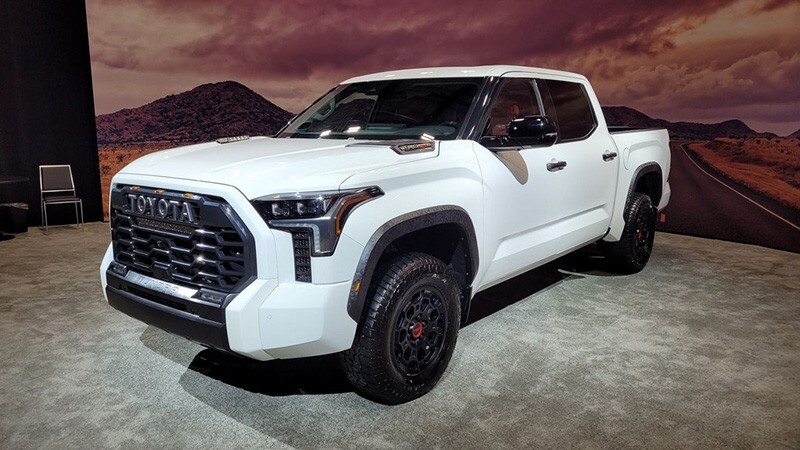
What Makes the Toyota Tundra Reliable?
The Toyota Tundra has built its reputation on a simple principle: long term durability. While many truck manufacturers focus heavily on introducing new technologies and features, Toyota has traditionally prioritized proven engineering and reliability. This conservative approach has helped the Tundra become one of the most dependable full size pickup trucks available.
One of the key reasons behind the Tundra’s reliability is Toyota’s commitment to quality control. Every component is subjected to rigorous testing before reaching production vehicles. This attention to detail often results in fewer mechanical issues and a longer service life compared to many competitors.
Another factor contributing to the truck’s durability is its body on frame construction. This design provides exceptional strength for towing, hauling, and off road use. It also allows the vehicle to withstand years of heavy use without experiencing the structural fatigue that can affect less robust designs.
The Tundra’s powertrains have also played a major role in its reputation. Older generations equipped with the 4.7 liter and 5.7 liter V8 engines became known for their ability to accumulate hundreds of thousands of miles with routine maintenance. Although newer models have transitioned to turbocharged V6 engines, Toyota has continued to emphasize durability through extensive testing and engineering improvements.
Perhaps the strongest evidence of Toyota Tundra reliability comes from owners themselves. Across online communities and automotive forums, countless drivers report trouble free ownership experiences that span well over a decade. For buyers seeking a truck that can remain dependable for the long haul, the Tundra consistently stands out as one of the safest choices in the segment.
Toyota Tundra Reliability Ratings
Reliability ratings provide valuable insight into how a vehicle performs over time, and the Toyota Tundra consistently ranks among the top full size trucks in this category. Various automotive research organizations, owner surveys, and long term dependability studies often place the Tundra ahead of many of its domestic rivals.
One reason for these strong ratings is the relatively low frequency of major mechanical failures reported by owners. While every vehicle can experience occasional problems, Tundras tend to require fewer significant repairs as they age. This translates into lower ownership stress and reduced repair expenses over the life of the truck.
Owner satisfaction also remains remarkably high. Many drivers praise the Tundra for its predictable maintenance requirements, durable drivetrain components, and ability to perform consistently under demanding conditions. Whether used as a work truck or a family vehicle, the Tundra often earns positive reviews for its reliability and longevity.
When compared with competitors such as the Ford F 150, Chevrolet Silverado 1500, and Ram 1500, the Tundra frequently scores higher in long term dependability. Some rivals may offer more engine choices or advanced technology features, but the Tundra’s reputation for lasting hundreds of thousands of miles continues to attract buyers who prioritize reliability over cutting edge innovation.
For consumers looking at long term ownership costs rather than short term features, the Tundra’s reliability ratings provide a compelling reason to consider this truck as a serious investment.
How Long Do Toyota Tundras Last?
One of the most common questions prospective buyers ask is how many miles a Toyota Tundra can realistically last. The answer is one of the reasons the truck enjoys such a strong reputation in the automotive industry.
With proper maintenance, many Toyota Tundras can easily exceed 200,000 miles. Reaching this milestone is not unusual and is often considered a realistic expectation rather than an exceptional achievement. Numerous owners continue driving their trucks well beyond this point with minimal major repairs.
Some high mileage examples have even surpassed 300,000 miles and, in rare cases, 500,000 miles. These impressive figures demonstrate the durability of the Tundra’s engines, transmissions, and overall construction. Routine oil changes, timely fluid replacements, regular inspections, and responsible driving habits all contribute to achieving this level of longevity.
Several factors influence how long a Toyota Tundra will last. Maintenance history is perhaps the most important. Trucks that receive consistent servicing according to manufacturer recommendations typically experience fewer problems and maintain stronger performance over time. Driving conditions also matter. Vehicles used primarily for highway driving often experience less wear than those subjected to heavy towing, construction work, or extreme off road conditions.
The good news for owners is that Toyota designed the Tundra with long term durability in mind. While no vehicle lasts forever, the Tundra remains one of the few full size trucks capable of providing dependable service for decades when properly cared for. For buyers seeking a truck with exceptional lifespan potential, the Toyota Tundra continues to set a high standard within its class.
Common Toyota Tundra Problems Owners Should Know
Although the Toyota Tundra is widely recognized for its reliability, no vehicle is completely free from potential issues. Understanding the most common problems can help current owners maintain their trucks properly and allow prospective buyers to make informed purchasing decisions.
One of the most discussed concerns affects certain older Tundra models that experienced frame rust issues. In regions where roads are heavily treated with salt during winter, corrosion could develop on the truck’s frame over time. Toyota addressed this issue through inspections and service campaigns, but buyers considering older used models should carefully inspect the undercarriage for signs of excessive rust.
Another issue reported by some owners involves the secondary air injection system. This component helps reduce emissions during engine startup, but failures can trigger warning lights and potentially place the truck into a reduced performance mode. Repair costs can be significant if the problem is not addressed promptly.
Certain model years have also experienced exhaust manifold failures. Drivers may notice ticking sounds from the engine bay, reduced fuel efficiency, or illuminated check engine lights. While not an extremely widespread issue, it can occur on higher mileage vehicles.
Owners of newer third generation Tundras have occasionally reported concerns related to the twin turbocharged V6 engine. As with many newly redesigned vehicles, early production models may experience isolated issues that are later corrected through software updates, recalls, or engineering revisions. Fortunately, Toyota has a strong track record of responding to customer concerns and implementing improvements.
Despite these known issues, the overall number of serious reliability complaints remains relatively low compared to many competitors. Most Tundras provide years of dependable service when properly maintained and inspected on a regular basis.
Toyota Tundra Maintenance Costs and Ownership Expenses
Reliability and maintenance costs often go hand in hand. One of the reasons many buyers choose the Toyota Tundra is the belief that a reliable truck will ultimately cost less to own over the long term. While maintenance expenses cannot be avoided entirely, the Tundra generally performs well in this area.
Routine maintenance includes oil changes, tire rotations, brake service, air filter replacements, and fluid inspections. These standard services are comparable to those of other full size pickup trucks and are generally predictable throughout ownership.
Repair costs can vary depending on model year, mileage, and driving conditions. However, because Toyota has a reputation for producing durable components, many owners experience fewer major repairs than they might with some competing trucks. This can translate into significant savings over several years of ownership.
Fuel costs are another important consideration. Older V8 powered Tundras were known for their durability but not necessarily their fuel efficiency. The newer twin turbocharged V6 engines were designed to improve performance while also delivering better fuel economy. Buyers who drive long distances may appreciate these improvements, especially as fuel prices fluctuate.
Insurance costs are generally in line with other full size trucks in the segment. Factors such as location, driving history, vehicle trim level, and annual mileage will influence individual premiums.
When all ownership expenses are considered together, many Tundra owners find that the truck’s strong reliability helps offset its purchase price. Fewer unexpected repairs and excellent resale value often contribute to a lower overall cost of ownership compared to less dependable alternatives.
Best Toyota Tundra Years to Buy
Not all model years perform equally, and some Toyota Tundras have earned stronger reputations than others. Buyers searching for a used truck can often maximize reliability by focusing on the most highly regarded years.
The 2013 Toyota Tundra is frequently praised for its proven V8 engine lineup and relatively low number of reported mechanical issues. By this point in the generation’s lifecycle, Toyota had already addressed many earlier concerns, resulting in a mature and dependable platform.
The 2018 Toyota Tundra is another standout option. It combines modern safety features with the legendary 5.7 liter V8 engine that many enthusiasts consider one of the most reliable truck engines ever produced. Owners consistently report excellent durability and high satisfaction levels.
The 2020 Toyota Tundra is often recommended because it offers updated technology while maintaining the proven mechanical components that helped establish the truck’s reputation. This model year strikes an appealing balance between modern convenience and long term dependability.
The 2021 Toyota Tundra represents the final year before the major redesign. As a result, many automotive experts view it as one of the safest used truck purchases available. Toyota had years to refine the platform, creating a highly reliable vehicle with strong resale value.
Choosing one of these recommended model years can reduce the likelihood of encountering major problems while providing the durability and longevity that Toyota Tundra owners have come to expect. Regardless of the year selected, buyers should still review maintenance records, inspect the vehicle thoroughly, and obtain a professional pre purchase inspection whenever possible.
Toyota Tundra Years to Approach with Caution
While the Toyota Tundra enjoys an excellent reputation for reliability, certain model years deserve closer scrutiny before purchase. This does not necessarily mean these trucks should be avoided entirely, but buyers should perform extra research and inspections to ensure they are making a smart investment.
The 2007 Toyota Tundra marked the beginning of the second generation and introduced significant changes to the truck’s design, powertrain options, and overall capabilities. As is often the case with major redesigns, some early production vehicles experienced more issues than later models. Certain owners reported concerns involving drivetrain components, minor electrical problems, and premature wear of specific parts.
The 2008 Toyota Tundra continued to build on the redesigned platform but remained affected by some of the concerns that appeared during the generation’s early years. Although many examples have proven dependable, buyers should pay close attention to maintenance history and inspect for frame corrosion, particularly in regions with harsh winter climates.
Early 2022 Toyota Tundra models also warrant additional evaluation. This model year introduced the third generation Tundra along with an entirely new twin turbocharged V6 engine and updated technology systems. While the redesign brought significant improvements in performance and efficiency, some owners reported early production issues ranging from software glitches to isolated engine related concerns. Toyota has addressed many of these issues through updates, service bulletins, and ongoing refinements.
The key takeaway is that first year models often carry more risk than vehicles produced later in a generation. Buyers interested in these years should verify recall completion, review service records carefully, and consider obtaining a comprehensive inspection from a qualified technician before finalizing a purchase.
Toyota Tundra vs Ford F-150 Reliability
The Toyota Tundra and Ford F 150 are two of the most recognizable names in the full size truck market. While both vehicles offer impressive capabilities, reliability remains one of the most important factors influencing buying decisions.
The Ford F 150 provides a wider variety of engine options, trim levels, and technology packages. It has been America’s best selling truck for decades and appeals to buyers seeking customization and versatility. However, the larger number of available configurations can sometimes result in more variation in long term reliability.
The Toyota Tundra takes a different approach. Rather than offering numerous engine choices, Toyota has historically focused on a smaller lineup of thoroughly tested powertrains. This strategy has contributed to the truck’s reputation for consistency and durability.
When evaluating long term ownership, many industry analysts and owners report that the Tundra experiences fewer major mechanical failures over extended periods. Trucks that routinely exceed 200,000 miles without significant drivetrain repairs are common within the Toyota community. Although the Ford F 150 is certainly capable of high mileage performance, reliability outcomes often vary more depending on engine selection and maintenance history.
Maintenance costs can also favor the Tundra over time. Fewer unexpected repairs and strong component durability often reduce ownership stress and long term expenses. In addition, Toyota’s exceptional resale value means owners frequently recover more of their investment when it comes time to sell or trade in the vehicle.
For buyers prioritizing technology, engine variety, and towing configurations, the F 150 remains an excellent option. For those who place reliability, longevity, and peace of mind above all else, the Toyota Tundra often emerges as the stronger choice.
Is a Used Toyota Tundra Worth Buying?
For many truck shoppers, purchasing a used Toyota Tundra represents one of the smartest ways to obtain a dependable full size pickup without paying the price of a brand new vehicle. Thanks to its strong reliability record, the Tundra often remains a capable and trustworthy truck even after accumulating substantial mileage.
A well maintained Tundra with 100,000 miles is often considered to be in the middle stages of its lifespan rather than near the end. This reality makes used examples particularly attractive to buyers who value durability and long term ownership potential. Many owners continue driving their trucks for years after reaching mileage levels that might concern buyers of other brands.
Before purchasing a used Tundra, buyers should examine service records carefully. Consistent oil changes, scheduled maintenance, and documented repairs provide valuable insight into how the truck has been cared for throughout its life. Maintenance history is often a better indicator of future reliability than mileage alone.
Prospective buyers should also inspect the frame for rust, check suspension components for wear, evaluate transmission performance, and verify that any recall work has been completed. A professional pre purchase inspection can identify hidden issues that may not be obvious during a standard test drive.
The best candidates for used Tundra ownership include drivers who need a dependable work truck, outdoor enthusiasts who require towing capability, and families seeking a durable vehicle for long term use. While used Tundras often command higher prices than some competitors, their reputation for longevity and strong resale value frequently justifies the additional investment.
For buyers who prioritize reliability above all else, a carefully selected used Toyota Tundra remains one of the most compelling choices in the full size truck market.
Frequently Asked Questions
Are Toyota Tundras more reliable than Ford F-150s?
In many long term ownership studies and owner surveys, the Toyota Tundra is often regarded as more reliable than the Ford F 150. While the F 150 offers a broader range of engines and configurations, the Tundra has built its reputation on simplicity, durability, and long term dependability. Many Tundra owners report fewer major repairs and longer service life, making it a popular choice for buyers who prioritize reliability over advanced features.
How many miles can a Toyota Tundra last?
A properly maintained Toyota Tundra can commonly exceed 200,000 miles. Many owners have reported reaching 300,000 miles or more without major drivetrain failures. Regular maintenance, responsible driving habits, and timely repairs play a crucial role in maximizing the truck’s lifespan. With proper care, a Tundra can remain reliable for well over a decade.
What is the most reliable Toyota Tundra year?
Several model years stand out for their reliability, including 2013, 2018, 2020, and 2021. These years benefit from proven engineering, lower complaint rates, and strong owner satisfaction. The 2021 model is especially attractive because it represents the final year of a highly refined generation before Toyota introduced a complete redesign.
Are Toyota Tundras expensive to maintain?
Compared to many full size trucks, Toyota Tundras are generally not considered expensive to maintain. Routine maintenance costs are predictable, and the truck’s reputation for durability often results in fewer unexpected repairs. Although replacement parts and services can vary by location, many owners find that long term ownership costs remain competitive due to the vehicle’s reliability.
Is buying a used Toyota Tundra a good idea?
Yes, purchasing a used Toyota Tundra can be an excellent decision if the vehicle has been properly maintained. The truck’s strong reputation for longevity means that many examples with higher mileage still have years of dependable service remaining. Buyers should review maintenance records, inspect the vehicle thoroughly, and obtain a professional inspection before completing the purchase.
Conclusion
The answer is simple: yes, Toyota Tundras are among the most reliable full size pickup trucks available today.
Their reputation is built on decades of proven durability, robust engineering, and the ability to accumulate hundreds of thousands of miles with proper maintenance. While no vehicle is completely immune to mechanical issues, the Tundra consistently demonstrates lower rates of major failures than many of its competitors.
One of the truck’s greatest strengths is its long term value. Owners benefit not only from dependable performance but also from strong resale prices and lower ownership stress. Whether you need a truck for towing, work, outdoor adventures, or daily driving, the Tundra has repeatedly proven its ability to handle demanding conditions year after year.
Buyers considering a used Toyota Tundra should focus on well maintained examples, especially model years known for exceptional reliability such as 2013, 2018, 2020, and 2021. Conducting a thorough inspection and reviewing service records can significantly increase the chances of finding a truck that will deliver many more years of dependable service.
For drivers seeking a full size pickup that prioritizes longevity, durability, and peace of mind, the Toyota Tundra remains one of the best choices on the market. Its combination of reliability, strong resale value, and impressive lifespan continues to make it a favorite among truck owners and automotive experts alike.