Are Chevy Tahoes reliable enough to justify their price and long term ownership costs? Many buyers ask this question before choosing a full size SUV. The Chevrolet Tahoe offers strong power, a spacious interior, and a bold design. However, reliability plays the biggest role in deciding whether it is a smart investment.
Most drivers worry about costly repairs, transmission issues, and unexpected breakdowns. These problems can quickly turn an exciting purchase into a stressful experience. When you invest in a large SUV, you expect it to last for years without constant repairs.
The Chevy Tahoe delivers solid durability in many cases. Still, it does not lead the segment in reliability. Some owners report excellent performance beyond 200,000 miles. Others experience recurring issues that affect long term satisfaction. Your experience often depends on the model year and how well you maintain the vehicle.
In this guide, you will learn everything about Chevy Tahoe reliability. We will explore common problems, long term durability, and real ownership costs. By the end, you will clearly understand whether this SUV fits your needs.
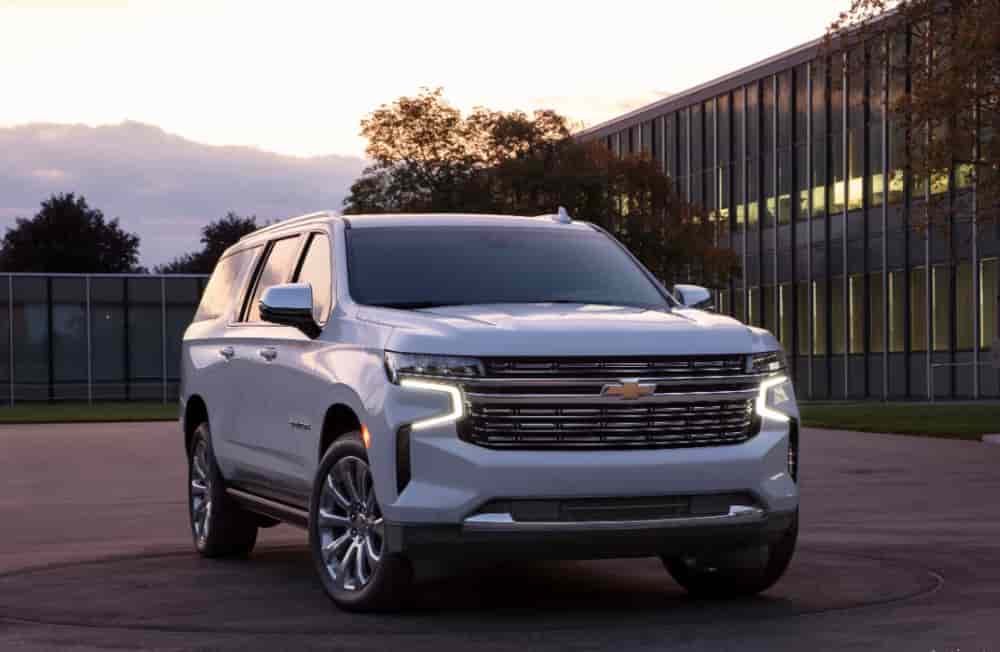
What Does “Reliability” Mean for Full Size SUVs?
When buyers ask, “Are Chevy Tahoes reliable?”, they often think about one simple thing. They want a vehicle that starts every day, runs smoothly, and does not drain their wallet with constant repairs. However, reliability in a full size SUV involves more than just avoiding breakdowns.
Reliability includes several key factors. The engine must perform consistently under heavy loads. A full size SUV like the Chevrolet Tahoe often handles towing, long road trips, and daily driving. The transmission also plays a major role. Smooth shifting and long term durability are critical for a vehicle of this size. In addition, electronic systems must work without glitches, especially with modern infotainment and safety features.
Maintenance also shapes reliability. Even the most durable SUV can fail if the owner ignores oil changes, fluid checks, or regular servicing. Driving conditions matter as well. City traffic, rough roads, and extreme weather can all reduce a vehicle’s lifespan over time.
When compared to competitors, reliability standards become clearer. The Toyota Sequoia often leads in long term dependability and low failure rates. Meanwhile, the Ford Expedition offers strong performance but shows mixed reliability depending on the model year. The Chevy Tahoe sits between these two. It balances durability and performance, but it does not always match the consistency of its top rivals.
Understanding these factors helps you evaluate the Tahoe more accurately. Instead of asking whether it is simply reliable or not, you can see how it performs across different aspects of ownership.
Are Chevy Tahoes Reliable Overall?
The Chevrolet Tahoe delivers solid reliability, but it does not lead its class. Most experts and owners rate it as above average among full size SUVs. It performs well in key areas, yet it still shows some weaknesses that buyers should consider.
One of its biggest strengths is the engine. Chevy equips the Tahoe with proven V8 engines that handle heavy loads and long trips with ease. These engines often last well beyond 200,000 miles when owners follow proper maintenance. The body on frame construction also adds durability, especially for towing and off road use.
However, the Tahoe is not without flaws. Some model years show transmission issues, especially with rough shifting or delayed response. In addition, the Active Fuel Management system can cause long term engine concerns if not maintained properly. Electrical glitches also appear in certain models, mainly in infotainment systems and sensors.
Despite these issues, many owners still trust the Tahoe for daily driving and family use. It offers a balance between strength, comfort, and long term usability. Compared to rivals, it may not match the consistency of the Toyota Sequoia, but it often outperforms expectations when properly maintained.
In simple terms, the Chevy Tahoe is reliable enough for most drivers. It becomes a strong choice if you value space, power, and versatility. Still, you should choose the right model year and stay consistent with maintenance to avoid common problems.
Common Problems with Chevy Tahoes
The Chevrolet Tahoe is generally reliable, but it still has several known issues. Understanding these problems helps you avoid costly surprises and make a smarter buying decision.
One of the most reported issues involves the transmission. Some owners experience hard shifting, delayed gear changes, or sudden jerks while driving. These problems often appear after higher mileage or poor maintenance. In some cases, repairs can become expensive if the issue worsens over time.
Another common concern is the Active Fuel Management system. This system improves fuel efficiency by shutting down some cylinders. However, it can lead to excessive oil consumption or engine wear in certain situations. If left unchecked, it may reduce long term engine reliability.
Electrical issues also affect some Tahoe models. Drivers report problems with infotainment systems, sensors, and dashboard warnings. While these issues may not stop the vehicle from running, they can create frustration during daily use.
Suspension wear is another factor to consider. Because the Tahoe is a large and heavy SUV, components like shocks and struts may wear out faster. This becomes more noticeable if you often drive on rough roads or carry heavy loads.
Despite these problems, many of them remain manageable with proper care. Regular maintenance, early detection, and choosing the right model year can significantly reduce the risk of major repairs. When you stay proactive, the Tahoe can still deliver a dependable and long lasting ownership experience.
Chevy Tahoe Reliability by Model Year
Not all Chevrolet Tahoe models offer the same level of reliability. Some years stand out for strong performance and fewer issues, while others show more frequent problems. Understanding these differences can help you avoid costly mistakes.
The 2015 to 2020 models are often considered the most reliable in recent years. These vehicles benefit from improved build quality, refined engines, and better overall consistency. Many owners report fewer major issues and strong performance over time. If you plan to buy a used Tahoe, these model years offer a safer choice.
On the other hand, the 2007 to 2014 models tend to show more problems. Common complaints include transmission issues, excessive oil consumption, and electrical glitches. While not every vehicle will fail, the risk of repairs increases with these years. Buyers should inspect these models carefully before making a decision.
The newer generation, starting from 2021, brings major upgrades in technology, comfort, and design. Chevy introduced a new independent rear suspension and advanced infotainment systems. These improvements enhance driving experience, but long term reliability data is still limited. Since these models are newer, it takes more time to fully evaluate their durability.
Choosing the right model year can make a big difference in your ownership experience. A well maintained Tahoe from a reliable year can save you thousands in repairs and provide peace of mind for years to come.
How Long Do Chevy Tahoes Last?
The Chevrolet Tahoe can last a long time when you maintain it properly. Most owners report a lifespan between 200,000 and 300,000 miles. Some vehicles even go beyond this range with careful use and regular servicing.
Engine durability plays a key role in this longevity. Chevy’s V8 engines handle heavy loads and long drives without major stress. When you follow a consistent maintenance schedule, these engines continue to perform well for many years. Regular oil changes, fluid checks, and timely repairs help extend the lifespan significantly.
Driving habits also affect how long the Tahoe lasts. Aggressive driving, frequent towing, or poor road conditions can wear down components faster. In contrast, smooth driving and highway use often reduce stress on the engine and transmission. This difference can add or remove tens of thousands of miles from the vehicle’s life.
Maintenance remains the most important factor. Skipping routine service can lead to serious issues over time. Small problems, such as minor leaks or worn parts, can turn into expensive repairs if ignored. Owners who stay proactive usually enjoy a more reliable and longer lasting vehicle.
When compared to competitors like the Toyota Sequoia, the Tahoe performs well but may fall slightly behind in long term consistency. Still, it remains one of the more durable options in the full size SUV segment.
In short, the Chevy Tahoe can deliver excellent longevity. With proper care, it becomes a vehicle you can rely on for many years and miles.
Maintenance and Ownership Costs
Owning a Chevrolet Tahoe comes with higher costs than smaller vehicles. This is expected for a full size SUV, but many buyers still underestimate the total expense over time.
Routine maintenance costs stay at a moderate to high level. Oil changes, brake service, and tire replacements cost more due to the vehicle’s size and engine capacity. On average, owners spend a noticeable amount each year to keep the Tahoe in good condition. These costs increase as the vehicle ages and parts begin to wear out.
Fuel consumption is one of the biggest concerns. The Tahoe uses a powerful V8 engine, which leads to higher fuel usage compared to smaller SUVs. This becomes a long term financial burden, especially for daily driving or long commutes. Many buyers feel surprised by how quickly fuel costs add up.
Repair costs can also impact your budget. While the Tahoe is generally durable, issues like transmission repairs or suspension replacements can be expensive. The good news is that these problems do not happen frequently if you maintain the vehicle properly. Preventive maintenance can reduce the risk of major repairs.
When compared to competitors, the Tahoe sits in the middle range for ownership costs. It is often more affordable than some luxury SUVs, but it may cost more to maintain than highly reliable models like the Toyota Sequoia.
In summary, the Chevy Tahoe requires a solid budget for maintenance and fuel. If you plan ahead and maintain it well, the costs remain manageable and predictable.
Is the Chevy Tahoe a Good Family SUV?
The Chevrolet Tahoe stands out as a strong option for families who need space, comfort, and versatility. It offers three rows of seating with plenty of legroom, even for adults. Large families or those who travel often will appreciate the generous cargo space and flexible seating layout.
Comfort plays a major role in family use. The Tahoe delivers a smooth ride on highways and handles long trips with ease. Modern models include advanced infotainment systems, multiple USB ports, and rear seat entertainment options. These features help keep passengers comfortable and engaged during long drives.
Safety is another key advantage. The Tahoe comes with a wide range of driver assistance features, including lane keeping assist, forward collision warning, and automatic emergency braking. These systems help reduce the risk of accidents and provide peace of mind for families.
Reliability also matters when choosing a family SUV. A vehicle that breaks down can disrupt daily routines and create stress. The Tahoe performs well when properly maintained, making it a dependable choice for school runs, road trips, and daily errands.
However, there are a few drawbacks to consider. Fuel consumption remains high, which can increase monthly expenses. Its large size can also make parking and maneuvering more challenging in tight urban areas.
Overall, the Chevy Tahoe works well as a family SUV. It combines space, safety, and durability, making it a practical choice for those who need a reliable and capable vehicle.
Pros and Cons Summary
The Chevrolet Tahoe offers a strong balance of power, space, and durability. However, like any vehicle, it comes with both advantages and drawbacks. Understanding these points will help you decide if it fits your needs.
Pros
The Tahoe delivers excellent engine performance. Its V8 engines provide strong acceleration and handle towing with ease. This makes it a great choice for drivers who need both power and versatility.
Interior space is another major advantage. The Tahoe offers three rows of seating and generous cargo capacity. Families and long distance travelers benefit from this flexibility.
Durability also stands out. With proper maintenance, the Tahoe can last well beyond 200,000 miles. Many owners rely on it for years without major issues.
The vehicle also includes modern safety and technology features. These systems improve driving confidence and enhance the overall experience.
Cons
Fuel economy remains one of the biggest drawbacks. The large engine consumes more fuel than smaller SUVs, which increases long term costs.
Some model years show reliability issues. Problems with the transmission, electronics, or engine systems can appear if the vehicle is not well maintained.
Maintenance and repair costs can also be higher than average. Due to its size and complexity, parts and service may cost more over time.
The large body size can make parking and city driving more difficult. This may not suit drivers who often navigate tight spaces.
Overall, the Chevy Tahoe offers strong value if you need a powerful and spacious SUV. However, you should be prepared for higher operating costs and choose the right model year.
Conclusion
So, are Chevy Tahoes reliable? The answer depends on what you expect from a full size SUV. The Chevrolet Tahoe offers solid reliability, especially when you choose the right model year and follow a proper maintenance routine. It may not rank as the most reliable SUV in its class, but it still delivers strong long term value for many drivers.
This SUV stands out with its durable V8 engine, spacious interior, and ability to handle heavy use. Many owners report that their Tahoe lasts well beyond 200,000 miles with consistent care. However, you should stay aware of common issues such as transmission concerns, fuel consumption, and higher maintenance costs. These factors can impact your overall ownership experience if you are not prepared.
If you need a large, powerful, and versatile SUV for family use or long trips, the Tahoe remains a strong option. It works best for drivers who prioritize space and performance over fuel efficiency. On the other hand, if you want maximum reliability with lower running costs, you may want to compare it with alternatives before making a final decision.
In the end, the Chevy Tahoe proves reliable enough for most buyers. The key is to stay informed, choose wisely, and maintain it properly.