The 6.7 Cummins engine has earned a strong reputation for combining impressive durability with excellent tuning potential. Found in Ram Heavy Duty trucks since 2007, this inline-six turbo diesel engine delivers substantial torque in factory form while providing enough headroom for owners who want better towing performance, quicker throttle response, or significantly higher horsepower. Because of its robust design, the 6.7 Cummins has become one of the most popular diesel platforms for aftermarket performance upgrades.
Choosing the right 6.7 Cummins performance upgrades involves more than installing the biggest turbo or the most aggressive tuner. Every modification affects airflow, fuel delivery, exhaust flow, engine temperatures, and drivetrain reliability. A well-planned upgrade path improves power while maintaining the long-term dependability that makes the Cummins platform so desirable. In contrast, installing mismatched components often increases stress on supporting systems and limits the benefits of expensive aftermarket parts.
This guide explains the most effective performance upgrades for the 6.7 Cummins, how each modification influences horsepower and torque, and which upgrades provide the greatest return for different driving goals. Whether you use your truck for daily commuting, heavy towing, off-road adventures, or high-performance builds, understanding how these components work together will help you build a reliable package that delivers measurable improvements instead of unnecessary expenses.
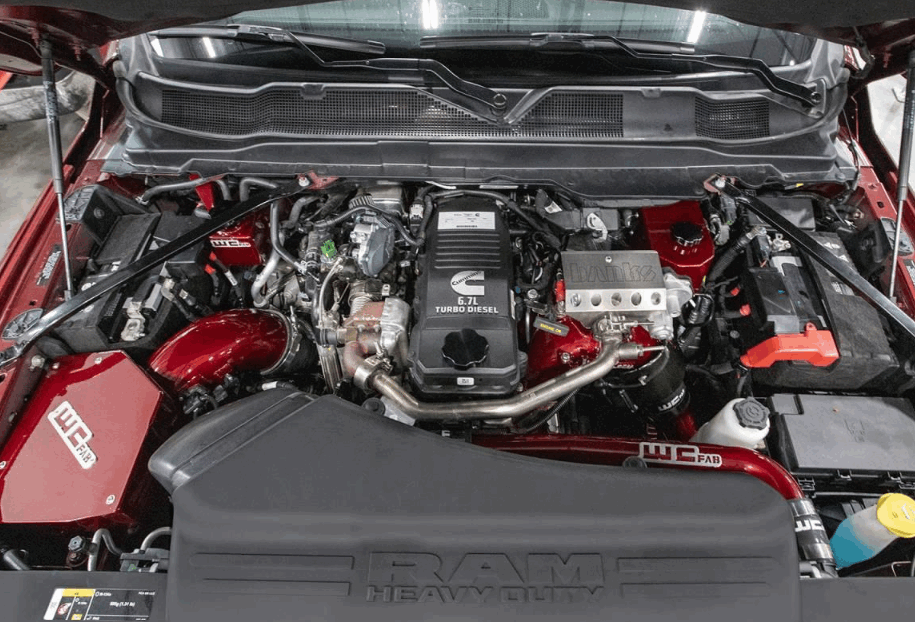
What Are the Best 6.7 Cummins Performance Upgrades?
The best 6.7 Cummins performance upgrades include ECM tuning, a cold air intake, a performance exhaust, a larger turbocharger, and fuel system upgrades. These modifications improve airflow and fuel delivery. They also help the engine produce more horsepower and torque. When combined correctly, they create a balanced performance package without sacrificing reliability.
ECM tuning is usually the first upgrade that delivers noticeable gains. It adjusts fuel injection timing, turbo boost pressure, and transmission behavior. As a result, the engine responds faster and accelerates more smoothly. A professionally developed tune can unlock factory-limited power while keeping the truck easy to drive. However, the calibration should always match the truck’s primary purpose.
Airflow upgrades work together with engine tuning. A high-flow cold air intake supplies cooler and denser air to the turbocharger. At the same time, a performance exhaust reduces backpressure and improves exhaust flow. These changes support cleaner combustion and lower exhaust gas temperatures. They also help the turbo spool more quickly during acceleration.
Drivers looking for significant horsepower increases often replace the factory turbocharger. A larger turbo pushes more air into the engine and supports higher boost levels. However, additional airflow also requires more fuel. Upgraded injectors, lift pumps, or a CP3 conversion maintain consistent fuel pressure under heavy load. These supporting components become essential as power levels continue to increase.
The best upgrade path depends on how the truck is used. A towing truck benefits from stronger low-end torque and lower exhaust gas temperatures. A daily driver usually needs better throttle response and smooth power delivery. In contrast, a high-performance build focuses on maximum airflow and fuel capacity. Choosing upgrades around a clear goal delivers better results and prevents unnecessary spending.
Which Performance Upgrade Should You Install First?
The first 6.7 Cummins performance upgrade should match your driving goals instead of following the most expensive option. Most owners achieve the best results by starting with engine tuning and airflow improvements. These upgrades deliver noticeable power gains without requiring major mechanical changes. They also provide a solid foundation for future modifications.
The first stage usually includes an ECM tuner, a cold air intake, and a performance exhaust system. Together, these parts improve airflow and optimize engine calibration. The truck responds faster to throttle input and produces more usable torque across the RPM range. At this stage, most owners also notice smoother acceleration and better drivability.
The second stage focuses on supporting components. As horsepower increases, the factory fuel system and cooling system work harder. Installing a lift pump, upgraded intercooler, or stronger transmission components helps maintain consistent performance under heavy loads. These upgrades also reduce stress on factory parts during towing or aggressive driving.
The final stage is designed for high-horsepower builds. Larger turbochargers, upgraded injectors, CP3 conversions, and built transmissions become necessary once power exceeds the limits of the stock setup. These modifications allow the engine to produce substantially more horsepower while maintaining fuel pressure and drivetrain reliability. Skipping supporting upgrades at this level often leads to excessive heat, transmission slip, or premature component failure.
Planning upgrades in the correct order saves money and improves long-term reliability. Each modification supports the next one instead of becoming a restriction. Owners who build their trucks step by step usually achieve better performance than those who install large power modifications all at once. This approach also makes diagnosing future issues much easier because every upgrade is introduced in a controlled sequence.
How Much Power Can a 6.7 Cummins Safely Handle?
A stock 6.7 Cummins can safely support moderate horsepower gains with the right tuning and supporting modifications. Most owners can increase power without sacrificing reliability if engine temperatures remain under control and the fuel system operates within its limits. However, the safe power limit depends on the truck’s model year, transmission, and intended use.
Many daily driven trucks operate reliably with moderate tuning and basic bolt-on upgrades. At this level, the factory turbocharger, fuel system, and transmission can usually handle the additional load. The engine produces stronger acceleration and higher towing performance while maintaining dependable operation. Routine maintenance also plays an important role in preserving long-term reliability.
Higher horsepower places greater stress on every major component. Cylinder pressure rises as boost and fuel delivery increase. Exhaust gas temperatures also climb during heavy acceleration or long towing sessions. If these conditions are not controlled, they can shorten the lifespan of pistons, head gaskets, and turbocharger components. Monitoring key engine data becomes increasingly important as power levels grow.
Supporting upgrades become necessary before chasing larger horsepower numbers. Stronger head studs help keep the cylinder head securely sealed under higher combustion pressure. An upgraded lift pump or CP3 conversion ensures consistent fuel delivery during full-throttle operation. Many owners also reinforce the transmission because the factory unit may begin to slip when torque exceeds its original design capacity.
Building reliable power is more effective than pursuing the highest dyno number. Every upgrade should improve the balance between airflow, fuel delivery, cooling, and drivetrain strength. A carefully planned setup produces consistent performance in everyday driving and heavy towing. It also reduces the risk of expensive mechanical failures over the long term.
Which Upgrades Improve Towing and Daily Driving?
The best upgrades for towing and daily driving increase torque, improve engine efficiency, and reduce operating temperatures. Unlike race-focused modifications, these upgrades deliver smooth and consistent power. They also help the truck perform better under heavy loads without reducing long-term reliability.
ECM tuning is one of the most effective upgrades for towing applications. A well-designed tow tune increases low-end torque and improves throttle response. The engine pulls more confidently when climbing hills or accelerating with a trailer. At the same time, proper tuning helps control exhaust gas temperatures and reduces unnecessary engine stress.
Airflow upgrades also improve everyday performance. A high-flow cold air intake supplies cooler air to the turbocharger, while a performance exhaust reduces exhaust restriction. These modifications help the engine breathe more efficiently. They also improve turbo response during low-speed acceleration and heavy towing. Drivers often notice smoother power delivery and more consistent performance on long trips.
Cooling and fuel system upgrades become valuable when the truck regularly carries heavy loads. An upgraded intercooler lowers the temperature of compressed air before it enters the engine. Cooler air supports more efficient combustion and helps maintain stable power during extended towing. A quality lift pump also provides consistent fuel pressure, reducing strain on the factory fuel system under demanding conditions.
Reliability should always remain the top priority for a working truck. Every performance upgrade should support durability instead of chasing the highest horsepower figure. Choosing components that work together creates a balanced setup with predictable performance. As a result, the truck becomes easier to drive, more capable when towing, and more dependable over thousands of miles.
What Should You Consider Before Upgrading a 6.7 Cummins?
Before installing any 6.7 Cummins performance upgrades, you should define your primary goal. Some owners want stronger towing performance, while others focus on daily driving or maximum horsepower. A clear objective makes it easier to choose compatible parts. It also prevents spending money on upgrades that provide little practical value.
Your budget should include more than the cost of performance parts. Additional expenses often include installation, custom tuning, maintenance, and supporting components. For example, a larger turbocharger may also require fuel system upgrades or transmission improvements. Planning for these costs helps avoid unfinished projects and unexpected repairs.
Reliability is another factor that should never be overlooked. Every increase in horsepower creates additional stress on the engine and drivetrain. Higher cylinder pressure, greater fuel demand, and increased exhaust temperatures all affect component life. Upgrading supporting parts at the right time helps maintain dependable performance and reduces the chance of mechanical failure.
You should also consider local emissions regulations before modifying the truck. Emissions laws vary by region, and some performance parts may not be legal for public roads. Choosing emissions-compliant upgrades protects your investment and helps avoid inspection or registration issues. It also ensures the truck remains suitable for everyday use.
The best performance build is one that balances power, reliability, and long-term value. Selecting compatible components, following a logical upgrade path, and investing in professional tuning will deliver better results than simply installing the largest aftermarket parts. A well-planned setup performs consistently, lasts longer, and provides a better driving experience in every situation.
Conclusion
The 6.7 Cummins remains one of the most capable diesel engines for aftermarket performance upgrades because it responds well to improvements in airflow, fuel delivery, and engine calibration. However, the most successful builds are not always the ones with the highest horsepower. They are the ones designed around a specific purpose and supported by reliable components.
Whether your goal is towing heavy trailers, improving everyday drivability, or building a high-performance truck, every modification should complement the rest of the system. Starting with the right upgrades and adding supporting components as power increases creates a balanced combination of performance and durability. This approach also reduces long-term maintenance costs and improves overall reliability.
Choosing quality parts and following a structured upgrade plan allows you to maximize the potential of the 6.7 Cummins without compromising dependability. As your performance goals evolve, you can continue expanding the build with confidence while maintaining the strength and versatility that have made the Cummins platform a favorite among diesel truck owners.