The Dodge 4.7L V8 has several known problem areas involving the cooling system, cylinder head and valvetrain, lubrication system, timing components, and ignition system. Symptoms such as overheating, ticking or rattling noises, rough idling, misfires, coolant loss, and low oil pressure require diagnosis because an unresolved problem can progress from a relatively simple repair to internal engine damage.
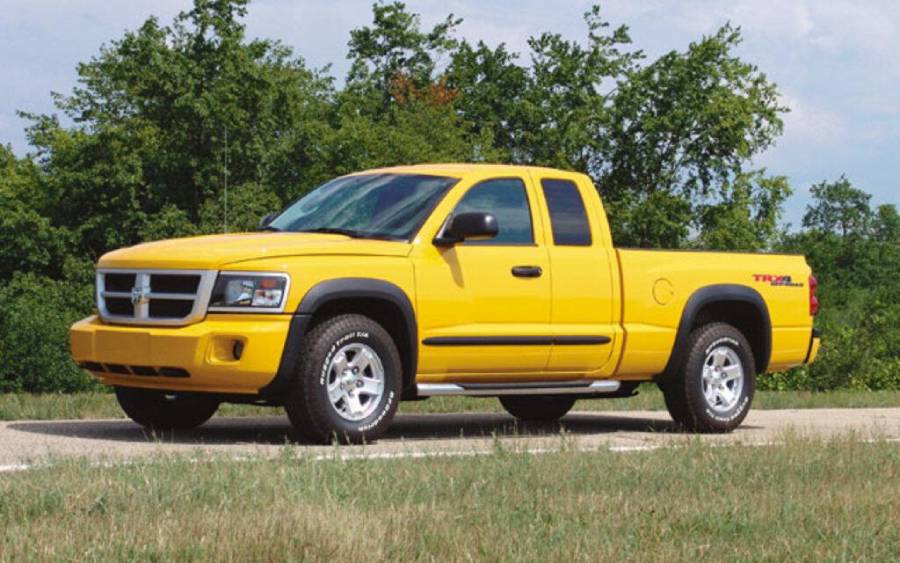
The 4.7L PowerTech V8 was used in several Dodge vehicles, including applications such as the Ram 1500, Dakota, and Durango. However, the presence of known problem areas does not mean every 4.7L engine will experience the same failures. Maintenance history, operating temperature, oil condition, mileage, and previous repairs all affect the condition and reliability of an individual engine.
This guide explains the common 4.7 Dodge engine problems by connecting each problem with its symptoms, possible causes, diagnostic process, and appropriate repair direction. It also explains which warning signs require immediate attention, how owners can reduce the risk of engine damage, and what to inspect when evaluating a used vehicle equipped with the Dodge 4.7L V8.
What Are the Most Common 4.7 Dodge Engine Problems?
The main 4.7 Dodge engine problems involve the valve seats and cylinder heads, overheating and cooling system, lubrication system, timing and valvetrain components, and ignition system. These problems do not affect every 4.7L V8 in the same way, but they represent important areas to inspect when the engine develops overheating, abnormal noise, misfires, rough running, coolant loss, or oil-pressure problems.
Valve seat and cylinder-head problems are among the more serious concerns because a mechanical failure in the valvetrain can reduce cylinder compression and potentially damage internal engine components. Overheating also deserves immediate attention because excessive operating temperature places additional thermal stress on the cylinder heads, head gaskets, and other engine components. A cooling-system fault that initially appears minor can therefore become a substantially more expensive engine repair when driving continues while the engine is overheating.
Lubrication and valvetrain problems can produce ticking, rattling, or other abnormal engine noises. Low oil level, poor oil condition, restricted lubrication, or a mechanical problem in the valvetrain should be investigated rather than diagnosed from sound alone. Persistent noise accompanied by low oil pressure, a misfire, or declining engine performance requires more urgent inspection because these symptoms can indicate a problem beyond normal operating noise.
Misfires and rough idling form another problem category. Spark plugs and ignition coils are possible causes, but a misfire can also result from fuel, air, or cylinder-compression problems. For this reason, replacing ignition components without diagnosing the affected cylinder can fail to solve the underlying fault.
| Problem area | Common symptoms | Potential severity | Diagnostic direction |
|---|---|---|---|
| Valve seat or cylinder head | Misfire, rough running, compression loss, abnormal noise | High | Compression and cylinder-head inspection |
| Cooling system and overheating | High temperature, coolant loss, overheating | High | Cooling-system inspection |
| Lubrication system | Low oil pressure, ticking or engine noise | Medium to high | Oil level, condition, pressure, and lubrication inspection |
| Timing and valvetrain | Ticking, rattling, abnormal mechanical noise | Medium to high | Timing and valvetrain inspection |
| Ignition and misfire | Check engine light, rough idle, loss of power | Low to high | Trouble-code and cylinder-specific diagnosis |
The severity of a 4.7 Dodge engine problem depends on its cause rather than the symptom alone. A misfire caused by a faulty ignition component, for example, represents a different repair scenario from a misfire caused by lost compression. Accurate diagnosis is therefore necessary before determining repair cost or whether continued driving is safe.
Why Does the Dodge 4.7 Engine Have Valve Seat Problems?
A valve seat problem becomes serious when the seat no longer maintains its correct position and prevents a valve from sealing properly against the cylinder head. The resulting loss of sealing can reduce compression in the affected cylinder, create a persistent misfire, and interfere with normal combustion. More extensive mechanical damage is possible when displaced components contact other moving parts inside the combustion chamber.
Operating temperature is particularly relevant when diagnosing a suspected cylinder-head or valve-seat problem. The cylinder head repeatedly expands and contracts as engine temperature changes. An engine that has experienced a significant overheating event should therefore receive additional attention when it subsequently develops compression loss, persistent misfires, or abnormal valvetrain noise. Overheating alone, however, does not prove that a valve seat has failed; the fault must be confirmed through mechanical diagnosis.
A suspected valve-seat failure should also be separated from simpler causes of similar symptoms. A bad spark plug or ignition coil can create a cylinder misfire without a mechanical cylinder-head failure. Likewise, fuel-delivery and intake problems can produce rough running. Checking the misfire location and testing cylinder compression helps narrow the diagnosis before the cylinder head is removed.
What Are the Symptoms of a Dropped Valve Seat on a Dodge 4.7?
The primary signs of a suspected dropped valve seat include a persistent cylinder misfire, rough running, reduced power, compression loss, and abnormal mechanical noise. Several of these symptoms overlap with ignition and fuel-system failures, so they should be treated as diagnostic clues rather than confirmation of a dropped valve seat.
Compression loss provides an important distinction. Normal combustion requires the intake and exhaust valves to seal the combustion chamber during the compression and power strokes. A valve that cannot seat correctly allows cylinder pressure to escape. The affected cylinder then produces less power and can trigger a recurring misfire that remains after basic ignition components have been checked.
Abnormal mechanical noise increases the urgency of the diagnosis, especially when it appears suddenly with a severe misfire or power loss. Continuing to operate an engine with an internal mechanical failure can allow a localized cylinder-head problem to damage a valve, piston, or other combustion-chamber components. A vehicle displaying these symptoms should therefore be inspected before additional driving.
How Do You Fix a Dodge 4.7 Dropped Valve Seat?
Fixing a dropped valve seat requires confirming the mechanical failure and inspecting the cylinder head and affected cylinder before deciding which components need repair or replacement. Replacing spark plugs or ignition coils will not correct a misfire caused by a valve that can no longer seal the combustion chamber.
Diagnosis should begin by identifying the affected cylinder through diagnostic trouble codes and misfire data. A compression test can then compare cylinder pressure, while a leak-down test can help identify where compression is escaping. Significant leakage through the valves directs the diagnosis toward the cylinder head and valvetrain rather than the ignition system.
Cylinder-head removal allows the valve seat, valves, combustion chamber, and related components to be inspected directly. The repair scope depends on the damage found. A failure confined to the cylinder head creates a different repair requirement from a failure that has also damaged the piston or cylinder. Internal damage must therefore be evaluated before choosing between cylinder-head repair, cylinder-head replacement, or a more extensive engine repair.
The key diagnostic principle is to determine the cause before replacing parts. A persistent misfire combined with low compression requires a mechanical investigation, while a misfire with normal compression keeps ignition, fuel, and air-delivery faults higher on the diagnostic list. This distinction prevents unnecessary parts replacement and identifies severe 4.7 Dodge engine problems before additional internal damage occurs.
Why Does the Dodge 4.7 Engine Overheat?
A Dodge 4.7 engine overheats when the cooling system cannot remove engine heat fast enough to maintain its normal operating temperature. The diagnostic process should focus on coolant level and circulation, the thermostat, water pump, radiator, cooling fan, hoses, and signs of coolant leakage before assuming that the engine has an internal mechanical failure.
Coolant must circulate continuously between the engine and radiator to transfer combustion heat away from the cylinder heads and engine block. A coolant leak reduces the amount of fluid available for heat transfer, while restricted circulation prevents that coolant from carrying heat efficiently to the radiator. A thermostat that does not open correctly can restrict coolant flow, and a water-pump problem can reduce circulation through the engine. Radiator airflow and cooling-fan operation also become important when overheating occurs primarily at idle or low vehicle speeds.
Repeated overheating creates a second problem because excessive temperature can damage components that were not responsible for the original cooling-system fault. The cylinder heads, head gaskets, seals, and other temperature-sensitive components experience additional thermal stress when engine temperature rises beyond its intended operating range. An owner who repeatedly adds coolant without identifying why coolant is disappearing can therefore leave the original fault unresolved while increasing the risk of consequential engine damage.
The conditions under which overheating occurs provide useful diagnostic information. Overheating at idle can point the investigation toward airflow and cooling-fan operation, while overheating under load requires examination of coolant circulation, heat transfer, and the engine’s operating condition. Rapid coolant loss requires a leak inspection, whereas recurring overheating without an obvious external leak requires further diagnosis rather than continued parts replacement.
What Are the Signs That a Dodge 4.7 Engine Is Overheating?
The main signs of an overheating Dodge 4.7 engine are an abnormally high temperature-gauge reading, a temperature warning, coolant loss, steam from the engine compartment, and recurring increases in engine temperature. These warning signs indicate that the cooling system or engine requires inspection, but they do not identify the failed component by themselves.
Coolant loss is particularly important because a cooling system is designed to operate with a controlled quantity of coolant. Visible coolant beneath the vehicle can indicate an external leak from a hose, radiator, water pump, reservoir, or another cooling-system connection. Coolant that repeatedly disappears without an obvious external leak requires additional investigation because the loss may be occurring only when the system is hot and pressurized or through another failure path.
Steam indicates that coolant or another fluid has reached a sufficiently hot surface or that the cooling system is releasing very hot coolant vapor. The engine should not be treated as safe simply because the temperature falls after stopping. The underlying reason for the temperature increase still needs to be identified before normal operation resumes.
A driver should also distinguish genuine overheating from an inaccurate temperature indication. Checking actual coolant temperature and cooling-system operation can confirm whether the engine is physically overheating or whether the temperature-sensing circuit is producing misleading information. This prevents unnecessary cooling-system repairs based only on a dashboard reading.
What Damage Can Overheating Cause to a Dodge 4.7 Engine?
Severe or repeated overheating can turn a cooling-system problem into cylinder-head, head-gasket, or internal engine damage. The risk increases when the engine continues operating at excessive temperature because metal components experience greater thermal expansion and engine oil must continue protecting moving parts under increasingly demanding conditions.
The cylinder head is directly exposed to combustion heat and relies on the cooling system to control its temperature. Excessive thermal stress can affect sealing surfaces and compromise the relationship between the cylinder head, head gasket, and engine block. The resulting problems can include compression loss, coolant leakage, abnormal combustion, or persistent overheating depending on the component that has been damaged.
Overheating can also reduce the protective margin provided by engine oil. Oil must maintain an effective lubricating film between moving components such as bearings, camshaft surfaces, and valvetrain parts. Excessive engine temperature accelerates oil degradation and can reduce lubrication effectiveness, increasing wear when the engine continues operating under severe thermal stress.
For this reason, the correct response to recurring overheating is to identify the initial cause rather than repeatedly refill coolant and continue driving. Cooling-system diagnosis performed early can prevent a thermostat, leak, circulation, or airflow problem from progressing into a cylinder-head or internal-engine repair.
What Causes Oil Sludge and Lubrication Problems in the Dodge 4.7 Engine?
Oil sludge and lubrication problems develop when engine oil can no longer circulate and protect internal components effectively because of contamination, deterioration, insufficient oil quantity, restricted oil flow, or an unresolved lubrication-system fault. The practical concern is not sludge appearance alone but whether critical engine components are receiving the oil pressure and lubrication required during operation.
Engine oil performs several functions inside the Dodge 4.7L V8. It separates moving metal surfaces, carries heat away from lubricated components, suspends contaminants, and supplies oil-dependent parts throughout the engine. Oil that remains in service beyond an appropriate maintenance interval gradually accumulates contaminants and loses performance. Low oil level creates a separate risk because the lubrication system has less oil available to circulate.
Restricted oil flow can affect components far from the oil pan. The valvetrain and other lubricated components depend on oil reaching narrow internal passages. A restriction or loss of pressure can therefore produce noise or accelerated wear even when oil remains visible on the dipstick. Oil level and oil pressure answer different diagnostic questions and should not be treated as interchangeable measurements.
Maintenance history provides important context when evaluating a used 4.7 Dodge engine. An engine with documented oil changes, the correct oil specification, and no persistent oil-pressure warning presents a different lubrication risk from an engine with unknown maintenance history, heavy deposits, low oil level, or recurring oil-pressure problems. Visual oil condition alone cannot establish the internal condition of the engine.
What Are the Symptoms of Low Oil Pressure or Sludge in a Dodge 4.7?
Important signs of a lubrication problem include an oil-pressure warning, an abnormal oil-pressure reading, persistent ticking or mechanical noise, and evidence that oil is not circulating normally. None of these symptoms should automatically be labeled as sludge because low oil pressure can have multiple mechanical and electrical causes.
An oil-pressure warning requires verification because the lubrication system protects bearings, valvetrain components, and other moving surfaces whenever the engine is running. Genuine loss of oil pressure can allow metal surfaces to operate without an adequate lubricating film. The resulting wear can progress quickly under engine load and speed.
Ticking or valvetrain noise can accompany lubrication problems when components do not receive the oil flow they require. However, noise by itself is not enough to establish low oil pressure. Timing components, valvetrain wear, exhaust leaks, and other mechanical conditions can produce sounds that owners describe in similar ways. Oil level, pressure, noise location, engine temperature, and operating conditions should therefore be evaluated together.
A dashboard oil-pressure indication can also result from a sensor or electrical problem rather than an actual loss of pressure. When the reading conflicts with other observations, measuring oil pressure mechanically provides stronger diagnostic evidence. This distinction matters because replacing a pressure sensor cannot correct genuine lubrication loss, while dismantling an engine is unnecessary when the fault exists only in the monitoring circuit.
How Can Oil-Related Damage Be Prevented in a Dodge 4.7?
Oil-related engine damage is reduced by maintaining the correct oil level, using the specified engine oil, changing the oil and filter at the required interval, repairing leaks, and investigating abnormal oil-pressure readings or mechanical noises promptly. Each action protects the lubrication system in a different way rather than functioning as a generic maintenance recommendation.
Maintaining the correct oil level ensures that the oil pump has an adequate supply during normal operation. The level should be checked according to the vehicle’s service procedure, particularly when the engine consumes or leaks oil. Repeatedly finding a low level indicates that oil is leaving the system and that the cause needs to be identified.
Using the manufacturer-specified oil viscosity and specification helps the lubrication system maintain the intended oil flow across operating temperatures. The required specification can vary by model year and application, so the applicable owner’s manual or service information should determine the oil choice rather than a universal recommendation for every 4.7L-equipped vehicle.
Oil and filter changes remove contaminated lubricant and replenish the additives needed to protect internal components. The appropriate interval should follow the maintenance schedule for the specific vehicle and its operating conditions. Severe service, extensive idling, towing, frequent short trips, or other demanding use can affect the maintenance requirements specified for a vehicle.
Persistent oil-pressure warnings, ticking, or unexplained oil loss should be diagnosed instead of managed by repeatedly adding oil. Correct maintenance reduces lubrication risk, but maintenance cannot repair an existing mechanical fault. Early diagnosis separates a routine oil-level or leak problem from a pressure, wear, or internal-engine problem that requires mechanical repair.
Why Does a Dodge 4.7 Engine Make a Ticking or Rattling Noise?
A Dodge 4.7 engine can make a ticking or rattling noise when a valvetrain, timing, lubrication, or another moving engine component is not operating normally. The sound itself does not identify the failed part, so diagnosis should consider when the noise occurs, where it originates, whether it changes with engine speed, and whether other symptoms such as low oil pressure or misfires occur at the same time.
A ticking sound from the upper part of the engine directs attention toward components in and around the valvetrain. These components depend on correct mechanical clearances and adequate lubrication to operate without excessive noise. A lubrication problem can therefore produce a symptom that resembles mechanical valvetrain wear. Checking the engine oil level and verifying oil pressure helps separate lubrication-related noise from a mechanical problem that requires further inspection.
Rattling requires a similar diagnostic approach. Timing components operate continuously while the engine runs, and abnormal movement within the timing system can create noise that changes with engine speed or operating conditions. A brief noise during startup and a persistent rattle after the engine reaches operating temperature do not provide the same diagnostic evidence. Duration, temperature, engine speed, and noise location all help narrow the possible source.
Knocking should be distinguished from lighter ticking or rattling. A deep knock that follows engine speed can indicate a more serious internal problem than a light upper-engine tick. The vehicle should receive prompt diagnosis when abnormal noise becomes louder under load, appears with low oil pressure, or develops together with a substantial loss of engine performance.
How Can You Tell Whether a Dodge 4.7 Engine Noise Is Serious?
A Dodge 4.7 engine noise becomes more concerning when it persists after startup, increases with engine speed or load, appears with low oil pressure, or occurs together with a misfire, overheating, or loss of power. These combinations provide more diagnostic value than the sound alone because they connect the noise with another affected engine system.
Cold-start behavior is one useful diagnostic condition. A noise that appears only briefly during startup should be documented separately from one that continues after the engine reaches normal operating temperature. Oil pressure, oil viscosity, component clearances, and engine temperature change during warm-up, so the timing of the sound helps a technician identify which systems require inspection.
Noise location provides another clue. A sound concentrated near the cylinder head directs diagnosis differently from a deep noise originating in the lower engine. The first can justify closer inspection of the valvetrain and related components, while the second raises concern about internal rotating components. A mechanic can use a stethoscope or other diagnostic methods to isolate the area before disassembling the engine.
Related symptoms determine urgency. Ticking combined with normal oil pressure and otherwise normal operation requires a different response from knocking accompanied by low oil pressure. Likewise, an abnormal sound that appears immediately after an overheating event should be evaluated in the context of possible heat-related engine damage.
Owners should therefore avoid replacing timing or valvetrain components solely because they hear a tick or rattle. The correct sequence is to establish the operating conditions that produce the noise, verify oil level and pressure when relevant, locate the sound, check for diagnostic trouble codes and related symptoms, and inspect the suspected mechanical system.
What Causes Misfires and Rough Idling in a Dodge 4.7 Engine?
Misfires and rough idling in a Dodge 4.7 engine can result from ignition, fuel delivery, air-intake, or mechanical compression problems. Spark plugs and ignition coils are logical early checks, but a recurring misfire should not automatically be classified as an ignition failure because a cylinder also requires the correct fuel mixture and adequate compression to produce power.
The ignition system creates the spark required to ignite the air-fuel mixture. A worn or damaged spark plug can weaken combustion in an affected cylinder, while a faulty ignition coil can prevent the plug from firing correctly. Either condition can produce rough running, loss of power, and a check engine light when the engine-control system detects abnormal combustion.
Fuel and air problems create similar symptoms through a different mechanism. Each cylinder requires an appropriate air-fuel mixture for combustion. A fuel-delivery problem can leave a cylinder without the required fuel, while an intake or vacuum-related fault can alter the amount of air entering the engine. The resulting combustion imbalance can feel similar to an ignition misfire even though replacing the spark plug or coil does not address the cause.
Mechanical compression represents the next major diagnostic category. A cylinder cannot produce normal power when it cannot adequately compress the air-fuel mixture. Valve sealing problems, cylinder-head faults, or other internal mechanical damage can therefore create persistent misfires. This connection is particularly important for the Dodge 4.7L because a mechanical problem can initially present as a symptom that appears electrical.
A rough idle without a cylinder-specific diagnosis should be approached in the same systematic way. Engine-control data, diagnostic trouble codes, ignition condition, fuel delivery, intake integrity, and mechanical condition provide separate pieces of evidence. Testing these systems in sequence reduces unnecessary parts replacement.
How Do You Diagnose a Misfire on a Dodge 4.7 Engine?
Diagnosing a Dodge 4.7 misfire starts by identifying the affected cylinder and then testing ignition, fuel and air delivery, and cylinder compression in a logical sequence. This process separates relatively straightforward ignition faults from internal mechanical problems that can require cylinder-head or engine repair.
The first step is to scan the engine-control system for diagnostic trouble codes. A cylinder-specific misfire code helps identify where combustion is failing, while other stored codes can provide information about related systems. A trouble code identifies the condition detected by the control system; it does not automatically identify the component that caused it.
The ignition system can then be inspected for an affected cylinder. The spark plug should be checked for wear, fouling, damage, or another abnormal condition. The ignition coil can also be tested rather than replaced solely because a misfire code is present. Comparing the behavior of known-good components can help determine whether the fault follows an ignition component or remains with the same cylinder.
Fuel delivery and intake conditions should be investigated when the ignition system does not explain the misfire. The goal is to establish whether the affected cylinder receives the fuel and air required for combustion. This stage prevents an internal-engine diagnosis from being made before external systems have been checked.
Compression testing becomes particularly important when the misfire remains on the same cylinder despite normal ignition and fuel operation. A cylinder with substantially lower compression than the others requires further mechanical investigation. A leak-down test can then help determine whether pressure is escaping through an intake valve, exhaust valve, piston and cylinder area, or another sealing path.
For example, a persistent cylinder misfire that remains after the ignition system has been verified and is accompanied by low compression should direct diagnosis toward the engine’s mechanical condition. By contrast, normal compression keeps ignition, fuel, and air-related faults higher on the diagnostic path.
The diagnostic sequence is therefore trouble code → affected cylinder → ignition → fuel and air → compression → internal mechanical inspection when required. Following this sequence prevents a relatively inexpensive ignition fault from being mistaken for engine failure while also preventing a genuine mechanical problem from being masked by repeated replacement of spark plugs and ignition coils.
What Dodge 4.7 Engine Problems Can Cause Complete Engine Failure?
The Dodge 4.7 engine can suffer major engine failure when severe overheating, loss of lubrication, valve or cylinder-head damage, or another internal mechanical failure progresses far enough to damage critical moving components. These failures are different from isolated ignition or sensor problems because they can affect compression, lubrication, or the physical integrity of the engine.
Severe overheating creates one path toward major engine damage. The cooling system must keep the cylinder heads and engine block within a controlled operating-temperature range. When an engine continues running while overheating, excessive thermal stress can affect cylinder-head sealing and other temperature-sensitive components. The risk increases when coolant loss or another cooling-system fault remains unresolved through repeated overheating events.
Loss of lubrication creates a second path toward engine failure. Bearings, valvetrain components, and other moving surfaces require a continuous oil supply to prevent damaging metal-to-metal contact. Genuine low oil pressure can reduce this protective oil film and accelerate wear. Continuing to operate the engine after a persistent low-oil-pressure warning can therefore turn a lubrication-system problem into internal mechanical damage.
Valve and cylinder-head failures can also progress beyond the cylinder head. A valve that no longer operates or seals correctly can cause compression loss and a persistent misfire. If a failed or displaced component makes contact inside the combustion chamber, the damage can extend to the valve, piston, cylinder head, or related components. The final repair requirement depends on the extent of physical damage found during inspection.
Not every 4.7 Dodge engine problem leads to complete engine failure. A failed ignition coil, worn spark plug, external coolant leak, or another repairable fault should not be placed in the same severity category as loss of oil pressure or internal mechanical damage. The risk of catastrophic failure depends on the underlying cause, how severe it becomes, and how long the engine continues operating after warning signs appear.
The most important distinction is between a component fault and consequential engine damage. A cooling-system component can fail without destroying the engine if the problem is identified before severe overheating occurs. Likewise, an initial lubrication warning does not necessarily mean the engine has already failed. Continuing to operate the engine after these warnings, however, increases the possibility that a repairable problem will affect additional components.
What Warning Signs Should Dodge 4.7 Owners Never Ignore?
Dodge 4.7 owners should respond immediately to severe overheating, persistent low oil pressure, heavy engine knocking, sudden power or compression loss, severe misfires, and rapid coolant loss. These warning signs can indicate conditions that threaten lubrication, cooling, combustion, or internal mechanical components.
Severe overheating requires immediate attention. Continuing to drive while the temperature remains excessively high increases thermal stress on the cylinder heads, gaskets, oil, and other engine components. The engine should be allowed to cool safely and the reason for overheating should be diagnosed before normal driving resumes.
A persistent low-oil-pressure warning requires urgent diagnosis. Oil pressure is necessary to deliver lubrication to critical moving surfaces. Verify the oil level, but do not assume adding oil solves the problem when the warning remains. A genuine pressure loss can exist even when oil is present in the engine.
Heavy knocking or a sudden new mechanical noise should not be ignored. A deep knock that changes with engine speed or load deserves greater concern than a minor unidentified sound because it can indicate a problem involving internal moving components. Noise accompanied by low oil pressure, overheating, or significant power loss increases the urgency.
A severe or persistent misfire requires diagnosis when basic ignition faults do not explain it. A misfire can originate from a spark plug or ignition coil, but it can also result from compression loss or another mechanical problem. A recurring cylinder-specific misfire combined with low compression requires investigation beyond the ignition system.
Rapid or recurring coolant loss requires a leak investigation. The cooling system cannot consistently regulate engine temperature when coolant is disappearing. External leaks should be located and repaired, while unexplained coolant loss requires further testing. Repeatedly topping off coolant treats the symptom rather than the cause.
Sudden loss of power combined with abnormal engine operation requires inspection before continued driving. Loss of power alone has numerous possible causes, but power loss accompanied by knocking, severe misfire, overheating, or other mechanical symptoms can indicate a more serious engine problem.
These warning signs can be grouped into three response levels. Stop driving when the engine is severely overheating, genuine oil pressure is lost, or heavy mechanical knocking develops. Diagnose promptly when persistent misfires, recurring coolant loss, or abnormal engine noises appear. Monitor only after a condition has been evaluated and confirmed not to represent an immediate mechanical risk.
This distinction prevents two opposite mistakes. The first is continuing to drive with a condition capable of causing consequential engine damage. The second is assuming every check engine light, tick, or misfire means the entire Dodge 4.7L engine has failed. Diagnosis should determine severity before the repair decision is made.
How Can You Prevent Common Dodge 4.7 Engine Problems?
The most effective way to reduce common Dodge 4.7 engine problems is to maintain the cooling and lubrication systems, investigate abnormal engine noises early, correct misfires promptly, and follow the maintenance requirements for the specific vehicle. Preventive maintenance cannot eliminate every mechanical failure, but it can reduce the conditions that allow a minor fault to develop into expensive internal engine damage.
Cooling-system maintenance is particularly important because overheating can affect more than the component that originally failed. Maintain the correct coolant level, inspect the system for leaks, and investigate unexplained temperature increases instead of repeatedly adding coolant. Thermostat operation, coolant circulation, radiator condition, water-pump performance, and cooling-fan operation should be checked when the engine cannot maintain its normal operating temperature.
Lubrication maintenance protects bearings, valvetrain parts, timing-related components, and other moving surfaces. Maintain the correct oil level and use the oil specification required for the vehicle’s model year and application. Oil and filter changes should follow the applicable maintenance schedule rather than a universal interval because operating conditions and manufacturer requirements can differ between vehicles.
Abnormal noises should also be investigated before they become severe. Persistent ticking, rattling, or knocking provides information about a possible mechanical or lubrication problem, particularly when the noise changes with engine speed or appears together with low oil pressure. Early diagnosis can distinguish a localized component problem from a condition capable of causing additional internal damage.
Recurring misfires require the same approach. A worn spark plug or failed ignition coil can be repaired without opening the engine, but a misfire caused by compression loss requires mechanical diagnosis. Identifying the affected cylinder and checking ignition, fuel, air, and compression prevents owners from repeatedly replacing ignition parts while an internal problem remains unresolved.
Maintenance records provide additional value over the life of the vehicle. Records of oil changes, cooling-system repairs, overheating events, and previous engine work establish a clearer history than mileage alone. This information becomes particularly useful when diagnosing a high-mileage 4.7L engine or evaluating one in a used vehicle.
Is the Dodge 4.7 Engine Reliable?
The Dodge 4.7L V8 can provide reliable service when its cooling, lubrication, ignition, and mechanical systems remain in good condition, but reliability depends heavily on maintenance history and whether previous problems were corrected before causing secondary damage. Known problem areas should therefore be treated as inspection priorities rather than evidence that every 4.7L engine will fail.
Overheating history is one of the most useful factors when evaluating an individual engine. An engine that consistently maintains the correct operating temperature presents a different risk profile from one that has repeatedly overheated or lost coolant. Previous overheating deserves additional attention because excessive temperature can affect cylinder-head sealing and other engine components even after the original cooling-system problem has been repaired.
Lubrication history provides another important indicator. Regular oil service, correct oil level, and the absence of persistent oil-pressure problems support long-term protection of internal moving components. By contrast, an unknown service history combined with low oil pressure or substantial mechanical noise creates greater uncertainty about internal engine condition.
Current operation matters as much as historical reputation. A 4.7L engine that starts correctly, maintains normal temperature and oil pressure, runs without persistent misfires, and produces no significant mechanical noise provides stronger evidence of its present condition than general statements about the engine family. Diagnostic testing becomes more valuable when warning signs are present.
Reliability should therefore be evaluated at the individual-engine level. Maintenance history, overheating history, oil pressure, cooling-system condition, compression, engine noise, diagnostic trouble codes, and previous repairs provide more actionable information than mileage or engine reputation alone.
How Long Can a Dodge 4.7 Engine Last?
There is no single mileage at which every Dodge 4.7 engine fails because engine lifespan depends on maintenance, operating conditions, overheating history, lubrication, and the condition of its internal components. A specific mileage claim is less useful than evaluating the factors that determine whether an individual engine can continue operating reliably.
Cooling-system condition has a direct effect on longevity because repeated overheating exposes the cylinder heads, gaskets, seals, and lubricating oil to excessive temperature. An engine that reaches high mileage without major overheating events can therefore have a substantially different mechanical condition from another engine with fewer miles but a history of severe temperature problems.
Lubrication produces a similar difference. Engine mileage represents accumulated distance, but it does not show whether bearings, valvetrain parts, and other moving components consistently received adequate lubrication. Correct oil level, appropriate oil specification, regular servicing, and prompt investigation of oil-pressure problems contribute more directly to component protection.
Operating conditions also influence wear. Frequent towing, extended idling, repeated short trips, heavy loads, and other demanding operating patterns can place different stresses on the engine compared with less severe use. The applicable maintenance schedule should account for the service conditions specified for the vehicle.
The condition of a high-mileage Dodge 4.7 engine should therefore be assessed through evidence rather than the odometer alone. Stable operating temperature, normal oil pressure, consistent cylinder performance, absence of severe mechanical noise, controlled oil and coolant consumption, and documented maintenance provide useful indicators of current engine health.
For a used vehicle, the practical question is not simply “How many miles does a Dodge 4.7 last?” The more useful question is whether that specific engine has been maintained correctly and whether it currently shows evidence of overheating, lubrication loss, compression problems, or internal mechanical damage. A lower-mileage engine with a poor maintenance history can represent a greater ownership risk than a higher-mileage engine with documented maintenance and healthy diagnostic results.
What Should You Check Before Buying a Used Vehicle With a Dodge 4.7 Engine?
Before buying a used vehicle with a Dodge 4.7 engine, check its cold-start behavior, operating temperature, coolant condition, oil level and pressure, engine noise, misfires, diagnostic trouble codes, maintenance records, and history of overheating or major engine repairs. These checks help distinguish a maintained 4.7L V8 from an engine that already shows signs of cooling, lubrication, compression, or internal mechanical problems.
Start the inspection with the engine cold whenever possible. A cold start provides information that can disappear after the seller has warmed the engine. Listen for persistent ticking, rattling, or knocking and observe whether the engine starts normally and settles into a stable idle. A brief unidentified sound does not establish a specific failure, but persistent mechanical noise deserves further diagnosis before purchase.
Check the cooling system because previous overheating can materially change the risk of buying a 4.7L engine. Inspect the coolant level and visible cooling-system components for leakage, then monitor engine temperature during a sufficiently long test drive. The temperature should remain controlled rather than repeatedly climbing during idle, normal driving, or acceleration. Evidence of recurring coolant loss or previous overheating warrants a more detailed cooling-system and engine inspection.
Inspect the lubrication system separately. Verify the engine oil level and condition and watch for abnormal oil-pressure indications after startup and when the engine reaches operating temperature. Look for visible oil leakage around accessible engine components. Persistent low oil pressure or mechanical noise accompanied by an oil-pressure problem should be investigated before making a purchase decision.
The engine should also idle and accelerate without a persistent misfire. A check engine light requires a diagnostic scan rather than an assumption about the cause. Stored diagnostic trouble codes can identify the system or cylinder in which the control module detected a problem, but the codes still need interpretation. A cylinder-specific misfire, for example, can originate from ignition, fuel, air, or mechanical compression problems.
Maintenance and repair records provide context that a short test drive cannot provide. Look for documentation of regular oil services, cooling-system work, previous overheating repairs, cylinder-head work, and other major engine repairs. A seller’s claim that the engine has been “maintained” provides less useful evidence than records showing what was serviced and when.
Ask specifically whether the engine has overheated in the past. Previous overheating does not automatically make a vehicle unsuitable for purchase, but the cause and repair quality matter. A documented cooling-system failure that was repaired before additional damage occurred represents a different risk from repeated overheating followed by unexplained coolant loss, misfires, or engine work with no supporting records.
A compression or leak-down test provides additional evidence when the vehicle already shows a persistent misfire, suspected compression problem, or other signs of mechanical engine damage. Compression testing compares cylinder sealing performance, while leak-down testing can help identify where pressure is escaping. These tests are more useful than replacing ignition components to see whether an unexplained misfire disappears.
A pre-purchase inspection by a qualified technician is particularly valuable when the vehicle has high mileage, incomplete maintenance records, abnormal engine noise, diagnostic trouble codes, or a history of overheating. The inspection should focus on the symptoms present in that specific vehicle rather than assuming it has a particular problem simply because it uses the Dodge 4.7L V8.
The final purchase decision should combine the engine’s current condition with its maintenance and repair history. A Dodge 4.7 engine with stable operating temperature, normal oil pressure, no persistent mechanical noise or misfire, and documented maintenance presents a lower mechanical risk than one with recurring overheating, low oil pressure, compression loss, heavy knocking, or an unexplained repair history. Mileage should support this assessment rather than replace it.
For buyers, this is the practical value of understanding common 4.7 Dodge engine problems. Known problem areas provide a checklist of systems to inspect, but the condition of the individual engine determines whether a specific vehicle represents a reasonable purchase or a potential major repair.