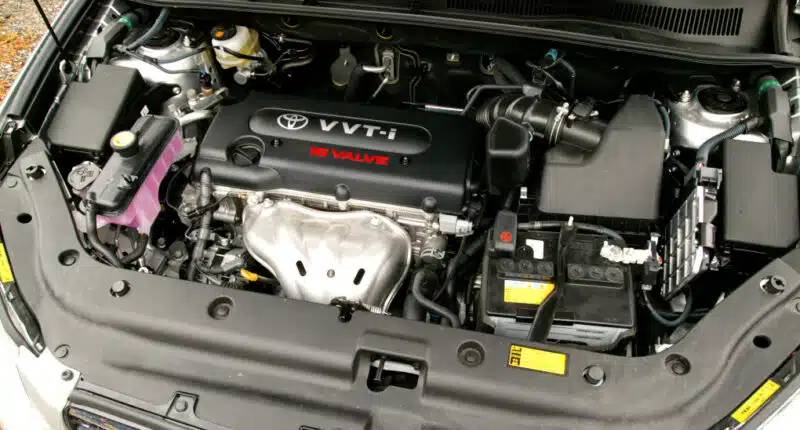
Toyota has built a global reputation for producing reliable engines that can easily last hundreds of thousands of miles with proper maintenance. However, not every Toyota engine escaped criticism. One engine that continues to spark debate among owners and mechanics is the 2AZ-FE.
Found in popular vehicles like the Toyota Camry, RAV4, Highlander, and Scion tC, the 2AZ-FE was designed to deliver a balance of fuel efficiency, affordability, and long-term durability. On paper, it looked like an excellent everyday engine. In reality, many owners eventually discovered a series of frustrating and sometimes extremely expensive problems hiding beneath its reputation.
From excessive oil consumption and stripped head bolts to overheating and rough idle issues, the 2AZ-FE engine has become infamous in online forums and repair shops alike. Some drivers report driving well past 200,000 miles without major trouble, while others face catastrophic engine failure far earlier than expected. The difference often comes down to maintenance, early diagnosis, and understanding the engine’s weak points before they become serious.
In this guide, we will break down the most common 2AZ-FE engine problems, explain what causes them, reveal the warning signs you should never ignore, and show you the most effective ways to fix or prevent these costly issues. Whether you already own a Toyota with the 2AZ-FE engine or you are considering buying a used one, this article will help you make smarter decisions and potentially save thousands of dollars in repair costs.
Excessive Oil Consumption
Without question, excessive oil consumption is the most notorious 2AZ FE engine problem. Thousands of Toyota owners have complained about constantly adding oil between oil changes, especially in 2007 to 2011 model years. In some cases, drivers reported losing an entire quart of oil every 1,000 miles or less, turning routine maintenance into a constant headache.
The problem usually begins subtly. Owners may notice the oil level dropping faster than normal or see the low oil warning light appear unexpectedly. As the issue worsens, blue smoke may come from the exhaust during startup or acceleration. Some drivers also experience engine knocking noises caused by low oil levels starving internal components of proper lubrication.
The root cause often comes down to defective piston rings. Over time, carbon buildup can cause the rings to stick, allowing oil to slip into the combustion chamber where it burns along with fuel. Poor maintenance habits and infrequent oil changes can accelerate the problem significantly.
Ignoring excessive oil burning can lead to severe engine damage. Low oil levels increase friction and heat inside the engine, eventually causing premature wear on bearings, pistons, and cylinder walls. In extreme situations, the engine may seize completely, leading to a full replacement or rebuild.
Repair options vary depending on the severity of the issue. Some owners manage the problem temporarily by checking oil levels frequently and using higher mileage oil products. However, permanent repairs usually require replacing piston rings or rebuilding parts of the engine. Unfortunately, these repairs can become expensive due to labor costs.
Despite the frustration, catching the issue early can dramatically extend the life of the 2AZ FE engine. Owners who stay proactive with maintenance often avoid catastrophic failure and continue driving their vehicles reliably for many years.
Stripped Head Bolts and Head Gasket Failure
Another major weakness of the 2AZ FE engine involves stripped head bolts and failing head gaskets. While this problem is less common than oil consumption, it is often far more expensive and potentially devastating if left unresolved.
The issue typically appears in higher mileage engines, particularly those exposed to repeated overheating cycles. The aluminum engine block used in the 2AZ FE can gradually lose thread strength around the head bolts. Over time, the bolts begin pulling out of the block, reducing the clamping force needed to keep the cylinder head sealed properly.
When this happens, coolant may start leaking internally or externally. Drivers commonly notice rising engine temperatures, unexplained coolant loss, white smoke from the exhaust, or rough engine performance. In some cases, the vehicle may misfire or overheat repeatedly despite replacing cooling system components.
One of the biggest frustrations for owners is that the symptoms can mimic several other engine problems. Many drivers replace thermostats, radiators, or water pumps before discovering the real issue lies deep inside the engine block itself.
If ignored, a failing head gasket can quickly escalate into catastrophic engine damage. Coolant entering the combustion chamber can warp the cylinder head, damage pistons, and contaminate engine oil. Repair costs increase dramatically once severe overheating occurs.
Fixing stripped head bolts usually requires installing thread repair inserts such as Timeserts to restore proper bolt tension. In many cases, mechanics also replace the head gasket and machine the cylinder head to ensure a perfect seal. Although the repair can save the engine, it is labor intensive and often expensive enough to make some owners consider replacing the entire vehicle instead.
For buyers shopping for used Toyota vehicles with the 2AZ FE engine, checking for overheating history and coolant leaks is extremely important. Early detection can prevent one of the most financially painful problems associated with this engine.
Engine Overheating Problems
Overheating is another common complaint linked to the 2AZ FE engine, and it often acts as the trigger for several other major failures. While overheating itself may seem like a standard maintenance issue, ignoring it in this engine can quickly spiral into severe mechanical damage and enormous repair bills.
One common cause is water pump failure. As the pump wears out, coolant circulation becomes weak or inconsistent, allowing engine temperatures to rise rapidly during driving. Thermostat failures, radiator leaks, clogged cooling passages, or failing cooling fans can also contribute to overheating problems.
Drivers usually notice warning signs early if they pay attention. The temperature gauge may climb higher than normal, steam may appear from under the hood, or the cabin heater may suddenly stop blowing warm air. In some situations, coolant leaks become visible underneath the vehicle after parking.
Unfortunately, many owners continue driving even after the engine starts overheating. This is where serious damage begins. Excessive heat can warp the cylinder head, damage the head gasket, weaken internal seals, and increase the risk of stripped head bolts. What starts as a relatively affordable cooling system repair can eventually turn into a full engine rebuild.
Preventing overheating problems in the 2AZ FE engine requires consistent maintenance. Coolant should be flushed at recommended intervals, leaks should never be ignored, and worn components like thermostats or water pumps should be replaced before failure occurs. Drivers should also monitor engine temperatures carefully during hot weather or long highway trips.
If the engine overheats even once, inspecting the cooling system immediately is critical. Catching the issue early may save thousands of dollars and prevent permanent engine damage that could otherwise shorten the vehicle’s lifespan dramatically.
Rough Idle and Engine Vibration
Many 2AZ FE owners eventually experience rough idle and noticeable engine vibration, especially as the vehicle ages and mileage increases. While this issue may not sound as catastrophic as oil burning or overheating, it can make the driving experience feel frustrating, unreliable, and far less refined than most people expect from a Toyota.
Drivers commonly notice the steering wheel shaking while stopped at traffic lights or feel vibrations throughout the cabin when the engine is idling. In some cases, the RPM needle fluctuates unexpectedly, and the engine may hesitate during acceleration. These symptoms often become more noticeable when the air conditioning is turned on or when the engine is under additional load.
Several components can contribute to rough idle problems in the 2AZ FE engine. One of the most common causes is a dirty throttle body. Over time, carbon deposits build up inside the intake system, restricting airflow and disrupting the engine’s air fuel mixture. Faulty ignition coils or worn spark plugs can also create uneven combustion, leading to shaking and hesitation.
Another overlooked issue involves worn motor mounts. As the rubber inside the mounts deteriorates, engine vibrations transfer directly into the cabin, making the entire vehicle feel rougher and older than it actually is. Vacuum leaks, dirty fuel injectors, and failing sensors may also contribute to unstable idle behavior.
Fortunately, many rough idle issues are relatively affordable to repair if diagnosed early. Cleaning the throttle body, replacing spark plugs, inspecting ignition coils, and checking vacuum lines often restore smooth engine performance. Replacing worn motor mounts can also make a dramatic difference in overall driving comfort.
Although rough idle problems may seem minor at first, ignoring them for too long can place additional stress on engine components and reduce fuel efficiency. Owners who address these symptoms early usually avoid more complicated repairs later.
Timing Chain Noise
The 2AZ FE engine uses a timing chain instead of a traditional timing belt, which is generally considered more durable and longer lasting. However, that does not mean the timing system is immune to problems. As mileage increases, many owners begin hearing unusual rattling or metallic ticking noises coming from the engine, especially during cold starts.
The noise often lasts only a few seconds at first, making it easy to dismiss. Over time, however, the sound may become louder and more frequent. In severe cases, drivers may hear continuous rattling while accelerating or idling.
One of the most common causes is a worn timing chain tensioner. The tensioner is responsible for maintaining proper pressure on the timing chain, preventing slack and ensuring accurate valve timing. When the tensioner weakens or loses oil pressure, the chain can loosen temporarily during startup, creating the characteristic rattling sound.
Poor oil maintenance can significantly accelerate timing chain wear. Dirty or low oil reduces lubrication throughout the timing system, increasing friction and stress on components. This is especially important in the 2AZ FE engine because many owners already struggle with excessive oil consumption problems.
Ignoring timing chain noise can become dangerous. If the chain stretches excessively or slips out of alignment, engine timing may become inaccurate. This can lead to poor performance, misfires, or severe internal engine damage. In worst case scenarios, valves and pistons may collide, resulting in catastrophic failure.
Repair solutions depend on the severity of the issue. Some vehicles only require a new timing chain tensioner, while others need a complete timing chain service including guides and related components. Although the repair can be costly, addressing the issue early is far cheaper than replacing a damaged engine.
Water Pump Failure
Water pump failure is another frequent issue found in aging 2AZ FE engines. Since the water pump plays a critical role in circulating coolant throughout the engine, even a minor failure can quickly lead to overheating and potentially severe engine damage.
Most owners first notice coolant leaks underneath the vehicle or around the front area of the engine. In some cases, the pump may produce whining or grinding noises caused by worn internal bearings. As the problem worsens, engine temperatures may begin rising unpredictably, especially during heavy traffic or long drives.
The water pump naturally wears out over time, particularly in high mileage vehicles. Heat cycles, aging seals, and contaminated coolant all contribute to premature wear. Unfortunately, many drivers ignore small coolant leaks until overheating occurs, dramatically increasing the risk of larger engine problems.
One reason water pump issues are especially concerning in the 2AZ FE engine is the connection between overheating and stripped head bolts. A failing pump can trigger excessive heat buildup, which then weakens the aluminum block threads and contributes to head gasket failure. What starts as a manageable repair can quickly become a multi thousand dollar nightmare.
Replacing the water pump is usually the safest long term solution once leaks or bearing noise appear. Mechanics often recommend inspecting belts, pulleys, and the cooling system at the same time to prevent future failures. Using high quality coolant and performing regular cooling system maintenance can also help extend water pump life significantly.
For owners with vehicles approaching high mileage, proactive replacement may actually save money in the long run. Preventing a major overheating event is far less expensive than dealing with warped cylinder heads or complete engine failure later.
Check Engine Light and Sensor Failures
One of the most frustrating aspects of owning an aging 2AZ FE powered vehicle is dealing with recurring check engine lights. While some warning lights may indicate relatively minor issues, others can signal deeper engine problems that should never be ignored. Unfortunately, many owners continue driving without diagnosing the cause, allowing small problems to grow into expensive repairs over time.
The 2AZ FE engine relies heavily on electronic sensors to manage fuel delivery, ignition timing, emissions, and overall engine performance. As these sensors age, they can begin sending inaccurate data to the engine control module, resulting in poor drivability and reduced efficiency.
Oxygen sensor failure is among the most common issues. When the sensor stops reading exhaust gases accurately, the engine may burn too much fuel, causing poor fuel economy and sluggish performance. Drivers may also notice rough acceleration or unusual exhaust smells.
Mass airflow sensor problems can create similar symptoms. A dirty or failing sensor disrupts airflow readings, leading to unstable idle, hesitation, and inconsistent throttle response. In some cases, the engine may even stall unexpectedly during low speed driving.
Another common issue involves the knock sensor. This sensor monitors engine vibrations and helps prevent internal damage caused by improper combustion. When the knock sensor fails, the engine computer may reduce power output as a protective measure, making the vehicle feel unusually weak and unresponsive.
Fortunately, diagnosing sensor problems has become easier thanks to modern OBD2 scanners. Reading diagnostic trouble codes can quickly narrow down the source of the issue and prevent unnecessary parts replacement. Common fault codes associated with the 2AZ FE engine often include oxygen sensor efficiency errors, misfire codes, and airflow sensor faults.
Replacing faulty sensors is usually far less expensive than major engine repairs, but ignoring warning lights can eventually damage the catalytic converter, reduce fuel efficiency, and increase stress on other engine components. Owners who respond quickly to warning signs typically save significant money over the long term.
Is the 2AZ FE Engine Still Reliable?
Despite its well known weaknesses, the 2AZ FE engine is not universally considered a bad engine. In fact, many owners continue driving these engines well beyond 200,000 miles with relatively few major problems. The real question is not whether the engine can be reliable, but whether it has been maintained properly throughout its life.
Toyota originally designed the 2AZ FE to deliver dependable daily transportation with strong fuel efficiency and low operating costs. In many ways, it succeeded. Replacement parts remain widely available, repairs are generally straightforward for experienced mechanics, and the engine offers decent performance for everyday driving.
However, the engine’s reputation suffered significantly because of recurring oil consumption issues and head bolt failures. These problems created distrust among owners who expected Toyota level reliability without major mechanical surprises. For some drivers, expensive repairs completely overshadow the engine’s strengths.
Maintenance history plays an enormous role in determining long term reliability. Engines that received regular oil changes, proper cooling system maintenance, and early repairs often continue operating smoothly for years. On the other hand, neglected engines can deteriorate rapidly once problems begin appearing.
For buyers considering a used Toyota Camry, RAV4, Highlander, or Scion tC equipped with the 2AZ FE engine, careful inspection is critical. Signs of heavy oil burning, coolant loss, overheating history, or rough engine operation should never be ignored. Service records showing consistent maintenance are extremely valuable and may indicate a healthier engine overall.
While the 2AZ FE may never achieve the legendary status of Toyota’s most durable engines, it is still capable of delivering long service life when treated properly. Understanding its weaknesses simply allows owners to stay ahead of costly failures before they become catastrophic.
Conclusion
The 2AZ FE engine remains one of Toyota’s most controversial modern engines. Some owners praise its fuel efficiency, affordability, and ability to survive high mileage driving, while others remember the frustration of excessive oil consumption, overheating problems, and expensive head gasket repairs. The truth lies somewhere in the middle.
Like many engines, the 2AZ FE has several known weak points that require attention as mileage increases. Excessive oil burning, stripped head bolts, rough idle, timing chain noise, water pump failures, and sensor issues can all become serious if ignored for too long. However, early diagnosis and consistent maintenance often make the difference between a manageable repair and complete engine failure.
For current owners, staying proactive is the best strategy. Monitoring oil levels regularly, inspecting the cooling system, responding quickly to warning lights, and addressing unusual noises early can dramatically extend the engine’s lifespan. Many catastrophic failures begin as relatively small issues that were simply neglected for too long.
For used car buyers, the 2AZ FE engine should not automatically be considered a deal breaker. A well maintained example with detailed service history can still provide years of reliable transportation. However, buyers should approach neglected vehicles cautiously, especially if signs of overheating or severe oil consumption are present.
Ultimately, understanding the common 2AZ FE engine problems gives owners the knowledge needed to avoid major surprises, reduce repair costs, and make smarter decisions about maintenance and future vehicle purchases.
Have you experienced any major problems with a 2AZ FE engine? Which repair ended up costing the most? Would you still buy another Toyota equipped with this engine?