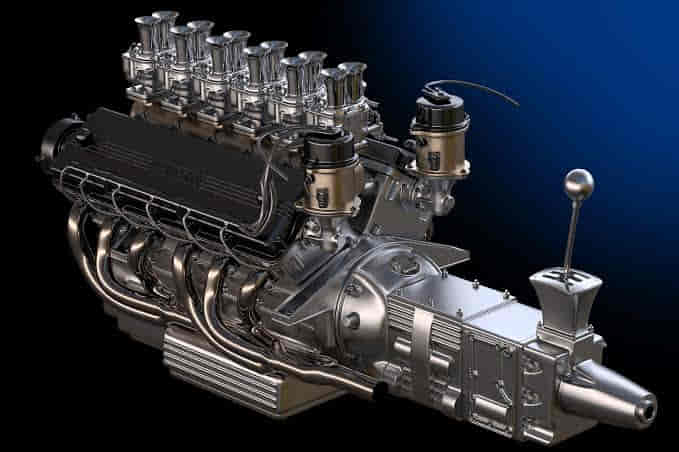
Cars with V12 engines include supercars, hypercars, luxury sedans, grand touring cars, and classic automobiles. Manufacturers such as Ferrari, Lamborghini, Aston Martin, Rolls-Royce, and Pagani have used V12 engines in vehicles designed for high performance, smooth power delivery, or exceptional luxury. However, not every model from these brands has a V12 engine, and the available configurations vary by model year and vehicle version.
Modern V12 cars include models such as the Ferrari 12Cilindri, Lamborghini Revuelto, Aston Martin Vanquish, Rolls-Royce Phantom, and Pagani Utopia. Some combine a V12 engine with hybrid technology, while others use a naturally aspirated engine to deliver power without turbocharging. Earlier generations also include notable cars such as the Ferrari Enzo, Lamborghini Aventador, McLaren F1, and BMW 760i variants equipped with V12 engines.
The easiest way to understand which cars have V12 engines is to separate current models from discontinued and classic vehicles, then organize them by manufacturer and vehicle category. This distinction matters because a model name can cover several generations with different engine configurations.
This guide explores cars equipped with V12 engines, explains which manufacturers have used them, and examines how V12 engines differ from other engine types. It also covers why these engines are becoming less common and how to verify the engine configuration of a specific car.
What Cars Have V12 Engines Today?
Several modern supercars and luxury vehicles use V12 engines, including the Ferrari 12Cilindri, Lamborghini Revuelto, Aston Martin Vanquish, Rolls-Royce Phantom, and Pagani Utopia. These cars demonstrate how manufacturers continue to use twelve-cylinder engines for high performance, smooth power delivery, and premium driving experiences. However, a model’s availability and production status depend on the model year and market, so current specifications should be checked against official manufacturer information.
The Ferrari 12Cilindri uses a naturally aspirated 6.5-liter V12 engine designed to deliver high-revving performance without turbochargers. Its front-mounted engine configuration reflects Ferrari’s grand touring heritage, combining a powerful twelve-cylinder powertrain with a two-seat sports car layout. For buyers interested in a modern V12 that retains a naturally aspirated design, the 12Cilindri is a notable example.
The Lamborghini Revuelto uses a 6.5-liter naturally aspirated V12 as part of a plug-in hybrid powertrain. Electric motors work alongside the combustion engine to provide additional power and support the vehicle’s performance characteristics. This configuration illustrates how a traditional V12 engine can remain part of a modern vehicle while manufacturers integrate electrification into their powertrains.
The Aston Martin Vanquish is another example of a modern luxury sports car equipped with a twin-turbocharged 5.2-liter V12. Unlike naturally aspirated V12 engines, its turbochargers force additional air into the engine, helping produce strong power and torque across the operating range. This approach combines the character of a twelve-cylinder engine with modern forced-induction technology.
Luxury vehicles use V12 engines for different reasons. The Rolls-Royce Phantom uses a twin-turbocharged 6.75-liter V12 to prioritize effortless acceleration, quiet operation, and refined power delivery rather than track-focused performance. The Pagani Utopia, meanwhile, uses a Mercedes-AMG-sourced twin-turbocharged 6.0-liter V12, reflecting its focus on specialist engineering and exclusive performance.
These examples show that modern V12 cars are not limited to one category. Ferrari and Lamborghini emphasize sports-car performance, Aston Martin combines performance with grand touring characteristics, Rolls-Royce focuses on luxury, and Pagani targets the exclusive hypercar market. Because production plans and specifications can change, buyers should confirm the exact model year, engine configuration, and regional availability before treating any model as currently available for purchase.
Read more: Ticking Noise From Engine at Idle
Which Supercars and Hypercars Have V12 Engines?
Several iconic supercars and hypercars use V12 engines, including the Ferrari 12Cilindri, Ferrari 812 Superfast, Lamborghini Aventador, Lamborghini Revuelto, Pagani Zonda, and Pagani Utopia. These vehicles use twelve-cylinder powertrains to support high performance, distinctive engine characteristics, and, in many cases, high-revving power delivery. Their engineering approaches differ, however, because some use naturally aspirated engines while others rely on turbocharging or hybrid assistance.
Ferrari has a long history of using V12 engines in high-performance road cars. The Ferrari 812 Superfast features a naturally aspirated 6.5-liter V12, while the newer Ferrari 12Cilindri continues the brand’s naturally aspirated V12 tradition. These engines deliver power without turbochargers, allowing engine speed and throttle response to play an important role in the driving experience. Both models demonstrate Ferrari’s continued association with twelve-cylinder performance, although production and availability differ by model.
Lamborghini has also built several well-known V12 supercars. The Lamborghini Aventador uses a naturally aspirated 6.5-liter V12, making it one of the brand’s defining modern twelve-cylinder models. Its successor, the Lamborghini Revuelto, combines a naturally aspirated V12 with electric motors in a plug-in hybrid system. This transition illustrates how supercar manufacturers can retain a large-capacity V12 while adding electric assistance to support power delivery and meet changing engineering requirements.
Pagani uses V12 engines in its limited-production performance cars. The Pagani Zonda became known for its Mercedes-Benz-derived naturally aspirated V12, while the Pagani Utopia uses a twin-turbocharged Mercedes-AMG V12. These cars emphasize specialized engineering, lightweight construction, and exclusivity rather than mass-market production. Their powertrains also show that V12 supercars can use different engine technologies to achieve their performance goals.
The difference between a supercar and a hypercar is not defined solely by cylinder count. A V12 engine can appear in vehicles with different power outputs, weights, aerodynamic designs, and intended uses. Some prioritize road usability and naturally aspirated response, while others combine turbocharging, hybrid systems, or specialized chassis engineering. To compare these cars accurately, consider the exact model year, engine configuration, power output, and whether the vehicle uses an exclusively combustion-powered or hybrid powertrain.
Which Luxury Cars Have V12 Engines?
Luxury cars with V12 engines include the Rolls-Royce Phantom, Rolls-Royce Ghost, Rolls-Royce Cullinan, Mercedes-Maybach S 680, and several discontinued Bentley and BMW models. In this category, manufacturers use V12 engines primarily to deliver smooth acceleration, refined power, and a quiet driving experience. Unlike performance-focused supercars, luxury V12 vehicles typically prioritize passenger comfort, cabin refinement, and effortless power delivery.
The Rolls-Royce Phantom is one of the best-known examples of a V12 luxury sedan. Its twin-turbocharged 6.75-liter V12 provides substantial torque at relatively low engine speeds, helping the large sedan accelerate smoothly without requiring the engine to operate at high RPM. The Rolls-Royce Ghost also uses a twin-turbocharged V12, combining strong performance with a more driver-oriented character. The Rolls-Royce Cullinan extends this powertrain philosophy to the luxury SUV category, pairing twelve-cylinder power with a large cabin and all-wheel drive.
Mercedes-Maybach offers another example through the S 680, which uses a twin-turbocharged V12 in markets and model years where that configuration is offered. The engine supports smooth acceleration and strong torque, while the vehicle emphasizes rear-seat comfort, advanced equipment, and a refined ride. Buyers should verify the exact market specification because Mercedes-Maybach powertrains can differ by region and model year.
Bentley and BMW have also produced notable V12 luxury vehicles. The Bentley Continental GT and Flying Spur have used W12 engines in many versions, but a W12 is not the same configuration as a V12. Bentley’s earlier Mulsanne, by contrast, used a V8 rather than a V12. BMW’s 7 Series included V12-powered versions such as the 760i and 760Li in selected generations, offering twelve-cylinder performance in a full-size luxury sedan. These examples demonstrate why checking the precise engine configuration is essential when researching luxury cars.
The main appeal of a luxury V12 is not simply its cylinder count. A twelve-cylinder engine can deliver power with relatively smooth operation, while turbocharging allows manufacturers to produce strong torque without requiring high engine speeds. However, the added mechanical complexity can increase servicing requirements and repair costs. Anyone considering a used luxury V12 should review its maintenance records, inspect the powertrain carefully, and confirm that specialist servicing and replacement parts are available.
Which Classic and Discontinued Cars Have V12 Engines?
Many classic and discontinued cars have V12 engines, including the Ferrari Enzo, Ferrari F50, Lamborghini Murciélago, McLaren F1, Jaguar E-Type V12, and selected BMW 7 Series and Mercedes-Benz S-Class models. These vehicles demonstrate how manufacturers used twelve-cylinder engines across sports cars, supercars, grand touring cars, and luxury sedans. Although many are no longer in production, they remain important examples of V12 engineering and are sought after by enthusiasts and collectors.
Ferrari has produced several historically significant V12-powered supercars. The Ferrari F50 uses a naturally aspirated 4.7-liter V12 derived from Ferrari’s Formula One engineering experience, while the Ferrari Enzo features a naturally aspirated 6.0-liter V12. Both cars were developed as limited-production performance models, but their engines, chassis designs, and driving characteristics reflect different stages in Ferrari’s engineering history. They also illustrate how V12 engines became a defining feature of some of the brand’s most exclusive road cars.
The Lamborghini Murciélago is another notable example of a discontinued V12 supercar. Produced before the Aventador, it used a naturally aspirated V12 and helped establish the mechanical character associated with Lamborghini’s flagship models. Its successor continued the naturally aspirated V12 approach, while the later Revuelto introduced hybrid assistance. This progression demonstrates how Lamborghini maintained its twelve-cylinder flagship identity while adapting to newer powertrain technologies.
The McLaren F1 occupies a special place in automotive history because it uses a naturally aspirated 6.1-liter BMW V12. Its central driving position, lightweight construction, and high-performance engineering helped distinguish it from other supercars of its era. Unlike many modern high-performance cars that use turbocharging or hybrid assistance, the original McLaren F1 relies on a naturally aspirated combustion engine, making it an important example of a classic V12-powered performance car.
V12 engines have also appeared in classic grand touring cars and luxury vehicles. The Jaguar E-Type V12, introduced in the early 1970s, used a 5.3-liter V12 designed to provide smooth performance in a sporting grand tourer. BMW offered V12 engines in selected generations of the 7 Series, including the 750i and 760i, while Mercedes-Benz produced twelve-cylinder versions of the S-Class under designations such as 600 and S600. The exact engine and displacement vary by generation, so the model year must be checked before identifying a specific vehicle as a V12.
Classic and discontinued V12 cars require more than an initial purchase budget. Age-related wear, specialized engine components, limited parts availability, and the need for experienced technicians can affect long-term ownership costs. Buyers researching these vehicles should verify the original engine specification, inspect maintenance records, and obtain a specialist assessment before purchasing. These steps help distinguish a well-maintained example from a vehicle that may require extensive restoration or mechanical work.
Which Car Brands Have Produced V12 Cars?
Several automotive manufacturers have produced V12-powered cars, including Ferrari, Lamborghini, Aston Martin, Rolls-Royce, Mercedes-Benz, BMW, Jaguar, Toyota, and Pagani. These brands have used twelve-cylinder engines for different purposes, ranging from high-performance supercars to luxury sedans and exclusive grand touring vehicles. Some continue to offer V12-powered models, while others have discontinued them or use the configuration only in historically significant vehicles.
Ferrari and Lamborghini are closely associated with V12 performance cars. Ferrari has used V12 engines in models such as the 812 Superfast, 12Cilindri, Enzo, and F50. Lamborghini’s V12 history includes the Miura, Countach, Diablo, Murciélago, Aventador, and Revuelto. Across these generations, the manufacturers have combined naturally aspirated V12 engines with different chassis designs and performance technologies. The Revuelto also demonstrates Lamborghini’s move toward hybrid assistance while retaining a twelve-cylinder combustion engine.
Aston Martin has used V12 engines in performance-oriented grand touring cars, including the DB7 Vantage, DB9, DBS, and Vanquish. These vehicles combine strong engine performance with a focus on long-distance comfort and refined styling. Pagani has also built exclusive V12-powered cars, including the Zonda and Utopia, using engines developed with Mercedes-Benz and Mercedes-AMG. These models illustrate how specialist manufacturers use V12 powertrains in low-volume, high-performance vehicles.
Rolls-Royce and Mercedes-Benz have applied V12 engines to luxury vehicles. Rolls-Royce uses twin-turbocharged V12 engines in models such as the Phantom, Ghost, and Cullinan, subject to model year and market specifications. Mercedes-Benz has produced V12-powered S-Class sedans and other high-end models, including versions sold under the Mercedes-Maybach name. In these vehicles, the V12 is associated with strong torque, smooth acceleration, and refined operation rather than track-focused performance.
BMW and Jaguar have also contributed to V12 automotive history. BMW installed V12 engines in selected 7 Series generations, including the 750i and 760i, while Jaguar used a V12 in the E-Type and later models such as the XJ12. Toyota entered the category with the Century, a Japanese luxury sedan historically powered by a V12 in its second generation. These examples show that V12 engines have appeared beyond European sports cars, serving luxury and chauffeur-driven vehicles as well.
A brand’s V12 history does not necessarily mean it currently manufactures V12 cars. Engine availability changes as manufacturers introduce new generations, adopt hybrid systems, and respond to emissions requirements. Anyone researching a particular brand should therefore distinguish historical V12 models from current offerings and confirm the engine specification for the exact model year and market.
What Makes a V12 Engine Different From Other Engine Types?
A V12 engine differs from other engine types because it has 12 cylinders arranged in two banks that form a V shape around a shared crankshaft. This configuration allows manufacturers to combine substantial power potential with smooth engine operation. V12 engines have traditionally appeared in high-performance sports cars, luxury sedans, and grand touring vehicles because these applications benefit from strong power delivery and refined mechanical characteristics.
One important characteristic of a V12 engine is its firing frequency. In a conventional four-stroke V12, the cylinders are arranged to produce 12 combustion events across two crankshaft revolutions, resulting in a firing event every 60 degrees of crankshaft rotation when the firing intervals are even. This frequent sequence of power strokes helps deliver smooth torque and reduces some of the vibration associated with engines that have fewer cylinders. The actual smoothness also depends on engine design, crankshaft configuration, mounting, and other mechanical factors.
V12 engines can also support high performance because their cylinder count provides opportunities for substantial total displacement and high airflow. Naturally aspirated V12 engines, such as those found in several Ferrari and Lamborghini models, rely on atmospheric pressure to fill the cylinders rather than turbochargers. Other manufacturers use turbocharging to increase the amount of air entering the engine, helping generate strong torque at lower engine speeds. Hybrid V12 vehicles add electric motors to the combustion engine, combining different sources of propulsion and power delivery.
Compared with a V8, a V12 typically has more cylinders and additional moving components, which can contribute to greater mechanical complexity, packaging requirements, and servicing costs. However, cylinder count alone does not determine horsepower, fuel economy, or reliability. A turbocharged V8 can produce more power than a naturally aspirated V12, depending on the specific engines being compared. Vehicle weight, engine displacement, tuning, transmission design, and hybrid assistance also affect overall performance.
The main reason manufacturers choose a V12 is that its characteristics suit particular vehicle objectives. A supercar manufacturer may value its power delivery and high-performance potential, while a luxury automaker may prioritize refinement and effortless acceleration. Modern engineering alternatives, including turbocharged V8 engines and hybrid powertrains, can achieve similar performance targets with different packaging and efficiency trade-offs. As a result, V12 engines remain distinctive not simply because they have 12 cylinders, but because of how manufacturers use their configuration to shape a vehicle’s performance and character.
Why Are V12 Engines Becoming Less Common in Modern Cars?
V12 engines are becoming less common in modern cars because manufacturers face stricter emissions requirements, pressure to improve fuel efficiency, rising development costs, and a shift toward electrified powertrains. Although V12 engines remain attractive for their smooth power delivery and performance potential, they require more cylinders and supporting components than many alternative engine designs. Manufacturers increasingly use turbocharged V8 engines, hybrid systems, and fully electric powertrains to meet performance targets while addressing efficiency and regulatory requirements.
Fuel consumption is one reason V12 engines are difficult to justify in vehicles designed for everyday use. A twelve-cylinder engine has more cylinders and moving components than a smaller engine of comparable design, and large-displacement V12 cars can consume substantial amounts of fuel, particularly under acceleration. Fuel economy depends on engine technology, vehicle weight, gearing, driving conditions, and tuning, so cylinder count alone does not determine consumption. Nevertheless, manufacturers seeking lower fleet emissions often favor smaller turbocharged engines or electrified powertrains.
Emissions regulations also influence the future of V12 cars. Automakers must engineer vehicles to meet applicable requirements for pollutants and greenhouse gas emissions, which can increase development and certification costs for specialized engines. Because V12 vehicles are often produced in relatively small numbers, spreading these costs across fewer cars can make continued development less attractive. Some manufacturers therefore reserve V12 engines for exclusive flagship vehicles while using other powertrains across their larger product ranges.
Hybrid technology provides one way to preserve V12 engines while adapting to modern requirements. The Lamborghini Revuelto, for example, combines a naturally aspirated V12 with electric motors. This arrangement adds electric assistance to the combustion engine and allows the manufacturer to pursue high performance through a combination of power sources. However, hybridization does not automatically make every V12 vehicle fuel-efficient in every driving situation; actual consumption depends on the complete powertrain and how the vehicle is used.
Manufacturers also face the challenge of packaging and maintaining a complex engine. A V12 requires space for its two cylinder banks and associated systems, while its additional components can increase manufacturing and service complexity. Modern turbocharged V8 engines can deliver high power from a smaller package, and electric motors can provide immediate torque without requiring a large combustion engine. These alternatives give manufacturers more flexibility when designing vehicles for performance, efficiency, and regulatory compliance.
Despite these pressures, V12 engines have not disappeared. Ferrari, Lamborghini, Rolls-Royce, Aston Martin, and specialist manufacturers have continued to use V12 powertrains in selected vehicles, depending on model year and market. Their continued presence reflects demand for distinctive engineering, refined performance, and exclusive driving experiences. The likely long-term trend is a smaller selection of V12 cars concentrated in high-end segments rather than the complete disappearance of the configuration.
How Can You Confirm Whether a Car Has a V12 Engine?
You can confirm whether a car has a V12 engine by checking the manufacturer’s specifications for the exact model year, trim level, and market. A model name alone is not enough because manufacturers sometimes offer different engines across generations or sell versions with different powertrains in different countries. For example, a vehicle range may include both V8 and V12 variants, even when the exterior styling and model badge look similar.
The manufacturer’s official specifications are the most reliable starting point. Look for the engine description, cylinder count, displacement, and induction system in the vehicle’s technical data or owner’s manual. A specification listing a 6.0-liter V12, for example, identifies a twelve-cylinder engine with approximately six liters of total displacement. Descriptions such as “V8,” “V10,” or “inline-six” indicate different cylinder configurations, while “W12” describes a twelve-cylinder engine arranged in a W configuration rather than a conventional V layout.
The vehicle identification number, or VIN, can also help identify the original engine configuration. A manufacturer’s VIN lookup, authorized dealer, or reliable vehicle-history database may provide information about the car’s factory specification. However, VIN decoding methods vary by manufacturer and model year, and a VIN does not always reveal every engine detail directly. For used vehicles, compare the available VIN information with the vehicle’s documentation and the engine currently installed.
You should also distinguish the original factory specification from the car’s current condition. An older vehicle may have undergone an engine replacement, restoration, or modification, so the engine fitted today might not match the original build sheet. If you are inspecting a used V12 car, ask for maintenance records and have a qualified mechanic verify the engine identification and configuration when necessary.
Finally, check the exact variant rather than relying on brand reputation or exterior appearance. Ferrari, Lamborghini, Aston Martin, Mercedes-Benz, BMW, and Rolls-Royce have produced vehicles with different engine configurations across their histories. Confirming the model year, trim, engine code, and manufacturer documentation gives you a more dependable answer than assuming every car from a V12-associated brand has twelve cylinders.