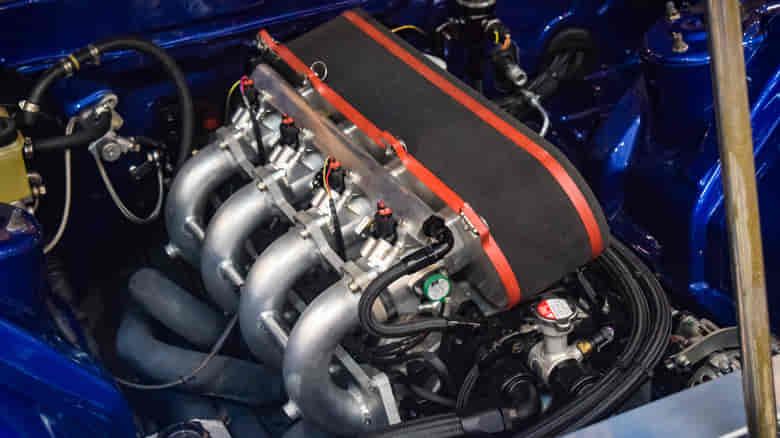
Cars with Wankel rotary engines include the Mazda RX-7, Mazda RX-8, Mazda Cosmo, NSU Spider, NSU Ro 80, and Citroën GS Birotor. These vehicles use a rotary combustion engine, which generates power through the rotation of a triangular rotor rather than the reciprocating movement of pistons found in conventional internal combustion engines. Although Mazda became the best-known manufacturer associated with rotary-powered cars, several automakers explored and commercialized this technology during the twentieth century.
Mazda’s rotary-powered sports cars gained particular recognition for their compact engines, high-revving character, and distinctive engineering. The Mazda RX-7 became an important rotary sports car across multiple generations, while the RX-8 continued the technology into the 2000s. Earlier models, including the Mazda Cosmo and NSU Ro 80, demonstrate how manufacturers applied Wankel engines to different vehicle categories, from sports cars to executive sedans. Rotary engines also achieved motorsport success, most notably when the Mazda 787B won the 24 Hours of Le Mans in 1991.
Today, Wankel rotary engines are uncommon in conventional production cars, but the technology remains relevant in selected applications, including range-extender systems for electrified vehicles. Understanding which cars have rotary engines requires distinguishing production models from race cars, prototypes, and modern hybrid applications. This guide examines the most notable rotary-powered cars, their manufacturers, their engine configurations, and the technical factors that shaped the development of this distinctive engine design.
Which Cars Have Wankel Rotary Engines?
Cars with Wankel rotary engines include production vehicles from Mazda, NSU, and Citroën, along with specialized race cars developed for motorsport. Notable examples are the Mazda RX-7, Mazda RX-8, Mazda Cosmo, NSU Spider, NSU Ro 80, and Citroën GS Birotor. These cars demonstrate how manufacturers used rotary technology in sports cars, luxury-oriented sedans, compact coupes, and other passenger vehicles. Their specifications differ by model and production year, so identifying a rotary-powered car requires checking the exact version rather than relying on the nameplate alone.
Mazda produced some of the most recognizable Wankel-powered cars. The Mazda Cosmo helped establish the brand’s rotary-engine program, while the RX-7 became a prominent sports car across three generations. Its rotary powertrain contributed to a compact engine package that supported a low hood and sports-car-focused design. The Mazda RX-8 later used the Renesis rotary engine, an updated design that placed its intake and exhaust ports differently from earlier Mazda rotary engines. Both models are now discontinued, but they remain important examples for anyone researching cars with rotary engines.
Before Mazda became synonymous with rotary sports cars, NSU introduced the Spider and Ro 80. The NSU Spider was a small sports car powered by a single-rotor Wankel engine, while the NSU Ro 80 was a technologically ambitious sedan featuring a twin-rotor engine. Citroën also offered the GS Birotor, a limited-production version of its GS family that used a two-rotor Wankel engine. These European models illustrate the early interest in rotary technology beyond Japan, although production volumes and long-term commercial success varied considerably.
Rotary engines have also appeared in race cars and modern electrified vehicles. The Mazda 787B used a four-rotor rotary engine and won the 24 Hours of Le Mans in 1991, demonstrating the technology’s potential in endurance racing. In a different application, Mazda has used a rotary engine as a generator in the MX-30 e-Skyactiv R-EV, where it supplies electricity rather than directly driving the wheels. This distinction matters because a rotary range extender is not the same as a conventional rotary-powered sports car. Together, these examples show that Wankel engines have served several automotive purposes, from everyday production vehicles to competition cars and electrified powertrains.
Read more: What Cars Have V12 Engines
Which Mazda Cars Have Rotary Engines?
Mazda has produced several notable cars with Wankel rotary engines, including the Mazda Cosmo, RX-7, RX-8, and selected versions of the Mazda Familia and Luce. The Cosmo established Mazda’s early reputation for rotary engineering, while the RX-7 and RX-8 brought the technology to a broader sports-car audience. These models used different generations of rotary engines, with changes to rotor design, intake and exhaust systems, displacement, and engine management. As a result, Mazda’s rotary history is not limited to one engine or vehicle category.
The Mazda Cosmo Sport, introduced in 1967, was the company’s first production car powered by a Wankel rotary engine. Its compact two-rotor powertrain helped distinguish it from contemporary piston-engine sports cars. Mazda subsequently expanded rotary technology into other vehicles, including the Luce and Familia rotary variants. These applications showed that the engine could be adapted to more than lightweight sports cars, although rotary-powered models remained a specialized part of the company’s lineup.
The Mazda RX-7 is one of the best-known rotary-engine cars. Produced across three generations from 1978 to 2002, it used different versions of Mazda’s two-rotor Wankel engine. Early RX-7 models emphasized light weight and responsive handling, while later versions introduced more advanced technology, including turbocharging in selected variants. The third-generation FD RX-7 became particularly recognized for its sequential twin-turbocharged 13B-REW engine, which delivered strong performance from a relatively compact package. Its combination of rotary power and sports-car engineering made the RX-7 a defining example of Mazda’s rotary expertise.
The Mazda RX-8 succeeded the RX-7 in the company’s sports-car range and was produced from 2003 to 2012. It used the Renesis 13B-MSP rotary engine, which featured side intake and exhaust ports designed to improve aspects of engine performance and emissions compared with earlier layouts. The RX-8 also had four doors and a distinctive rear-hinged door arrangement, combining a sports-car driving experience with more passenger access than a conventional two-door coupe. Despite these engineering features, the model faced challenges associated with fuel consumption, emissions compliance, and rotary-engine maintenance.
Mazda has also continued to explore rotary technology beyond traditional sports cars. The MX-30 e-Skyactiv R-EV uses a single-rotor engine as a generator in a plug-in hybrid system, while electric motors drive the wheels. This arrangement allows the rotary engine to operate as part of an electrified powertrain rather than as the vehicle’s direct mechanical drive source. The application demonstrates that Mazda’s rotary-engine development has evolved from sports-car propulsion toward specialized electrification technology. When identifying a Mazda with a rotary engine, it is therefore important to distinguish classic rotary-powered cars such as the RX-7 and RX-8 from newer vehicles that use a rotary engine primarily to generate electricity.
Which Classic Cars Have Wankel Rotary Engines?
Classic cars with Wankel rotary engines include the NSU Spider, NSU Ro 80, Citroën GS Birotor, and Mazda Cosmo Sport. These vehicles represent the early development of rotary technology, when manufacturers explored the Wankel engine as an alternative to conventional piston engines. Their designs ranged from compact sports cars to family-oriented and executive sedans. Although rotary engines offered a compact structure and distinctive operating characteristics, early production models also revealed challenges involving fuel consumption, sealing components, reliability, and maintenance.
The NSU Spider, introduced in 1964, was one of the first production cars to use a Wankel rotary engine. Its single-rotor engine powered a small, rear-engined sports car, making it an important milestone in the commercialization of rotary technology. The NSU Ro 80 followed in 1967 with a more sophisticated twin-rotor engine and a design focused on comfort, aerodynamics, and advanced engineering. The Ro 80 became historically significant, but early engine durability problems contributed to costly repairs and damaged the model’s reputation. It remains an important example of both the promise and the practical difficulties of early rotary-powered production cars.
Citroën entered the rotary-engine market with the GS Birotor in 1973. This version of the GS used a twin-rotor engine and differed mechanically from the conventional piston-engine GS models. Its smooth operation and compact engine layout were notable, but high fuel consumption, rising fuel costs, and broader economic pressures limited its commercial appeal. Citroën produced the GS Birotor in small numbers and later attempted to withdraw the model from the market. Its rarity today reflects both its limited original production and the challenges associated with maintaining an uncommon engine design.
The Mazda Cosmo Sport, also known as the Mazda 110S in some markets, represents another major step in rotary-engine history. Introduced in 1967, it used a twin-rotor Wankel engine and established Mazda as a serious developer of the technology. Unlike some early European rotary programs, Mazda continued refining its engines across multiple generations of vehicles. The Cosmo Sport therefore connects the pioneering era of rotary cars with later models such as the RX-7 and RX-8.
Classic rotary-powered cars require particular attention when being purchased or restored. Their age, limited parts availability, specialist maintenance requirements, and engine-specific wear can affect ownership costs. For example, the condition of rotor-housing surfaces, apex seals, compression, cooling systems, and lubrication systems can be important when evaluating a rotary engine. A vehicle’s maintenance records and a specialist inspection are more useful indicators of its condition than rarity or historical significance alone. These classic cars remain valuable examples of automotive experimentation, but their ownership suitability depends on mechanical condition, parts access, and the availability of experienced technicians.
Which Race Cars Have Wankel Rotary Engines?
Race cars with Wankel rotary engines include the Mazda 787B and several rotary-powered competition cars developed by Mazda for endurance racing and other motorsport categories. These vehicles used the rotary engine’s compact dimensions and ability to deliver power at high engine speeds to support specialized racing designs. The most famous example is the Mazda 787B, which won the 24 Hours of Le Mans in 1991. Its victory established a landmark for rotary-engine technology in international endurance racing and remains one of the most recognizable achievements in Mazda’s motorsport history.
The Mazda 787B used the R26B four-rotor engine, a naturally aspirated powerplant developed for Group C endurance racing. Unlike the two-rotor engines used in production cars such as the RX-7, the four-rotor configuration was designed for the demands of competition. The engine featured advanced engineering, including peripheral intake ports and sophisticated control of fuel delivery and ignition. Its high-revving character and distinctive exhaust note made the 787B particularly memorable, but its success also depended on the complete racing package, including aerodynamics, chassis development, tire performance, driver skill, and team strategy.
Mazda’s rotary-engine racing history extended beyond the 787B. The company entered rotary-powered cars in touring-car and endurance-racing competitions, using motorsport to develop engine reliability and performance under demanding conditions. Racing engines often differed substantially from their road-car counterparts in displacement, internal components, intake systems, cooling, and maintenance schedules. This distinction is important because a competition rotary engine should not be treated as directly equivalent to the engine installed in a production Mazda RX-7 or RX-8.
The success of rotary-powered race cars also needs to be understood within the context of racing regulations. Different classes impose requirements concerning engine design, weight, fuel, and vehicle construction, which influence whether a rotary engine offers a competitive advantage. Mazda’s 1991 Le Mans victory demonstrated that a rotary-powered car could win one of the world’s most demanding endurance races under the regulations of that period. It did not establish that rotary engines are universally superior to piston engines in every racing category.
Today, the Mazda 787B remains a significant reference point for anyone researching Wankel rotary engines. Its historical importance comes from the combination of a distinctive four-rotor engine, endurance-racing engineering, and a landmark overall victory at Le Mans. Although modern racing regulations and powertrain technologies have changed, the 787B continues to illustrate how manufacturers adapted rotary technology for a specific performance objective. Its legacy connects Mazda’s production rotary cars with the broader history of experimental and high-performance automotive engineering.
Are Any Modern Cars Using Wankel Rotary Engines?
Modern cars still use Wankel rotary engines, but their applications are more limited than during the rotary sports-car era. Mazda’s MX-30 e-Skyactiv R-EV is a notable example of a modern vehicle that uses a single-rotor engine as a generator in a plug-in hybrid system. Unlike the Mazda RX-7 and RX-8, where the rotary engine directly powers the vehicle through the drivetrain, the MX-30 R-EV uses an electric motor to drive the wheels. The rotary engine generates electricity to supply the system and help extend the vehicle’s driving range.
The Mazda MX-30 e-Skyactiv R-EV demonstrates why rotary technology remains relevant even though conventional rotary-powered sports cars are no longer common. A Wankel engine has a compact structure, which can make it suitable for applications where installation space and packaging are important. In a range-extender system, the engine does not need to deliver power directly across a wide range of vehicle speeds through a conventional transmission. Instead, it operates as part of an electrical power-generation system, while the electric motor provides propulsion. The overall efficiency still depends on the engine’s operating conditions, electrical conversion losses, battery capacity, and vehicle design.
Modern rotary applications should be distinguished from the historical production cars that used the engine as their primary source of propulsion. The Mazda RX-7, RX-8, Cosmo Sport, NSU Spider, and NSU Ro 80 are examples of conventional rotary-powered cars. By contrast, a rotary range-extender vehicle uses the engine primarily to generate electricity. This difference affects how the engine operates, how power reaches the wheels, and how the vehicle should be classified when researching cars with Wankel rotary engines.
Mazda’s continued development of rotary technology reflects an effort to adapt a distinctive engine design to changing automotive requirements. Conventional rotary sports cars faced challenges involving fuel consumption, emissions, and engine durability, while electrified vehicles create a different role for compact combustion engines. Using a rotary engine as a generator does not automatically eliminate these challenges, but it allows manufacturers to explore the technology within a powertrain that relies on electric propulsion.
For readers looking for a modern car with a rotary engine, the key question is whether the engine directly drives the wheels or functions as a range extender. The MX-30 e-Skyactiv R-EV illustrates the second approach, while classic Mazda rotary models represent the first. Availability varies by market and model year, so current specifications should be checked before treating any vehicle as a currently available option. This distinction provides a clearer understanding of how Wankel technology has evolved from specialist sports cars to selected electrified applications.
How Does a Wankel Rotary Engine Work?
A Wankel rotary engine generates power by rotating a triangular rotor inside a specially shaped housing, rather than moving pistons up and down inside cylinders. The rotor turns around an eccentric shaft, creating separate chambers that change in volume as the rotor moves. These chambers perform the four main stages of an internal combustion cycle: intake, compression, combustion and expansion, and exhaust. This design allows a rotary engine to deliver power from a compact assembly with fewer major moving parts than a conventional piston engine.
The rotor and housing form the core of the engine’s operating mechanism. As the rotor moves, one chamber draws in an air-fuel mixture while another compresses its mixture and a third produces power after ignition. The expanding combustion gases push against a rotor face, causing the rotor to turn and transferring energy to the eccentric shaft. Meanwhile, another chamber expels exhaust gases through the exhaust port. These processes overlap across the engine’s chambers, allowing it to produce continuous rotational output while maintaining a compact overall structure.
A key component is the apex seal, which sits at each tip of the triangular rotor and helps maintain separation between the working chambers. Side seals and other sealing components also help control gas leakage. Effective sealing is essential because pressure must remain within each chamber during compression and combustion. Wear, lubrication problems, excessive heat, or poor maintenance can affect sealing performance and reduce engine compression. This is one reason why inspecting compression and maintenance history is important when evaluating a used rotary-powered car, particularly an older Mazda RX-7 or RX-8.
Rotary engines differ from conventional piston engines in both geometry and power delivery. A piston engine relies on reciprocating piston movement, connecting rods, and a crankshaft, while a Wankel engine uses rotor movement and an eccentric shaft. The rotary design can reduce engine size and support a high-revving character, which suited sports cars such as the Mazda RX-7. However, compact dimensions do not automatically guarantee better fuel economy or lower emissions. Combustion-chamber shape, heat transfer, sealing, engine calibration, and exhaust treatment all influence the final results.
The Wankel engine’s operating principle also explains why manufacturers have explored applications beyond sports cars. A compact rotary unit can be installed as a generator in an electrified vehicle, where it produces electricity instead of mechanically driving the wheels. Mazda’s MX-30 e-Skyactiv R-EV uses this approach, whereas the RX-7 and RX-8 use rotary engines as their main propulsion source. Understanding this distinction helps explain how the same basic engine concept can serve different roles in both historical production cars and modern electrified powertrains.
What Are the Advantages and Disadvantages of Rotary Engine Cars?
Rotary engine cars offer a compact engine design, relatively few major moving components, and the ability to operate at high engine speeds, but they also face challenges involving fuel economy, emissions, and sealing durability. These characteristics explain why manufacturers such as Mazda explored rotary engines for sports cars while eventually reducing their use in conventional production vehicles. The advantages and disadvantages depend on the engine design, vehicle application, maintenance history, and the standards the vehicle must meet.
One major advantage of a Wankel rotary engine is its compact size relative to its power potential. The rotor and housing arrangement can create a small, lightweight power unit that gives vehicle designers greater flexibility when positioning the engine and shaping the body. In sports cars such as the Mazda RX-7, this packaging advantage supported a design focused on handling and performance. Rotary engines also deliver power through continuous rotor movement rather than the reciprocating motion of pistons, contributing to their distinctive operating character and ability to run at high engine speeds.
Another advantage is the relatively low number of major moving components compared with a conventional piston engine. A rotary engine does not use the same arrangement of pistons, connecting rods, and valve train components found in many four-stroke piston engines. This mechanical layout can simplify certain aspects of the engine’s architecture. However, fewer major moving parts do not automatically mean lower maintenance costs or greater reliability. Rotary engines rely on precise sealing, appropriate lubrication, and effective heat management, so the condition of their apex seals, rotor housings, and related systems remains important.
Fuel consumption is one of the principal disadvantages of conventional rotary-powered cars. The shape of the combustion chamber and the engine’s surface-area-to-volume characteristics can contribute to heat losses and combustion challenges. These factors can make it difficult for some rotary designs to achieve the fuel efficiency of comparable modern piston engines, particularly under everyday driving conditions. The Mazda RX-8, for example, is known for requiring more fuel than many similarly sized conventional sports cars. Actual consumption varies with driving style, engine condition, gearing, and vehicle specifications.
Emissions and engine durability are additional concerns. Maintaining effective sealing between the rotor and housing is essential for compression and combustion, while wear or lubrication problems can affect performance and reliability. Rotary engines can also face challenges controlling unburned hydrocarbons, making emissions compliance an important engineering consideration. These issues do not mean every rotary engine is unreliable, but they make correct maintenance, proper warm-up practices where specified by the manufacturer, and timely servicing particularly important. Buyers considering a used RX-7 or RX-8 should review maintenance records and arrange an inspection by a mechanic familiar with rotary engines.
The overall value of a rotary engine depends on its intended role. Enthusiasts may appreciate its compact packaging, high-revving character, and distinctive engineering, while drivers prioritizing fuel economy and low-cost maintenance may prefer a conventional piston engine. Modern electrified applications offer another option: Mazda’s MX-30 e-Skyactiv R-EV uses a rotary engine as a generator rather than as the direct mechanical source of wheel propulsion. This arrangement changes how the engine operates within the vehicle, although it does not remove every efficiency or emissions consideration associated with combustion. Rotary technology therefore remains useful in selected applications, but its strengths are best understood alongside its engineering and ownership trade-offs.
How Can You Tell Whether a Car Has a Wankel Rotary Engine?
You can confirm whether a car has a Wankel rotary engine by checking the manufacturer’s technical specifications, engine identification, and documentation for the exact model year and version. The model name alone is not always sufficient because manufacturers may offer different engine configurations across generations and markets. For example, the Mazda RX-7 and RX-8 use rotary engines, but their engine designs and specifications differ. Checking the exact vehicle details helps distinguish a genuine rotary-powered car from another model in the same manufacturer’s lineup.
The manufacturer’s specifications are the most reliable starting point. Look for terms such as “Wankel rotary,” “rotary engine,” or a documented rotary engine code in the official technical information. Mazda rotary engines include designations such as 12A, 13B, 13B-REW, and 13B-MSP Renesis, although the meaning and application of each designation depend on the particular engine and vehicle. Displacement figures can provide additional context, but displacement alone does not establish that an engine is rotary-powered. Confirm the engine type through the full specification rather than relying on a number or badge.
Vehicle identification information can help verify the original factory configuration. A manufacturer, authorized dealer, or reliable vehicle-history service may be able to use the vehicle identification number, or VIN, to identify the model and original engine specification. However, VIN decoding varies by manufacturer and model year, and the VIN may not reveal every technical detail directly. For older or imported cars, original sales documents, maintenance records, engine identification markings, and manufacturer documentation can provide useful supporting evidence.
A physical inspection is particularly important when buying a used rotary-powered car. Some vehicles have undergone engine swaps, modifications, or extensive restoration, meaning the engine currently installed may not match the factory specification. A qualified mechanic familiar with Wankel engines can inspect the engine configuration and assess its condition. For a used Mazda RX-7 or RX-8, a rotary-specific compression test can provide valuable information about the condition of the engine’s sealing system when performed with appropriate equipment and procedures.
It is also important to distinguish between a car powered directly by a rotary engine and one that uses a rotary engine as a generator. In a conventional rotary-powered car, such as the Mazda RX-7, the engine supplies mechanical power to the drivetrain. In the Mazda MX-30 e-Skyactiv R-EV, the rotary engine generates electricity for an electrified powertrain, while an electric motor drives the wheels. Checking the manufacturer’s description of the powertrain therefore helps determine not only whether a car contains a Wankel engine, but also how that engine is used.
Why Are Wankel Rotary Engine Cars So Rare Today?
Wankel rotary engine cars are rare today because manufacturers face challenges involving fuel efficiency, emissions compliance, engine durability, and development costs. Although rotary engines offer compact dimensions and distinctive performance characteristics, these advantages have not consistently outweighed their engineering and ownership trade-offs in conventional passenger cars. Mazda, NSU, and Citroën demonstrated the technology’s potential through production vehicles, but most manufacturers eventually discontinued their rotary-powered models as automotive priorities and regulatory requirements changed.
Fuel economy is one of the main reasons rotary engines became less attractive for everyday vehicles. The combustion-chamber geometry and relatively high surface-area-to-volume characteristics of a Wankel engine can increase heat losses and make efficient combustion more difficult than in many modern piston engines. Actual fuel consumption depends on engine design, calibration, gearing, vehicle weight, and driving conditions, but conventional rotary-powered sports cars have often consumed more fuel than comparable piston-engine vehicles. As buyers and manufacturers place greater emphasis on operating costs and efficiency, this disadvantage has limited the appeal of rotary engines for mass-market production.
Emissions requirements have also influenced the decline of conventional rotary-powered cars. Controlling unburned hydrocarbons and meeting increasingly demanding emissions standards require careful combustion design and effective exhaust treatment. Manufacturers must invest in engineering, testing, and certification to keep a powertrain compliant in each market. For a specialized vehicle produced in relatively small numbers, these development costs can be difficult to justify when alternative engines offer competitive performance with established emissions-control technologies. The Mazda RX-8, for example, was discontinued after its production run amid a combination of market and regulatory pressures, rather than for a single universal reason.
Engine durability and maintenance requirements have further shaped consumer perceptions. A rotary engine depends on effective sealing between the rotor and housing, along with appropriate lubrication and thermal management. Wear affecting the apex seals or rotor housings can reduce compression and engine performance, while neglected maintenance may increase the likelihood of expensive repairs. These concerns do not mean every rotary engine has poor reliability, but owners and used-car buyers often need specialist knowledge and appropriate diagnostic procedures. Conventional piston engines also require maintenance, yet their widespread adoption generally gives consumers broader access to parts, repair experience, and service providers.
Despite these challenges, rotary technology has not disappeared entirely. Mazda’s MX-30 e-Skyactiv R-EV uses a compact rotary engine as a generator within a plug-in hybrid powertrain, showing how the technology can serve a different purpose from the direct-propulsion engines used in the RX-7 and RX-8. In a range-extender application, the rotary engine produces electricity while an electric motor drives the wheels. This arrangement allows manufacturers to explore the rotary engine’s packaging advantages within an electrified system, although the overall vehicle must still meet efficiency and emissions requirements.
The future of Wankel rotary engines is therefore more likely to involve specialized applications than a broad return to conventional rotary-powered passenger cars. Enthusiast interest in models such as the Mazda RX-7, RX-8, and Cosmo continues to preserve the technology’s automotive legacy, while modern electrified systems offer a potential role for compact rotary generators. Whether a manufacturer adopts the design depends on its intended application, regulatory environment, engineering targets, and business case. Rotary engines remain an important part of automotive history, but their continued use depends on finding applications where their distinctive strengths justify their limitations.