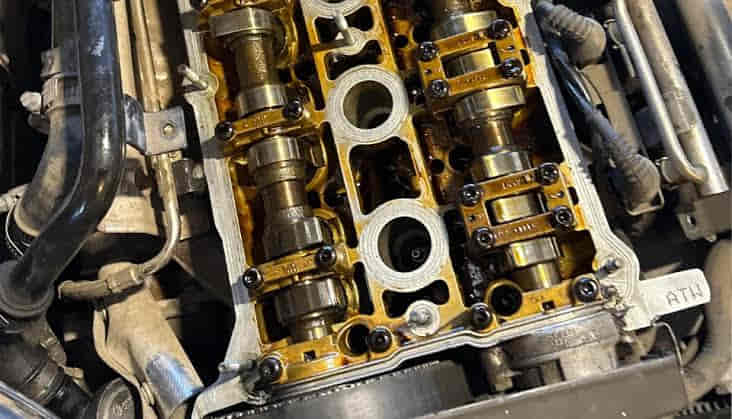
A ticking noise from an engine at idle can result from normal fuel injector operation, low engine oil, worn valve train components, or an exhaust leak. The cause depends on where the sound originates, whether it occurs when the engine is cold or warm, and how the noise changes with engine speed. While some ticking sounds are a normal characteristic of modern engines, a new, persistent, or increasingly loud noise can indicate a mechanical problem that requires inspection.
The most common causes of engine ticking at idle include fuel injector noise, hydraulic lifter problems, insufficient engine lubrication, incorrect valve clearance, and exhaust manifold leaks. Each issue produces different symptoms, so identifying the source of the sound is more useful than replacing parts based on noise alone.
To diagnose an engine ticking noise accurately, start by checking the engine oil level and observing when the sound occurs. Determine whether the ticking disappears as the engine warms up, continues at operating temperature, or changes when the engine RPM increases. These details help narrow down the possible causes and determine the appropriate repair.
This guide explains why an engine makes a ticking noise at idle, how to distinguish normal operating sounds from potential warning signs, and which diagnostic steps can help identify the problem. It also covers repair options, potential costs, and situations in which you should stop the engine and seek professional assistance.
Why Does an Engine Make a Ticking Noise at Idle?
An engine makes a ticking noise at idle when moving components, fuel injection, insufficient lubrication, or escaping exhaust gases produce repetitive sounds while the engine runs at low RPM. The five main causes are normal fuel injector operation, low engine oil or oil pressure, worn hydraulic lifters, incorrect valve clearance, and exhaust manifold leaks. Identifying the source requires examining the noise pattern, engine temperature, oil condition, and other symptoms.
Fuel injectors commonly produce a regular clicking sound as they open and close to deliver fuel into the engine. This sound is often normal, particularly in engines that use direct fuel injection. If the ticking is consistent and the engine runs smoothly without warning lights, the injectors may simply be operating as designed. However, a sudden change in the sound or ticking accompanied by rough idling requires further investigation.
Low engine oil or insufficient oil pressure can also cause ticking because the valve train and other moving components depend on adequate lubrication. When the oil level falls below the recommended range, or oil pressure becomes insufficient, metal components may not receive the lubrication they need. Hydraulic lifters are particularly sensitive to lubrication problems because they use engine oil to maintain the appropriate clearance within the valve train. Check the oil level according to the vehicle manufacturer’s instructions, and stop the engine if the oil pressure warning light illuminates.
Worn hydraulic lifters and incorrect valve clearance are additional causes of persistent ticking. Hydraulic lifters help maintain the correct operating clearance between valve train components, while mechanical valve systems rely on specified clearance settings. Wear, incorrect adjustment, or internal lifter problems can create repetitive tapping sounds near the top of the engine. The appropriate repair depends on the engine design and the results of a mechanical inspection.
An exhaust manifold leak can produce a ticking sound that resembles valve train noise. Exhaust gases escaping through a damaged gasket, cracked manifold, or loose connection create pressure pulses that may become audible at idle. The noise can change as the engine warms up because metal components expand with temperature. Visible exhaust damage, a noticeable exhaust smell, or ticking that is loudest near the exhaust manifold warrants prompt inspection.
The location and behavior of the sound help distinguish these causes. A steady clicking near the fuel injectors may be normal, while persistent ticking from the upper engine can indicate a lubrication or valve train issue. A ticking sound near the exhaust manifold may point to an exhaust leak. Because these symptoms overlap, an accurate diagnosis should combine listening observations with oil checks and appropriate mechanical testing rather than relying on sound alone.
Read more: Ford F150 Payload Capacity
Which Engine Components Commonly Cause Ticking Noises at Idle?
Several engine components can produce a ticking noise at idle, including fuel injectors, hydraulic lifters, rocker arms, valve train components, timing chain tensioners, and exhaust manifold connections. The location, rhythm, and temperature sensitivity of the sound help narrow down the cause. Because different faults can produce similar noises, identifying the component requires considering the engine design and any accompanying symptoms.
Fuel injectors produce clicking sounds as they open and close during fuel delivery. In many modern engines, particularly direct-injection engines, this noise is a normal part of operation. A consistent, light ticking near the injectors does not necessarily indicate a fault if the engine idles smoothly and performs normally. However, unusually loud or newly developed ticking, especially when accompanied by rough running or a warning light, should be investigated.
Hydraulic lifters, rocker arms, and other valve train components can cause ticking when their clearances are incorrect or their moving surfaces become worn. Hydraulic lifters rely on engine oil pressure to maintain proper clearance, so low oil levels, unsuitable oil, restricted oil passages, or internal lifter wear can affect their operation. Timing chain tensioners may also produce rattling or ticking when they cannot maintain adequate chain tension. These noises often originate near the upper or front section of the engine, depending on the engine layout.
Exhaust manifold leaks can create a sharp, repetitive tick when pressurized exhaust gases escape through a damaged gasket, cracked manifold, or loose connection. The sound may resemble a valve train problem, but it often seems to come from the exhaust side of the engine. An exhaust smell, visible soot around a connection, or noise that is strongest near the manifold can provide additional clues. A technician may need to inspect the exhaust system and perform appropriate leak tests to confirm the source.
Why Does the Engine Tick Only When Cold or Warm at Idle?
An engine that ticks only when cold may have a noise related to oil circulation, component clearances, or an exhaust leak that changes as metal parts heat up. After startup, engine oil needs time to circulate through the lubrication system, and some hydraulic lifters may tick briefly before receiving sufficient oil pressure. If the noise fades as the engine warms up, this pattern can help guide diagnosis, but it does not prove that the sound is harmless.
Temperature also affects the clearance between metal components. As engine parts heat up, they expand, which can change the way valve train components and exhaust connections fit together. A small exhaust manifold leak, for example, may become quieter as the manifold expands, although the behavior varies with the location and severity of the leak. A brief, consistent cold-start tick can differ from a loud noise that persists or grows over time.
Ticking that begins or becomes more noticeable when the engine is warm deserves attention as well. Hot engine oil becomes less viscous, and worn components or an oil pressure problem may become more apparent under certain operating conditions. If the ticking continues at normal operating temperature, increases in volume, or occurs alongside an oil pressure warning, rough idling, or loss of engine performance, arrange an inspection promptly. If the oil pressure warning light comes on while the engine is running, stop the engine as soon as it is safe to do so and follow the vehicle manufacturer’s guidance.
To assess temperature-related ticking, compare the sound shortly after a cold start with the sound after the engine reaches normal operating temperature. Note how long the noise lasts, where it appears to originate, and whether other symptoms occur. These observations help a mechanic distinguish normal injector clicking from potential lubrication, valve train, timing system, or exhaust problems without assuming that temperature alone identifies the fault.
How Can You Diagnose an Engine Ticking Noise at Idle?
Diagnosing an engine ticking noise at idle starts with checking the engine oil, identifying when the sound occurs, and locating the area where it is loudest. These initial observations help distinguish normal injector operation from potential lubrication problems, valve train wear, timing system faults, or exhaust leaks. A systematic diagnosis also reduces the risk of replacing parts that are functioning correctly.
Begin by checking the engine oil level according to the vehicle manufacturer’s instructions. Park on a level surface and follow the recommended procedure for checking the dipstick or electronic oil-level display. If the oil level is below the specified range, use only the oil grade and specification approved for the vehicle. However, adding oil does not resolve every ticking noise, and an oil pressure warning must not be ignored. If the warning light remains on while the engine is running, shut the engine off as soon as it is safe and arrange professional assistance.
Next, observe how the ticking changes during a cold start, after the engine warms up, and when engine speed changes during normal operation. A steady clicking near the fuel injectors may be normal, while persistent tapping from the upper engine can indicate a valve train or lubrication issue. A sharp ticking near the exhaust manifold may suggest an exhaust leak. Avoid placing hands, tools, or clothing near moving belts, fans, or other hot components while the engine is running.
If the source remains unclear, a mechanic can use a stethoscope designed for automotive diagnosis, inspect the valve train and exhaust connections, measure oil pressure, and perform other tests appropriate to the engine. Diagnostic trouble codes may provide useful information when warning lights or drivability problems are present, but a ticking noise does not always trigger a code. The correct diagnosis depends on the combined evidence rather than sound alone.
How Do You Fix an Engine Ticking Noise at Idle?
The correct repair depends on the component producing the ticking noise. If the cause is low engine oil, restoring the level with the manufacturer-approved oil may address the noise, provided no underlying leak or lubrication fault remains. If the oil level is correct but oil pressure is low, the engine needs further diagnosis before continued operation because insufficient lubrication can damage internal components.
When worn or malfunctioning hydraulic lifters cause persistent ticking, the repair may involve checking oil supply passages, testing oil pressure, and replacing defective lifters if confirmed. Incorrect valve clearance may require adjustment according to the manufacturer’s specifications. If the timing chain or tensioner is responsible, a technician should inspect the timing system and replace faulty parts as needed. These repairs differ by engine design, so the vehicle’s service information is essential.
An exhaust manifold leak generally requires repairing the damaged gasket, replacing a cracked component, or correcting a loose or damaged connection. The mechanic should inspect nearby parts for heat damage and confirm that the leak has been resolved. Replacing injectors is not appropriate simply because they click; many injectors make normal operating sounds, and replacement should be based on evidence of a genuine fault.
After a repair, the engine should be checked under the conditions that originally produced the noise. This includes confirming the oil level and pressure when relevant, listening at idle, and checking for warning lights, leaks, or abnormal engine operation. If the ticking persists, becomes louder, or is accompanied by loss of power or an oil pressure warning, further diagnosis is necessary rather than repeatedly trying additives or changing parts without confirmation.
When Is an Engine Ticking Noise at Idle Dangerous?
An engine ticking noise at idle becomes concerning when it is new, unusually loud, persistent, or accompanied by other symptoms such as an oil pressure warning, rough idling, reduced power, or overheating. These signs can indicate a lubrication problem, internal engine wear, a timing system fault, or another mechanical issue that requires prompt attention. Although light, regular fuel injector clicking is normal in many engines, a noticeable change in sound should not automatically be treated as harmless.
An oil pressure warning light combined with ticking is particularly serious because the engine may not be receiving adequate lubrication. Without sufficient oil pressure, moving components can experience increased friction and wear, potentially leading to extensive engine damage. If the oil pressure warning light illuminates while the engine is running, stop the engine as soon as it is safe and arrange professional assistance rather than continuing to drive.
Loud metallic tapping, a rapidly worsening noise, or ticking accompanied by severe engine vibration or a significant loss of power also warrants immediate assessment. A timing chain or tensioner problem can affect engine timing, while internal valve train damage may worsen if the engine continues running. If the engine overheats, runs abnormally, or produces a strong exhaust smell inside the vehicle, stop in a safe location and seek appropriate assistance. Do not attempt to diagnose moving engine components by placing your hands near them.
A brief, consistent tick without warning lights or performance changes may be less urgent, particularly when it matches the normal injector noise described in the vehicle’s service information. However, sound alone cannot confirm that an engine is safe. If a ticking noise persists after the engine warms up or becomes progressively louder, arrange an inspection before the problem develops into a more expensive repair.
How Much Does It Cost to Fix an Engine Ticking Noise at Idle?
The cost of fixing an engine ticking noise at idle depends on the underlying cause, the vehicle’s engine design, local labor rates, and the parts required. A noise caused by an incorrect oil level may cost little to address if no additional fault exists, while replacing worn hydraulic lifters or repairing a timing system can require substantially more labor. There is no reliable single price for an engine ticking noise because the same symptom can originate from several unrelated components.
If the problem involves an oil leak, a low oil level, or a straightforward exhaust connection, the repair may be relatively simple. The final cost depends on whether the issue requires only an adjustment or replacement of a damaged gasket or component. If the noise comes from hydraulic lifters, valve train components, or a timing chain tensioner, the repair may involve significant disassembly, which increases labor costs. Internal engine damage can make the repair considerably more expensive.
A professional estimate should separate diagnostic charges, parts, labor, and any additional work discovered during inspection. Ask the repair shop to identify the suspected source of the ticking, explain which tests support the diagnosis, and provide a written estimate before authorizing major repairs. This approach helps prevent unnecessary part replacements based solely on the sound.
The most cost-effective approach is to investigate a persistent or worsening ticking noise early. Checking the oil level and recording when the noise occurs can provide useful information before the inspection, but these observations do not replace mechanical testing. Once the cause is confirmed, compare the proposed repair with the vehicle’s age, condition, and maintenance history to determine the most appropriate solution.
How Can You Prevent Engine Ticking Noises in the Future?
Preventing engine ticking noises starts with maintaining proper engine lubrication, following the manufacturer’s service schedule, and addressing unusual sounds before they become more serious. Regular maintenance helps protect the valve train, timing components, and other moving engine parts from premature wear. Although routine servicing cannot prevent every mechanical fault, it reduces the risk of ticking caused by neglected oil changes, low oil levels, and avoidable lubrication problems.
Engine oil should be changed at the intervals specified in the vehicle’s maintenance schedule, using the recommended viscosity and specification. The correct oil supports lubrication and helps hydraulic lifters and other oil-dependent components operate as designed. Using an unsuitable oil or extending oil-change intervals beyond the manufacturer’s recommendations can compromise lubrication and contribute to deposits or component wear. Drivers should also check the oil level periodically and investigate recurring oil loss rather than repeatedly topping it up without identifying the cause.
Regular inspections can identify developing problems before they lead to extensive repairs. During scheduled servicing, a technician can check for oil leaks, assess unusual engine sounds, inspect accessible exhaust connections, and investigate warning lights. Vehicles with manufacturer-specified valve clearance inspections or timing system maintenance should receive those services at the recommended intervals. The exact requirements vary by engine design, so the owner’s manual and service documentation should guide the maintenance plan.
Driving habits and prompt responses to warning signs also matter. Allow the engine to operate according to the manufacturer’s guidance after starting, avoid demanding operation when the engine is not ready, and never ignore an oil pressure warning or persistent abnormal noise. If ticking appears suddenly, becomes louder, or occurs alongside rough running or reduced performance, arrange an inspection instead of relying on engine additives or unverified repairs.
Consistent maintenance is the most practical way to reduce the likelihood of lubrication-related ticking and detect mechanical wear early. Keeping service records, using the correct oil, monitoring fluid levels, and investigating new sounds gives technicians useful information about changes in engine behavior. These steps cannot guarantee a silent engine, but they help distinguish normal operating sounds from developing faults and support more reliable long-term engine performance.