Few dashboard warning lights cause as much confusion among Toyota owners as the VSC light. One moment your vehicle is running perfectly, and the next, a bright warning indicator appears on the dashboard. Many drivers immediately worry that a major mechanical failure is about to occur, while others wonder whether it is safe to continue driving.
The Vehicle Stability Control (VSC) system is an important safety feature designed to help maintain traction and stability, especially during sudden turns, slippery road conditions, or emergency maneuvers. When the VSC light turns on, it may indicate anything from a minor issue, such as a loose gas cap, to a more complex problem involving sensors, the braking system, or the engine management system.
Fortunately, not every VSC warning requires an expensive trip to the dealership. In many cases, a simple Toyota VSC light reset procedure can clear the warning and restore normal operation. However, understanding the underlying cause is essential to prevent the light from returning.
In this step by step guide, you will learn what the Toyota VSC system does, why the warning light comes on, how to perform a Toyota VSC light reset safely, and what to do if the warning remains illuminated after the reset process.
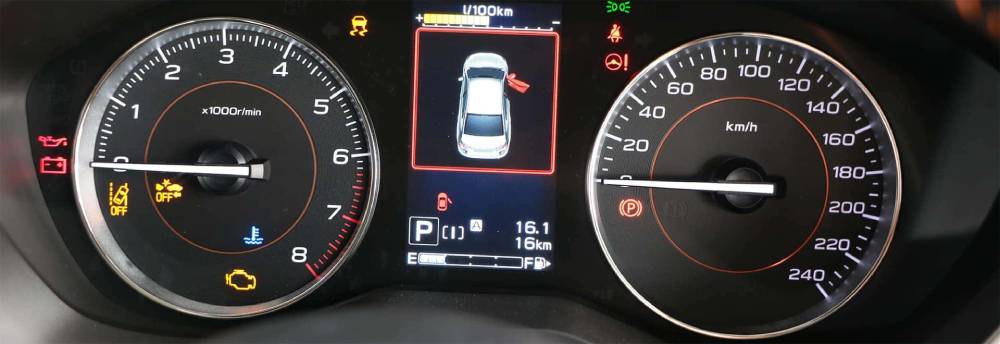
What Is the Toyota VSC System?
The Vehicle Stability Control system, commonly known as VSC, is one of Toyota’s most important safety technologies. It is designed to help drivers maintain control of their vehicles when traction is reduced or when the vehicle begins to skid during cornering.
The system continuously monitors steering input, wheel speed, and vehicle movement. When it detects a loss of traction or instability, it automatically applies braking force to individual wheels and may reduce engine power to help keep the vehicle on its intended path.
VSC works closely with the Anti Lock Braking System and Traction Control System. Together, these technologies improve handling and stability, particularly in challenging driving conditions such as heavy rain, snow, ice, loose gravel, or sudden evasive maneuvers.
Many Toyota owners do not realize how important the VSC system is until the warning light appears on the dashboard. While the vehicle may continue to operate normally in some situations, an illuminated VSC light indicates that the system may not be functioning as intended. This means the vehicle could be more difficult to control during emergency situations where traction and stability are critical.
Understanding how the VSC system works is the first step toward diagnosing the warning light and determining whether a simple reset will solve the problem or if further inspection is required.
Common Reasons Why the Toyota VSC Light Comes On
A Toyota VSC warning light can appear for several different reasons. Some issues are relatively minor, while others require immediate attention. Identifying the root cause is essential before attempting any reset procedure.
One of the most common causes is a loose or damaged gas cap. Modern Toyota vehicles monitor fuel system pressure, and a leaking gas cap can trigger engine-related fault codes that may also activate the VSC warning light.
Battery-related issues can also cause the warning to appear. If the battery has recently been disconnected, replaced, or has experienced low voltage, the vehicle’s electronic systems may temporarily lose calibration. In many cases, the warning light disappears after a reset or a short driving cycle.
Faulty wheel speed sensors are another frequent culprit. These sensors provide critical data to the VSC and ABS systems. If one sensor fails or sends incorrect information, the stability control system may deactivate and illuminate the warning light.
Problems with the steering angle sensor can produce similar symptoms. Since the VSC system relies on steering input to determine the driver’s intended direction, inaccurate readings can trigger fault codes.
In many Toyota models, the VSC light may also appear alongside the Check Engine Light. When this happens, the engine management system often stores diagnostic trouble codes that should be scanned before any reset attempt.
How to Reset the Toyota VSC Light Step by Step
Before performing a reset, ensure that the vehicle is parked safely on a level surface and that any obvious mechanical issues have been addressed.
Method 1: Basic Ignition Reset
This is the simplest reset procedure and may clear temporary electronic glitches.
Step 1: Turn off the engine completely.
Step 2: Remove the key from the ignition or switch the vehicle off if it uses a push button start system.
Step 3: Wait approximately 30 to 60 seconds.
Step 4: Restart the engine.
Step 5: Observe the dashboard and determine whether the VSC light remains illuminated.
This method is most effective when the warning was triggered by a temporary system interruption.
Method 2: Using the VSC Button
Some Toyota vehicles include a dedicated VSC button.
Step 1: Locate the VSC button, usually positioned beneath the steering wheel or near the center console.
Step 2: Start the vehicle and allow it to idle.
Step 3: Press and hold the VSC button for several seconds.
Step 4: Wait for the VSC indicator to flash or turn off.
Step 5: Release the button and restart the vehicle.
Depending on the model year, this procedure may reset the system or temporarily disable traction control for testing purposes.
Method 3: Battery Disconnect Reset
If the previous methods do not work, disconnecting the battery may clear stored temporary faults.
Step 1: Turn off the ignition completely.
Step 2: Disconnect the negative battery terminal.
Step 3: Wait approximately 10 to 15 minutes.
Step 4: Reconnect the battery terminal securely.
Step 5: Start the vehicle and check whether the VSC warning light has disappeared.
Keep in mind that this procedure may also reset radio presets, clock settings, and other vehicle memory functions.
Method 4: Using an OBD2 Scanner
This is the most reliable method when fault codes are present.
Step 1: Connect an OBD2 scanner to the diagnostic port.
Step 2: Read and record all stored trouble codes.
Step 3: Repair any underlying issues identified by the codes.
Step 4: Clear the diagnostic codes using the scanner.
Step 5: Restart the vehicle and verify that the VSC warning light remains off.
If the light returns immediately after clearing the codes, the underlying problem has not been resolved and further diagnosis will be necessary.
Toyota Models Covered by This Reset Procedure
The reset procedures outlined in this guide apply to many popular Toyota vehicles equipped with the Vehicle Stability Control system. While the exact steps may vary slightly depending on the model year and trim level, the general process remains largely the same across the Toyota lineup.
Toyota Camry owners frequently encounter VSC warnings, especially when the Check Engine Light is triggered by emissions-related issues. In many cases, performing a diagnostic scan and clearing the underlying fault code will also reset the VSC light.
Toyota Corolla models use a similar stability control system and often respond well to ignition resets or OBD2 scanner resets when no serious mechanical issues are present.
Toyota RAV4 drivers may notice the VSC light appearing alongside traction control warnings. Because these systems work together, a fault in one system can affect the other. Proper diagnosis is essential before attempting repeated resets.
Toyota Highlander, Tacoma, Tundra, 4Runner, and Avalon models also utilize VSC technology to enhance vehicle stability and safety. Although dashboard layouts and button locations may differ, the troubleshooting and reset methods described in this guide are generally applicable.
Vehicle owners should always consult the owner’s manual for model-specific instructions. Newer Toyota vehicles may include advanced driver assistance technologies that interact with the VSC system, requiring more specialized diagnostic procedures.
What to Do If the VSC Light Won’t Turn Off
Many drivers become frustrated when the VSC light remains illuminated even after attempting multiple reset procedures. In most cases, this is a sign that an underlying fault still exists and must be corrected before the warning can be permanently cleared.
The first step is to perform a complete diagnostic scan using a quality OBD2 scanner. Stored trouble codes can provide valuable information about the affected system and significantly reduce diagnostic time.
Pay close attention to wheel speed sensor faults. These sensors are exposed to dirt, moisture, road debris, and physical damage. A faulty sensor can prevent the VSC system from functioning properly and will often trigger recurring warning lights.
The braking system should also be inspected carefully. Low brake fluid levels, damaged ABS components, or malfunctioning brake pressure sensors may activate both ABS and VSC warnings simultaneously.
Steering angle sensor issues are another common cause. If the sensor loses calibration after a battery replacement, wheel alignment, or steering system repair, the VSC system may not receive accurate steering data.
Electrical problems should not be overlooked. Weak batteries, poor ground connections, damaged wiring, and corroded connectors can create intermittent faults that are difficult to identify without proper testing.
If the warning light continues to return after repairs and resets, professional diagnosis may be necessary to prevent further safety concerns and unnecessary parts replacement.
Is It Safe to Drive With the VSC Light On?
The answer depends on the reason the light is illuminated.
In some situations, the VSC light may appear because of a temporary sensor glitch or a minor electronic issue. If the vehicle is operating normally and no other warning lights are present, it may be possible to continue driving cautiously until the problem can be diagnosed.
However, drivers should understand that an active VSC warning often indicates that the stability control system has been disabled or is operating with limited functionality. As a result, the vehicle may not provide the same level of traction and control during emergency maneuvers.
This becomes particularly important when driving on wet roads, icy surfaces, gravel roads, or winding mountain routes. Without full stability control assistance, the risk of skidding or losing directional control can increase significantly.
Extra caution is required if the VSC light appears together with the Check Engine Light, ABS warning light, or Traction Control warning light. Multiple warning indicators often suggest a more serious issue that may affect overall vehicle safety.
If the vehicle exhibits unusual behavior such as reduced power, poor braking performance, steering abnormalities, or unstable handling, driving should be minimized until a proper inspection is completed.
While a VSC warning does not always indicate an immediate emergency, it should never be ignored. Prompt diagnosis and repair help maintain the safety systems Toyota engineers designed to protect drivers and passengers under challenging road conditions.
When Should You Visit a Mechanic?
While many Toyota VSC light issues can be resolved through simple troubleshooting and reset procedures, there are situations where professional diagnosis becomes necessary. Ignoring persistent warning lights can lead to more expensive repairs and may compromise vehicle safety.
A mechanic should be consulted if the VSC light remains on after multiple reset attempts. This usually indicates that the system has detected an active fault that cannot be cleared until the underlying problem is repaired.
Professional assistance is also recommended when the VSC light appears together with the Check Engine Light. Modern Toyota vehicles often link these systems, meaning a fault in the engine management system can affect stability control functions. Diagnostic equipment is usually required to identify the exact cause.
Drivers should seek immediate inspection if the vehicle demonstrates symptoms such as reduced engine power, rough acceleration, unusual braking behavior, steering irregularities, or traction control failures. These symptoms may indicate more serious mechanical or electronic issues.
A qualified technician can perform advanced diagnostic testing, inspect sensors and wiring, verify system calibration, and determine whether repairs or component replacements are required. Investing in a professional diagnosis early can often save money by preventing unnecessary parts replacement and reducing the risk of future breakdowns.
Frequently Asked Questions
How do I reset the VSC light on a Toyota?
The most common methods include restarting the vehicle, using the VSC button if equipped, disconnecting the battery for several minutes, or clearing diagnostic trouble codes with an OBD2 scanner. The correct method depends on the cause of the warning light.
Why is my VSC light on but the vehicle drives normally?
In some cases, the VSC system may detect a sensor issue, temporary electronic fault, or emissions-related problem that does not immediately affect vehicle performance. However, the warning should still be investigated because stability control functionality may be limited.
Can a bad battery cause the VSC light to come on?
Yes. A weak battery, low voltage condition, or recent battery replacement can sometimes trigger warning lights and electronic system faults, including VSC warnings.
Will disconnecting the battery reset the VSC light?
Disconnecting the battery may clear temporary faults and reset certain vehicle systems. However, if an active problem remains, the VSC light will likely return after the vehicle completes its self-diagnostic checks.
Can I drive with the VSC light on?
The vehicle may still be drivable, but stability control assistance could be reduced or disabled. Extra caution should be exercised, particularly in adverse weather conditions or on slippery roads.
Does the VSC light always indicate a serious problem?
No. Some causes are relatively minor, such as a loose gas cap or temporary sensor interruption. Nevertheless, every warning light should be diagnosed promptly to ensure safe vehicle operation.
Conclusion
Understanding how to perform a Toyota VSC light reset can save time, reduce unnecessary repair costs, and help drivers feel more confident when a warning light suddenly appears on the dashboard. Although the VSC system is designed to improve vehicle stability and traction, a warning light does not always mean a major mechanical failure has occurred.
Many VSC warnings are triggered by common issues such as a loose gas cap, low battery voltage, sensor malfunctions, or temporary electronic glitches. In these situations, simple reset procedures such as restarting the vehicle, using the VSC button, disconnecting the battery, or clearing fault codes with an OBD2 scanner may successfully eliminate the warning.
However, it is important to remember that resetting the light is only part of the solution. If the underlying cause is not identified and corrected, the warning will likely return. Repeatedly clearing the light without addressing the root problem can allow minor faults to develop into larger and more expensive repairs over time.
Whenever the VSC light appears alongside the Check Engine Light, ABS warning light, or other dashboard alerts, a complete diagnostic inspection should be performed as soon as possible. These systems are interconnected and play a critical role in maintaining vehicle safety and control.
By following the steps outlined in this guide, Toyota owners can better understand the causes of VSC warnings, perform basic troubleshooting, and determine when professional assistance is needed. Taking action early helps ensure your vehicle remains safe, reliable, and ready for the road ahead.
If your Toyota VSC light is currently on, share your vehicle model, model year, and any additional warning lights you are seeing. The more details you provide, the easier it will be to identify the most likely cause and recommend the appropriate solution.