For years, the Toyota Tundra built its reputation on one powerful promise: reliability. Truck owners trusted it for long road trips, heavy towing, demanding job sites, and everyday dependability. That is why the recent Toyota Tundra engine recall has become such a major concern among drivers and potential buyers alike.
Many owners are now asking the same urgent question: Is my Toyota Tundra affected by the engine recall?
The issue centers around newer Toyota Tundra models equipped with twin turbo V6 engines. Reports of engine failure, unusual knocking sounds, sudden power loss, and metal debris contamination have raised serious concerns across the automotive industry. For some drivers, the fear is not just about repair costs. It is about safety, reliability, and whether they can still trust a truck they invested thousands of dollars into.
Unfortunately, many recall notices can feel confusing or overly technical. Some owners still do not know whether their truck is included, while used truck buyers worry about making an expensive mistake.
In this guide, we will break everything down in simple terms. You will learn which Toyota Tundra models are affected by the engine recall, the warning signs to watch for, how to check your VIN, and what Toyota is doing to fix the problem.
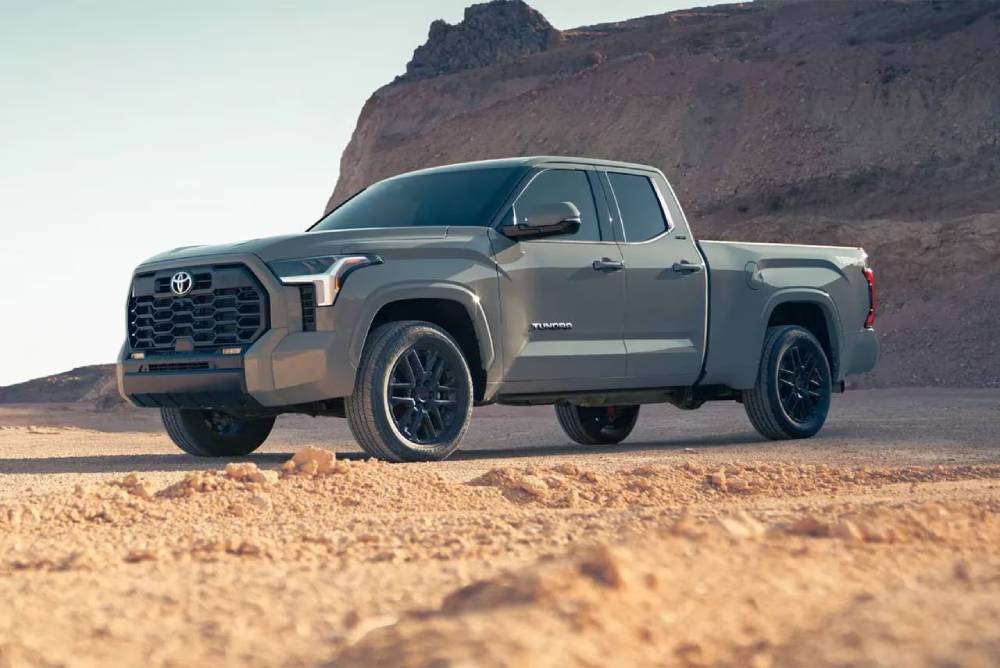
What Is the Toyota Tundra Engine Recall?
The Toyota Tundra engine recall became one of the most discussed automotive reliability issues after reports began surfacing about unexpected engine failures in newer Tundra trucks. The problem primarily affects certain Toyota Tundra models equipped with the twin turbocharged V6 engine introduced as part of the truck’s redesign.
According to multiple reports and investigations, the issue may be linked to metal debris left inside the engine during the manufacturing process. Even tiny metal particles can create serious damage over time because modern engines operate with extremely tight tolerances and high internal pressure. Once debris circulates through the engine, it can damage critical components such as bearings, leading to knocking sounds, rough performance, loss of power, or complete engine failure.
For many owners, the biggest shock is that Toyota has historically been known for producing some of the most reliable trucks on the market. Buyers who expected years of worry free ownership are now facing concerns about repair delays, replacement engines, and potential resale value loss.
The risk becomes even more alarming because some engine failures reportedly occurred without much warning. Drivers have described situations involving sudden power loss while towing, highway driving interruptions, and vehicles entering limp mode unexpectedly.
As the Toyota Tundra engine recall continues to evolve, truck owners are paying close attention to official updates, dealership responses, and repair availability. Understanding the root of the issue is the first step toward determining whether your truck may be affected.
Which Toyota Tundra Models Are Affected?
One of the most important questions for truck owners is identifying exactly which Toyota Tundra models are affected by the engine recall. While not every Tundra is included, several newer production years equipped with specific engine configurations have drawn the most attention.
The recall primarily involves Toyota Tundra trucks powered by the twin turbocharged 3.4 liter V6 engine. This engine replaced the older V8 platform as part of Toyota’s move toward improved fuel efficiency and modern performance. Although the new powertrain delivered stronger torque and better towing capability, it also introduced new concerns related to long term durability.
The most commonly discussed affected models include certain 2022 and 2023 Toyota Tundra trucks. Some early production 2024 models have also been reviewed depending on manufacturing dates and VIN ranges. However, not every truck from those years is automatically included, which is why checking the VIN remains essential.
Affected trims may include:
• SR
• SR5
• Limited
• Platinum
• 1794 Edition
• TRD Pro
• Capstone
Both two wheel drive and four wheel drive versions may be impacted depending on production details. Some hybrid i FORCE MAX models may also require separate verification because engine configurations differ slightly.
Below is a simplified overview:
| Model Year | Engine Type | Recall Concern |
|---|---|---|
| 2022 Toyota Tundra | Twin Turbo V6 | Commonly affected |
| 2023 Toyota Tundra | Twin Turbo V6 | Potentially affected |
| 2024 Toyota Tundra | Updated production | VIN check required |
Owners should understand that production date matters just as much as model year. Trucks built during certain manufacturing windows may carry higher risk than vehicles produced later after manufacturing adjustments were implemented.
This uncertainty has created frustration among many drivers because two seemingly identical trucks may have completely different recall statuses.
What Causes the Toyota Tundra Engine Problem?
The Toyota Tundra engine problem is believed to stem from contamination inside the engine during manufacturing. Investigators and industry experts have pointed toward metal debris that may have remained inside certain engines after machining processes were completed.
Although the particles involved can be extremely small, modern turbocharged engines are highly sensitive to contamination. Engines today operate under immense heat, pressure, and precision. Even microscopic metal fragments can circulate through the lubrication system and damage internal engine components over time.
One of the biggest concerns involves engine bearings. These bearings help critical engine parts move smoothly at high speeds. If metal debris enters the oil passages, bearings may wear prematurely or fail entirely. Once this happens, drivers may begin hearing knocking sounds, experiencing rough acceleration, or noticing sudden drops in engine performance.
The issue becomes even more serious because twin turbocharged engines generate higher stress compared to older naturally aspirated V8 engines. While turbocharging improves fuel economy and towing power, it also increases heat and pressure inside the engine. This means small manufacturing defects can escalate into major failures much faster.
Many Toyota owners feel particularly disappointed because reliability has long been one of the company’s strongest selling points. Some drivers specifically chose the Tundra over competitors because they wanted to avoid major mechanical issues often associated with full size trucks.
Now, concerns about expensive engine replacements, dealership wait times, and long term durability have become major pain points for both owners and potential buyers. The growing attention surrounding the Toyota Tundra engine recall reflects just how seriously truck owners take engine reliability when investing in a full size pickup.
Warning Signs Your Toyota Tundra May Be Affected
One of the most frustrating aspects of the Toyota Tundra engine recall is that some drivers reported problems appearing with very little warning. In several cases, owners claimed their trucks felt perfectly normal before suddenly developing serious engine symptoms. Because of this, recognizing early warning signs can potentially help reduce the risk of catastrophic engine damage.
One of the most commonly reported symptoms is a knocking or ticking sound coming from the engine bay. Many drivers describe the noise as metallic and unusually loud during acceleration or startup. This sound may indicate internal engine wear caused by damaged bearings or contaminated oil circulation.
Another warning sign involves rough acceleration or hesitation during driving. Some owners noticed their Tundra felt less responsive when pressing the throttle, especially while towing or merging onto highways. Reduced power delivery may signal internal engine stress developing over time.
The check engine light is another symptom that should never be ignored. While warning lights can appear for many reasons, recurring alerts combined with unusual noises or performance changes should be inspected immediately. In some situations, drivers also reported engine misfires, shaking, or vibrations during idle.
More serious cases involved sudden power loss while driving. This is particularly concerning for truck owners hauling trailers, driving long distances, or traveling at highway speeds. Unexpected engine shutdowns can create dangerous driving situations and increase the risk of accidents.
Common symptoms may include:
• Metallic knocking sounds
• Rough idle or shaking
• Delayed acceleration
• Loss of engine power
• Check engine warning light
• Engine stalling
• Burning smells or overheating
If any of these symptoms appear, owners should avoid pushing the truck harder or delaying inspection appointments. Continuing to drive with internal engine damage could increase repair complexity and potentially lead to complete engine failure.
Even drivers who have not experienced symptoms yet should still verify whether their truck falls under the Toyota Tundra engine recall because some issues may develop gradually over time.
How to Check If Your Toyota Tundra Is Included in the Recall
Because not every Toyota Tundra is automatically affected, checking your vehicle identification number is the most accurate way to confirm recall status. Many owners mistakenly assume their truck is safe simply because they have not received a letter yet, but recall databases are updated regularly as investigations continue.
The first step is locating your VIN, also known as the vehicle identification number. This unique code is usually found on the driver side dashboard near the windshield or inside the driver side door frame. The VIN contains important production information that helps identify whether your specific truck is included in the Toyota Tundra engine recall.
Once you have the VIN, visit Toyota’s official recall website or the National Highway Traffic Safety Administration database. Entering the VIN will quickly show whether your truck has active recalls or service campaigns associated with it.
You can also contact a Toyota dealership directly. Service departments can access manufacturer databases and explain whether your vehicle requires inspection, repair, or engine replacement. Some dealerships may also check for additional technical service bulletins related to engine concerns.
To simplify the process:
- Locate your VIN
- Visit the Toyota recall website
- Enter the VIN into the recall checker
- Review any active recalls or service actions
- Schedule a dealership inspection if necessary
Owners should remember that recalls sometimes expand over time. A truck that appears unaffected today could later become included as investigations develop further. This uncertainty is one reason many buyers remain cautious when shopping for used Toyota Tundra models from recent production years.
For used truck shoppers, performing a VIN check before purchase is extremely important. Even if a dealership claims repairs have already been completed, verifying service records and recall status independently can help avoid future headaches.
What Is Toyota Doing to Fix the Problem?
Toyota has taken several steps to address growing concerns surrounding the Toyota Tundra engine recall. Depending on the severity of the issue and the condition of the vehicle, solutions may range from inspections and component replacements to complete engine replacement programs.
For affected trucks, dealerships may begin by inspecting engine performance, oil systems, and internal components for signs of contamination or abnormal wear. If serious damage is detected, Toyota may authorize full engine replacement under warranty coverage or recall repair programs.
This approach helps reassure owners who fear being left with expensive repair bills. Engine replacement costs on modern twin turbocharged trucks can easily reach thousands of dollars, making manufacturer support essential for maintaining customer trust.
However, repairs have not always been quick or simple. Some owners reported long waiting periods due to limited engine availability and high demand for replacement parts. In certain cases, trucks remained at dealerships for weeks or even months while owners waited for repairs to be completed.
Another concern involves long term confidence. Even after repairs are performed, some drivers continue worrying about future reliability, resale value, and whether additional problems could appear later. Truck buyers often choose Toyota specifically because they expect durability and lower ownership stress compared to competitors.
Toyota has continued releasing updates and working with dealerships to manage affected vehicles more efficiently. Owners are encouraged to stay informed through official recall notices and dealership communication channels.
For drivers currently affected, the best course of action includes documenting symptoms carefully, scheduling inspections quickly, and maintaining records of all dealership visits and repair discussions. Staying proactive may help reduce downtime and improve the overall repair experience.
Should You Still Buy a Toyota Tundra?
Despite the concerns surrounding the Toyota Tundra engine recall, many truck buyers are still considering the Tundra because of its strong reputation, impressive towing capability, and modern technology. The decision ultimately depends on how comfortable buyers feel about the recall situation and whether the specific truck has been properly inspected or repaired.
The latest Toyota Tundra offers several advantages that continue attracting full size truck shoppers. The twin turbocharged V6 engine delivers strong torque and competitive towing performance. The interior is more refined than previous generations, offering upgraded technology, larger infotainment screens, premium materials, and advanced safety systems. Off road focused trims such as the TRD Pro also remain popular among adventure oriented drivers.
However, the recall issue has created hesitation among many buyers. Reliability has always been one of Toyota’s strongest selling points, and engine related concerns naturally raise questions about long term durability. Some buyers worry about future repair costs, dealership wait times, and how the recall could impact resale value years later.
For used truck buyers, caution is especially important. Purchasing a recent model Toyota Tundra without verifying recall history could become an expensive mistake. Before buying, shoppers should always:
• Run a VIN recall check
• Request full maintenance records
• Confirm whether recall repairs were completed
• Test drive the truck carefully
• Listen for unusual engine noises
• Check dealership documentation
Some buyers may still prefer the Tundra because Toyota is actively addressing the issue and supporting affected owners through repair programs. Others may decide to wait until newer production years demonstrate stronger long term reliability data.
Ultimately, the Toyota Tundra remains a capable and attractive truck, but buyers should approach recent model years with additional research and caution until the recall concerns are fully resolved.
Conclusion
The Toyota Tundra engine recall has become a major topic among truck owners, automotive experts, and potential buyers for good reason. While Toyota continues working to resolve the issue, many drivers still want clear answers about which Toyota Tundra models are affected and what steps they should take next.
The most important thing to remember is that not every Toyota Tundra is included in the recall. Production year, engine configuration, and VIN information all play critical roles in determining whether a specific truck may be impacted. That is why performing a VIN check remains the safest and most reliable way to confirm recall status.
Owners should also pay close attention to warning signs such as knocking noises, rough acceleration, check engine lights, or sudden power loss. Ignoring these symptoms could potentially lead to more severe engine damage and higher repair risks over time.
Although the situation has created frustration for many loyal Toyota customers, the company has continued expanding inspections, repair programs, and engine replacement efforts for affected vehicles. Staying informed and acting quickly when symptoms appear can help owners protect both safety and long term vehicle value.
For buyers considering a Toyota Tundra, the truck still offers strong towing capability, modern features, and impressive overall performance. However, careful research and VIN verification are now more important than ever before.
Have you experienced problems with your Toyota Tundra or checked whether your truck is included in the recall? Share your experience and thoughts in the comments below.